Removal may help
When a tooth is painful, infected, damaged, uncleanable, affecting the tooth beside it, or in a position likely to create a problem.
Clinic hours
Plan your visit
Dental services
Start with an assessment to understand whether wisdom teeth removal is appropriate for you.
Request an appointment
Wisdom Teeth Removal near you
Pressure or pain behind the last molar can be a sign that a wisdom tooth is emerging, trapped, infected, or difficult to keep clean. Some wisdom teeth settle into a healthy position; others need closer attention.
Cookstown Dental Centre provides personalized wisdom teeth assessments and extractions for patients from Cookstown, Innisfil, Barrie, Bradford, and nearby communities.
What is Wisdom Teeth Removal?
Wisdom teeth are the third molars at the very back of the mouth. Some grow upright, function normally, and can be cleaned effectively. Others remain beneath gum or bone, partly emerge, or angle into neighbouring teeth.
Extraction removes a tooth that is causing disease or has a clear risk of future problems. A dentist uses local anesthetic and modern instruments to keep the procedure comfortable; sedation may be discussed for suitable patients and procedures.
When there is not enough room in the jaw, a wisdom tooth can push toward the tooth in front, trap food and bacteria, or become difficult to clean. That may lead to inflammation, infection, cavities, gum disease, or damage to nearby teeth.
A decision based on the full picture
An X-ray helps us review root shape, available space, impaction, nearby teeth, nerves, sinuses, and the safest next step.
Removal may help
When a tooth is painful, infected, damaged, uncleanable, affecting the tooth beside it, or in a position likely to create a problem.
Monitoring may help
When a symptom-free tooth is healthy, stable, cleanable, and not posing a clear risk to nearby structures.
When might you need Wisdom Teeth Removal?
Pain is not the only sign. Partly erupted or impacted teeth can create hidden areas that are difficult to brush and may damage the tooth in front before symptoms become obvious.
Persistent or recurring discomfort behind the last molar.
Inflammation may build around a partly erupted wisdom tooth.
Food and bacteria can collect beneath a gum flap around the tooth.
An area that cannot be cleaned well can contribute to lingering odour.
Inflammation around a lower wisdom tooth can make jaw movement uncomfortable.
Pressure, decay, gum disease, or bone loss can affect the neighbouring second molar.
The tooth’s position may make treatment or long-term cleaning impractical.
An X-ray can identify concerns around an impacted tooth before they cause symptoms.
Contact us promptly for worsening facial swelling, fever, trouble swallowing or breathing, persistent bleeding, or severe pain that is not controlled by the aftercare plan.
The Wisdom Teeth Removal process
The number of teeth, root shape, impaction, position, and health history all affect the procedure and timing.
We review your health history, medications, X-rays, tooth position, available space, and nearby nerves or sinuses before recommending treatment.
Local anesthetic numbs the area. Sedation may be available for suitable patients after an individual safety assessment and planning discussion.
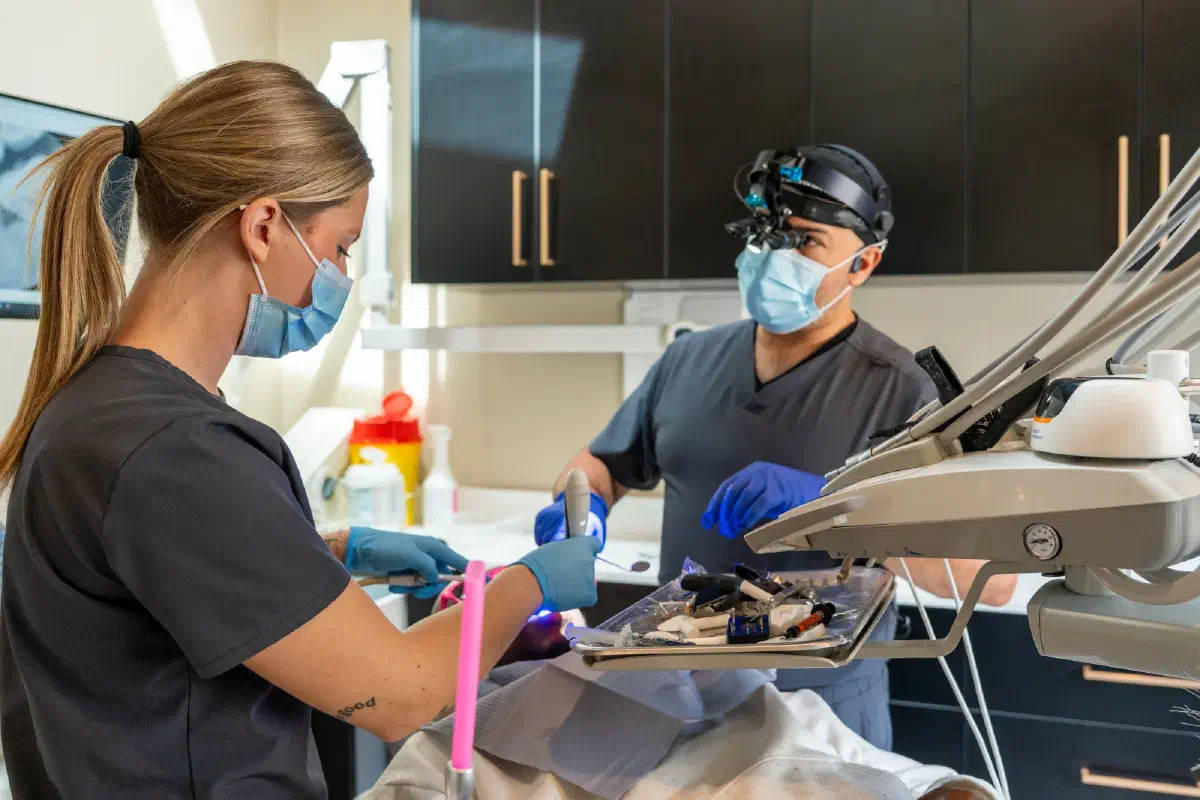
An erupted tooth may be removed like another molar. For an impacted tooth, the gum is gently opened and a small amount of surrounding bone may be removed if needed.
Dividing a difficult tooth into sections can allow a more controlled removal. The site is cleaned once the tooth is out.
Dissolving stitches may be placed. Before you leave, we review medications, food, cleaning, activity, and who to call with concerns.
Comfort and sedation
Local anesthetic is used to prevent sharp pain during extraction. You may still notice pressure or movement, especially with a more involved tooth.
For suitable patients and procedures, sedation can be discussed to support relaxation. It requires an individual review of health history, medications, fasting instructions when applicable, and transport arrangements.
If you receive oral, IV, or deeper sedation, a responsible adult must take you home and stay available as instructed. Do not drive, operate machinery, make important decisions, or use alcohol after sedation.
Recovery after Wisdom Teeth Removal
Soreness and swelling are often most noticeable in the first two or three days, then begin to improve. Many people feel ready for usual light routines after several days, while deeper healing continues for about two weeks or longer depending on the procedure.
First day
Rest, keep your head elevated, use cold packs as directed, and protect the blood clot in the socket.
Days 2–3
Swelling and stiffness may peak before they improve. Continue soft foods, hydration, medication, and gentle care as instructed.
Following days
Gradually return to normal food and activity only when comfortable, keeping the area clean and attending follow-up when advised.
Protect the healing site
Why choose Cookstown Dental Centre?
We understand that extraction can feel intimidating. Our team explains the imaging, procedure, comfort options, healing expectations, and aftercare in clear language so you know what to expect before treatment begins.
Modern digital X-rays help us see tooth position and plan the safest approach. We also provide detailed written recovery guidance and remain available when questions arise during healing.
Trust our experts for Wisdom Teeth Removal. An assessment can show whether extraction, monitoring, or referral is the best next step for your smile.
Request a consultationFrequently asked questions
Imaging, tooth position, health history, and the number of teeth involved determine the most accurate answers for your procedure.
Local anesthetic prevents sharp pain during the procedure, though pressure and movement are normal sensations. Soreness afterward is expected and managed with an individualized aftercare plan. Sedation may be discussed for suitable patients and procedures.
Many appointments take roughly 30–60 minutes, depending on how many teeth are removed and whether they are erupted or impacted. Complex surgery may take longer, and your plan will be explained before treatment.
Yes, a responsible adult escort is required if you receive oral, IV, or deeper sedation. Even with local anesthetic only, arranging help can be sensible after a more involved procedure.
Arrange an assessment for pain, swelling, repeated gum infection, difficulty opening, bad taste, damage near the last molar, or a wisdom tooth that cannot be cleaned. Urgent symptoms such as facial swelling, fever, breathing or swallowing difficulty need prompt care.
Many people feel ready for light routines after several days, but swelling and soreness may peak around days two or three. Deeper healing often continues for around two weeks or longer depending on the extraction and individual response.
No. A healthy, symptom-free wisdom tooth that is fully erupted, cleanable, and not affecting nearby structures may be monitored. The recommendation depends on examination findings and imaging, not simply the presence of the tooth.
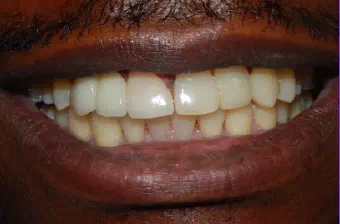
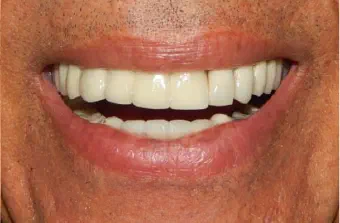
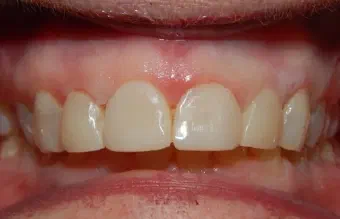
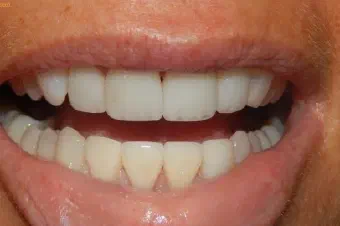
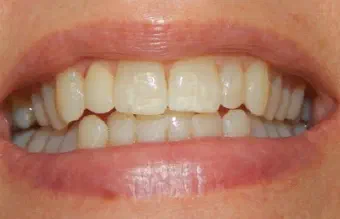
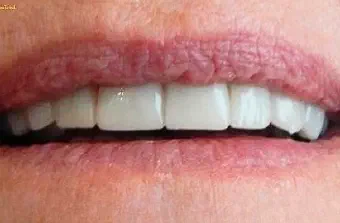
Real patient results
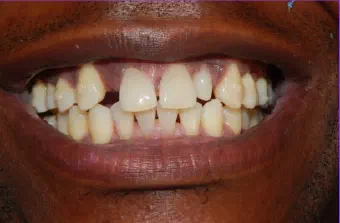
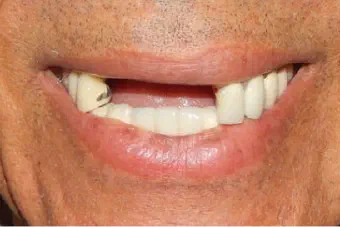
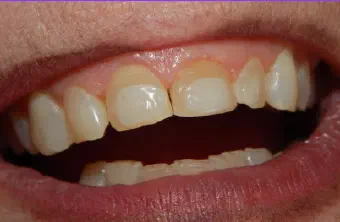
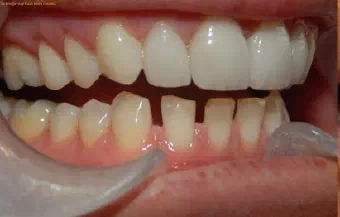
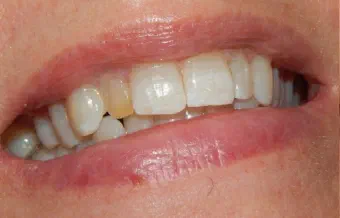
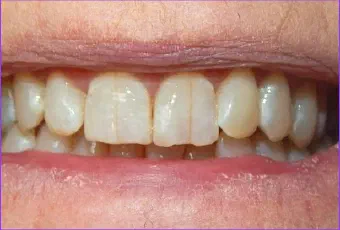
Drag the centre line to compare each real case treated by our dental team. Every smile begins with a personal assessment and a plan shaped around the patient.
Areas We Serve
Located in Cookstown, Innisfil, our dental team welcomes patients from communities across South Simcoe, Barrie, and northern York Region.
Don’t see your community listed? Contact us—we regularly welcome patients from throughout the surrounding region.
Google reviews
Read what patients have shared about their visits to Cookstown Dental Centre.

Your next step
Whether you are new to the clinic or returning for care, our team is here to make booking simple and answer your questions.