Cookstown Dental Centre
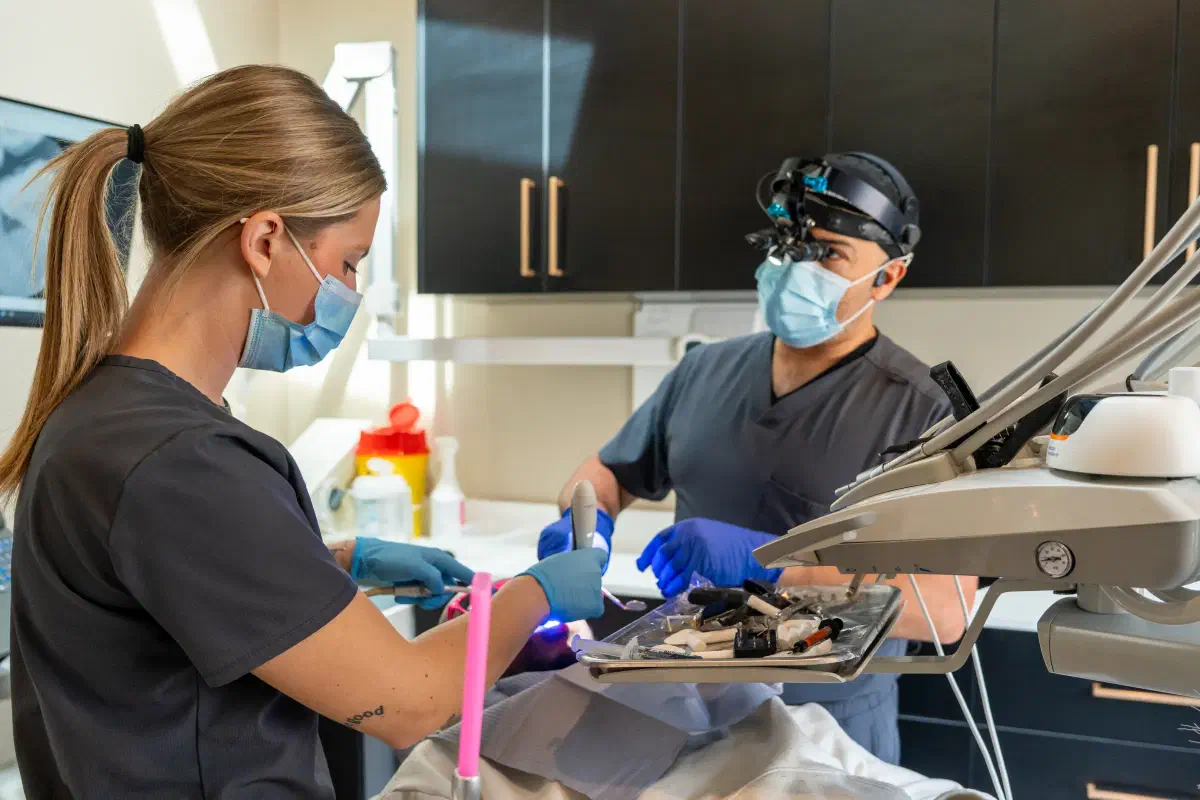
The Cookstown Dental Centre team caring for a patient in a treatment room

Restorative Dentistry · Cookstown

Assess tooth erosion and plan care around its progression.

Tooth erosion care looks at acid exposure, sensitivity, and lost structure. Explore monitoring, prevention, restorative choices, and when medical input may help.

Request an appointment

Let’s find a time that works.

Need urgent dental help? Call (705) 291-2222.

Tooth Erosion Treatment in Cookstown

Restoring a worn surface works best when the cause is also addressed.

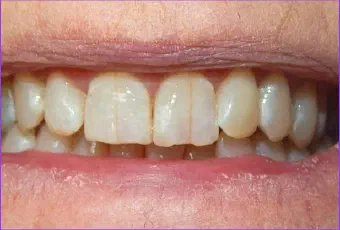
Tooth erosion is loss of tooth structure associated with acid exposure rather than bacterial decay alone. It may affect shape, surface texture, sensitivity, or the way teeth meet. Dietary acids, gastric acid exposure, and other factors can be relevant, while mechanical wear may also contribute to the overall pattern. An examination helps distinguish these overlapping causes.

Tooth erosion treatment overlaps with acid-wear treatment; the names do not imply separate mandatory procedures. At Cookstown Dental Centre, we focus on the condition of the teeth today, evidence of progression, and the support needed to reduce further damage. Some situations call mainly for prevention and monitoring, while others require restoration of selected surfaces. A filling or crown should not be presented as a substitute for managing ongoing acid exposure.
A patient discussing tooth erosion and preventive habits with a dental professional

What we consider

Build a picture of the wear before choosing restorations.

The pattern, history, and symptoms provide different pieces of information.

Surface shape and distribution

The dentist examines which teeth and surfaces are affected and whether other types of wear or decay are present. Flattening, cupping, and smooth areas are interpreted in context. The appearance can suggest a pattern, but it should not be used alone to diagnose a medical cause or a specific habit.

Exposure history and protective factors

Food and drink patterns, reflux or vomiting history, dry mouth, medications, and daily routines may be relevant. Discuss these without making abrupt changes to prescribed treatment. The aim is to identify practical contributors and when medical coordination is appropriate, not to assume every eroded tooth has the same cause.

Sensitivity and functional impact

Cold sensitivity, altered tooth shape, biting changes, and appearance concerns help establish priorities. The amount of lost structure and its effect on function influence whether restoration is needed now. A painless tooth can still show progression, while sensitivity alone does not define how extensive treatment should be.

Planning together

Look for change over time when the situation allows monitoring.

Useful records can support a decision about prevention and restorative timing.

Establish a clinical baseline

Photographs, scans, study records, or other documentation may be used when appropriate to record the current condition. The provider explains what will be compared at review. Monitoring should have a purpose and interval rather than mean that visible wear is simply ignored until a tooth breaks.

Reassess the response to preventive changes

Follow-up can evaluate symptoms and whether the pattern appears stable or progressing. The plan may change if exposure continues or function deteriorates. A reduction in sensitivity is helpful but does not automatically prove that all structural loss has stopped, so clinical review remains relevant.

Practical guidance

Reduce ongoing exposure with advice matched to the cause.

Preventive care should be practical and coordinated with any medical needs.

Discuss food, drink, and oral-care habits

The dental team can review the frequency and manner of acidic exposures and appropriate oral-care measures. The goal is a manageable routine rather than an indiscriminate ban on whole food groups. Ask how the advice fits your diet, sensitivity, and any dry-mouth concerns.

Seek medical input for relevant symptoms

Reflux, recurrent vomiting, or other health concerns may require assessment beyond dental care. The dentist can recommend coordination when indicated. Do not assume a restoration treats the underlying medical issue or change prescribed medication without the relevant clinician’s guidance.

Understanding the options

Choose restoration according to the amount and consequence of loss.

Not every eroded surface needs the same level of intervention.

Preventive care and selected additive restoration

Some teeth can be monitored with preventive measures, while localized defects may benefit from bonded material or another conservative approach. Suitability depends on the surface, remaining structure, and bite. The dentist explains whether the aim is sensitivity relief, shape restoration, protection, or a combination of goals.

Coverage or coordinated rehabilitation for greater damage

More extensive loss may require onlays, crowns, or a staged restorative plan. This is not an automatic recommendation for every patient with erosion. The remaining support, space, function, and ability to manage exposure guide the scope, with alternatives and maintenance needs discussed before treatment.

Frequently asked questions

Questions about tooth erosion treatment

Is tooth erosion the same as a cavity?

No. Erosion involves acid-related loss of tooth structure that is not caused by the decay process alone. Cavities and erosion can occur in the same mouth. The dentist assesses the pattern and other findings to distinguish the conditions and plan appropriate care.

Is this different from acid-wear treatment?

The terms overlap and often describe the same problem. This page emphasizes assessment of progression and restorative decisions. The labels should not imply that you need two separate treatments; the care plan follows the cause, extent, and effect on your teeth.

Can lost enamel grow back?

Lost tooth structure does not simply regrow. Preventive care aims to reduce further damage and support the remaining surfaces, while restorations may replace selected lost form when appropriate. The need for restoration depends on the defect and its effect, not the diagnosis alone.

Does erosion prove I have reflux?

No. Gastric acid can be relevant, but dietary exposure and other factors may also contribute. The dental pattern and history can suggest a need for medical assessment, but they do not establish one cause for every patient without further evaluation.

Will crowns stop erosion from continuing?

Crowns restore selected teeth but do not eliminate ongoing acid exposure or protect every remaining natural surface. Cause management and prevention remain important. Extensive coverage should be justified by the tooth’s structural needs rather than offered as a universal cure for erosion.

Can treatment help sensitivity?

It may, depending on the cause and extent. Preventive measures, desensitizing approaches, or selected restorations may be considered after assessment. Persistent or changing symptoms need review because sensitivity can also come from conditions other than erosion.

How will we know whether the wear is getting worse?

Clinical reviews and comparison records can help track change when appropriate. The provider may use photographs, scans, or other documentation alongside symptoms and examination. Monitoring should have an agreed interval and a clear explanation of what would change the treatment plan.

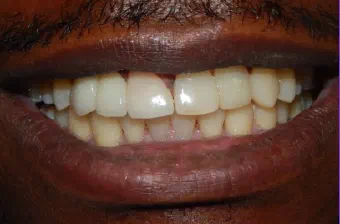
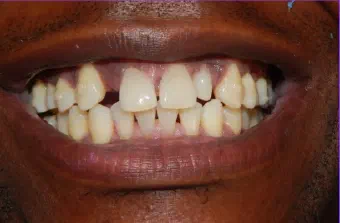
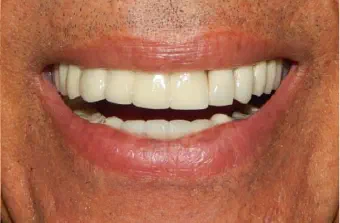
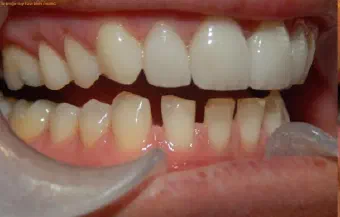
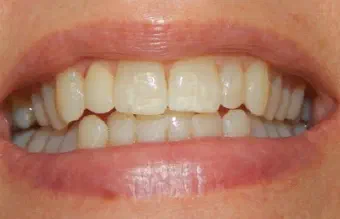
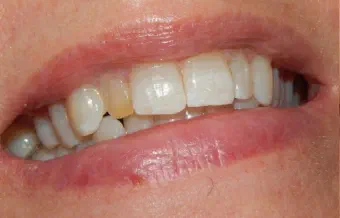
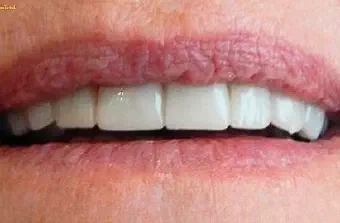
Real patient results

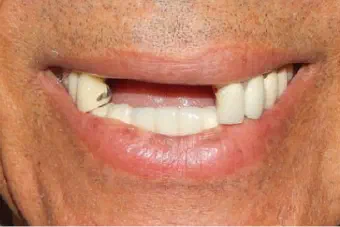
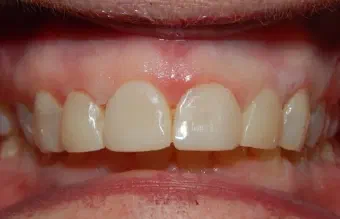
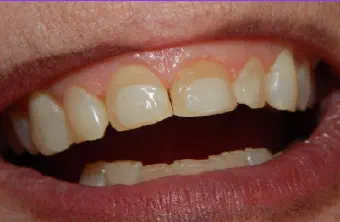
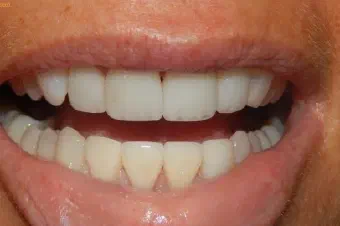
Before & after smile gallery.

Drag the centre line to compare each real case treated by our dental team. Every smile begins with a personal assessment and a plan shaped around the patient.

Areas We Serve

Neighbourhood dental care, close to home.

Located in Cookstown, Innisfil, our dental team welcomes patients from communities across South Simcoe, Barrie, and northern York Region.

Get directions
  • Cookstown
  • Innisfil
  • Simcoe
  • Lake Simcoe
  • Alcona
  • Stroud
  • Lefroy–Belle Ewart
  • Gilford
  • Churchill
  • Sandy Cove
  • Innisfil Heights
  • Fennell’s Corners
  • Bradford
  • Bradford West Gwillimbury
  • Bond Head
  • Newton Robinson
  • New Tecumseth
  • Alliston
  • Beeton
  • Tottenham
  • Adjala–Tosorontio
  • Everett
  • Loretto
  • Barrie
  • Essa
  • Thornton
  • Baxter
  • Angus
  • Egbert
  • Ivy
  • Utopia
  • York Region
  • East Gwillimbury
  • Queensville
  • Holland Landing
  • Sharon
  • Schomberg
  • Nobleton

Don’t see your community listed? Contact us—we regularly welcome patients from throughout the surrounding region.

Google reviews

Kind words from our patients.

Read what patients have shared about their visits to Cookstown Dental Centre.

A dentist having a friendly consultation with a patient in a bright dental clinic

Your next step

Ready to feel good about your next dental visit?

Whether you are new to the clinic or returning for care, our team is here to make booking simple and answer your questions.

Call Book Now WhatsApp

How can we help?

The Cookstown Dental team is here for you.

Need an appointment, have a question, or want to talk through your options? Choose the next step that works best for you.

Send us a note

We’ll get back to you as soon as we can.