Cookstown Dental Centre
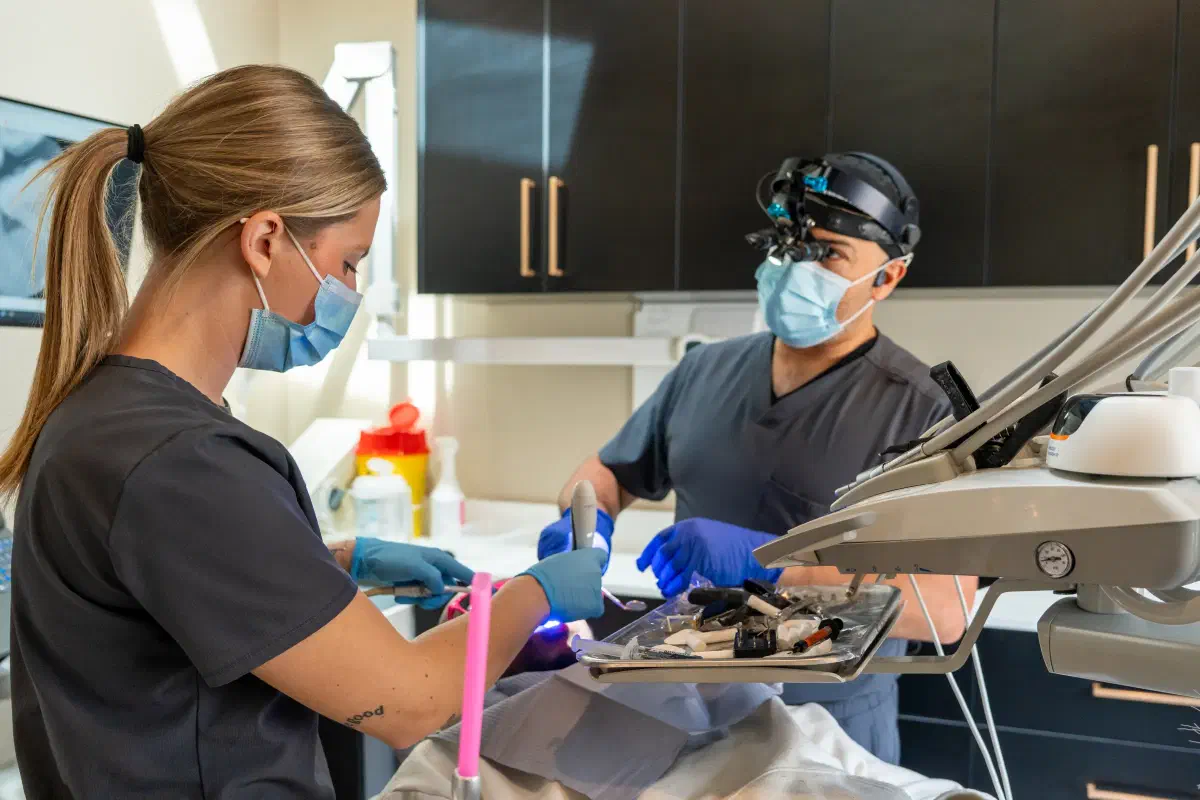
The Cookstown Dental Centre team caring for a patient in a treatment room

General & Family Dentistry · Cookstown

A cleaning visit shaped around comfort and maintenance.

Plan professional teeth cleaning in later life, including sensitivity, exposed roots, dental work, health updates, and practical support between appointments.

Request an appointment

Let’s find a time that works.

Need urgent dental help? Call (705) 291-2222.

Teeth Cleaning for Seniors in Cookstown

The right care depends on your mouth, not an age label.

Professional cleaning in later life may involve natural teeth, exposed roots, bridges, implants, or partial dentures. Some people need only small adjustments to a familiar routine; others need help with positioning, sensitivity, medicines, or cleaning at home. The useful starting point is the current condition of your mouth and what makes care comfortable.

At Cookstown Dental Centre, tell us about your dental work, medical changes, and any part of a previous cleaning you found difficult. We can discuss the scope of the appointment and the support needed. The goal is effective maintenance with clear explanations, without assuming that every older adult has the same health, abilities, or treatment needs.


An older patient with a neck cushion discussing his cleaning appointment

Plan with confidence

Prepare for a comfortable appointment.

A short update before the visit can help the team plan. Mention practical needs when booking, especially if they affect positioning, appointment length, or assistance.

Health and medicines

Bring a current medication list and relevant medical changes, including blood thinners and recent surgery. Do not stop a prescribed medicine because of a cleaning appointment. If the dentist needs medical input, the team can explain what information is required and how it will be obtained.

Sensitivity and chair comfort

Describe sensitive areas, jaw fatigue, neck or back pain, and difficulty reclining. Tell the team how long you can remain in one position and whether breaks help. Ask about the likely visit length. Discussing these details early is more useful than trying to tolerate increasing discomfort.

Appliances and support

Bring removable dental appliances if requested and explain which areas are difficult to clean. If a family member or caregiver will attend, clarify the support you want and permission to share information. Confirm any transfer or mobility assistance rather than assuming staff can provide a particular type of help.

Two parts of the picture

Natural teeth and dental work need different attention.

The clinician chooses care according to the surfaces and tissues being treated. A single generic cleaning routine may not reach all the relevant areas.

Teeth, gumlines, and exposed roots

Deposits can collect in spaces that are difficult to reach at home. Exposed roots may also be sensitive or at risk of decay. The team can discuss appropriate professional care and gentle home techniques. A sensitive or dark area should be assessed rather than automatically treated as ordinary buildup.

Bridges, implants, and removable appliances

Different restorations create different cleaning access. Ask which tools are suitable and how to use them without damaging the work. Denture care and tissue assessment remain important even where natural teeth are missing. Bring concerns about fit, rubbing, or food trapping into the conversation.

At your appointment

From assessment to a manageable home plan.

A cleaning appointment should explain what was found and what the next step achieves. You can ask for a slower explanation or written reminders.

  1. Review the mouth and priorities

    The team assesses relevant gum findings, deposits, and areas needing care. Tell us about new symptoms or changes in eating. If a dentist’s examination or additional treatment is needed, ask how it will be arranged and whether it is included in the current appointment.

  2. Provide the appropriate cleaning

    Scaling and other suitable care are selected for your findings. Tell the clinician if you need a pause or a change in approach. Some patients need a more focused gum-treatment plan rather than a routine cleaning alone. The difference should be explained before the sequence of visits is agreed.

  3. Practise the useful technique

    Ask for a demonstration around the areas that required more attention. A larger handle, different interdental aid, or caregiver assistance may be worth discussing if your current routine is difficult. The aim is a plan you can continue at home, not simply a fresh feeling on the day.

Practical guidance

Maintain the result as needs change.

Your routine and appointment interval can be reviewed when health, dental work, or practical circumstances change. Tell the team what is becoming harder rather than waiting for a major problem.

Make dexterity part of the discussion

Arthritis, reduced coordination, or a change in vision can affect daily care. Show the team how you use your current tools and identify the difficult motion. A practical adjustment may help preserve independence. If someone assists, ask for instructions that match your comfort and preferred level of support.

Address dryness and food trapping

Dryness or retained food may create concerns beyond the amount of visible plaque. Mention symptoms and medication changes. The dentist can assess possible contributors and discuss prevention or treatment where needed. More frequent cleaning alone may not address the reason the problem keeps returning.

Choose follow-up for a clinical reason

The interval depends on gum condition, buildup, risk, and response to previous care. Ask what will be reviewed next time. Discuss cost and transport if they affect attendance so priorities can be understood, rather than letting a difficult schedule gradually turn into a long gap without assessment.

Frequently asked questions

Your questions about teeth cleaning for seniors.

Is a senior cleaning a different procedure?

Age alone does not define a separate cleaning technique. The care is adapted to your teeth, gums, dental work, comfort, and health. Some people need few adjustments, while others benefit from additional planning or focused treatment. Ask what makes the proposed appointment appropriate for your mouth.

Can I have a cleaning while taking blood thinners?

Tell the clinic which medicine you take and follow its planning advice. Many appointments can proceed without a medication change, but individual circumstances matter. Do not stop or skip a dose yourself. The dentist can coordinate with the prescriber when the proposed care requires it.

What if I cannot keep my mouth open for long?

Explain this before treatment so appointment length, pacing, and possible breaks can be discussed. Some care may need a different sequence. Tell the team what causes the limitation and any medical instructions, rather than assuming you must endure the same setup as a previous visit.

Do implants need professional cleaning?

Implants and the tissues around them require appropriate maintenance and review. Tell the team where and when the implant work was completed and bring available records. Ask for home-care advice specific to the restoration’s design, since access differs between individual crowns and larger implant-supported work.

Should I bring my dentures or partial dentures?

Ask the clinic, and bring appliances when their fit, cleanliness, or supporting tissues need assessment. Describe rubbing or changes in eating. A cleaning visit can identify the need for a separate adjustment or review, but do not attempt repairs or reshape the appliance yourself.

Will cleaning help with sensitive roots?

Cleaning can be part of maintaining exposed areas, but sensitivity needs its own assessment. The dentist may recommend a preventive or desensitizing approach depending on the cause. Tell the team before cleaning so the technique and comfort plan can reflect the areas that concern you.

Can my caregiver learn the home routine?

Yes, discuss their involvement with your permission. A demonstration can focus on the tasks you want help with while preserving what you do independently. If several people provide support, clear shared instructions can help keep the routine consistent and comfortable.

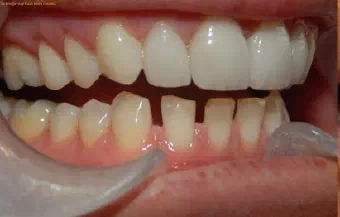
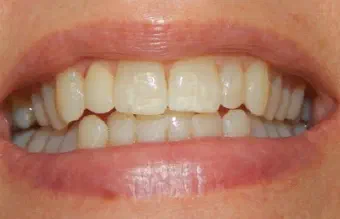
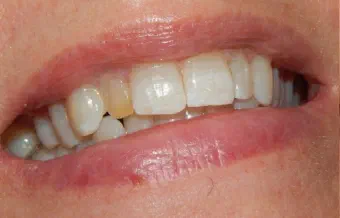
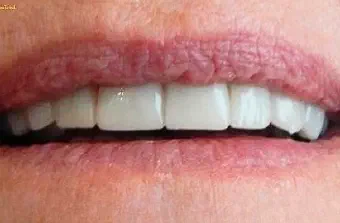
Real patient results

Before & after smile gallery.

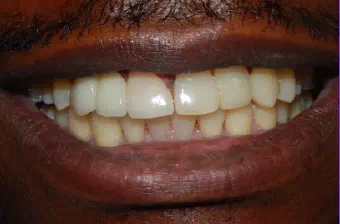
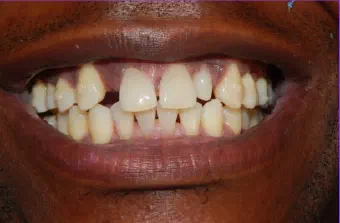
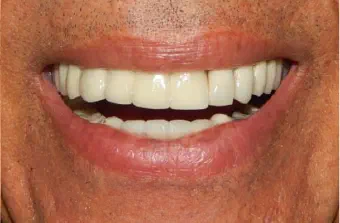
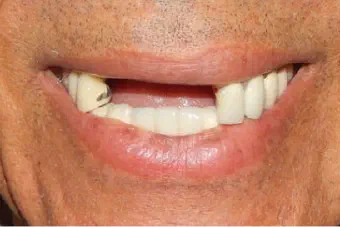
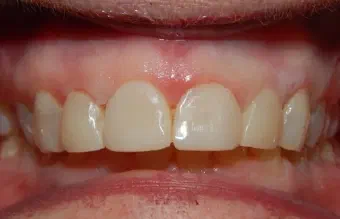
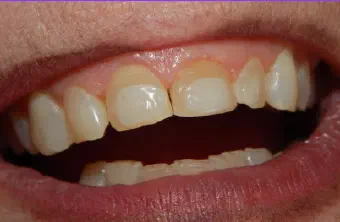
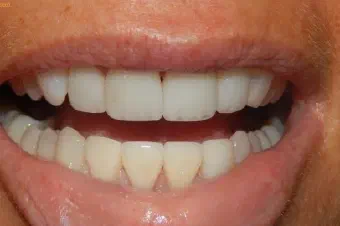
Drag the centre line to compare each real case treated by our dental team. Every smile begins with a personal assessment and a plan shaped around the patient.

Areas We Serve

Neighbourhood dental care, close to home.

Located in Cookstown, Innisfil, our dental team welcomes patients from communities across South Simcoe, Barrie, and northern York Region.

Get directions
  • Cookstown
  • Innisfil
  • Simcoe
  • Lake Simcoe
  • Alcona
  • Stroud
  • Lefroy–Belle Ewart
  • Gilford
  • Churchill
  • Sandy Cove
  • Innisfil Heights
  • Fennell’s Corners
  • Bradford
  • Bradford West Gwillimbury
  • Bond Head
  • Newton Robinson
  • New Tecumseth
  • Alliston
  • Beeton
  • Tottenham
  • Adjala–Tosorontio
  • Everett
  • Loretto
  • Barrie
  • Essa
  • Thornton
  • Baxter
  • Angus
  • Egbert
  • Ivy
  • Utopia
  • York Region
  • East Gwillimbury
  • Queensville
  • Holland Landing
  • Sharon
  • Schomberg
  • Nobleton

Don’t see your community listed? Contact us—we regularly welcome patients from throughout the surrounding region.

Google reviews

Kind words from our patients.

Read what patients have shared about their visits to Cookstown Dental Centre.

A dentist having a friendly consultation with a patient in a bright dental clinic

Your next step

Ready to feel good about your next dental visit?

Whether you are new to the clinic or returning for care, our team is here to make booking simple and answer your questions.

Call Book Now WhatsApp

How can we help?

The Cookstown Dental team is here for you.

Need an appointment, have a question, or want to talk through your options? Choose the next step that works best for you.

Send us a note

We’ll get back to you as soon as we can.