Cookstown Dental Centre
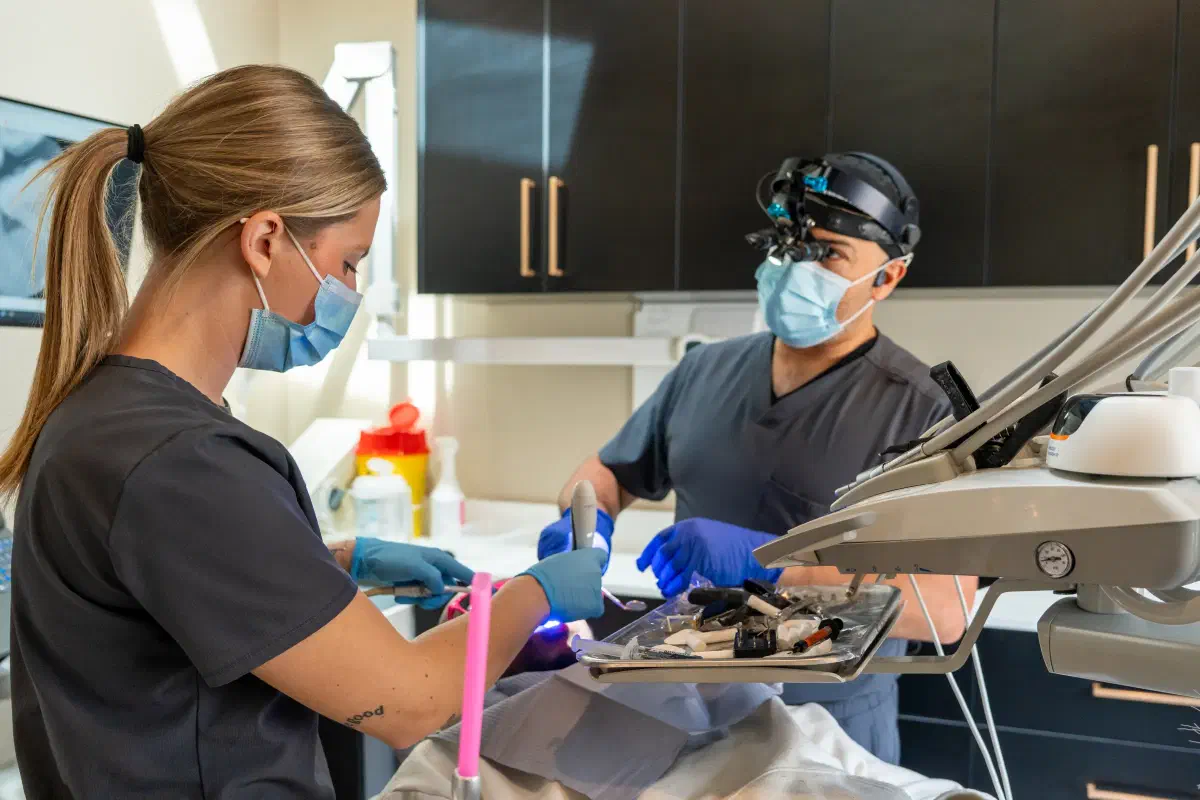
The Cookstown Dental Centre team caring for a patient in a treatment room

Children’s Dentistry · Cookstown

Protect a growing smile during active play.

Sports mouthguards for children are planned around the sport, fit, changing teeth, and appliances, with guidance on use, cleaning, and replacement.

Request an appointment

Let’s find a time that works.

Need urgent dental help? Call (705) 291-2222.

Sports Mouthguards for Children in Cookstown

Protection works best when the mouthguard gets worn.

A mouthguard should be something your child can wear comfortably during training and competition. A bulky, loose, or chewed guard is more likely to be left in a bag. Growing mouths add another consideration: a guard that fitted earlier in the year may need review after a new tooth appears or orthodontic care begins.

At Cookstown Dental Centre, we discuss the sport, your child’s teeth, and any appliances before recommending a suitable approach. A custom guard may be an option, while some situations need coordination with an orthodontic provider or a different design. We explain the intended protection and its limits, along with the daily care and fit checks that help keep the guard useful.

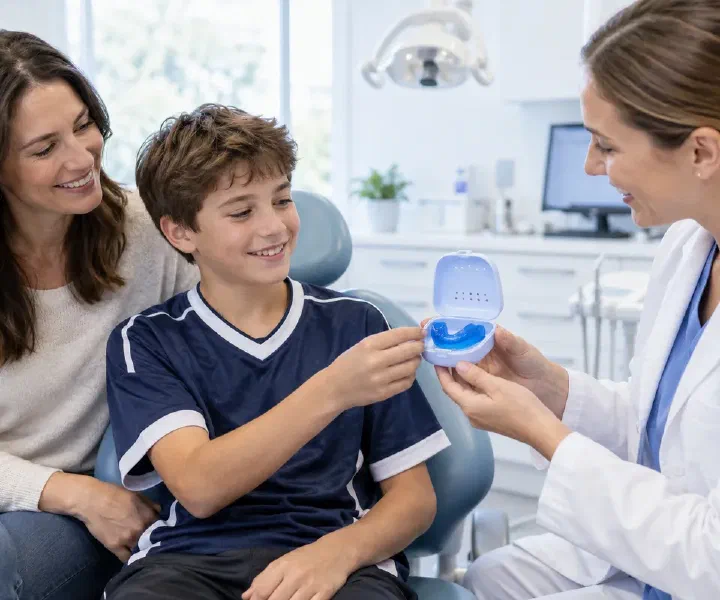
A child receiving a blue sports mouthguard in a case at a dental consultation

Understanding the options

Choose protection around the activity and fit.

Mouthguards come in different designs. A useful comparison considers how securely the guard stays in place and whether your child can breathe and communicate comfortably.

A professionally fitted option

A custom guard is made using records of the mouth and checked for fit. The sport, stage of dental development, and any appliance affect planning. Ask about the expected process and replacement needs, especially when several adult teeth are erupting or orthodontic treatment may begin soon.

Other available guards

Stock and boil-and-bite guards are available, but their fit and comfort vary. We can discuss what to look for if one is being used. A guard that feels secure only when your child constantly clenches, or one that interferes with breathing, deserves review rather than being tolerated.

Care that fits

Growing mouths need a changing protection plan.

Fit is not a once-only decision. Check the guard as part of your child’s sports routine and raise changes at dental reviews.

New and loose teeth

Eruption and baby-tooth loss can change the way a guard sits. Tell us about loose teeth or a guard that suddenly feels tight. Do not force it over a changing area or trim it extensively at home; the dentist can assess whether adjustment or replacement is appropriate.

Braces and aligners

Orthodontic appliances need compatible sports protection and room for planned changes. Discuss the design with the treating provider before choosing or moulding a guard. Clear aligners are not sports mouthguards, and an ordinary guard may not fit safely over brackets or moving teeth.

Different sports and habits

Tell us which activities your child plays, how often, and whether the guard is used in practice as well as games. Mention chewing, gagging, or difficulty speaking. These practical details can explain why a guard is not being worn and help identify a more workable option.

Step by step

Plan the fit before the season is underway.

Allow time for assessment, records, and fitting where a custom guard is recommended. The number of visits depends on the selected approach.

  1. Discuss teeth and activity

    We review the mouth and ask about previous injuries, current appliances, and the sport. Bring an existing guard if you have one. The assessment helps determine whether a custom design is appropriate now and what growth or treatment changes may affect its useful lifespan.

  2. Take the required records

    A scan or impression may be needed to make a custom guard. Tell us about a strong gag reflex, sensory concerns, or difficulty with previous impressions. We explain the chosen method and what your child can expect rather than assuming the record-taking step will feel familiar.

  3. Check comfort and retention

    At fitting, we review how the guard sits and provide instructions for insertion, removal, cleaning, and storage. Your child should have a chance to describe pressure or discomfort. Ask when to return for a fit check and what changes mean the guard should stop being used until reviewed.

Planning together

Build the guard into the sports routine.

A few repeatable habits help protect the appliance and make it easier to notice when it no longer fits. Follow any material-specific instructions you receive.

Wear it consistently

Use the recommended guard during the activities for which it is intended, including practice when injury risk is present. Keep it in the equipment checklist alongside other protective gear. A mouthguard reduces certain dental injury risks but cannot prevent every injury or make unsafe play safe.

Clean and store it carefully

Rinse and clean the guard as instructed, let it dry, and use a ventilated case. Keep it away from heat, pets, and loose equipment that could distort it. Avoid sharing guards, and do not leave one wrapped in a tissue where it may be discarded accidentally.

Check condition and fit

Look for tears, thinning, rough edges, or changes in how the guard sits. Bring it to dental visits and request a review after major tooth or appliance changes. Replace or adjust it on professional advice rather than waiting for discomfort or a sports injury to reveal a problem.

Frequently asked questions

Questions about sports mouthguards for children

Can a mouthguard prevent every dental injury?

No. A suitable guard can reduce the risk or severity of certain injuries, but it does not provide complete protection. Safe play, appropriate equipment, and sport-specific rules still matter. A significant impact should be assessed even if a guard was worn.

Does a mouthguard prevent concussion?

It should not be presented as guaranteed concussion protection. Use it for its intended dental and oral protection and follow the sport’s head-injury guidance. A child with concerning symptoms after a head impact needs appropriate medical assessment.

Can a child with baby teeth have a guard?

Possibly, depending on the activity, age, fit, and stage of dental development. An assessment helps determine a suitable option. Because teeth are changing, regular fit checks may be particularly important for a younger child.

What if my child wears braces?

Ask the treating orthodontic provider about a compatible guard that accommodates the appliance and tooth movement. Do not force an ordinary guard over brackets or assume a previously fitted guard remains suitable after treatment starts.

How often should it be replaced?

Replacement depends on growth, eruption, wear, damage, and fit rather than one fixed calendar rule. Bring it to reviews and report changes. A tight, loose, torn, or distorted guard should be assessed before continued use.

Can my child chew on the mouthguard?

Chewing can damage or distort it and reduce useful fit. Encourage your child to wear it as instructed and store it when not needed. If chewing is persistent, discuss the reason and whether a different design would be easier to tolerate.

What should we do after a tooth is hit?

Seek prompt dental advice for a loose, displaced, chipped, or knocked-out tooth, or a changed bite. Never replant a baby tooth. Significant head injury, breathing difficulty, or uncontrolled bleeding requires emergency medical care before routine dental treatment.

Real patient results

Before & after smile gallery.

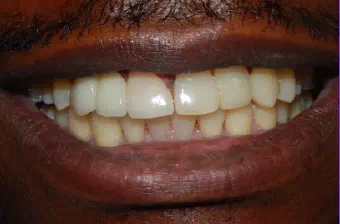
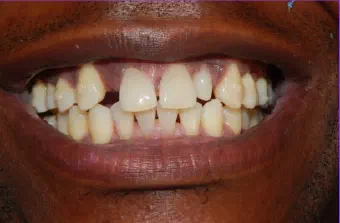
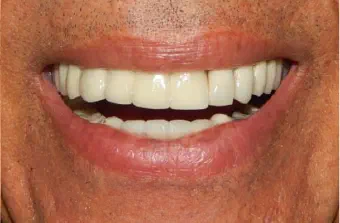
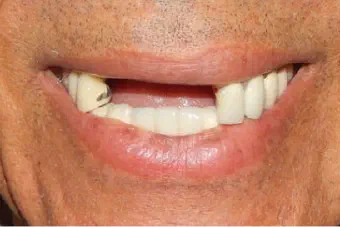
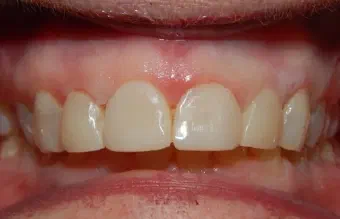
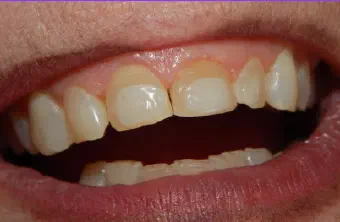
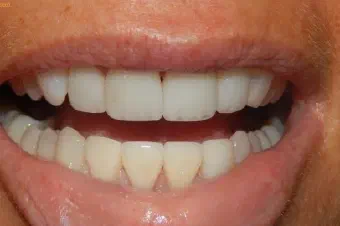
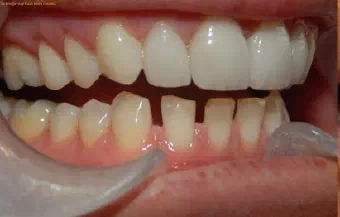
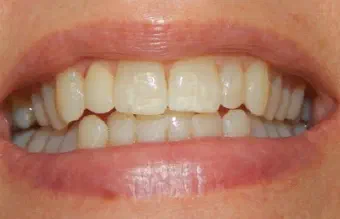
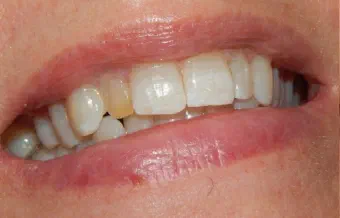
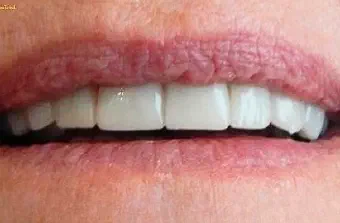
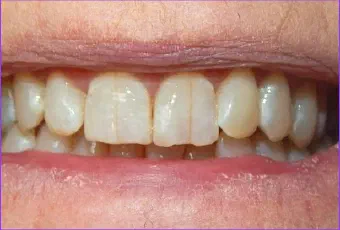
Drag the centre line to compare each real case treated by our dental team. Every smile begins with a personal assessment and a plan shaped around the patient.

Areas We Serve

Neighbourhood dental care, close to home.

Located in Cookstown, Innisfil, our dental team welcomes patients from communities across South Simcoe, Barrie, and northern York Region.

Get directions
  • Cookstown
  • Innisfil
  • Simcoe
  • Lake Simcoe
  • Alcona
  • Stroud
  • Lefroy–Belle Ewart
  • Gilford
  • Churchill
  • Sandy Cove
  • Innisfil Heights
  • Fennell’s Corners
  • Bradford
  • Bradford West Gwillimbury
  • Bond Head
  • Newton Robinson
  • New Tecumseth
  • Alliston
  • Beeton
  • Tottenham
  • Adjala–Tosorontio
  • Everett
  • Loretto
  • Barrie
  • Essa
  • Thornton
  • Baxter
  • Angus
  • Egbert
  • Ivy
  • Utopia
  • York Region
  • East Gwillimbury
  • Queensville
  • Holland Landing
  • Sharon
  • Schomberg
  • Nobleton

Don’t see your community listed? Contact us—we regularly welcome patients from throughout the surrounding region.

Google reviews

Kind words from our patients.

Read what patients have shared about their visits to Cookstown Dental Centre.

A dentist having a friendly consultation with a patient in a bright dental clinic

Your next step

Ready to feel good about your next dental visit?

Whether you are new to the clinic or returning for care, our team is here to make booking simple and answer your questions.

Call Book Now WhatsApp

How can we help?

The Cookstown Dental team is here for you.

Need an appointment, have a question, or want to talk through your options? Choose the next step that works best for you.

Send us a note

We’ll get back to you as soon as we can.