Cookstown Dental Centre
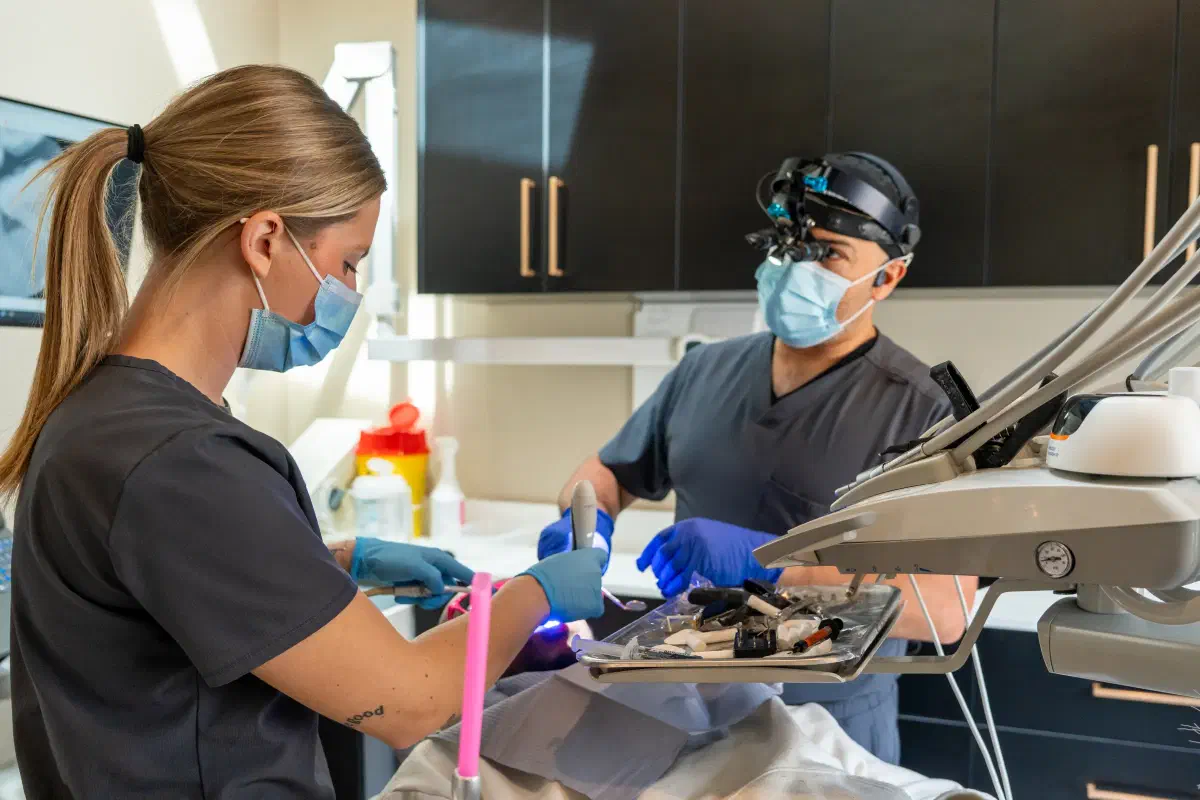
The Cookstown Dental Centre team caring for a patient in a treatment room

Children’s Dentistry · Cookstown

Keep an early tooth loss in perspective.

Space maintainers may help preserve selected gaps after early baby-tooth loss, with decisions based on development, space, and the adult tooth beneath.

Request an appointment

Let’s find a time that works.

Need urgent dental help? Call (705) 291-2222.

Space Maintainers in Cookstown

A missing baby tooth does not always need an appliance.

Losing a baby tooth earlier than expected can raise questions about the space left behind. A space maintainer is an appliance used in selected situations to help preserve that space while development continues. Whether one is useful depends on which tooth was lost, how long ago it happened, the position of neighbouring teeth, and the permanent tooth expected to follow.

At Cookstown Dental Centre, we assess those details before discussing an appliance. We explain the purpose, practical care, possible complications, and review schedule. Some children need monitoring alone, while others benefit from a specialist opinion. A space maintainer should have a defined job and a plan for removal, rather than being treated as an automatic response to every gap.


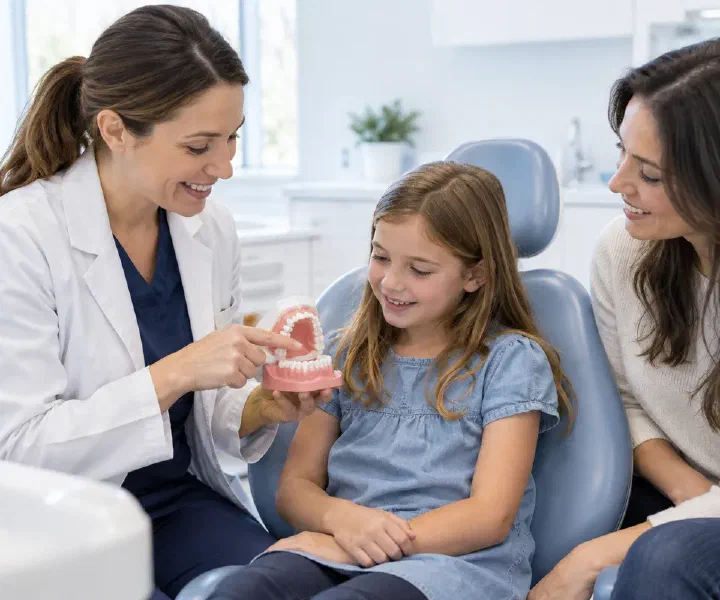
A dentist using a dental arch model to explain space after early baby-tooth loss

What we consider

Look at the space and the developing teeth together.

The significance of early tooth loss varies. The dentist considers several findings before deciding whether maintaining space is likely to be useful.

Which tooth was lost

The position and role of the missing tooth influence the effect on surrounding teeth. A missing front baby tooth raises different questions from an early-lost molar. Tell us why and when the tooth was lost, including any injury or treatment elsewhere, so the assessment has the right context.

What is happening in the gap

Neighbouring teeth may change position after early tooth loss, but the pattern is not identical in every child. We assess existing space and the bite. If space has already been lost, simply placing a maintainer may not address the problem, and a different assessment may be needed.

When the adult tooth is expected

The development and position of the permanent successor help guide timing. Imaging may be recommended when it provides information that cannot be established by looking alone. We explain why that information matters and how it affects a choice between observation, an appliance, or referral.

Practical guidance

Understand what the appliance is meant to do.

A space maintainer has a limited purpose. Knowing that purpose makes the need for cleaning and review easier to understand.

Preserve selected space

The appliance is intended to help hold a particular space while the child develops. It does not generally move crowded teeth into a new position or replace a full orthodontic plan. Ask which gap is being protected and how the clinician will judge whether the appliance is doing its job.

Work within a changing mouth

Adult teeth continue to erupt and baby teeth continue to loosen. An appliance that fits today needs ongoing review as those changes occur. The removal or adjustment plan matters from the beginning, because a device should not be left unattended once its original purpose has changed.

Require cooperation and cleaning

Fixed and removable designs have different responsibilities, and the choice depends on the child and clinical situation. The appliance can collect plaque or become loose. We discuss whether the family can manage the care routine and what to do if a component irritates the mouth or stops fitting.

The appointment

From an assessment to scheduled reviews.

The number and type of appointments depend on the selected design. We explain the sequence before an appliance is made or placed.

  1. Discuss the recommendation

    We review the findings, alternatives, and expected benefit. Ask about costs, monitoring, and the consequences of choosing observation instead. The decision should reflect the child’s development and treatment needs, with an opportunity to ask why the specific appliance is being proposed.

  2. Record and fit the appliance

    Measurements, a scan, or an impression may be needed depending on the design. At fitting, the clinician checks how it sits and gives cleaning and food guidance. Your child can practise the instructions, and you can ask to see any area that will need extra help at home.

  3. Monitor and remove when appropriate

    Reviews check fit, cleanliness, the supporting teeth, and eruption. The appliance may need adjustment, replacement, or removal as development progresses. Confirm the review interval and contact the provider sooner if it becomes loose, breaks, causes a sore area, or seems to obstruct an emerging tooth.

Planning together

Help your child look after the appliance.

Good daily care protects both the device and the teeth supporting it. Use the instructions provided for your child’s particular design.

Keep the surrounding teeth clean

Brush carefully around bands, wires, and gumlines, and use any recommended between-teeth cleaning technique. Ask for a demonstration if an area is difficult to reach. A space maintainer does not protect its supporting teeth from decay, so ordinary prevention remains part of the plan.

Avoid bending or pulling

Discourage picking at the appliance with fingers or objects and follow food guidance. If something feels sharp or loose, call instead of attempting a home repair. Do not bend a wire back into place or use glue; the fit and supporting teeth need professional assessment.

Stay connected to follow-up

Keep scheduled reviews even when the appliance seems comfortable. Let us know if another dentist or orthodontist changes the treatment plan. Clear coordination helps ensure the appliance is removed or adjusted at the right time rather than being overlooked between different appointments.

Frequently asked questions

Questions about space maintainers

Does every early-lost baby tooth need a space maintainer?

No. The tooth’s position, existing space, bite, and development of the permanent successor guide the decision. Some gaps need observation only. The dentist can explain the expected benefit and limitations for your child’s situation.

Is a space maintainer the same as braces?

No. It generally preserves selected space rather than carrying out comprehensive tooth movement. If crowding or lost space already needs correction, a different appliance or orthodontic assessment may be appropriate.

Are space maintainers removable?

Some are removable and others are fixed. The design depends on the missing teeth, development, and the child’s ability to manage it. Each option has different cleaning and wear responsibilities that should be explained before treatment.

Will my child need impressions?

A scan, impression, or other records may be required depending on the appliance design. The team explains what is needed and how it will be obtained. Let us know about a strong gag reflex or previous difficulty with dental records.

How long will the appliance stay in place?

It depends on the purpose and the eruption of the permanent tooth. Regular reviews guide removal or adjustment. There is no single duration that fits every child, and a comfortable appliance should still be checked as development changes.

What if it becomes loose or breaks?

Contact the treating provider promptly. Do not bend it, glue it, or let your child keep a detached component in the mouth. Save any loose piece safely and follow advice about the timing of reassessment.

Does it prevent the need for braces later?

No guarantee can be made. Maintaining a selected space addresses one issue within dental development. Other bite or alignment concerns may still need monitoring or treatment later, even when the appliance serves its intended purpose.

Real patient results

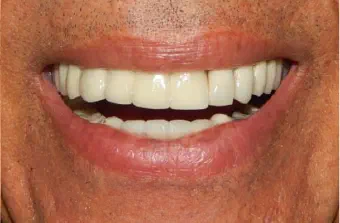
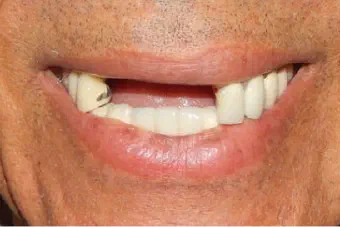
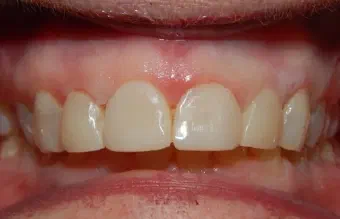
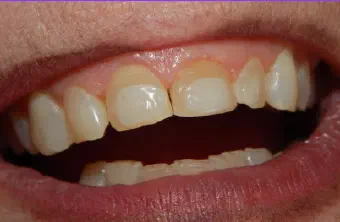
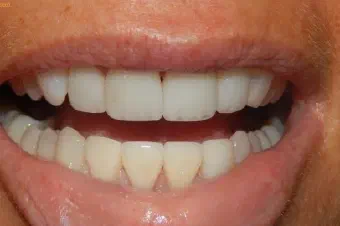
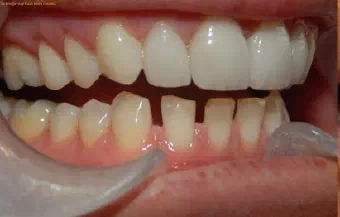
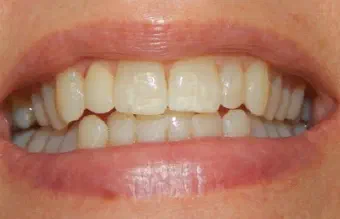
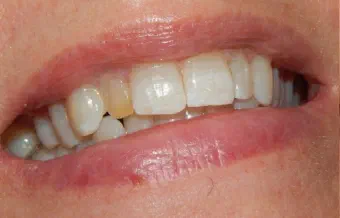
Before & after smile gallery.

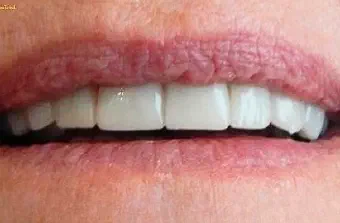
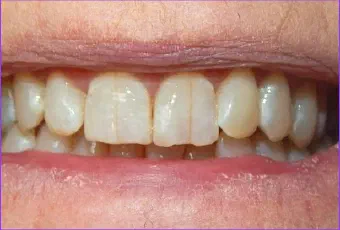
Drag the centre line to compare each real case treated by our dental team. Every smile begins with a personal assessment and a plan shaped around the patient.

Areas We Serve

Neighbourhood dental care, close to home.

Located in Cookstown, Innisfil, our dental team welcomes patients from communities across South Simcoe, Barrie, and northern York Region.

Get directions
  • Cookstown
  • Innisfil
  • Simcoe
  • Lake Simcoe
  • Alcona
  • Stroud
  • Lefroy–Belle Ewart
  • Gilford
  • Churchill
  • Sandy Cove
  • Innisfil Heights
  • Fennell’s Corners
  • Bradford
  • Bradford West Gwillimbury
  • Bond Head
  • Newton Robinson
  • New Tecumseth
  • Alliston
  • Beeton
  • Tottenham
  • Adjala–Tosorontio
  • Everett
  • Loretto
  • Barrie
  • Essa
  • Thornton
  • Baxter
  • Angus
  • Egbert
  • Ivy
  • Utopia
  • York Region
  • East Gwillimbury
  • Queensville
  • Holland Landing
  • Sharon
  • Schomberg
  • Nobleton

Don’t see your community listed? Contact us—we regularly welcome patients from throughout the surrounding region.

Google reviews

Kind words from our patients.

Read what patients have shared about their visits to Cookstown Dental Centre.

A dentist having a friendly consultation with a patient in a bright dental clinic

Your next step

Ready to feel good about your next dental visit?

Whether you are new to the clinic or returning for care, our team is here to make booking simple and answer your questions.

Call Book Now WhatsApp

How can we help?

The Cookstown Dental team is here for you.

Need an appointment, have a question, or want to talk through your options? Choose the next step that works best for you.

Send us a note

We’ll get back to you as soon as we can.