Cookstown Dental Centre
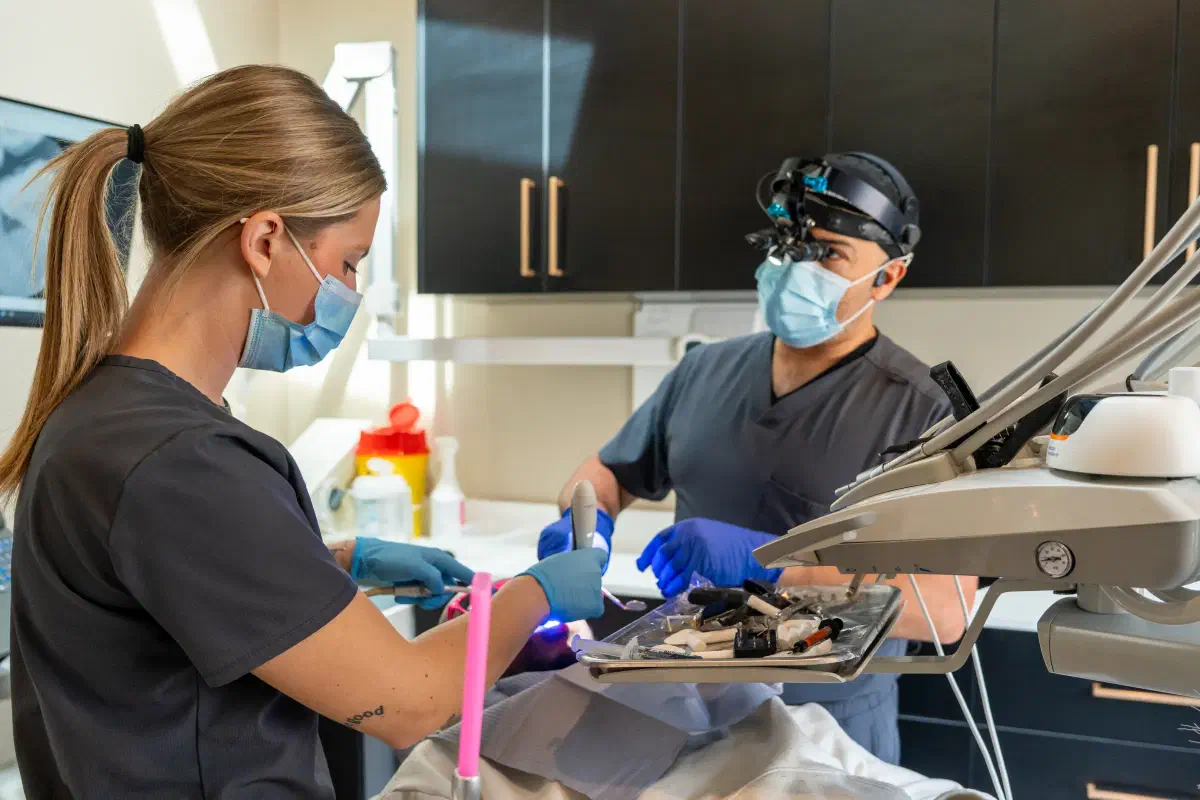
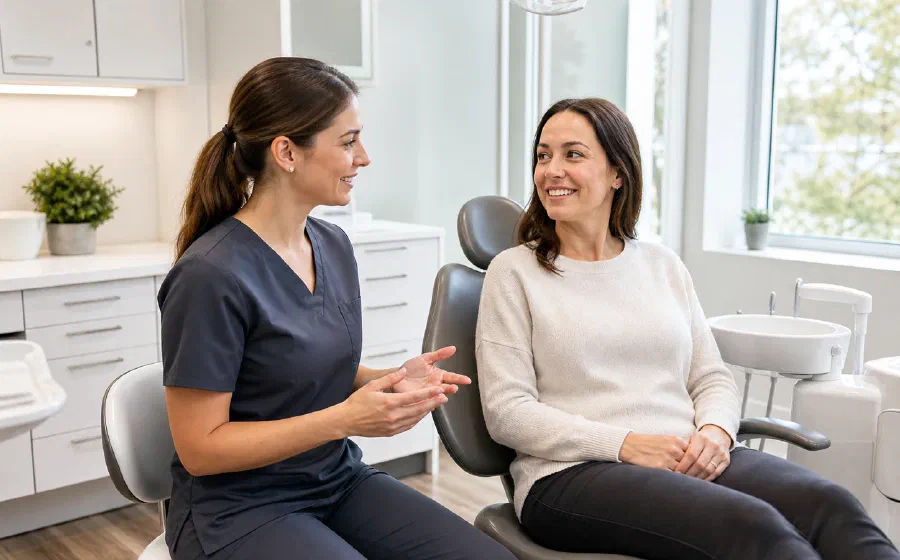
The Cookstown Dental Centre team caring for a patient in a treatment room

Specialized Care · Cookstown

Keep the dental appliance connected to medical sleep care.

Sleep physician co-management in Cookstown connects diagnosis, appliance suitability, adjustment, testing, and ongoing reviews across your dental and medical teams.

Request an appointment

Let’s find a time that works.

Need urgent dental help? Call (705) 291-2222.

Sleep Physician Co-management in Cookstown

Clear responsibilities make a shared treatment plan easier to follow.

Oral appliance treatment for obstructive sleep apnea involves both medical and dental decisions. The medical team establishes the diagnosis, considers the wider health picture, and oversees treatment effectiveness. A qualified dental provider evaluates oral suitability, supplies and adjusts an appropriate appliance when indicated, and monitors its effects on teeth, gums, jaw comfort, and the bite.

Co-management means those responsibilities stay connected. Relevant reports, the appliance setting, symptoms, and follow-up findings need to reach the right clinician with your consent. It does not require every visit to happen in the same office, but it does require clarity about who is doing what. During assessment, we can discuss the information needed and confirm the appropriate referral or communication arrangements rather than assuming an existing specialist relationship or a particular testing pathway.
Patient discussing coordinated sleep care with a dentist reviewing medical and dental records

What we consider

The roles within a shared plan

Medical and dental reviews overlap in communication but answer different clinical questions.

The sleep-care clinician’s role

The medical clinician assesses the sleep condition, arranges or interprets appropriate testing, and discusses treatment options in the context of your health. They determine how effectiveness should be evaluated and when medical reassessment is needed. A dental appliance decision should fit that plan rather than begin with an unconfirmed assumption that snoring equals sleep apnea.

The dental provider’s role

The dental clinician evaluates teeth, gums, restorations, jaw function, and appliance suitability. If appropriate, they manage records, fitting, prescribed titration, and oral follow-up. They also report relevant changes or limitations so the medical team can consider whether the treatment remains suitable, rather than declaring medical success from fit or comfort alone.

The appointment

Where communication matters most

Several points in the treatment pathway benefit from an explicit handover.

  1. Before the appliance is made

    The dental provider needs the relevant diagnosis, recommendation, and treatment history, while the medical team may need information about oral suitability or barriers. Active dental disease or jaw concerns can affect the plan. Clarifying these issues early helps avoid ordering a device before a necessary medical or dental question has been answered.

  2. After fitting and guided adjustment

    The appliance model, setting, tolerance, and use history may help the sleep-care clinician plan objective follow-up. The dental team should explain any limitation in advancement or retention. Quieter snoring and patient comfort are useful observations, but the next medical step should not depend on them as proof that apnea is controlled.

  3. When health or the appliance changes

    New symptoms, weight changes, device replacement, persistent jaw pain, or interrupted use can require renewed coordination. The appropriate response may involve dental adjustment, medical testing, or a different treatment approach. The teams should know about the change rather than each assuming the other has already addressed it.

Planning together

Information that helps the teams work together

Bring what you have, and ask how missing records can be requested.

Medical reports and current therapy

Sleep-study reports, the managing clinician’s contact details, prescribed therapies, and relevant health updates provide the medical context. Describe difficulties with CPAP or another treatment without assuming that those difficulties automatically make an appliance suitable. The choice still needs to account for diagnosis, alternatives, oral findings, and your preferences.

Dental records and device details

The appliance model, provider, setting, repair history, and recent dental changes help with continuity. If care has moved between offices, baseline bite and periodontal records can be useful. Consent for appropriate information sharing should be clear, and you should know which office will request or send the necessary documents.

Understanding the options

Avoiding gaps and duplicated assumptions

A shared plan is strongest when the next action has an identified owner.

Know who arranges testing and reviews results

Ask which clinician will request follow-up testing, how you will receive the result, and who will discuss any change in therapy. Do not assume that an appliance delivery automatically books a sleep test. If you have not heard about an expected step, contact the responsible office rather than interpreting silence as confirmation of success.

Know who manages an appliance problem

Fit, damage, tooth pressure, and jaw symptoms usually need the dental provider’s assessment, while the medical implications of interrupted therapy belong in the sleep-care plan. If the appliance cannot be worn, both teams may need to be involved. An ordinary nightguard or an improvised repair should not fill that gap.

Good to know

Your role in keeping the plan current

You do not need to coordinate every clinical detail, but your experience is important information.

Report use and symptoms accurately

Tell the teams if discomfort, travel, handling, or other barriers prevent regular use. Also report renewed sleepiness, snoring, or observed breathing pauses. An accurate account supports a useful adjustment or alternative plan; it is more valuable than a reassuring report that hides a device you rarely manage to wear.

Confirm arrangements before changing treatment

Do not independently stop CPAP, change appliance settings beyond instructions, or assume a replacement has the same effectiveness as the old device. Ask for a clear transition plan and follow-up. If referral or testing arrangements are still being established, clarify the next contact and expected process before leaving the appointment.

Frequently asked questions

Questions about sleep physician co-management

Does co-management mean the dentist diagnoses sleep apnea?

No. Medical assessment and appropriate testing establish the sleep diagnosis. The dental provider evaluates oral suitability and manages appliance-related dental care, while sharing relevant findings with the clinician responsible for the sleep condition.

Will both clinicians need to see me?

Often, yes, because oral health and medical effectiveness require different assessments. The timing and type of visits depend on your treatment plan. Coordinated care does not necessarily mean both providers must be present at the same appointment.

Who decides whether an appliance can replace CPAP?

That decision belongs within the medical treatment discussion, informed by diagnosis, options, preferences, and dental suitability. Do not stop prescribed CPAP in anticipation of an appliance without an agreed transition and follow-up plan.

Who arranges a follow-up sleep test?

The responsible medical clinician generally directs the testing plan. Confirm the arrangement with your care team, including who requests the test and discusses results. Appliance delivery alone should not be assumed to trigger that process automatically.

What if my appliance needs repair and I cannot wear it?

Contact the dental provider about the device and the sleep-care clinician about the treatment interruption. They can help establish an appropriate interim plan. Avoid a household repair or substituting a standard nightguard for prescribed sleep therapy.

Can records be shared with my existing sleep physician?

Relevant information can be shared through appropriate consent and office procedures. Bring the clinician’s contact details and available reports, and confirm how records will be requested or sent so both teams have the information needed.

How are referral and communication arrangements established?

The appropriate provider and pathway are confirmed around your existing care and clinical needs. Bring contact details and available reports, then clarify which office will request records, arrange referrals, and communicate the findings needed for the next step.

Real patient results

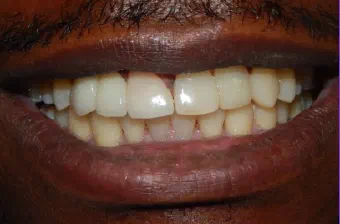
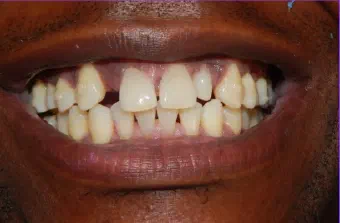
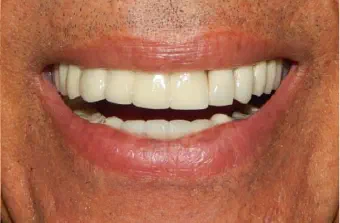
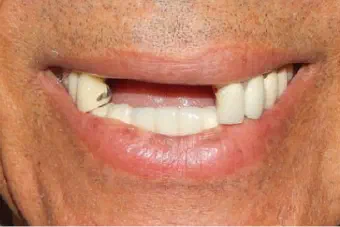
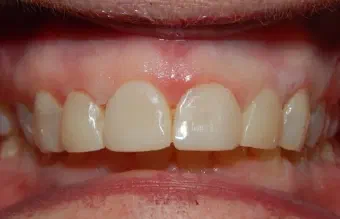
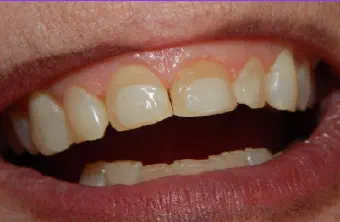
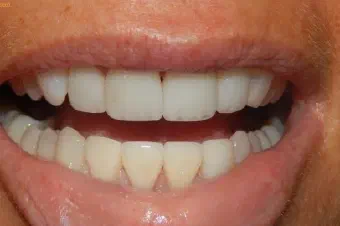
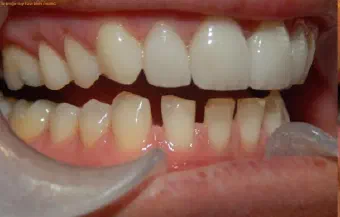
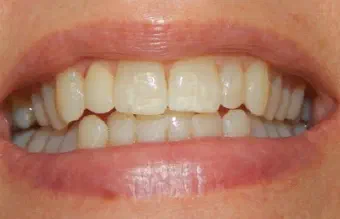
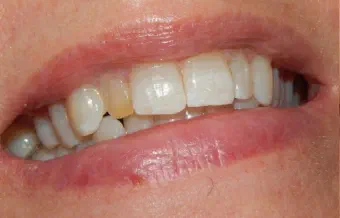
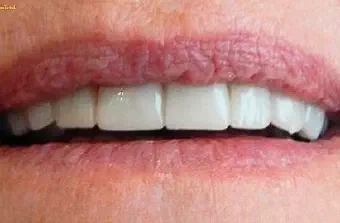
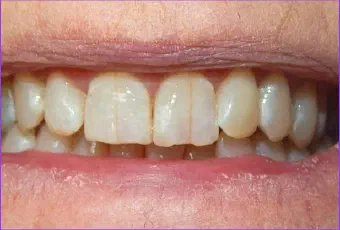
Before & after smile gallery.

Drag the centre line to compare each real case treated by our dental team. Every smile begins with a personal assessment and a plan shaped around the patient.

Areas We Serve

Neighbourhood dental care, close to home.

Located in Cookstown, Innisfil, our dental team welcomes patients from communities across South Simcoe, Barrie, and northern York Region.

Get directions
  • Cookstown
  • Innisfil
  • Simcoe
  • Lake Simcoe
  • Alcona
  • Stroud
  • Lefroy–Belle Ewart
  • Gilford
  • Churchill
  • Sandy Cove
  • Innisfil Heights
  • Fennell’s Corners
  • Bradford
  • Bradford West Gwillimbury
  • Bond Head
  • Newton Robinson
  • New Tecumseth
  • Alliston
  • Beeton
  • Tottenham
  • Adjala–Tosorontio
  • Everett
  • Loretto
  • Barrie
  • Essa
  • Thornton
  • Baxter
  • Angus
  • Egbert
  • Ivy
  • Utopia
  • York Region
  • East Gwillimbury
  • Queensville
  • Holland Landing
  • Sharon
  • Schomberg
  • Nobleton

Don’t see your community listed? Contact us—we regularly welcome patients from throughout the surrounding region.

Google reviews

Kind words from our patients.

Read what patients have shared about their visits to Cookstown Dental Centre.

A dentist having a friendly consultation with a patient in a bright dental clinic

Your next step

Ready to feel good about your next dental visit?

Whether you are new to the clinic or returning for care, our team is here to make booking simple and answer your questions.

Call Book Now WhatsApp

How can we help?

The Cookstown Dental team is here for you.

Need an appointment, have a question, or want to talk through your options? Choose the next step that works best for you.

Send us a note

We’ll get back to you as soon as we can.