Cookstown Dental Centre
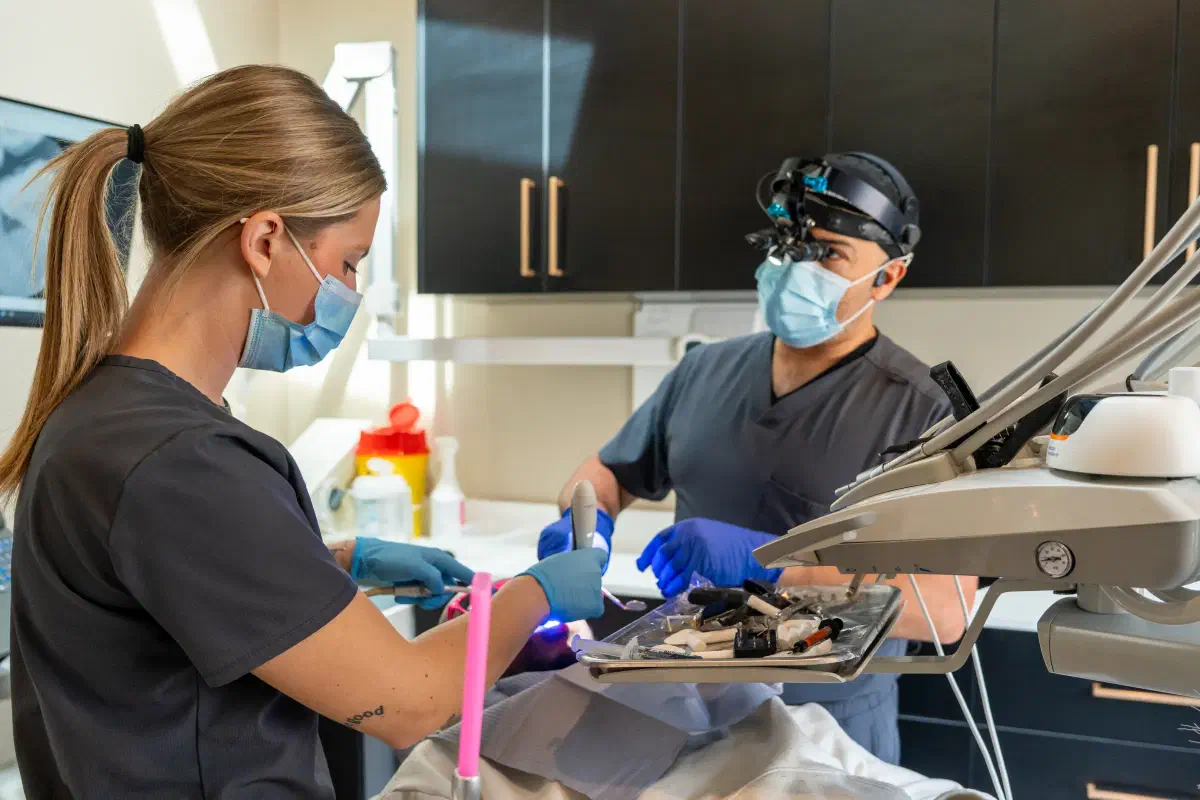
The Cookstown Dental Centre team caring for a patient in a treatment room

Specialized Care · Cookstown

Adjust the appliance with a purpose and a review plan.

Sleep appliance adjustments in Cookstown balance jaw comfort, fit, and prescribed advancement, with medical follow-up to check how well therapy is working.

Request an appointment

Let’s find a time that works.

Need urgent dental help? Call (705) 291-2222.

Sleep Appliance Adjustments in Cookstown

More advancement is not automatically better treatment.

A custom sleep appliance may allow the lower-jaw position to be adjusted as part of a prescribed treatment plan. That process is often called titration. It should balance the intended airway benefit with comfort, retention, and the health of the teeth and jaw. Turning a mechanism further because snoring continues is not a reliable substitute for professional guidance.

Adjustment visits also address a different set of issues: pressure on a tooth, an area rubbing the gum, a device that no longer seats properly, or a change in how the teeth meet. Those problems may need a fit correction rather than more jaw advancement. The appointment identifies what needs changing, documents the setting and symptoms, and explains how the response will be reviewed. Objective assessment through the medical team remains important even when the device feels comfortable and sleep sounds quieter.

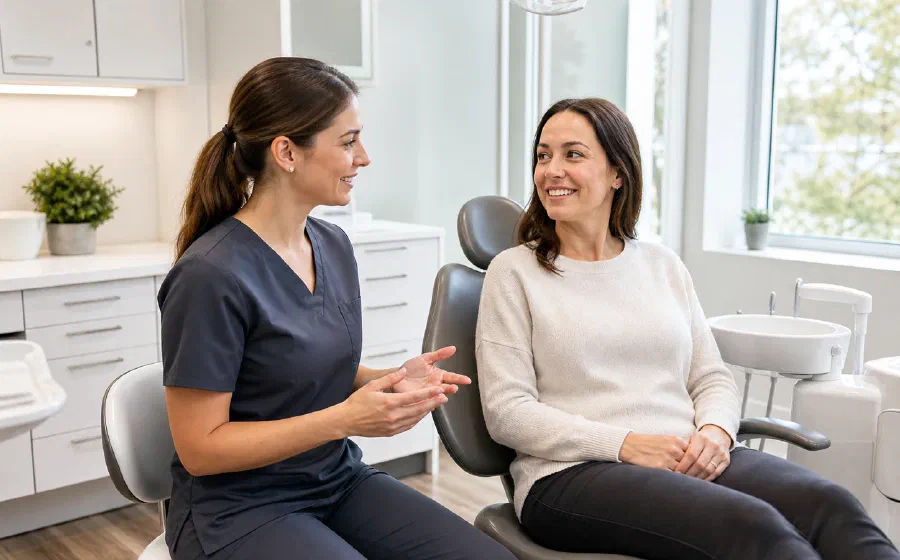
Dentist demonstrating the adjustment mechanism of a custom sleep appliance to an adult patient

Understanding the options

Two reasons for changing an appliance

A fit problem and a treatment-setting change require different decisions.

Improving fit and comfort

A pressure point, loose retention, or difficulty inserting the appliance may reflect the device, a new restoration, or changes in the teeth. The clinician examines the mouth and appliance before modifying it. Relieving a pressure area is not the same as changing the therapeutic jaw position, and both need to preserve safe retention.

Changing the prescribed advancement

An adjustable appliance may be advanced in planned stages according to the treating clinician’s instructions. Symptoms, tolerance, and the overall medical plan guide that process. The goal is an effective, tolerable setting that can be assessed, not the maximum available advancement or a setting copied from another person’s device.

Planning together

Bring a record of what has happened

Small details help distinguish adaptation from a setting or fit problem.

The device and the current setting

Bring all appliance components and any written instructions or adjustment log. Tell the clinician if you changed the setting, missed a period of use, or had a repair. If you do not know the current setting, say so; do not attempt to reset it from memory immediately before the visit.

Symptoms during the night and after removal

Describe tooth pressure, jaw soreness, dry mouth, changes in the bite, snoring, and daytime symptoms. Note whether discomfort settles or persists and whether one side is affected. Partner observations can be useful, but they cannot establish that apnea is adequately treated or identify the correct adjustment by themselves.

Step by step

A measured adjustment visit

The clinician checks the cause before altering the appliance.

  1. Inspect the mouth and the device

    The examination may include tooth stability, gum condition, jaw comfort, bite contacts, appliance seating, and the adjustment mechanism. A damaged component or an untreated dental problem may need attention before titration continues. Forcing a device onto changed teeth can create pressure without delivering the intended treatment safely.

  2. Make and document the appropriate change

    If an adjustment is suitable, the clinician explains its purpose and checks insertion, removal, and comfort afterward. You should know whether a change affects fit, advancement, or both. Any home adjustments should follow explicit instructions for your device, with a clear point for stopping and contacting the provider.

  3. Set the next review or testing step

    The plan should state how long to assess tolerance, what symptoms to report, and when another review is needed. Once an appropriate setting is reached, the medical team may arrange objective testing. A comfortable setting that has not been evaluated should not be described as proven effective solely on the basis of reduced snoring.

Good to know

Changes that should pause self-adjustment

Some symptoms need an examination rather than another turn of the mechanism.

Persistent jaw pain or a lasting bite change

New or worsening pain, restricted movement, or teeth that no longer meet as usual should be reported. Do not continue advancing the device through significant symptoms in the hope that you will simply adapt. The provider can advise whether use or adjustment should pause while the mouth and appliance are assessed.

Damage, poor seating, or loose teeth

A cracked device, unstable component, or appliance that will not fully seat may be unsafe or ineffective. Avoid forcing it, heating it, or bending parts yourself. If treatment is interrupted, contact the dental and sleep-care teams for an appropriate interim plan rather than substituting an ordinary nightguard or stopping other prescribed therapy independently.

Practical guidance

Keeping adjustment connected to sleep care

The dental setting is one part of a larger treatment plan.

Share meaningful changes with both teams

A change in weight, health, daytime sleepiness, or sleep symptoms may affect the medical assessment. The dental provider needs to know about new dental work or oral discomfort as well. Coordinated information helps determine whether the next step is an appliance adjustment, dental treatment, further testing, or a different therapeutic approach.

Keep a usable long-term record

Knowing the appliance model, setting, repair history, and response makes later care easier, especially if another clinician becomes involved. Bring the device to recommended reviews even when it seems to work well. Teeth, tissues, and components can change gradually, so ongoing checks remain useful after the initial titration is finished.

Frequently asked questions

Questions about sleep appliance adjustments

Can I adjust the appliance myself?

Only according to specific instructions from the clinician managing your device. Designs and adjustment limits differ. Do not copy an online schedule or keep advancing through pain, poor seating, or a persistent change in the bite.

Does moving the jaw farther always improve sleep apnea?

No. More advancement can increase oral or jaw problems and does not automatically provide a better result. The aim is an effective, tolerable setting, with objective medical follow-up rather than maximum advancement as the target.

What if snoring continues after an adjustment?

Tell the treating team. Snoring is useful information but does not independently establish whether apnea is controlled or which setting is appropriate. Further review, a planned adjustment, or sleep testing may be needed depending on the treatment stage.

Should I tolerate jaw pain while getting used to the device?

Persistent, significant, or worsening pain should be reported rather than pushed through. The clinician can assess fit, jaw position, and other causes and advise whether use or titration should pause while the problem is evaluated.

Can a new crown change the appliance fit?

Yes. A restoration can alter how the device seats or holds onto the teeth. Bring the appliance when planning dental work and arrange a fit review afterward if needed; do not force it over a changed tooth shape.

Will I need another sleep test after adjustments?

Follow-up testing is often part of confirming effectiveness once an appropriate setting is reached. The medical team determines the testing plan. Comfort and quieter sleep alone do not provide the same information as objective assessment.

What should I do if the adjustment mechanism breaks?

Stop manipulating it and contact the provider with the appliance details. Do not glue, bend, or improvise a replacement part. Ask about safe interim treatment if the device cannot be used while repair or replacement is arranged.

Real patient results

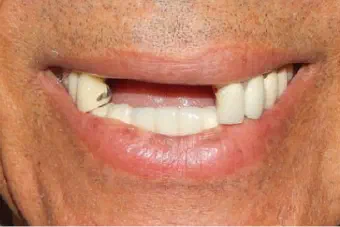
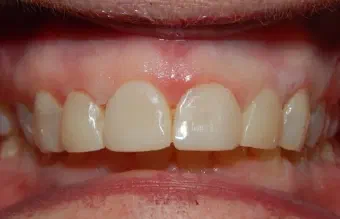
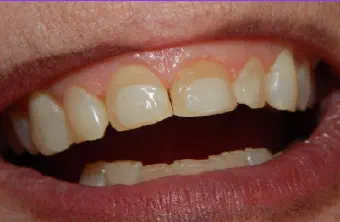
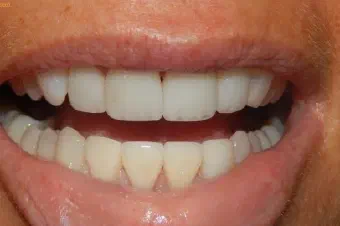
Before & after smile gallery.

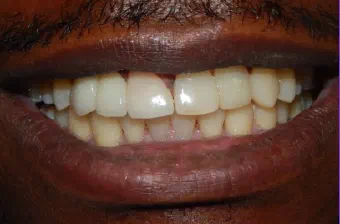
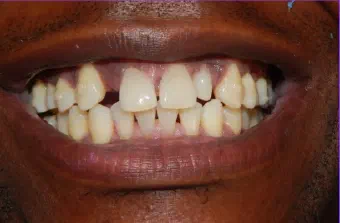
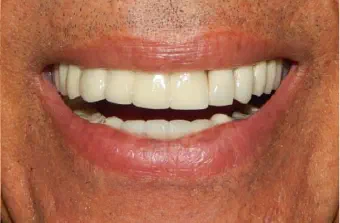
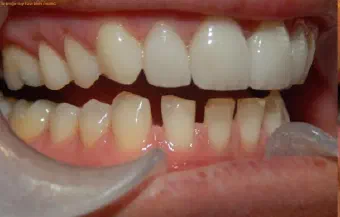
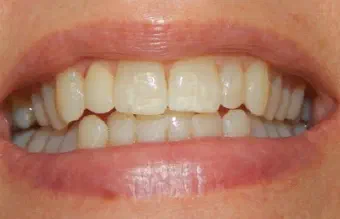
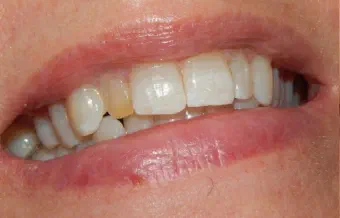
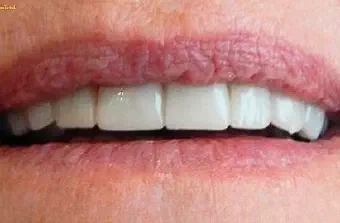
Drag the centre line to compare each real case treated by our dental team. Every smile begins with a personal assessment and a plan shaped around the patient.

Areas We Serve

Neighbourhood dental care, close to home.

Located in Cookstown, Innisfil, our dental team welcomes patients from communities across South Simcoe, Barrie, and northern York Region.

Get directions
  • Cookstown
  • Innisfil
  • Simcoe
  • Lake Simcoe
  • Alcona
  • Stroud
  • Lefroy–Belle Ewart
  • Gilford
  • Churchill
  • Sandy Cove
  • Innisfil Heights
  • Fennell’s Corners
  • Bradford
  • Bradford West Gwillimbury
  • Bond Head
  • Newton Robinson
  • New Tecumseth
  • Alliston
  • Beeton
  • Tottenham
  • Adjala–Tosorontio
  • Everett
  • Loretto
  • Barrie
  • Essa
  • Thornton
  • Baxter
  • Angus
  • Egbert
  • Ivy
  • Utopia
  • York Region
  • East Gwillimbury
  • Queensville
  • Holland Landing
  • Sharon
  • Schomberg
  • Nobleton

Don’t see your community listed? Contact us—we regularly welcome patients from throughout the surrounding region.

Google reviews

Kind words from our patients.

Read what patients have shared about their visits to Cookstown Dental Centre.

A dentist having a friendly consultation with a patient in a bright dental clinic

Your next step

Ready to feel good about your next dental visit?

Whether you are new to the clinic or returning for care, our team is here to make booking simple and answer your questions.

Call Book Now WhatsApp

How can we help?

The Cookstown Dental team is here for you.

Need an appointment, have a question, or want to talk through your options? Choose the next step that works best for you.

Send us a note

We’ll get back to you as soon as we can.