
Infection reaches the pulp
Decay, a fracture, or trauma creates a pathway to the nerve and blood supply inside the tooth.
Clinic hours
Plan your visit
Dental services
Understand how root canal treatment can address infection and help preserve your natural tooth.
Request an appointment
Root canal therapy near you
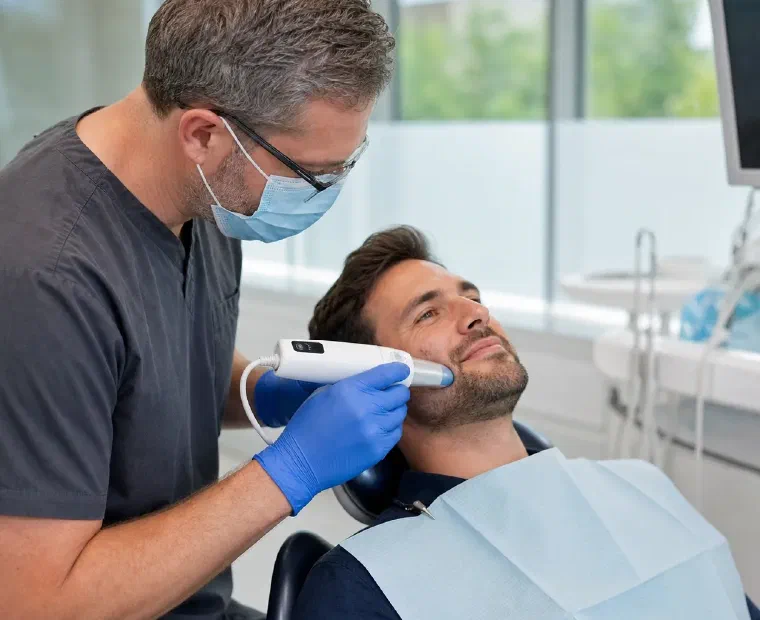
Whether you have tooth pain or were told you need root canal treatment, the purpose is straightforward: remove infection, relieve its source, and preserve a tooth that might otherwise need extraction.
Cookstown Dental Centre provides comfort-focused root canal treatment for patients from Cookstown, Innisfil, Barrie, Bradford, and nearby communities.
Treatment with a purpose
Address pain and infection while protecting your smile.
What is Root Canal Treatment?
Inside each tooth is a pulp chamber and narrow root canal system containing nerves, blood vessels, and connective tissue. Deep decay, a crack, repeated dental work, or injury can allow that tissue to become inflamed or infected.
Bacteria can then move through the roots into the surrounding bone, causing pain, swelling, or an abscess. Root canal therapy removes the damaged pulp, disinfects the internal space, and seals it to help prevent reinfection.
Decay, a fracture, or trauma creates a pathway to the nerve and blood supply inside the tooth.
Damaged pulp is removed and the canals are carefully shaped, cleaned, and disinfected.
Gutta-percha seals the canals, then a filling or crown rebuilds and protects the tooth above them.
Signs you might need treatment
Symptoms overlap with cracks, gum problems, sinus pressure, and other conditions. An examination and X-ray are needed to identify the source.
Seek prompt care for facial swelling, fever, difficulty swallowing or breathing, or rapidly worsening pain. These symptoms can indicate infection that needs urgent assessment.
How we do Root Canal Treatment
Treatment commonly takes one or two appointments, depending on the tooth, infection, number of canals, and complexity.
We identify the shape of the roots, look for infection around them, and confirm whether the tooth can be restored.
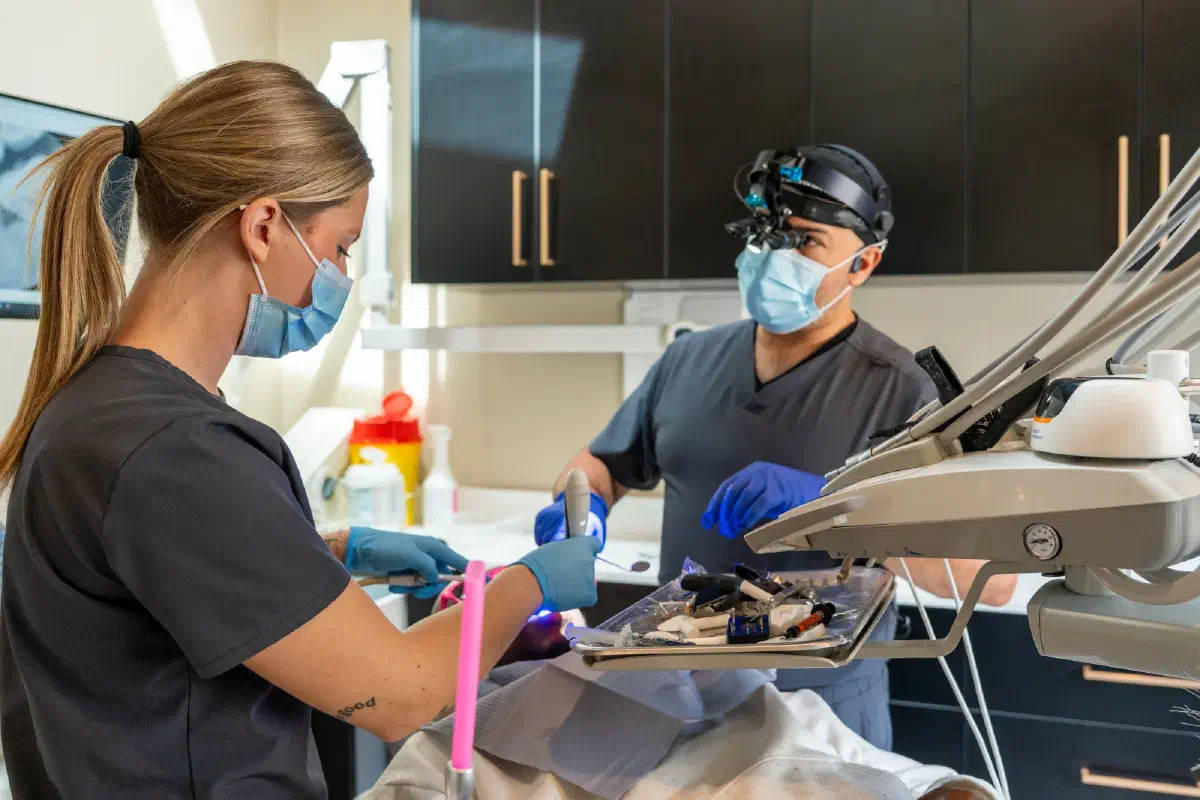
Local anesthetic keeps the area comfortable, and a dental dam protects the tooth from saliva during treatment.
An opening through the top of the tooth provides a controlled path into the pulp chamber and canals.
Fine instruments remove infected, injured, or dead tissue from inside the tooth and roots.
The canals are enlarged and rinsed so debris and bacteria can be removed from the internal system.
A rubber-like biocompatible material called gutta-percha fills the prepared canals and helps prevent reinfection.
The access is sealed with a temporary or permanent filling. Many back teeth then need a crown to reduce fracture risk.
Benefits of preserving the tooth
Root canal treatment addresses the infected interior while keeping the root and tooth position in place. That can avoid the open space and replacement planning created by extraction.
Preserves the root and avoids removing a tooth that can still be restored.
Removes damaged pulp and the source of many persistent toothaches.
Cleaning and sealing the canals addresses bacteria inside the root system.
Keeping the tooth helps preserve bite relationships and nearby tooth alignment.
After final restoration and healing, the tooth can resume everyday function.
Saving the tooth may be less involved than removing and replacing it.
Recovery after treatment
Mild tenderness when biting can be normal for several days, especially when the tooth was painful or infected before treatment. Symptoms should steadily improve.
Until the tooth is fully restored
A root-canal-treated tooth can be more vulnerable to fracture before its permanent filling or crown is complete. Avoid hard chewing on that tooth and keep every follow-up appointment.
Call us if you notice:
Why choose Cookstown Dental Centre?
Our dental team has experience providing root canal therapy and uses modern diagnostic and treatment methods to support careful care. We explain the diagnosis, treatment stages, restoration needs, alternatives, and expected recovery before proceeding.
We understand that tooth pain and dental treatment can feel stressful. Our goal is to create a calm, welcoming experience, answer your questions, and help address the source of discomfort as promptly as the situation requires.
Early assessment can improve the chance of preserving the tooth.
Do not wait for pain or swelling to control your day. Dr. Anwar Khalid and the Cookstown Dental Centre team can assess the tooth and explain the next step.
Schedule your Root Canal consultation
A focused examination can determine whether root canal treatment, another restorative option, or referral is appropriate.
Frequently asked questions
The tooth, canal anatomy, infection, and restoration plan determine the most accurate answers for your case.
Local anesthetic is used to numb the tooth and surrounding area. Most patients feel pressure rather than pain during treatment. Mild tenderness for several days afterward is common and should steadily improve.
Many treatments take one or two appointments of roughly 60–90 minutes. Timing varies with the tooth, number and shape of canals, infection, and complexity; some appointments may take longer.
Wait for numbness to wear off, choose softer foods initially, and avoid chewing on the treated tooth until its permanent filling or crown is complete. After restoration and healing, normal chewing can usually resume.
The American Association of Endodontists reports success rates above 90%. Outcomes still depend on tooth condition, anatomy, cracks, infection, restoration, healing, and ongoing care, so no individual result can be guaranteed.
Not every treated tooth needs a crown, but molars, premolars, and teeth with substantial structural loss commonly need protective coverage because they carry heavy chewing forces.
Occasionally. New decay, leakage, cracks, missed anatomy, or restoration problems can allow reinfection. Retreatment, endodontic surgery, or extraction may then be considered.
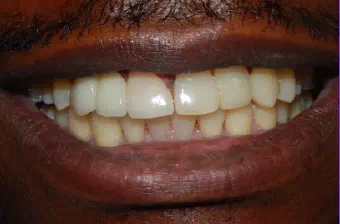
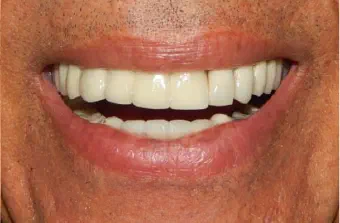
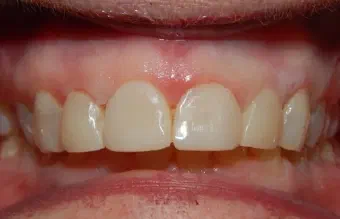
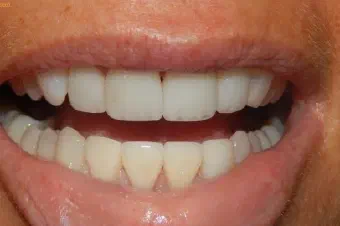
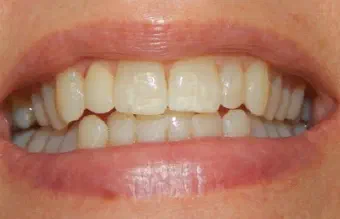
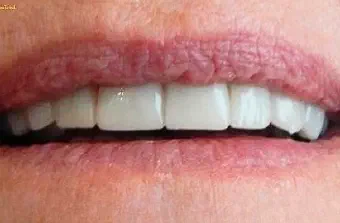
Real patient results
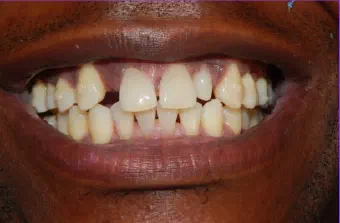
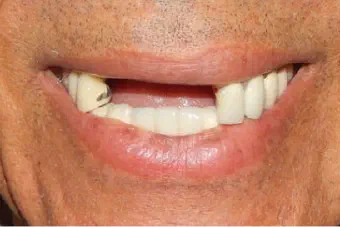
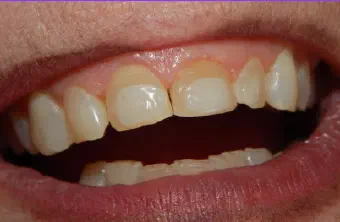
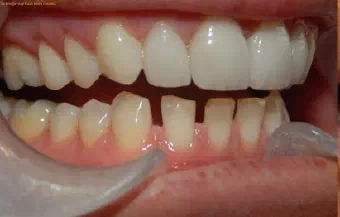
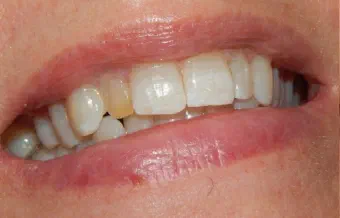
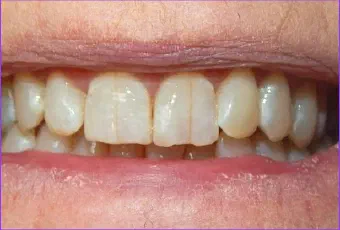
Drag the centre line to compare each real case treated by our dental team. Every smile begins with a personal assessment and a plan shaped around the patient.
Areas We Serve
Located in Cookstown, Innisfil, our dental team welcomes patients from communities across South Simcoe, Barrie, and northern York Region.
Don’t see your community listed? Contact us—we regularly welcome patients from throughout the surrounding region.
Google reviews
Read what patients have shared about their visits to Cookstown Dental Centre.

Your next step
Whether you are new to the clinic or returning for care, our team is here to make booking simple and answer your questions.