Cookstown Dental Centre
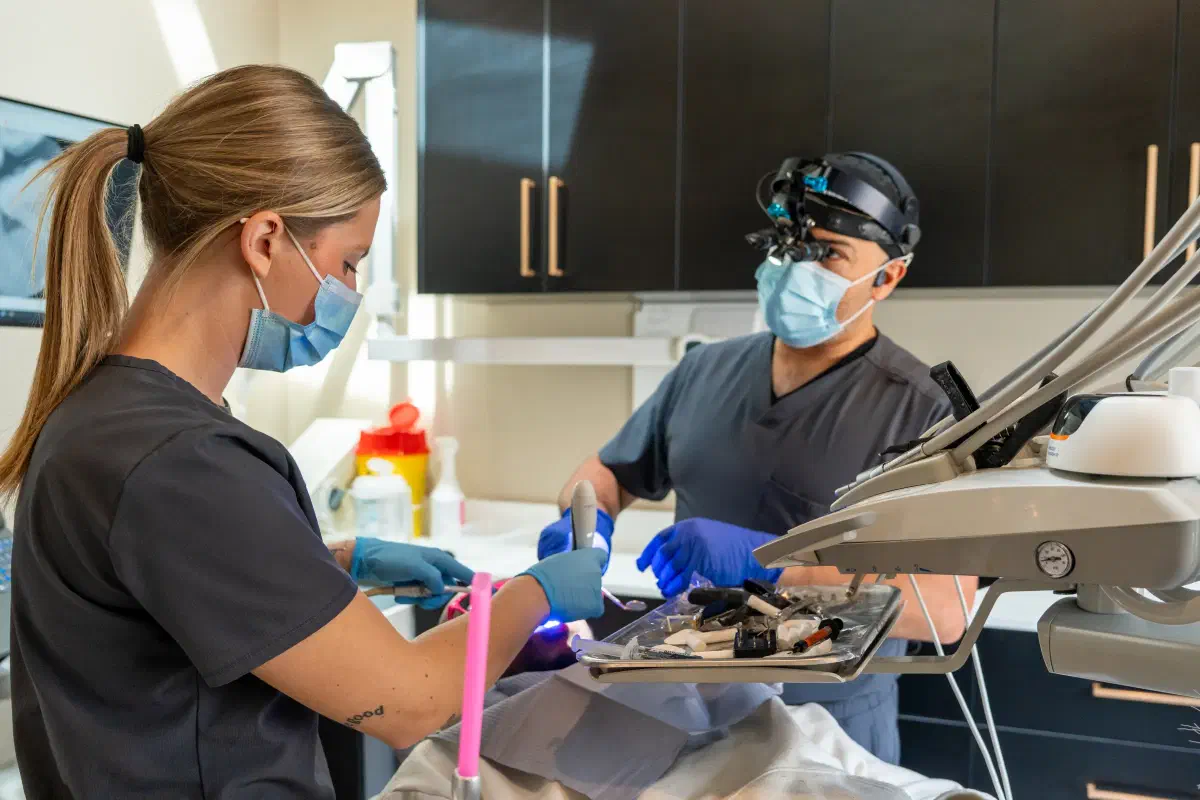
The Cookstown Dental Centre team caring for a patient in a treatment room

General & Family Dentistry · Cookstown

A familiar check-in, with attention to what has changed.

Understand how recall examinations review your teeth, gums, dental work, and risk over time, with a visit interval based on your needs.

Request an appointment

Let’s find a time that works.

Need urgent dental help? Call (705) 291-2222.

Recall Dental Examinations in Cookstown

Regular review is about comparison, not repetition.

A recall dental examination is a return visit to assess oral health and compare current findings with the record already established. It is a chance to review monitored areas, check existing treatment, and discuss symptoms or health changes since your last appointment. Even when your mouth feels comfortable, that comparison can be useful.

At Cookstown Dental Centre, the recall plan should reflect your needs rather than assume that every patient requires the same interval or the same images at each visit. Tell the team what has changed in your mouth and daily life. The outcome should be a clear explanation of what remains stable, what needs attention, and when to review it again.


A dentist comparing dental images with a returning patient

Understanding the details

Review the areas that make up your dental history.

A useful return examination considers both new concerns and the findings already being followed. Ask how today’s assessment compares with previous visits.

Teeth and existing restorations

The dentist checks relevant tooth surfaces and dental work for changes that may need monitoring or treatment. Mention food trapping, a rough edge, sensitivity, or a different bite. A restoration’s age alone does not determine whether it should be replaced; the current condition and clinical findings matter.

Gums and supporting tissues

Gum findings and any previous periodontal treatment help guide the review. Ask whether measurements or inflammation have changed and how that affects maintenance. A mouth that feels clean may still need attention to the supporting tissues, so comfort alone is not the complete measure of stability.

Oral tissues and other concerns

The examination may include relevant soft tissues, bite, and other areas based on your history and symptoms. Report persistent sores, lumps, or changes in feeling rather than waiting to be asked. Some concerns require further assessment or referral beyond the scope of a routine recall visit.

Practical guidance

Bring the changes that the record cannot show.

Your observations help the dentist interpret the examination. A short update can be more useful than saying everything is the same when daily circumstances have shifted.

New symptoms or habits

Mention when a symptom occurs, how long it lasts, and whether it is becoming more frequent. Include clenching concerns, altered chewing, dryness, or a change in cleaning ability. Do not wait for a symptom to become severe before mentioning it at a scheduled review.

Health and medication updates

Tell the team about new medicines, medical treatment, pregnancy, or surgery. These changes may affect prevention or procedural planning even when your teeth feel unchanged. Bring an updated list rather than assuming that information shared with another healthcare office automatically reaches the dental clinic.

What happened with the previous advice

Explain which recommendations you used and which were difficult. If a tool was uncomfortable or a product was too expensive, say so. The recall visit can refine the plan rather than simply repeat it. Feedback about real use is part of assessing whether the approach is suitable.

At your appointment

Make the next decision clear.

At the end of the review, you should understand the status of the findings and the reason for any new recommendation.

  1. Identify stability and change

    Ask the dentist to distinguish areas that remain healthy or unchanged from new findings. If something has progressed, ask what evidence supports that conclusion. A comparison is useful when it explains why the plan stays the same or why a different approach is now recommended.

  2. Discuss treatment or monitoring

    Some findings require intervention; others can be followed with a defined review plan. Ask about benefits, alternatives, and the implications of waiting. Monitoring should include what is being watched and when it will be reassessed, rather than a vague instruction to return only if it hurts.

  3. Set the next interval

    The timing of recall, hygiene care, and any specific review may differ. Ask what each appointment is for. Your risk and findings guide clinical recommendations, while scheduling and coverage can be discussed separately so the plan remains realistic and understandable.

Careful decisions

A recall date is not a reason to wait with a new problem.

Routine review and urgent assessment serve different purposes. Contact the clinic when symptoms change rather than assuming that the next booked examination is always soon enough.

Call about active concerns

A broken tooth, swelling, persistent pain, or a new oral lesion may need earlier assessment. Describe the symptoms and their timing when you call. The team can decide whether a focused appointment should come before the routine visit and whether the existing booking needs to change.

Keep imaging individualized

X-rays are selected for clinical need, not automatically repeated in the same set at every recall. Tell the team about images taken elsewhere. Ask what a proposed image will help assess and whether existing suitable records can answer the question without unnecessary duplication.

Frequently asked questions

Your questions about recall dental examinations.

Is recall the same as a cleaning?

No. A recall examination reviews oral health and findings over time. A cleaning removes deposits and supports maintenance. They may be scheduled together, but the scope should be confirmed. Ask whether your booking includes both or whether separate appointments are recommended.

Does everyone need a six-month checkup?

Not necessarily. The appropriate interval depends on risk, disease history, current findings, and the purpose of follow-up. Ask why a particular timing is recommended for you. A specific treatment review may be needed sooner than the next general recall examination.

Will I need X-rays every time?

No automatic rule applies to every visit. The dentist considers your history, examination, risk, and available images. A recommended radiograph should answer a clinical question. Ask what needs to be assessed and whether suitable recent records from another office would be useful.

Why return if nothing hurts?

Some dental changes may not cause symptoms early. Review also checks the condition of existing treatment and monitored areas. The value is in assessing your individual situation over time, not assuming that lack of pain proves every tooth and supporting tissue is unchanged.

What if I missed my recommended recall date?

Contact the clinic and explain any symptoms or changes since the last visit. The team can plan an appropriate appointment and update the assessment. A missed interval does not tell you what treatment is needed; current findings are the starting point for deciding what comes next.

Can I ask for a longer interval?

Discuss your preference and the reason for the recommendation with the dentist. You should understand the potential consequences of less frequent review for your findings. Scheduling, cost, and coverage can be considered, but the decision should include the clinical risks rather than calendar convenience alone.

What should I report between recall visits?

Contact the team about new pain, swelling, damage, persistent sores, or another significant change. Update medicines and medical treatment before planned procedures. A routine appointment already on the calendar should not prevent an earlier conversation when your needs have changed.

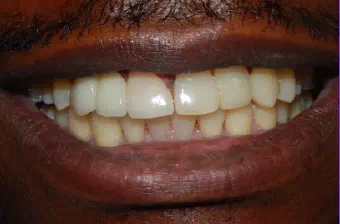
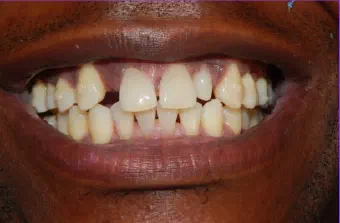
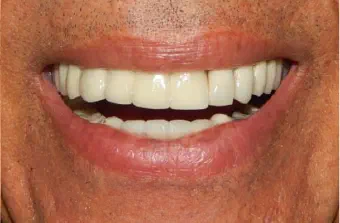
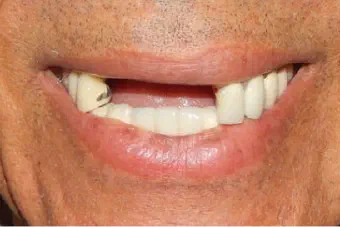
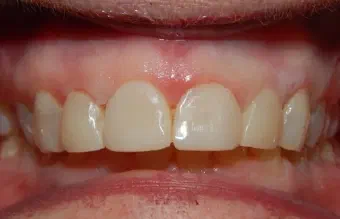
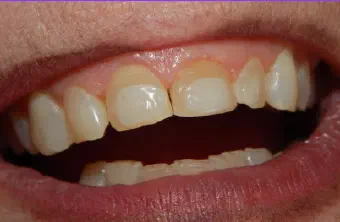
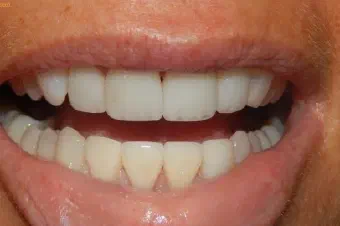
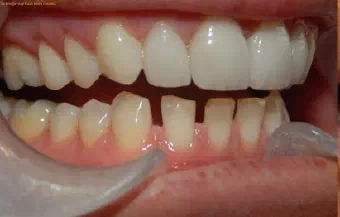
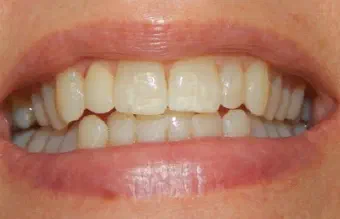
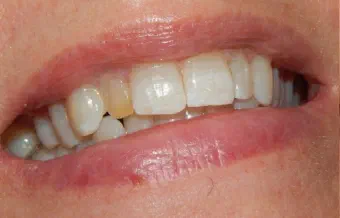
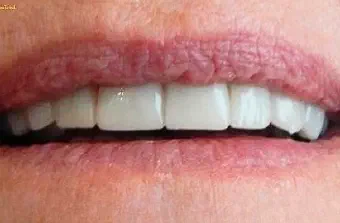
Real patient results

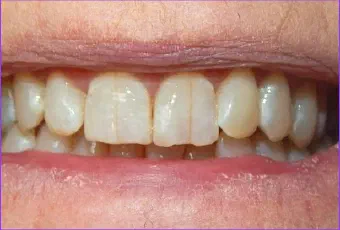
Before & after smile gallery.

Drag the centre line to compare each real case treated by our dental team. Every smile begins with a personal assessment and a plan shaped around the patient.

Areas We Serve

Neighbourhood dental care, close to home.

Located in Cookstown, Innisfil, our dental team welcomes patients from communities across South Simcoe, Barrie, and northern York Region.

Get directions
  • Cookstown
  • Innisfil
  • Simcoe
  • Lake Simcoe
  • Alcona
  • Stroud
  • Lefroy–Belle Ewart
  • Gilford
  • Churchill
  • Sandy Cove
  • Innisfil Heights
  • Fennell’s Corners
  • Bradford
  • Bradford West Gwillimbury
  • Bond Head
  • Newton Robinson
  • New Tecumseth
  • Alliston
  • Beeton
  • Tottenham
  • Adjala–Tosorontio
  • Everett
  • Loretto
  • Barrie
  • Essa
  • Thornton
  • Baxter
  • Angus
  • Egbert
  • Ivy
  • Utopia
  • York Region
  • East Gwillimbury
  • Queensville
  • Holland Landing
  • Sharon
  • Schomberg
  • Nobleton

Don’t see your community listed? Contact us—we regularly welcome patients from throughout the surrounding region.

Google reviews

Kind words from our patients.

Read what patients have shared about their visits to Cookstown Dental Centre.

A dentist having a friendly consultation with a patient in a bright dental clinic

Your next step

Ready to feel good about your next dental visit?

Whether you are new to the clinic or returning for care, our team is here to make booking simple and answer your questions.

Call Book Now WhatsApp

How can we help?

The Cookstown Dental team is here for you.

Need an appointment, have a question, or want to talk through your options? Choose the next step that works best for you.

Send us a note

We’ll get back to you as soon as we can.