Cookstown Dental Centre
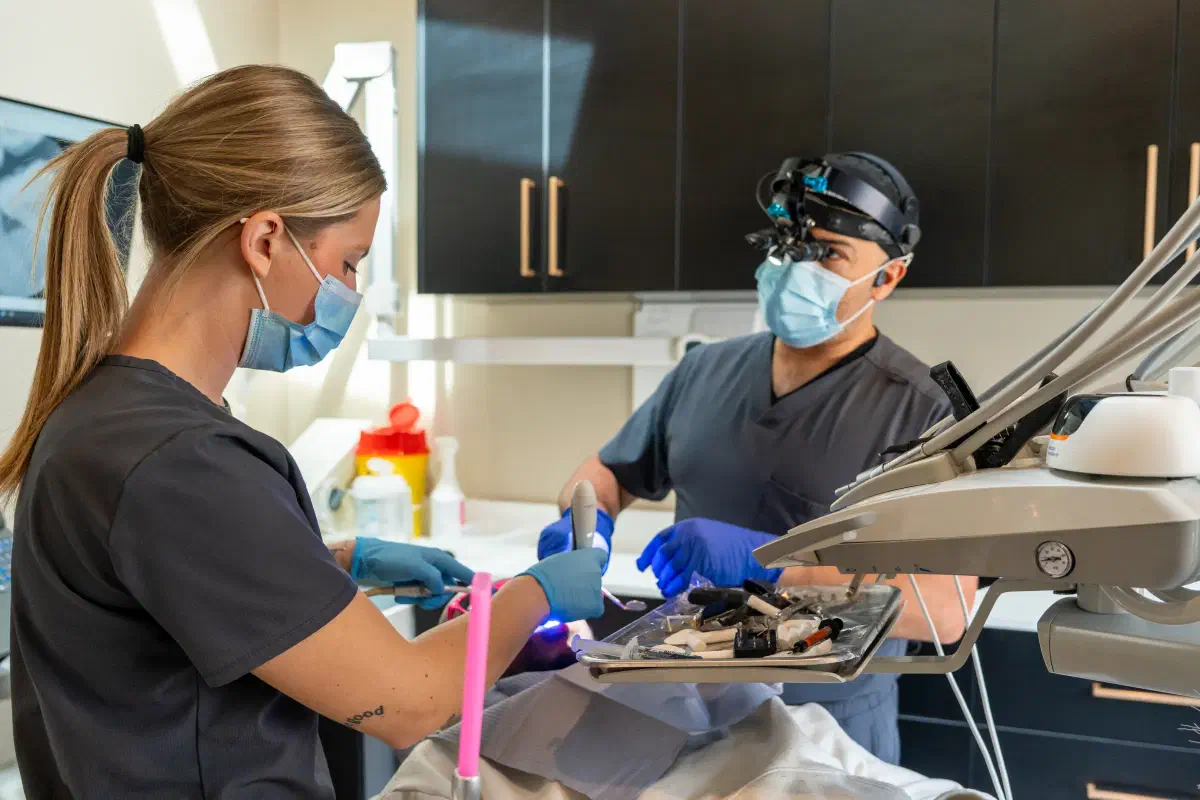
The Cookstown Dental Centre team caring for a patient in a treatment room

Cosmetic Dentistry · Cookstown

Choose a whitening plan around your teeth and expectations.

Professional teeth whitening starts with the cause of discolouration. Compare supervised options, sensitivity planning, shade limits, and care for the result.

Request an appointment

Let’s find a time that works.

Need urgent dental help? Call (705) 291-2222.

Professional Teeth Whitening in Cookstown

A brighter shade should begin with a healthy mouth and a realistic target.

Professional teeth whitening uses a clinically selected bleaching approach to change the colour of suitable natural teeth. It differs from removing surface deposits during a cleaning, and it does not whiten crowns, veneers, or fillings in the same way. The starting shade, type of discolouration, existing restorations, and sensitivity history all influence whether whitening is a useful choice.

At Cookstown Dental Centre, we discuss what you want to change and assess concerns that should be addressed first. The plan may involve a supervised home approach or another appropriate option, depending on the services and method agreed after assessment. A shade guide can support the conversation, but no fixed level of whiteness or permanent result should be promised. Timing and maintenance also matter, especially if visible restorations are part of your smile.

A dentist and patient comparing tooth shades while discussing professional whitening

What we consider

Identify what whitening can reasonably change.

Colour is not a single diagnosis. Different starting conditions can lead to different expectations.

Natural tooth shade and staining

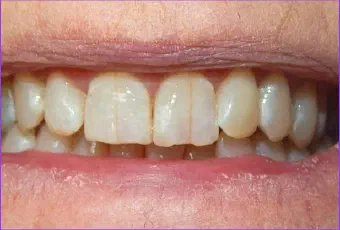
Yellowing and other discolouration can respond differently depending on their cause and depth. The dentist assesses whether cleaning, bleaching, or another approach is relevant. A photograph of someone else’s result is not a reliable forecast for your teeth, even when the starting colour appears similar.

Existing fillings, crowns, and veneers

Restorative materials do not lighten like natural teeth with bleaching. A visible restoration may become more noticeable if surrounding teeth change shade. Discuss that possibility before starting, including whether accepting a difference or planning later restorative work would be appropriate and what additional maintenance that choice involves.

One tooth that looks different

A single dark tooth, particularly after injury or root canal treatment, needs its own assessment. General whitening may not address the underlying cause or produce an even match. The clinician explains whether the tooth requires further investigation or a different colour-management approach rather than simply stronger bleaching.

Understanding the options

Compare methods by supervision and suitability.

The proposed product, application, and schedule should be clear. More intense treatment is not automatically a better match.

A supervised home approach

Where suitable, a prescribed home system allows treatment within a clinician-directed plan. Instructions should cover application, wear, cleaning, and what to do if discomfort develops. The appliance and product need to fit your situation; do not substitute an unrelated gel or extend exposure because progress seems slower than expected.

Other professional options

A different supervised approach may be considered according to the assessment and available service. Ask about expected stages, sensitivity, costs, and the evidence behind any claimed advantage. A light, device, or fast appointment label alone does not establish that the result will be better or longer lasting for your teeth.

Step by step

Plan the sequence before chasing a shade.

Whitening works best as a considered part of dental care, particularly when other cosmetic treatment is being discussed.

  1. Assess and prepare

    Review oral health, symptoms, restorations, and the type of discolouration. Any indicated cleaning or treatment can be planned first. Tell the dentist about previous whitening reactions, current sensitivity, and upcoming events so the proposed timing allows for assessment and adjustment rather than an urgent push toward a deadline.

  2. Follow the prescribed course

    Use the agreed method and report irritation or tooth sensitivity. The clinician may recommend a change or pause after assessing the problem. Do not combine several products or increase treatment frequency independently; more exposure can increase discomfort without guaranteeing the colour change you want.

  3. Review colour and next steps

    The result and comfort are reassessed at an appropriate time. If bonding or another visible restoration is planned, its timing and shade selection need coordination. Discuss maintenance based on the actual outcome and oral health rather than assuming the initial course should be repeated on a fixed self-selected schedule.

Practical guidance

Look after the result without treating whitening as daily maintenance.

A sustainable routine supports oral health and helps you notice when a new concern needs assessment.

Keep routine dental care central

Brush and clean between teeth as advised, and attend recommended examinations and hygiene care. Whitening does not remove the need to manage decay, gum inflammation, or deposits. A brighter appearance should not be used as evidence that a painful tooth or bleeding area is healthy.

Expect some future colour change

Diet, tobacco, ageing, and other factors can affect colour over time. Discuss realistic maintenance and any review before further bleaching. A result is not necessarily a failure because the shade changes later, and repeated treatment should be based on suitability rather than a promise of permanent whiteness.

Reassess before changing the method

Contact the clinic if one tooth darkens, sensitivity persists, or you want to intensify treatment. These concerns may need a new examination. Keep the product and instructions available so the clinician can assess what has been used instead of trying to infer the cause from colour alone.

Frequently asked questions

Questions about professional teeth whitening

How white can my teeth become?

The response depends on the starting shade, cause of discolouration, and individual teeth. A clinician can discuss a realistic goal but cannot promise an exact shade. Existing restorations may also limit how uniform the overall smile appears.

Will whitening change my crowns or fillings?

Bleaching does not lighten restorative materials like natural enamel and dentine. A colour mismatch may become more apparent. Discuss visible dental work before treatment so any later restoration decision is planned rather than an unexpected consequence of whitening.

Does professional whitening hurt?

Some people experience temporary sensitivity or tissue irritation. Tell the clinician about existing symptoms and report new discomfort during treatment. The plan may need adjustment, and persistent or localized pain should be assessed rather than assumed to be a normal whitening effect.

How long will the result last?

There is no universal duration. Starting colour, habits, ageing, and maintenance affect later shade changes. Ask about review and appropriate touch-ups for your situation instead of treating a general estimate as a guarantee of permanent colour.

Can I whiten before getting a veneer or bonding?

The sequence should be discussed before either procedure. Natural tooth colour changes can affect the shade chosen for a restoration, and timing may influence bonding plans. The dentist coordinates the stages according to the materials and treatment involved.

Is a stronger gel always more effective?

A higher concentration or longer exposure is not automatically better for your situation and may increase sensitivity or irritation. Use the prescribed method and discuss progress with the clinician. Do not intensify the course independently to reach a deadline.

Can whitening fix a tooth that darkened after an injury?

That tooth needs assessment of its condition and the cause of discolouration. General external whitening may not be the appropriate answer. The dentist explains whether further investigation, internal bleaching in a suitable root-treated tooth, or another approach should be considered.

Real patient results

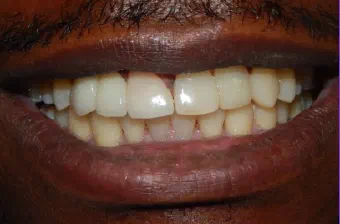
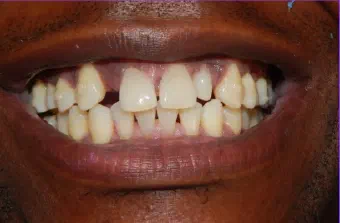
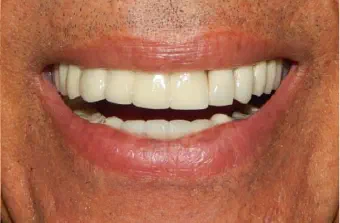
Before & after smile gallery.

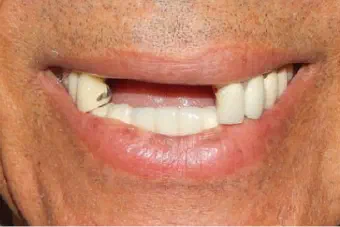
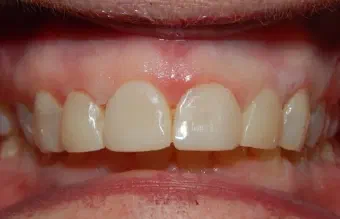
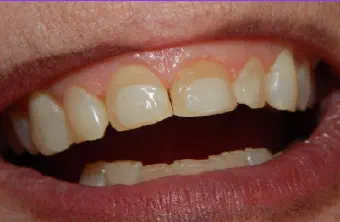
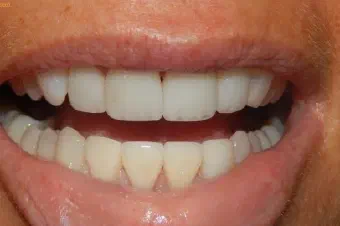
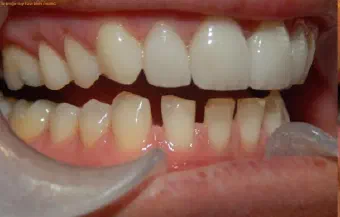
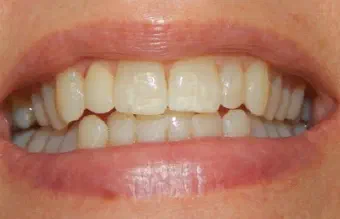
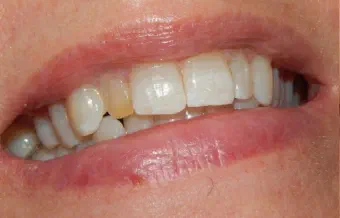
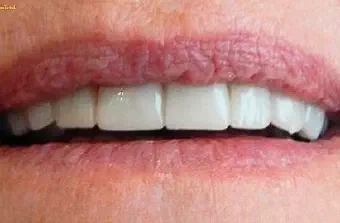
Drag the centre line to compare each real case treated by our dental team. Every smile begins with a personal assessment and a plan shaped around the patient.

Areas We Serve

Neighbourhood dental care, close to home.

Located in Cookstown, Innisfil, our dental team welcomes patients from communities across South Simcoe, Barrie, and northern York Region.

Get directions
  • Cookstown
  • Innisfil
  • Simcoe
  • Lake Simcoe
  • Alcona
  • Stroud
  • Lefroy–Belle Ewart
  • Gilford
  • Churchill
  • Sandy Cove
  • Innisfil Heights
  • Fennell’s Corners
  • Bradford
  • Bradford West Gwillimbury
  • Bond Head
  • Newton Robinson
  • New Tecumseth
  • Alliston
  • Beeton
  • Tottenham
  • Adjala–Tosorontio
  • Everett
  • Loretto
  • Barrie
  • Essa
  • Thornton
  • Baxter
  • Angus
  • Egbert
  • Ivy
  • Utopia
  • York Region
  • East Gwillimbury
  • Queensville
  • Holland Landing
  • Sharon
  • Schomberg
  • Nobleton

Don’t see your community listed? Contact us—we regularly welcome patients from throughout the surrounding region.

Google reviews

Kind words from our patients.

Read what patients have shared about their visits to Cookstown Dental Centre.

A dentist having a friendly consultation with a patient in a bright dental clinic

Your next step

Ready to feel good about your next dental visit?

Whether you are new to the clinic or returning for care, our team is here to make booking simple and answer your questions.

Call Book Now WhatsApp

How can we help?

The Cookstown Dental team is here for you.

Need an appointment, have a question, or want to talk through your options? Choose the next step that works best for you.

Send us a note

We’ll get back to you as soon as we can.