
Cookstown Dental Centre
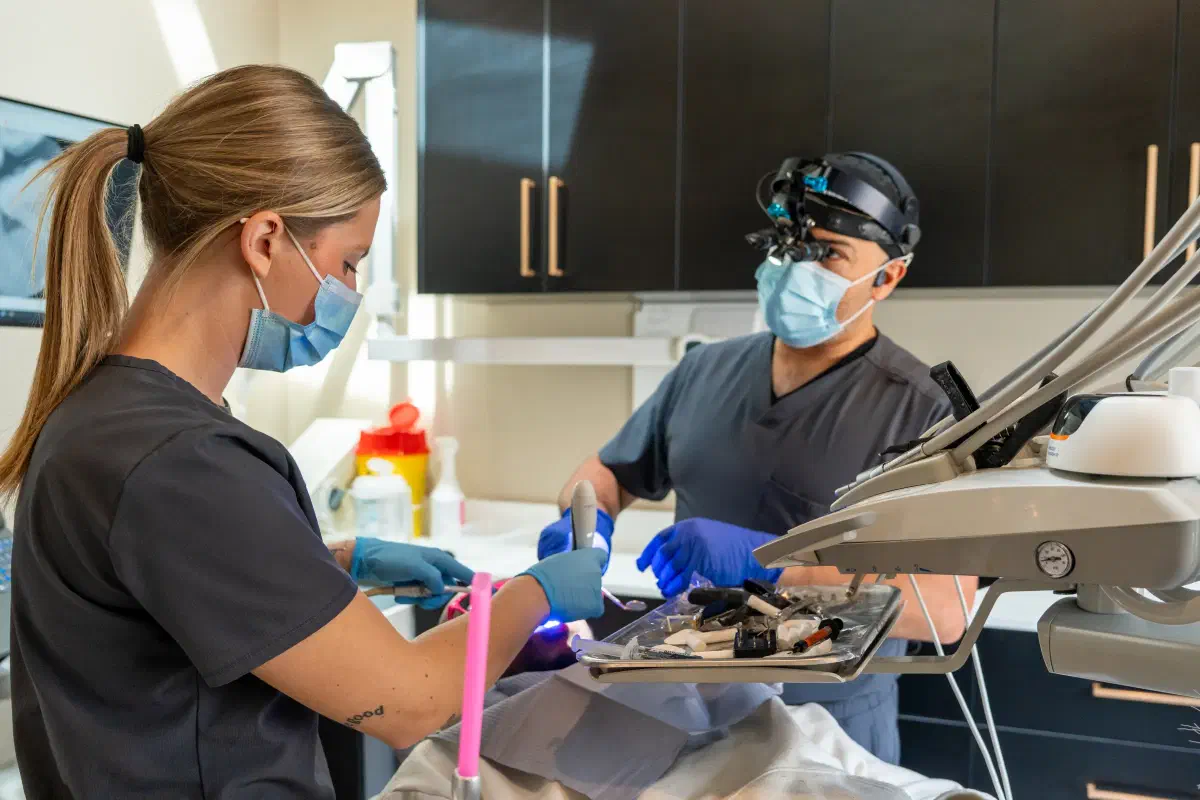
The Cookstown Dental Centre team caring for a patient in a treatment room

General & Family Dentistry · Cookstown

Remove the deposits your toothbrush cannot.

Learn what professional cleaning involves, how scaling differs from polishing, and how your gum condition shapes the care and follow-up you need.

Request an appointment

Let’s find a time that works.

Need urgent dental help? Call (705) 291-2222.

Professional Teeth Cleaning in Cookstown

A cleaner mouth begins with the right assessment.

Professional teeth cleaning removes plaque and hardened deposits using dental instruments and appropriate techniques. It can also address selected surface stain. The amount and type of care depend on the deposits present, the condition of your gums, and your treatment history, so a cleaning is not an identical procedure for every patient.

At Cookstown Dental Centre, tell the team about sensitivity, bleeding, or an area that is difficult to clean. The appointment should connect the professional work with practical care at home. A fresh feeling is welcome, but the larger goal is to address the findings appropriately and help you understand what maintenance or further treatment is needed.

A hygienist using dental instruments during a professional cleaning

Two parts of the picture

Scaling and polishing do different things.

These terms are often used together, but they describe different parts of care. Ask which steps are appropriate for your mouth and why.

Scaling removes deposits

Scaling uses suitable instruments to remove calculus and other deposits from tooth surfaces. Hardened calculus cannot be reliably removed by ordinary brushing at home. The clinician selects the approach based on the area and findings. Do not try to scrape deposits yourself with sharp tools, which can injure tissues or damage surfaces.
Polishing addresses selected surface stain

Polishing may be used for appropriate surface deposits or staining. It does not replace scaling where hardened deposits are present and is not the same as whitening. Some colour is within the tooth or related to a restoration, so not every dark area will disappear with polishing.

Your care, step by step

A cleaning planned around the findings.

The appointment may vary in length and scope. The team can explain whether all appropriate care can be completed in one visit or whether further appointments are needed.

  1. Review comfort and health

    Update medicines and medical history, and describe sensitive teeth, bleeding, or jaw fatigue. Ask about a pause signal and any comfort measures. If a tooth has new or persistent pain, it may need a dentist’s assessment rather than assuming cleaning alone will resolve it.

  2. Remove deposits with an appropriate technique

    The clinician works through the areas needing care, using hand or powered instruments as suitable. Sensations can include pressure, vibration, or water depending on the method. Speak up if you are uncomfortable so the approach can be reviewed instead of trying to endure increasing discomfort.

  3. Explain findings and aftercare

    Ask which areas had more buildup, what the gum findings mean, and how to clean the difficult spots. Follow any specific instructions after additional preventive treatment. The team can discuss expected short-term sensations and when symptoms should be reported rather than assumed to be normal.

What matters most

The right cleaning depends on the mouth being treated.

A standard appointment may not be sufficient when disease or particular dental work changes the requirements. The diagnosis and treatment goals should be clear.

When gum disease needs focused care

Periodontal concerns may require a more detailed treatment plan and reassessment, not just a polish. The dentist and hygienist can explain the measurements and findings that support the recommendation. Ask how the proposed care differs from routine maintenance and whether referral or additional visits are needed.

When dental work needs particular attention

Implants, bridges, orthodontic appliances, and exposed roots can create different cleaning requirements. Tell the team about restorations placed elsewhere and where food collects. Appropriate instruments and home-care advice should reflect the surfaces and access in your mouth.

When stain is your main concern

Explain what you hope will look different after cleaning. The team can distinguish removable surface stain from tooth colour, decay, or a restoration issue. This helps set realistic expectations and avoids confusing routine cleaning with a separate cosmetic procedure.

Plan with confidence

Keep the result supported between visits.

Professional care and daily cleaning work together. The most useful advice addresses the areas that needed attention during your appointment.

Practise the difficult technique

Ask for a demonstration using a mirror or model. If floss or an interdental brush is hard to control, explain what happens. A tool that fits the space and your abilities is more useful than one chosen only because it is marketed as advanced.

Use products for a clear reason

Know what any recommended toothpaste or rinse is intended to do and how to use it. More products are not always better. Follow the instructions supplied, especially after fluoride or another procedure, and contact the clinic if they are unclear.

Agree on the next review

The interval depends on buildup, gum condition, risk, and previous response to care. Ask what the team will reassess next time. If cost or scheduling affects attendance, discuss priorities rather than waiting until symptoms develop or assuming that insurance timing is the only relevant guide.

Frequently asked questions

Your questions about professional teeth cleaning.

Will cleaning make my teeth white?

Removing surface stain can change appearance, but cleaning does not alter all natural tooth colour or the colour of restorations. Whitening is a different procedure. Ask what is likely to improve with cleaning and whether a particular dark area needs assessment rather than polishing.

Can I remove tartar at home?

Hardened deposits need professional assessment and appropriate removal. Avoid scraping with metal tools or using unverified products that promise to dissolve buildup. Home brushing and interdental cleaning help control new plaque, but they do not make aggressive self-scaling a safe substitute for professional care.

Does a cleaning hurt?

Comfort varies with sensitivity, inflammation, and the care required. Tell the clinician about concerns before treatment and use the agreed pause signal. The team can discuss the approach and appropriate comfort options. New or persistent tooth pain should be assessed rather than attributed automatically to cleaning.

Why might I need more than one visit?

The amount of deposits, gum condition, appointment tolerance, and treatment goals can affect how care is scheduled. Ask what each visit is intended to complete and whether the plan includes periodontal treatment or routine maintenance. More than one appointment should have an understandable clinical reason.

Is some sensitivity afterwards possible?

Some people notice temporary sensitivity or tenderness, but the team should explain what is expected for the care provided. Follow the advice given and report severe, worsening, or persistent symptoms. Do not assume that every new pain after a cleaning is harmless or has the same cause.

Can I eat straight after the appointment?

That depends on whether you received fluoride, local anaesthetic, or another treatment as part of the visit. Follow the product- and procedure-specific instructions supplied. Ask before leaving if you are unsure; there is no single eating rule that covers every cleaning appointment.

How do I know when to book the next cleaning?

Ask for an interval based on your gum findings, deposits, and maintenance needs. The recommended timing may change after treatment or a health change. Keep examinations and other follow-up in the plan as well, since cleaning alone does not assess every possible dental concern.

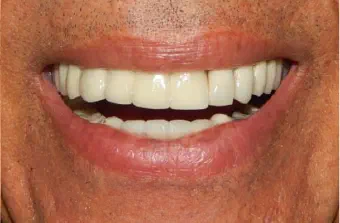
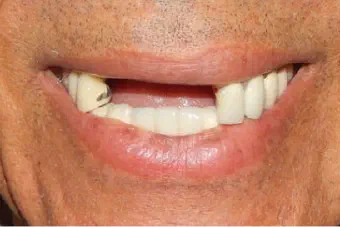
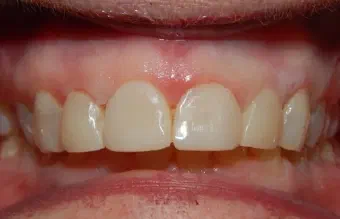
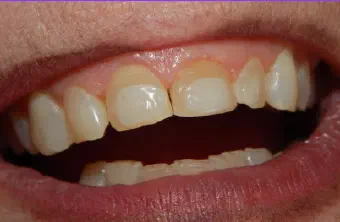
Real patient results

Before & after smile gallery.

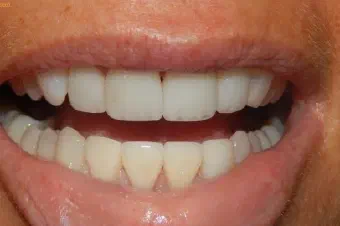
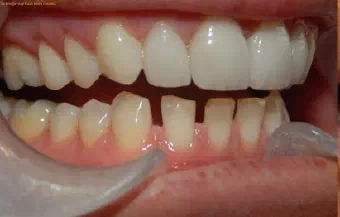
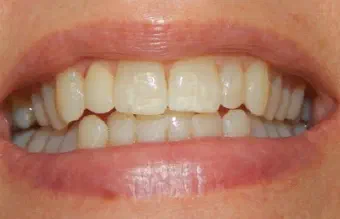
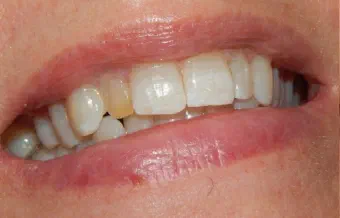
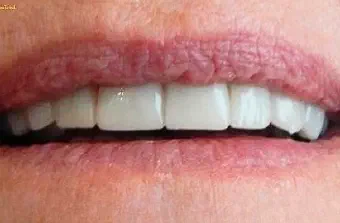
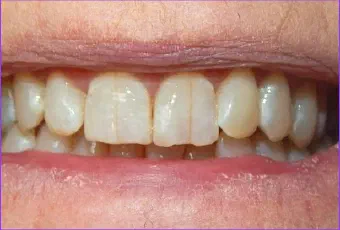
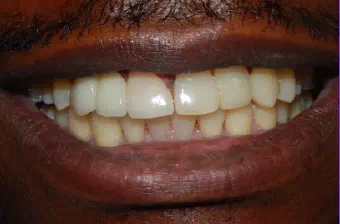
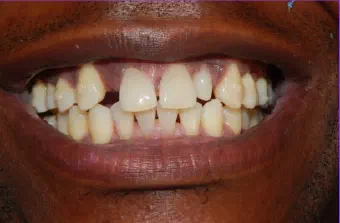
Drag the centre line to compare each real case treated by our dental team. Every smile begins with a personal assessment and a plan shaped around the patient.

Areas We Serve

Neighbourhood dental care, close to home.

Located in Cookstown, Innisfil, our dental team welcomes patients from communities across South Simcoe, Barrie, and northern York Region.

Get directions
  • Cookstown
  • Innisfil
  • Simcoe
  • Lake Simcoe
  • Alcona
  • Stroud
  • Lefroy–Belle Ewart
  • Gilford
  • Churchill
  • Sandy Cove
  • Innisfil Heights
  • Fennell’s Corners
  • Bradford
  • Bradford West Gwillimbury
  • Bond Head
  • Newton Robinson
  • New Tecumseth
  • Alliston
  • Beeton
  • Tottenham
  • Adjala–Tosorontio
  • Everett
  • Loretto
  • Barrie
  • Essa
  • Thornton
  • Baxter
  • Angus
  • Egbert
  • Ivy
  • Utopia
  • York Region
  • East Gwillimbury
  • Queensville
  • Holland Landing
  • Sharon
  • Schomberg
  • Nobleton

Don’t see your community listed? Contact us—we regularly welcome patients from throughout the surrounding region.

Google reviews

Kind words from our patients.

Read what patients have shared about their visits to Cookstown Dental Centre.

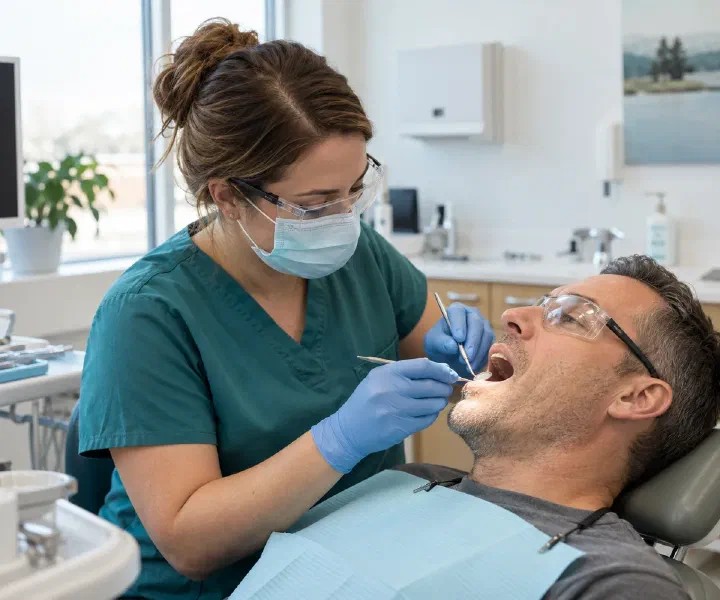
A dentist having a friendly consultation with a patient in a bright dental clinic

Your next step

Ready to feel good about your next dental visit?

Whether you are new to the clinic or returning for care, our team is here to make booking simple and answer your questions.

Call Book Now WhatsApp

How can we help?

The Cookstown Dental team is here for you.

Need an appointment, have a question, or want to talk through your options? Choose the next step that works best for you.

Send us a note

We’ll get back to you as soon as we can.