Cookstown Dental Centre
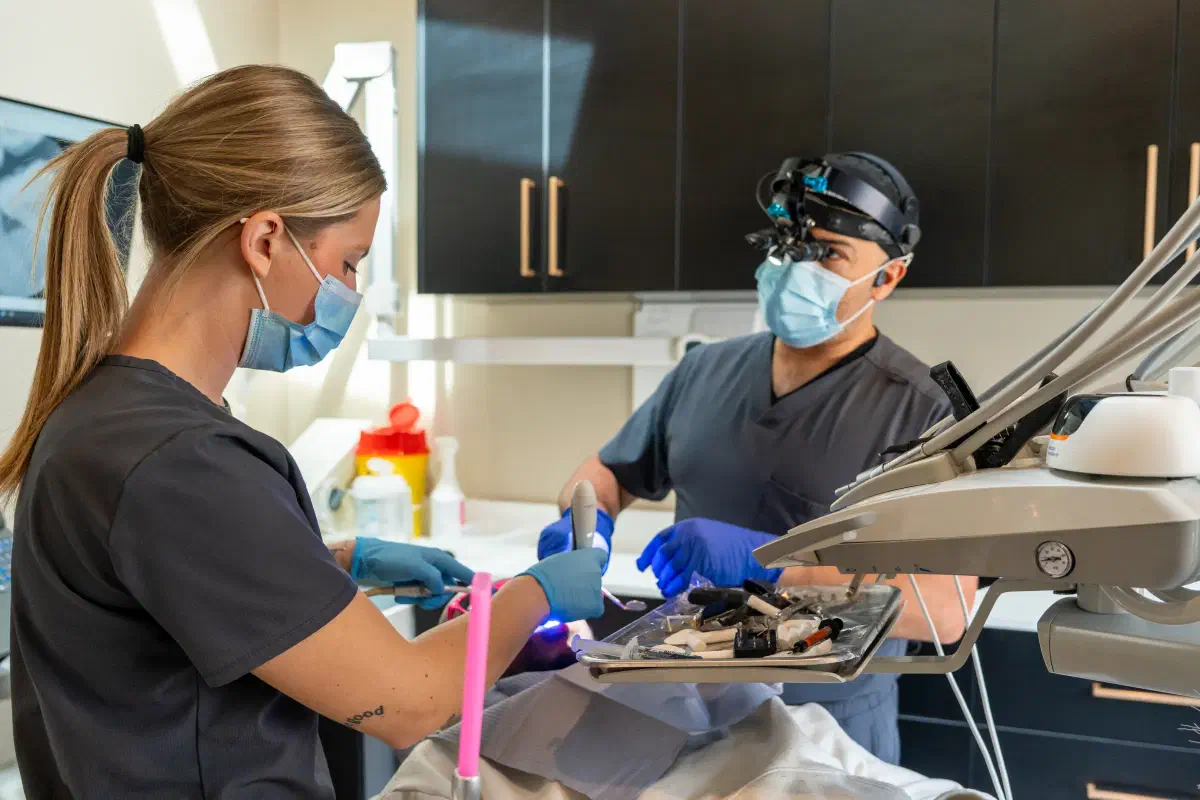
The Cookstown Dental Centre team caring for a patient in a treatment room

Specialized Care · Cookstown

When recovery is not going the way you expected.

Have a concern after dental treatment? Learn how post-operative reviews in Cookstown assess changing pain, swelling, bleeding, numbness, and healing.

Request an appointment

Let’s find a time that works.

Need urgent dental help? Call (705) 291-2222.

Post-Operative Dental Concerns in Cookstown

The procedure, the timing, and the change all matter.

A symptom after dental treatment is easier to interpret when we know what was done and how recovery has unfolded. Soreness after a long appointment, a bite that feels high after a filling, and swelling after oral surgery raise different questions. Even a familiar symptom can need a different response if it is getting worse instead of gradually settling.

A post-operative review starts with the treatment history and your current symptoms. Whenever possible, contact the clinician who performed the procedure because they know the details of the site and the expected recovery. If you are assessed elsewhere, treatment notes and recent images can help. The purpose is to identify whether reassurance, an adjustment, wound care, further treatment, or a referral is needed—and to recognize serious symptoms that should receive urgent medical attention.


Patient discussing a post-treatment concern with a dentist reviewing appointment notes

Planning together

Give the team a useful account

A short, clear history helps determine how quickly you should be seen.

What was treated and when

Describe the procedure, which side or tooth was involved, and whether there were stitches, a graft, an implant, or a temporary restoration. Mention the written instructions you received and any follow-up already arranged. If treatment was provided at another office, bring its contact details and any records available to you.

What has changed since then

Explain whether pain, swelling, bleeding, or numbness is improving, staying the same, or worsening. Include medicines taken, trouble eating or drinking, and anything that triggered a new symptom. Saying that swelling increased after initially settling is often more useful than trying to decide at home whether the wound is infected.

What we consider

Different concerns need different checks

The examination is directed by the symptom and the procedure rather than a single recovery checklist.

Pain and the way the teeth meet

A tooth that hurts on biting may need its restoration and contacts checked, but pain can also come from the pulp, surrounding tissues, or a crack. Timing and examination help distinguish these possibilities. An adjustment is considered only when the findings support it, rather than assuming all post-treatment discomfort comes from a high bite.

Swelling, bleeding, and the wound

The clinician may inspect the surgical site, sutures, surrounding tissues, and any discharge, with imaging if it answers a specific question. Some changes occur during normal healing, while others need active treatment. The amount, distribution, and progression of swelling are more informative than the presence of swelling alone.

Understanding the options

Choosing the level of care

Some concerns belong in a prompt dental review; others should bypass a routine appointment.

Arrange a dental assessment

Contact the treating team for pain outside the expected course, a loose temporary restoration, persistent altered sensation, or concern about a surgical site. They can advise on the timing of an examination and interim care. Do not keep testing a wound, repeatedly tightening a component, or changing prescribed medicines while waiting for an answer.

Seek urgent medical help

Rapidly spreading facial or neck swelling, breathing or swallowing difficulty, uncontrolled heavy bleeding, or severe systemic illness requires urgent assessment. These symptoms should not wait for a photograph to be reviewed or the office to reopen. Emergency medical care can address immediate risks while dental treatment is coordinated for the underlying source.

Step by step

What a review appointment can involve

The outcome may be a small correction, but it should follow a clear explanation of the findings.

  1. Reconstruct the treatment and examine the area

    We review the available notes, your health history, medicines, and the recovery instructions before examining the concern. Targeted tests may include checking a bite, tooth response, soft tissues, or an appropriate X-ray. Not every concern requires new imaging, but missing information may limit what can be concluded at the first visit.

  2. Agree on the next action and review point

    The plan may involve an adjustment, local wound care, a restoration repair, further investigation, or referral to the treating surgeon or another clinician. Ask what should improve and when to make contact again. If the diagnosis remains uncertain, the follow-up plan should make that uncertainty explicit rather than implying the problem is resolved.

Practical guidance

Avoid making the problem harder to assess

A few practical choices can protect the site and preserve useful information.

Keep treatment materials and records

If a crown, temporary filling, or appliance component comes out, keep it in a clean container and bring it to the review. Photographs of a changing swelling may help describe its course, but they do not establish the diagnosis. Keep the original aftercare sheet and a list of medicines used since treatment.

Use the instructions that match your care

Follow the treating clinician’s directions unless a clinician advises a change. Do not put aspirin, glue, essential oils, or other household substances on the wound. If pain relief is inadequate or you suspect a medication reaction, seek professional advice that accounts for your health history instead of adding or combining medicines independently.

Frequently asked questions

Questions about post-operative dental concerns

Is pain after treatment always a sign something went wrong?

No. Some procedures cause temporary soreness even when treatment is progressing normally. The severity, duration, and direction of change determine whether a review is needed, and a worsening pattern should be discussed with the treating clinician.

Should I contact the dentist who performed the procedure first?

Usually, yes. That team knows the procedure and expected recovery. If they are unavailable or symptoms are urgent, seek appropriate local care and share the treatment details so the assessing clinician can understand the situation.

Can a photograph confirm that my wound is healing normally?

A photograph can help communicate a visible change, but it cannot show every relevant finding or replace examination when symptoms are concerning. Pain, swelling, bleeding, and medical history still need to be considered together.

What if my bite feels different after a filling or crown?

Arrange a review rather than trying to wear the restoration down yourself. The clinician can check the contacts and other possible causes of discomfort before deciding whether a focused adjustment or another investigation is appropriate.

When should persistent numbness be reported?

Contact the treating clinician if altered sensation lasts beyond the timeframe discussed or changes unexpectedly. Record where it occurs and whether it is improving. The appropriate assessment depends on the procedure, anaesthetic, and the pattern of symptoms.

Do post-operative concerns always require antibiotics?

No. A loose restoration, high contact, dry socket, or expected inflammation may need a different response. Antibiotics are considered for appropriate infection-related indications, not as a general treatment for every symptom after dental care.

Can I wait until my scheduled follow-up?

Only if the symptoms fit the recovery advice and are not concerning. Contact the office sooner for an unexpected or worsening change. Breathing difficulty, rapidly spreading swelling, or uncontrolled heavy bleeding needs urgent assessment immediately.

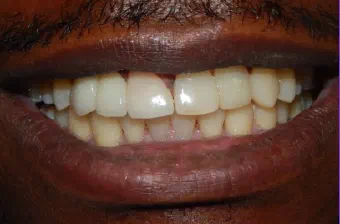
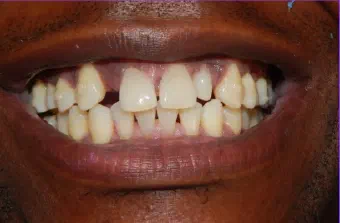
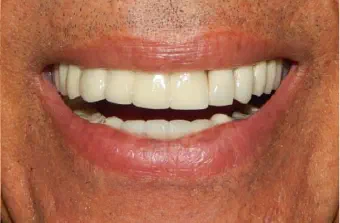
Real patient results

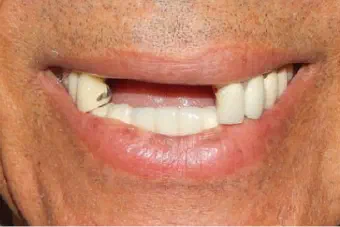
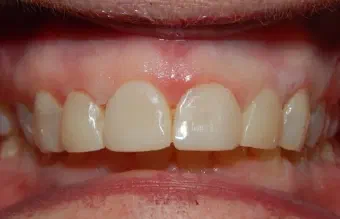
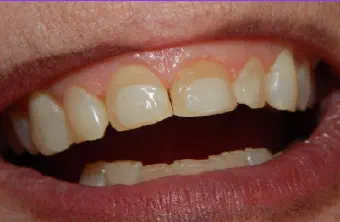
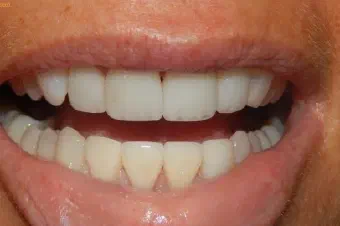
Before & after smile gallery.

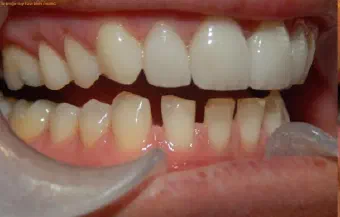
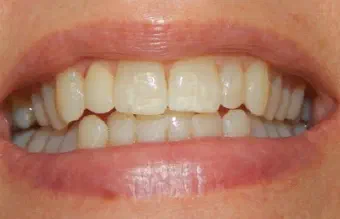
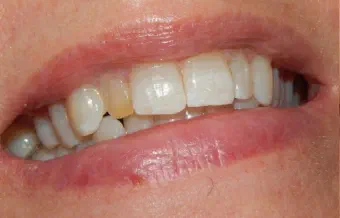
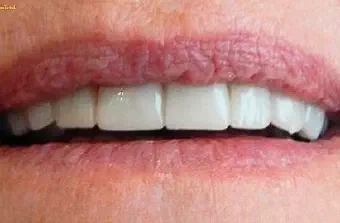
Drag the centre line to compare each real case treated by our dental team. Every smile begins with a personal assessment and a plan shaped around the patient.

Areas We Serve

Neighbourhood dental care, close to home.

Located in Cookstown, Innisfil, our dental team welcomes patients from communities across South Simcoe, Barrie, and northern York Region.

Get directions
  • Cookstown
  • Innisfil
  • Simcoe
  • Lake Simcoe
  • Alcona
  • Stroud
  • Lefroy–Belle Ewart
  • Gilford
  • Churchill
  • Sandy Cove
  • Innisfil Heights
  • Fennell’s Corners
  • Bradford
  • Bradford West Gwillimbury
  • Bond Head
  • Newton Robinson
  • New Tecumseth
  • Alliston
  • Beeton
  • Tottenham
  • Adjala–Tosorontio
  • Everett
  • Loretto
  • Barrie
  • Essa
  • Thornton
  • Baxter
  • Angus
  • Egbert
  • Ivy
  • Utopia
  • York Region
  • East Gwillimbury
  • Queensville
  • Holland Landing
  • Sharon
  • Schomberg
  • Nobleton

Don’t see your community listed? Contact us—we regularly welcome patients from throughout the surrounding region.

Google reviews

Kind words from our patients.

Read what patients have shared about their visits to Cookstown Dental Centre.

A dentist having a friendly consultation with a patient in a bright dental clinic

Your next step

Ready to feel good about your next dental visit?

Whether you are new to the clinic or returning for care, our team is here to make booking simple and answer your questions.

Call Book Now WhatsApp

How can we help?

The Cookstown Dental team is here for you.

Need an appointment, have a question, or want to talk through your options? Choose the next step that works best for you.

Send us a note

We’ll get back to you as soon as we can.