Cookstown Dental Centre
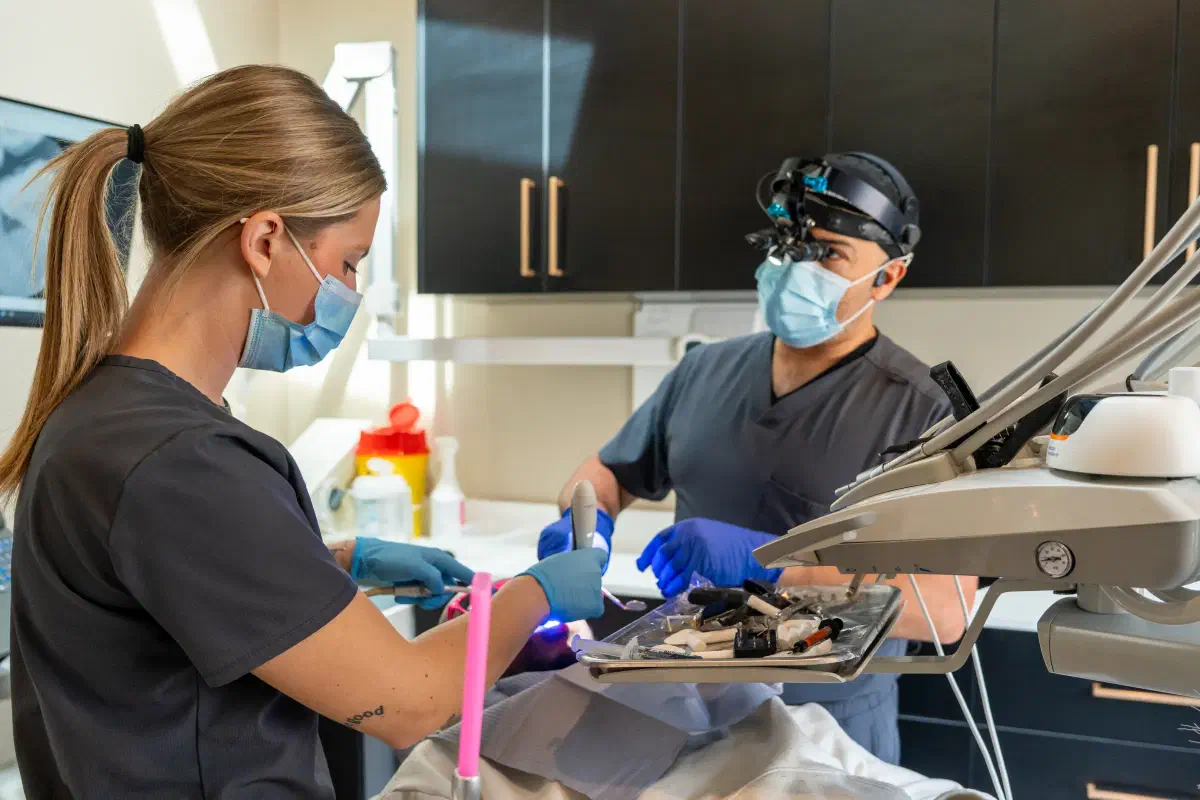
The Cookstown Dental Centre team caring for a patient in a treatment room

Restorative Dentistry · Cookstown

Build a foundation for a crown when remaining tooth structure is limited.

Post-and-core restorations help retain a foundation in selected root-treated teeth. Understand their purpose, structural limits, and the crown planned afterward.

Request an appointment

Let’s find a time that works.

Need urgent dental help? Call (705) 291-2222.

Post-and-Core Restorations in Cookstown

A post can retain a core; it does not make every weakened root stronger.

A core rebuilds missing tooth structure to provide a foundation for a planned restoration. In selected teeth that have had root canal treatment, a post may be placed within part of a treated canal to help retain that core when the remaining tooth cannot do so adequately. A post is not needed for every root-treated tooth and is not used simply to strengthen the root.

At Cookstown Dental Centre, the decision begins with the amount and position of sound tooth remaining, the root condition, and the final restoration plan. The dentist considers whether the tooth can support a useful result before discussing a post. A severely damaged or cracked root may not become restorable by adding hardware, so the purpose and limits of the proposed foundation should be explained clearly.


A dentist explaining the relationship between a post, core, and crown on a tooth model

Understanding the options

Separate the core’s role from the post’s role.

Understanding the two parts helps make the treatment recommendation clearer.

The core replaces missing coronal structure

A core rebuilds the portion of tooth needed to support the planned restoration. When enough suitable tooth remains, it may be retained without a post. The design depends on the defect and final crown or other restoration rather than a rule that every large filling requires an internal post.

The post helps retain the core in selected cases

A post uses part of a previously treated canal as retention for the core. Its need is assessed carefully because preparation can involve additional root structure. It should not be presented as a routine reinforcement or an automatic step after every root canal procedure.

What we consider

Assess the tooth before adding a foundation.

The ability to restore the tooth depends on more than the available space for a post.

Sound tooth above the gumline

The amount and distribution of remaining tooth influence how a final crown can engage and protect the foundation. If little structure remains, additional procedures or a different plan may be discussed. The dentist should explain whether a durable restoration is feasible before proceeding with the post and core.

Root and previous canal treatment

The root’s shape, thickness, structural condition, and endodontic status are considered. Relevant images and records help with planning. A suspected root fracture or unresolved endodontic concern may change the sequence, including whether further treatment or specialist assessment should occur before the foundation is built.

Support and functional demands

Periodontal support, tooth position, bite, and the planned restoration affect the overall outlook. A front tooth and a heavily loaded back tooth may have different needs. The post decision belongs within that wider assessment rather than being made only from the size of the visible defect.

Good to know

Discuss material and design without assuming one universal choice.

The selected arrangement should match the root and restorative situation.

Different post-and-core approaches

Prefabricated and custom arrangements, with different materials, may be considered according to the case. The provider explains why the proposed option fits the tooth and restoration. Appearance, available space, retention, and future treatment considerations can all matter; the material name alone does not guarantee a better outcome.

Limits and possible complications

Further tooth loss, root fracture, loosening, or a problem with the final restoration can affect service. A post can also complicate future canal retreatment in some cases. These possibilities should be discussed in relation to your tooth, without implying that a post removes every risk associated with extensive damage.

Step by step

Coordinate the foundation with the final restoration.

The post and core is usually part of a larger restorative sequence.

  1. Confirm the endodontic and restorative plan

    The dentist reviews the canal treatment and the feasibility of the proposed crown or restoration. If additional evaluation is needed, clarify that before irreversible preparation. Discuss the expected appointments, temporary protection, and what would happen if the remaining tooth proves less suitable than anticipated.

  2. Create the indicated foundation

    The planned post, when needed, and core are placed using the appropriate clinical technique. This is followed by assessment of the foundation for the next restorative stage. The procedure should preserve useful structure while providing the retention needed for the agreed restoration.

  3. Complete and check the crown or restoration

    The final restoration is made and assessed for fit, contacts, bite, and appearance. Follow the temporary-care instructions between visits and complete the planned sequence. A foundation alone should not be mistaken for a finished tooth when the plan requires further coverage and sealing.

Practical guidance

Protect the restored tooth and recognize warning changes.

A tooth with extensive previous damage still needs attention after reconstruction.

Use temporary protection as instructed

Avoid hard chewing on a tooth awaiting its final restoration and report a loose temporary or broken core. The specific instructions depend on the treatment stage. If a piece comes away, keep it for assessment rather than attempting to glue or push a post back into the root.

Maintain the crown margins and review movement

Clean around the completed restoration and attend recommended checks. Report a new click, movement, swelling, or biting discomfort even if the tooth cannot feel temperature. A post-supported crown can have a mechanical or root problem without the same symptoms as an untreated vital tooth.

Frequently asked questions

Questions about post-and-core restorations

Does every root canal tooth need a post?

No. A post is considered when additional retention is needed for the core. Many root-treated teeth have enough suitable remaining structure for a restoration without one. The decision depends on the tooth and final restorative plan.

Does a post strengthen the root?

A post’s main role is to retain the core in selected cases, not automatically strengthen the root. Preparation can remove additional structure, so the need must be justified. It cannot make every cracked or severely compromised root suitable for restoration.

Is a post the same as a dental implant?

No. A post is placed within part of a treated natural tooth root. An implant is a replacement support placed in the jaw for a missing tooth. Their indications, procedures, and maintenance considerations are different.

Can a core be made without a post?

Yes, when the remaining tooth provides suitable retention and support for the core and final restoration. The dentist assesses the amount and position of that structure. A large defect does not always mean an internal post is necessary.

Will I still need a crown afterward?

A post and core commonly provides the foundation for a planned crown, but the complete restorative plan is individualized. Ask what remains to be done. The foundation should not be assumed to be the final treatment if coverage was part of the agreed plan.

What if the post and crown come out together?

Keep the assembly safely and contact the clinic. Do not force it back or glue it into place. The dentist needs to assess the root, remaining tooth, and components before deciding whether reuse, replacement, or another treatment is appropriate.

Can the tooth have another root canal later?

Retreatment may be possible, but an existing post can affect access and complexity. The need and feasibility are assessed individually, sometimes with specialist input. This is one reason endodontic concerns should be addressed before a new foundation and crown are completed.

Real patient results

Before & after smile gallery.

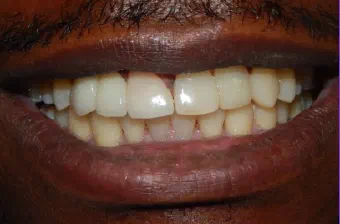
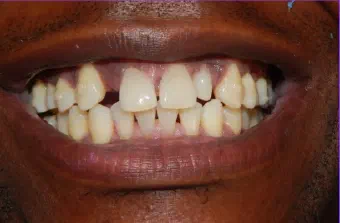
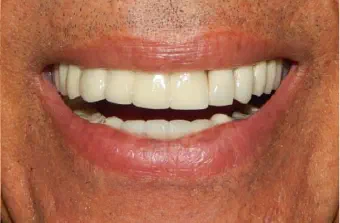
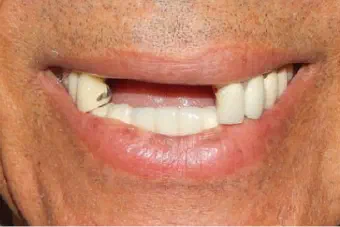
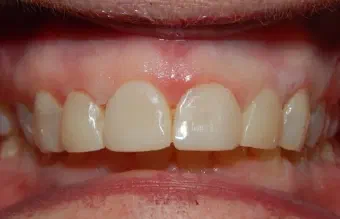
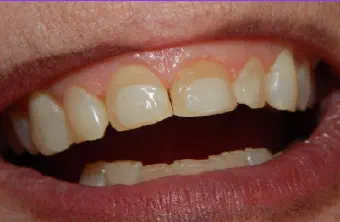
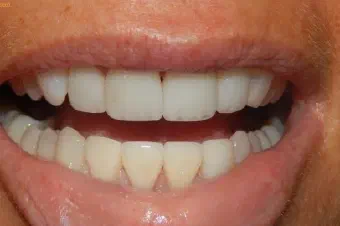
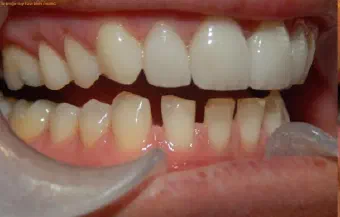
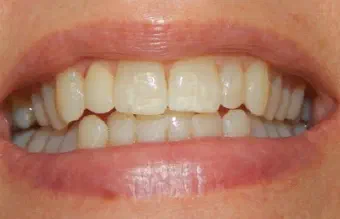
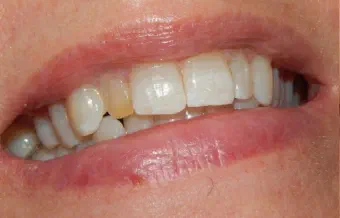
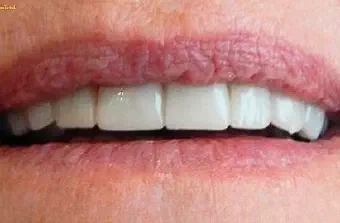
Drag the centre line to compare each real case treated by our dental team. Every smile begins with a personal assessment and a plan shaped around the patient.

Areas We Serve

Neighbourhood dental care, close to home.

Located in Cookstown, Innisfil, our dental team welcomes patients from communities across South Simcoe, Barrie, and northern York Region.

Get directions
  • Cookstown
  • Innisfil
  • Simcoe
  • Lake Simcoe
  • Alcona
  • Stroud
  • Lefroy–Belle Ewart
  • Gilford
  • Churchill
  • Sandy Cove
  • Innisfil Heights
  • Fennell’s Corners
  • Bradford
  • Bradford West Gwillimbury
  • Bond Head
  • Newton Robinson
  • New Tecumseth
  • Alliston
  • Beeton
  • Tottenham
  • Adjala–Tosorontio
  • Everett
  • Loretto
  • Barrie
  • Essa
  • Thornton
  • Baxter
  • Angus
  • Egbert
  • Ivy
  • Utopia
  • York Region
  • East Gwillimbury
  • Queensville
  • Holland Landing
  • Sharon
  • Schomberg
  • Nobleton

Don’t see your community listed? Contact us—we regularly welcome patients from throughout the surrounding region.

Google reviews

Kind words from our patients.

Read what patients have shared about their visits to Cookstown Dental Centre.

A dentist having a friendly consultation with a patient in a bright dental clinic

Your next step

Ready to feel good about your next dental visit?

Whether you are new to the clinic or returning for care, our team is here to make booking simple and answer your questions.

Call Book Now WhatsApp

How can we help?

The Cookstown Dental team is here for you.

Need an appointment, have a question, or want to talk through your options? Choose the next step that works best for you.

Send us a note

We’ll get back to you as soon as we can.