Cookstown Dental Centre
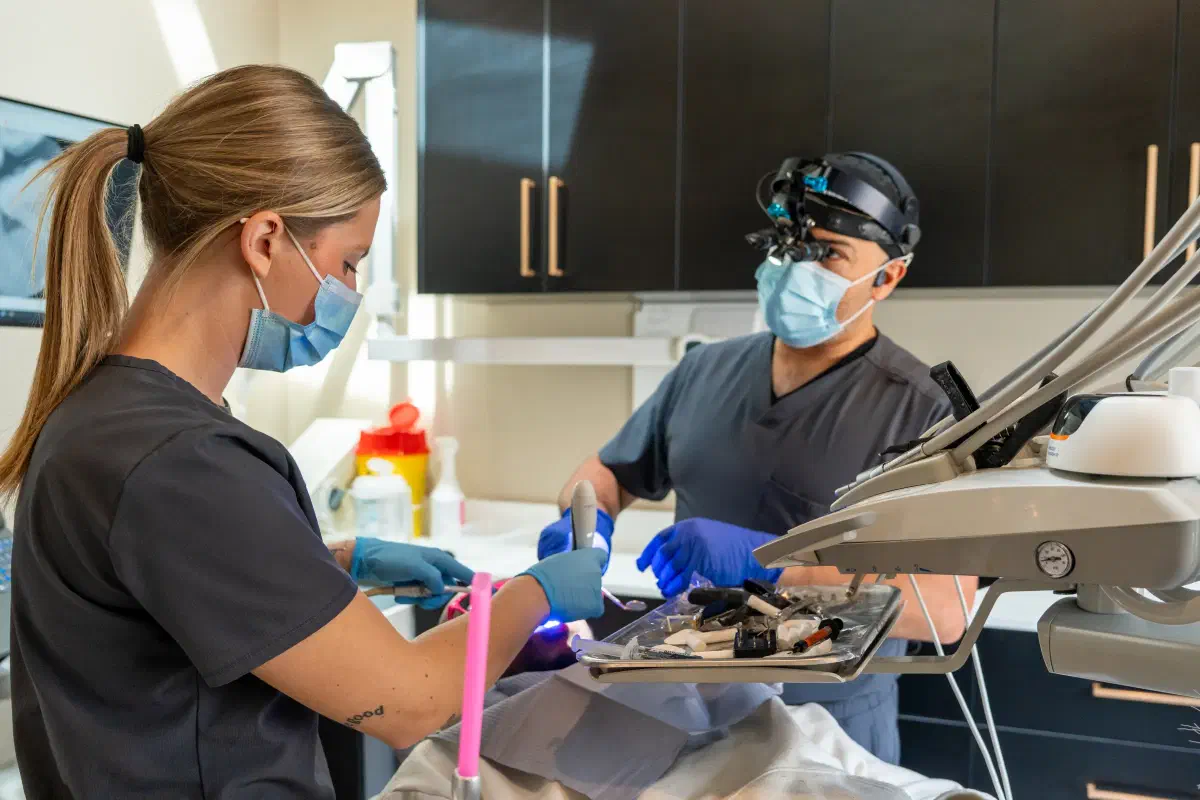
The Cookstown Dental Centre team caring for a patient in a treatment room

General & Family Dentistry · Cookstown

A prevention plan with a reason behind every step.

Bring together your cavity risk, gum health, dental work, medical history, and daily routine in a preventive plan that can evolve with you.

Request an appointment

Let’s find a time that works.

Need urgent dental help? Call (705) 291-2222.

Personalized Preventive Dentistry in Cookstown

Prevention should fit the person who has to maintain it.

A standard checklist can be a useful starting point, but it cannot account for every mouth or every routine. Your needs may depend on recent cavities, gum findings, a dry mouth, braces, implants, medicines, or the support available at home. Personalized prevention brings those details together so recommendations have a clear purpose.

At Cookstown Dental Centre, we can help you identify the most useful priorities and understand how professional care and daily habits support them. The plan should be specific enough to follow and flexible enough to change. It is not about adding every available preventive product; it is about choosing measures that make sense for your current needs.

A dentist and patient making notes for a preventive care plan

A closer look

Start with three different kinds of information.

An effective plan considers the mouth, the person, and the routine. Leaving out one of these can produce advice that sounds reasonable but is difficult to use.

  1. What the examination shows

    The dentist and hygienist assess relevant findings such as decay, gum condition, plaque retention, and existing dental work. Ask which areas are stable and which need more attention. Current findings and previous records help distinguish a new challenge from something already being monitored successfully.

  2. What your health contributes

    Medicines, saliva changes, pregnancy, diabetes, or other conditions may influence oral care. Share updates even when the dental routine has not changed. The team can discuss whether medical coordination is useful and how to adapt prevention without changing prescribed treatment on your own.

  3. What your day makes possible

    Work, school, travel, caregiving, dexterity, and cost affect whether a plan is sustainable. Explain what is realistic and where previous advice broke down. A routine designed around actual circumstances is easier to maintain than one that assumes unlimited time, perfect technique, and no competing demands.

Two parts of the picture

Daily actions and professional care have different roles.

Neither works as a complete substitute for the other. Your plan should explain how the pieces fit together and why a particular recommendation has been made.

What happens at home

Brushing, cleaning between teeth, and appropriate product use provide ongoing care between visits. The team can tailor technique to difficult areas and discuss eating or drinking patterns relevant to your risk. Ask for a demonstration and clear instructions so the routine is more than a list of product names.

What happens at the clinic

Examinations, hygiene care, fluoride, sealants, or other measures may be recommended when indicated. The choice and timing depend on findings and risk. Ask what each intervention is intended to protect and how its value will be reviewed, rather than assuming that everyone needs the same package.

Your care, step by step

Build, try, and review the plan.

Prevention is an ongoing process. The next appointment should help you understand whether the approach remains suitable, not simply repeat the same instructions.

  1. Choose the main priorities

    Identify the areas or risks that most need attention. A person with new root-surface concerns may need a different emphasis from someone struggling to clean around orthodontic brackets. Ask the team to explain the connection between the finding and the recommended action in plain language.

  2. Make the first changes manageable

    Agree on a small number of steps and practise any unfamiliar technique. If a product is uncomfortable or expensive, discuss alternatives before leaving. You can also ask which measure matters most if it takes time to build the full routine. Practical limits are useful planning information.

  3. Review what changed

    At follow-up, discuss symptoms, clinical findings, and the parts of the routine you could maintain. A plan may need simplifying, intensifying, or redirecting. Improvement does not mean all care can stop, and a new problem is a reason to reassess rather than assume the patient failed.

Plan with confidence

Know when to revisit your prevention plan.

A stable routine can become less suitable after a life or health change. Tell the team before your next visit when a change affects comfort, access, or daily care.

Changes in your mouth

New sensitivity, bleeding, food trapping, dryness, or a damaged restoration may need assessment. Do not simply add a stronger toothpaste or rinse without understanding the cause. The team can distinguish a prevention adjustment from a problem that requires treatment.

Changes in your circumstances

A new medicine, pregnancy, reduced hand movement, or a change in caregiving may alter your needs. A plan should remain usable as these circumstances evolve. Share the practical effect, such as difficulty reaching the back teeth or remembering a complicated routine, so the advice can be adjusted.

Changes in the care schedule

If you need to postpone a visit or finances affect the plan, ask which priorities and review dates matter most. Clinical recommendations and insurance limits may differ. Discuss a realistic approach with the team rather than allowing the preventive plan to lapse without a conversation.

Frequently asked questions

Your questions about personalized preventive dentistry.

How is this different from a routine checkup?

A checkup provides findings. Personalized prevention turns those findings, your risk, and your circumstances into an ongoing plan. The discussion may happen at the same visit, but its purpose is to connect the examination to specific actions at home and appropriate professional follow-up.

Will I need more products?

Not necessarily. Sometimes a better technique or a simpler routine is more useful than an additional product. Ask what each recommendation does and whether it addresses a specific need. The team can help you avoid overlapping products whose purpose or instructions are unclear.

Can my family use the same plan?

Some basic habits are shared, but individual needs differ with age, teeth, medical history, and risk. A product or schedule intended for one family member may not suit another. Ask for age-appropriate advice and a routine that works within the household without treating everyone identically.

Does higher risk always mean more frequent cleanings?

The response depends on which risk is present. A cavity concern, gum condition, or dry mouth may require different measures. The dentist and hygienist can explain why a particular review interval or treatment is recommended rather than using visit frequency as the only preventive strategy.

Can the plan change after treatment?

Yes. A new restoration, improved gum condition, orthodontic work, or changes in saliva can alter what needs attention. Ask how to care for the treated area and when to review it. Prevention should follow the condition of your mouth rather than remain fixed indefinitely.

What if I cannot manage the recommended routine?

Explain the specific obstacle, whether it is pain, dexterity, time, cost, or confusion. The team can discuss a more practical approach. A plan is more useful when difficulties are addressed openly than when instructions are repeated without understanding why they are not working.

Can prevention guarantee I will never need treatment?

No. Prevention reduces risk but cannot eliminate every dental problem. The aim is to support oral health, identify change appropriately, and keep care manageable. Ask which outcomes the team will monitor so progress is judged realistically rather than against an impossible guarantee.

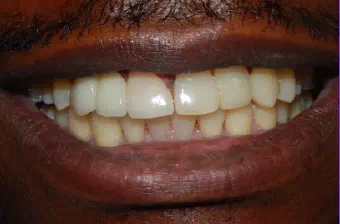
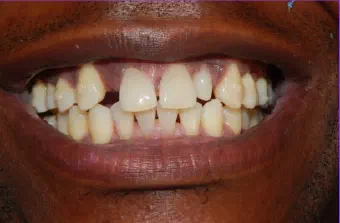
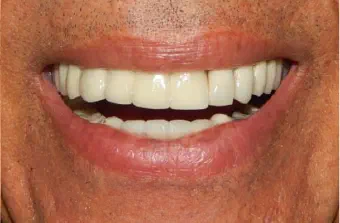
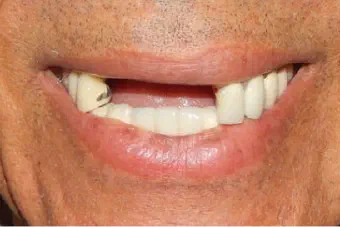
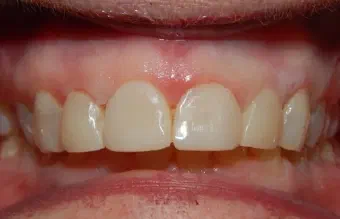
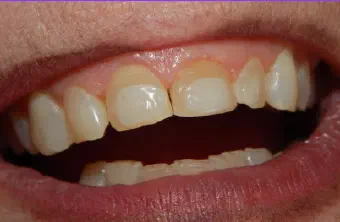
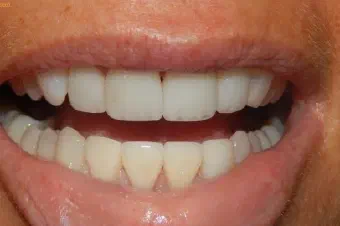
Real patient results

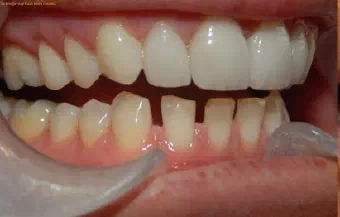
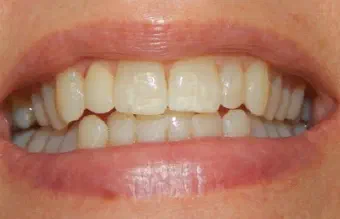
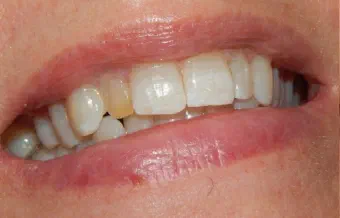
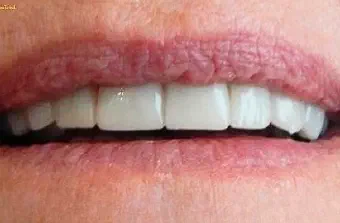
Before & after smile gallery.

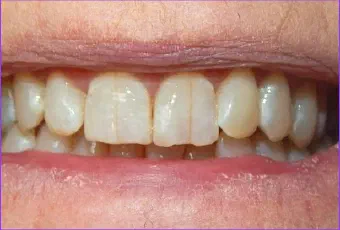
Drag the centre line to compare each real case treated by our dental team. Every smile begins with a personal assessment and a plan shaped around the patient.

Areas We Serve

Neighbourhood dental care, close to home.

Located in Cookstown, Innisfil, our dental team welcomes patients from communities across South Simcoe, Barrie, and northern York Region.

Get directions
  • Cookstown
  • Innisfil
  • Simcoe
  • Lake Simcoe
  • Alcona
  • Stroud
  • Lefroy–Belle Ewart
  • Gilford
  • Churchill
  • Sandy Cove
  • Innisfil Heights
  • Fennell’s Corners
  • Bradford
  • Bradford West Gwillimbury
  • Bond Head
  • Newton Robinson
  • New Tecumseth
  • Alliston
  • Beeton
  • Tottenham
  • Adjala–Tosorontio
  • Everett
  • Loretto
  • Barrie
  • Essa
  • Thornton
  • Baxter
  • Angus
  • Egbert
  • Ivy
  • Utopia
  • York Region
  • East Gwillimbury
  • Queensville
  • Holland Landing
  • Sharon
  • Schomberg
  • Nobleton

Don’t see your community listed? Contact us—we regularly welcome patients from throughout the surrounding region.

Google reviews

Kind words from our patients.

Read what patients have shared about their visits to Cookstown Dental Centre.

A dentist having a friendly consultation with a patient in a bright dental clinic

Your next step

Ready to feel good about your next dental visit?

Whether you are new to the clinic or returning for care, our team is here to make booking simple and answer your questions.

Call Book Now WhatsApp

How can we help?

The Cookstown Dental team is here for you.

Need an appointment, have a question, or want to talk through your options? Choose the next step that works best for you.

Send us a note

We’ll get back to you as soon as we can.