Cookstown Dental Centre
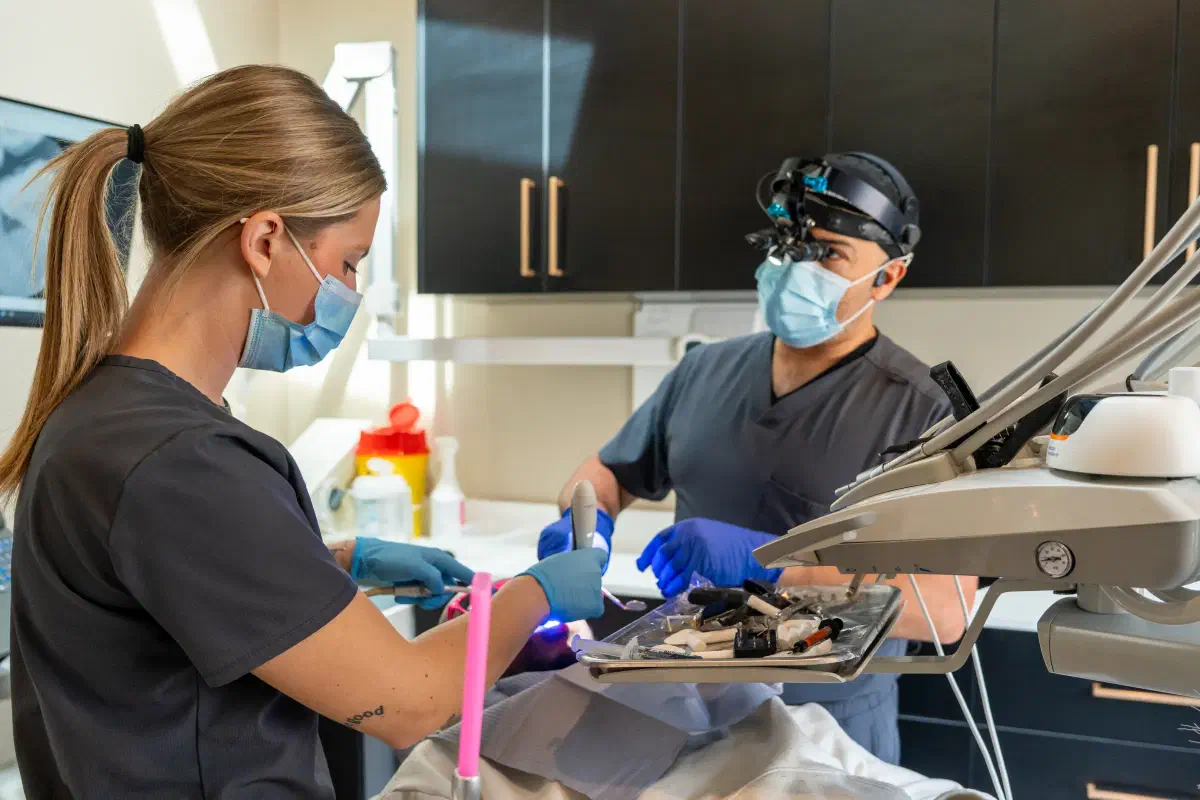
The Cookstown Dental Centre team caring for a patient in a treatment room

Specialized Care · Cookstown

A plan for controlling periodontitis—not just cleaning teeth.

Understand periodontitis treatment in Cookstown, from measuring lost tooth support to planning deeper cleaning, reassessment, and ongoing gum care.

Request an appointment

Let’s find a time that works.

Need urgent dental help? Call (705) 291-2222.

Periodontitis Treatment in Cookstown

Protecting the support your teeth still have.

Periodontitis affects the tissues and bone that hold teeth in place. It can progress with surprisingly little discomfort, so the absence of pain does not tell us whether a tooth has healthy support. Bleeding, deeper spaces around teeth, recession, and changes in tooth position can be clues, but a diagnosis brings those findings together with measurements and appropriate imaging.

Treatment begins with understanding the extent of disease and the prospects for individual teeth. The aim is to control inflammation, make daily cleaning more effective, and reduce the likelihood of further breakdown. Some areas respond to nonsurgical care; others need a different approach or a periodontal referral. A useful plan explains those possibilities from the beginning and includes a review of the response, rather than treating the first cleaning appointment as the end of care.
Dentist discussing gum support and periodontal treatment with an adult patient using a dental model

What we consider

Reading the pattern of disease

The number of affected teeth and the severity at each site both influence the plan.

Attachment and bone support

Gum measurements help distinguish the depth of a pocket from the amount of support a tooth has lost. X-rays add information about bone levels and root anatomy. Neither finding stands alone: recession, inflammation, and previous records help explain what the measurements mean for a particular tooth and its outlook.

Activity and contributing factors

Bleeding, plaque retention, smoking, and diabetes can affect the picture and the response to treatment. We also consider medications, cleaning difficulties, and the history of previous periodontal care. These discussions identify practical changes and medical coordination where appropriate; they do not turn a single risk factor into a prediction about every tooth.

Step by step

The first phase has two connected parts

Professional treatment works best when the areas being treated can also be maintained at home.

  1. Removing deposits below the gums

    Scaling and root planing addresses deposits on root surfaces in affected areas. Local anaesthetic may be used, and treatment may be divided into appointments according to the extent of disease and your comfort. The proposed sites and sequence should be explained before care begins, including which teeth have a more uncertain prognosis.

  2. Making daily cleaning achievable

    A brush alone may not reach spaces between teeth, exposed root surfaces, or areas around bridges. We help select appropriately sized cleaning aids and demonstrate how to use them without repeatedly injuring the gums. A manageable routine that reaches the problem areas is more useful than a long list of products you cannot comfortably use.

Understanding the options

The review determines what comes next

Gum healing can change the treatment picture, so the response needs to be measured.

When inflammation and pockets improve

Reduced bleeding and shallower pockets may allow a transition to periodontal maintenance. Teeth can still have reduced support even when the inflammation is controlled. The next step is therefore a tailored monitoring and cleaning schedule, with attention to the sites most likely to collect deposits or become difficult to maintain.

When troublesome sites remain

Persistent deep or bleeding pockets need a closer look at access, root anatomy, cleaning, and other possible causes. Further nonsurgical treatment or a periodontal surgical opinion may be appropriate. Surgery is not selected simply because a measurement exceeds a number; the expected benefit, tooth prognosis, and your preferences all matter.

Good to know

Decisions about individual teeth

Keeping teeth and planning replacements both depend on a realistic assessment of support.

A mobile tooth is not automatically lost

Movement can reflect inflammation, reduced bone support, or excessive forces, and those contributions need to be separated. Some teeth can be maintained with treatment and monitoring; others have a poor outlook. Stabilizing a tooth may improve comfort in selected cases, but it does not remove infection or rebuild its supporting bone.

Replacement planning follows disease control

If a tooth cannot be predictably maintained, the discussion includes extraction and replacement options as well as the effect on nearby teeth. Implants also need healthy, maintainable surrounding tissues. Addressing periodontal disease before a larger restorative plan helps avoid treating a missing tooth while overlooking the condition affecting the rest of the mouth.

Practical guidance

Living with a history of periodontitis

Long-term care is adjusted to your findings rather than a universal appointment interval.

Watch for changes between visits

Report renewed bleeding, swelling, a change in tooth position, or a tooth that feels looser. A new gum swelling or discharge deserves an assessment rather than waiting for the next maintenance appointment. Symptoms can come from several sources, so increasing mouthwash use alone is not a reliable way to manage a changing site.

Keep the plan workable as life changes

Health conditions, medications, dexterity, and dental restorations can alter how easily you maintain your teeth. Follow-up visits are a chance to revise cleaning aids and review risk factors without blame. Bringing previous periodontal records also helps us distinguish a long-standing stable finding from a change that needs further investigation.

Frequently asked questions

Questions about periodontitis treatment

Can periodontitis be cured with one deep cleaning?

Initial treatment can reduce inflammation and improve pocket measurements, but a history of lost support remains relevant. Reassessment and ongoing maintenance are essential parts of controlling the condition and watching for recurrence at vulnerable sites.

Will the lost bone grow back?

Routine nonsurgical treatment does not reliably replace bone that has already been lost. Regenerative procedures may be considered for selected defects by an appropriate clinician, but suitability and expected results vary with the anatomy and overall periodontal condition.

Does everyone with periodontitis need surgery?

No. Many areas improve with nonsurgical treatment and effective daily care. Persistent sites are reviewed individually, and surgery or referral is discussed when it offers a reasonable benefit beyond continued nonsurgical management.

Why do my teeth look longer after treatment?

As inflammation settles, swollen gums may shrink and reveal more of the tooth or root. Existing loss of support can become more visible. We discuss possible changes in appearance and sensitivity alongside the benefits of controlling inflammation.

Can I have periodontitis without bleeding when I brush?

Yes. Symptoms do not reliably show the extent of disease, and smoking can alter visible signs of inflammation. Periodontal measurements and appropriate imaging provide information that brushing symptoms alone cannot supply.

How often will I need maintenance?

The interval depends on disease history, residual pockets, inflammation, home care, and other risk factors. It is reviewed over time rather than assumed to be the same for every person or every stage of treatment.

Should I stop treatment if my gums feel better?

Feeling better is encouraging, but it does not replace the planned reassessment. That visit checks whether deeper sites have improved and establishes which areas need continued care before you move into a maintenance schedule.

Real patient results

Before & after smile gallery.

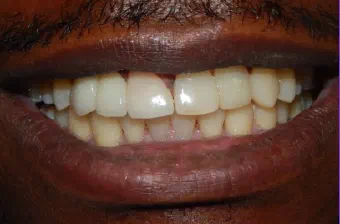
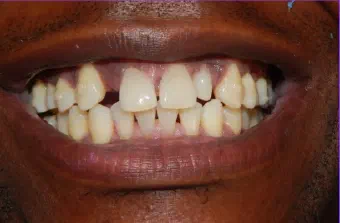
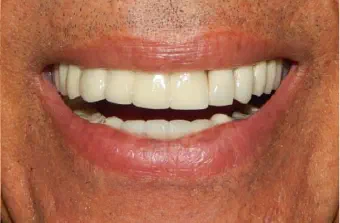
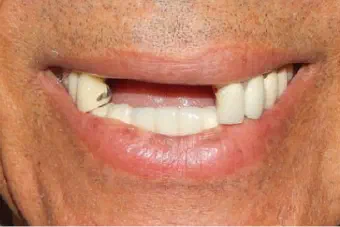
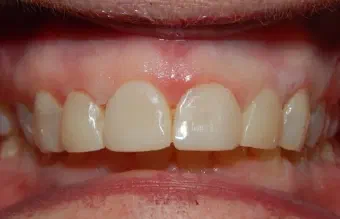
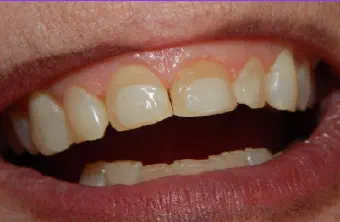
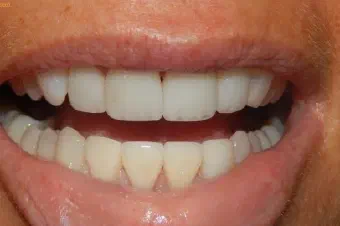
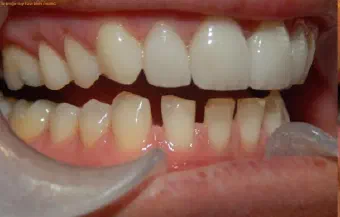
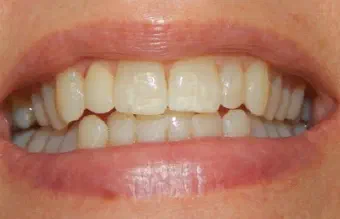
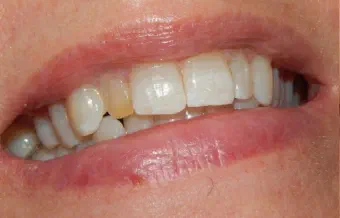
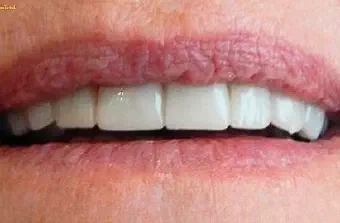
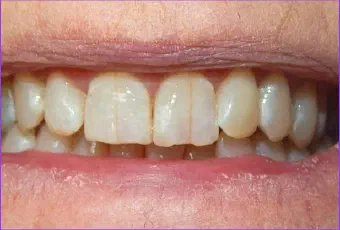
Drag the centre line to compare each real case treated by our dental team. Every smile begins with a personal assessment and a plan shaped around the patient.

Areas We Serve

Neighbourhood dental care, close to home.

Located in Cookstown, Innisfil, our dental team welcomes patients from communities across South Simcoe, Barrie, and northern York Region.

Get directions
  • Cookstown
  • Innisfil
  • Simcoe
  • Lake Simcoe
  • Alcona
  • Stroud
  • Lefroy–Belle Ewart
  • Gilford
  • Churchill
  • Sandy Cove
  • Innisfil Heights
  • Fennell’s Corners
  • Bradford
  • Bradford West Gwillimbury
  • Bond Head
  • Newton Robinson
  • New Tecumseth
  • Alliston
  • Beeton
  • Tottenham
  • Adjala–Tosorontio
  • Everett
  • Loretto
  • Barrie
  • Essa
  • Thornton
  • Baxter
  • Angus
  • Egbert
  • Ivy
  • Utopia
  • York Region
  • East Gwillimbury
  • Queensville
  • Holland Landing
  • Sharon
  • Schomberg
  • Nobleton

Don’t see your community listed? Contact us—we regularly welcome patients from throughout the surrounding region.

Google reviews

Kind words from our patients.

Read what patients have shared about their visits to Cookstown Dental Centre.

A dentist having a friendly consultation with a patient in a bright dental clinic

Your next step

Ready to feel good about your next dental visit?

Whether you are new to the clinic or returning for care, our team is here to make booking simple and answer your questions.

Call Book Now WhatsApp

How can we help?

The Cookstown Dental team is here for you.

Need an appointment, have a question, or want to talk through your options? Choose the next step that works best for you.

Send us a note

We’ll get back to you as soon as we can.