Cookstown Dental Centre
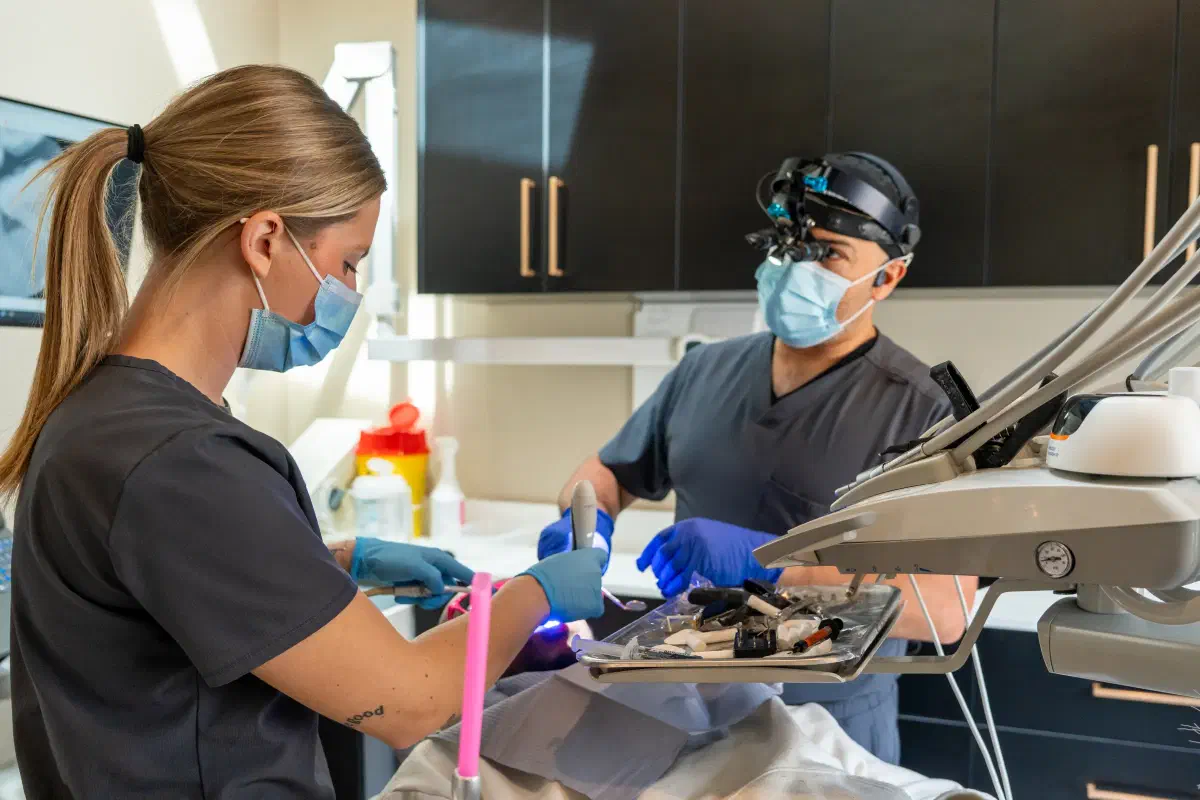
The Cookstown Dental Centre team caring for a patient in a treatment room

Children’s Dentistry · Cookstown

Consider whether an infected baby tooth can be retained.

A pediatric pulpectomy may treat selected baby teeth with damaged or infected pulp, with assessment, restoration, and ongoing review guiding the plan.

Request an appointment

Let’s find a time that works.

Need urgent dental help? Call (705) 291-2222.

Pediatric Pulpectomy in Cookstown

Retaining a tooth starts with knowing whether it is suitable.

A baby tooth with irreversibly damaged or infected pulp may need more than a filling or a pulpotomy. In selected cases, a pulpectomy removes affected tissue from the crown and root canals so the tooth can be treated and restored. Whether that is a reasonable option depends on the roots, the remaining tooth, the developing adult tooth, and your child’s overall needs.

At Cookstown Dental Centre, we discuss the diagnosis and compare the implications of retaining or removing the tooth. We also consider the treatment setting and whether a specialist should provide the care. Parents should understand the purpose, limitations, follow-up, and restoration involved before deciding, rather than assuming that every baby tooth can or should receive the same treatment.


A parent and child reviewing a baby-tooth treatment plan with a dentist

What we consider

Assess the tooth before choosing the procedure.

A pulpectomy is a selective treatment. The dentist needs enough information to judge whether a useful, restorable tooth can remain afterward.

Pulp and infection findings

Pain, swelling, a gum bump, and changes on an X-ray may help establish the diagnosis. Some infected teeth are not continuously painful. Tell us the full history, including symptoms that have settled, so the assessment is based on more than how the tooth feels during the appointment.

Roots and remaining structure

The degree of root resorption and the amount of sound tooth influence treatment choices. A severely compromised tooth may not be a good candidate for retention. The dentist explains whether the roots and crown can support the proposed care and what uncertainty remains after the initial assessment.

Timing and the child’s needs

The expected arrival of the permanent tooth, the child’s health, and the practical demands of treatment all matter. We consider whether preserving this tooth offers useful benefit. If care requires specialist expertise or another setting, that recommendation is discussed as part of planning rather than an afterthought.

A closer look

Understand the complete treatment plan.

The procedure, restoration, and reviews should be considered together. Ask what is included at each visit and who will provide each part of care.

  1. Preparation and comfort

    We review the diagnosis, alternatives, consent, and appropriate anaesthesia or support. The child receives an explanation suited to their understanding. If treatment is being referred, confirm what the specialist will assess and which records should accompany the referral so the family knows what to expect next.

  2. Treating the canals

    In a suitable baby tooth, the affected pulp tissue is removed and the canals are cleaned and filled with material appropriate for primary teeth. The technique differs from simply placing a filling in a cavity. The dentist explains the planned procedure and any findings that could change its feasibility.

  3. Protecting the tooth afterward

    A suitable final restoration is needed to seal and protect the tooth, often with a crown for a baby molar. We discuss timing, aftercare, and review appointments. A pulpectomy should not be treated as complete care if the required restoration or follow-up has been left unclear.

Understanding the options

Weigh retention and removal in context.

There is no single answer that fits every infected baby tooth. A clear comparison considers prognosis, treatment demands, and what would happen after tooth loss.

When retention is reasonable

Keeping a suitable tooth can support function while the permanent successor develops. The expected benefit must be balanced against the procedure and likelihood of success. Ask why the dentist believes this tooth is worth retaining and what would lead to reconsidering that choice during follow-up.

When extraction may be preferable

Removal may be recommended if the tooth cannot be restored, root changes make treatment unsuitable, or other factors reduce the benefit of retention. If a baby tooth is removed early, space needs are assessed separately. A space maintainer is not automatic, and the dentist explains whether one is relevant.

Practical guidance

Know the next steps after the appointment.

Written instructions help families manage recovery and remember the plan. Contact the treating provider if the course differs from what was explained.

Follow the recovery instructions

Protect numb lips and cheeks, follow eating guidance, and use only age-appropriate medicines as directed by a qualified professional. Tell us about increasing discomfort rather than guessing how long it should last. A child who cannot drink adequately or seems unwell needs prompt professional advice.

Watch for recurrent symptoms

Swelling, a draining gum bump, persistent pain, or a loose restoration should be reported. Treatment does not guarantee that infection cannot return. Rapidly spreading facial swelling or difficulty breathing or swallowing needs emergency medical care rather than waiting for a scheduled dental review.

Attend the planned monitoring

Reviews assess the tooth, restoration, and surrounding tissues, with images when indicated. The plan can change if healing or development does not follow expectations. Keep routine preventive care for other teeth as well, and ask who should coordinate follow-up if treatment was completed by a specialist.

Frequently asked questions

Questions about pediatric pulpectomy

How is a pulpectomy different from a pulpotomy?

A pulpectomy removes pulp tissue from the crown and root canals; a pulpotomy preserves suitable root pulp. They address different diagnoses. The dentist explains which condition is present and why one procedure, removal, or another approach is appropriate.

Is this identical to an adult root canal?

The general aim of managing affected pulp is related, but baby teeth have different anatomy, development, and material requirements. Treatment planning considers natural root resorption and the permanent successor. The clinician should explain the procedure specifically for the child’s tooth.

Can antibiotics replace the procedure?

Antibiotics do not usually remove the source within an infected tooth and are not a substitute for necessary dental treatment. They may be prescribed only when clinically indicated. Do not give leftover antibiotics or delay assessment because pain temporarily improves.

Will the tooth need a crown?

A baby molar often needs a crown or another suitable restoration after pulp treatment. The choice depends on the remaining structure and clinical plan. Ask about the whole treatment sequence and cost, including the restoration and reviews.

Can the tooth still fall out naturally later?

Treatment is planned with the tooth’s temporary role and the permanent successor in mind. Follow-up checks development and the treated tooth over time. The dentist can explain what is expected for that tooth, but the exact timing of tooth loss is not guaranteed.

What happens if the treatment is unsuccessful?

The tooth needs reassessment, and removal or another approach may be recommended depending on the findings. This possibility is part of informed planning. Report recurrent swelling or pain promptly rather than waiting until the next routine checkup.

Will a pediatric specialist be needed?

Possibly. The tooth’s complexity, your child’s health, and the support needed for safe care influence referral. An initial assessment helps determine the appropriate provider and setting. A service information page does not mean every case can be treated in a routine appointment.

Real patient results

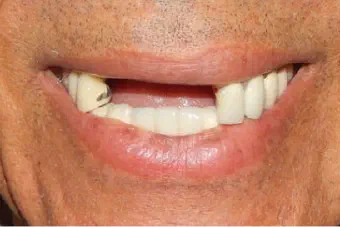
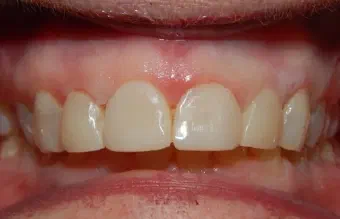
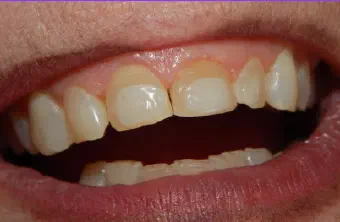
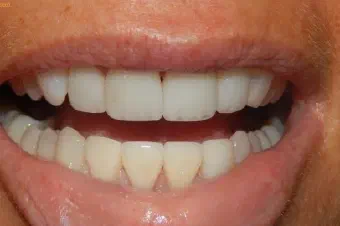
Before & after smile gallery.

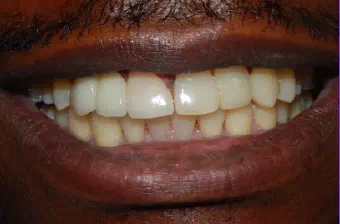
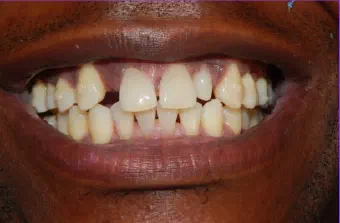
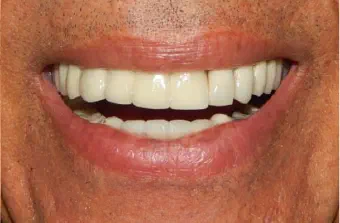
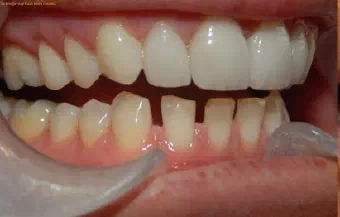
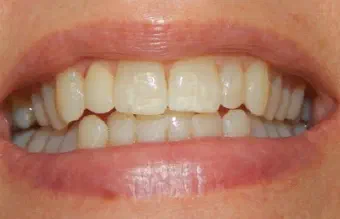
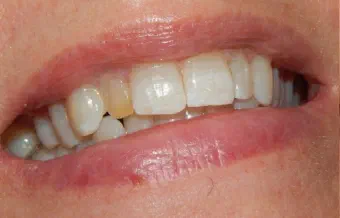
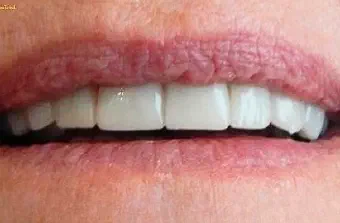
Drag the centre line to compare each real case treated by our dental team. Every smile begins with a personal assessment and a plan shaped around the patient.

Areas We Serve

Neighbourhood dental care, close to home.

Located in Cookstown, Innisfil, our dental team welcomes patients from communities across South Simcoe, Barrie, and northern York Region.

Get directions
  • Cookstown
  • Innisfil
  • Simcoe
  • Lake Simcoe
  • Alcona
  • Stroud
  • Lefroy–Belle Ewart
  • Gilford
  • Churchill
  • Sandy Cove
  • Innisfil Heights
  • Fennell’s Corners
  • Bradford
  • Bradford West Gwillimbury
  • Bond Head
  • Newton Robinson
  • New Tecumseth
  • Alliston
  • Beeton
  • Tottenham
  • Adjala–Tosorontio
  • Everett
  • Loretto
  • Barrie
  • Essa
  • Thornton
  • Baxter
  • Angus
  • Egbert
  • Ivy
  • Utopia
  • York Region
  • East Gwillimbury
  • Queensville
  • Holland Landing
  • Sharon
  • Schomberg
  • Nobleton

Don’t see your community listed? Contact us—we regularly welcome patients from throughout the surrounding region.

Google reviews

Kind words from our patients.

Read what patients have shared about their visits to Cookstown Dental Centre.

A dentist having a friendly consultation with a patient in a bright dental clinic

Your next step

Ready to feel good about your next dental visit?

Whether you are new to the clinic or returning for care, our team is here to make booking simple and answer your questions.

Call Book Now WhatsApp

How can we help?

The Cookstown Dental team is here for you.

Need an appointment, have a question, or want to talk through your options? Choose the next step that works best for you.

Send us a note

We’ll get back to you as soon as we can.