Cookstown Dental Centre
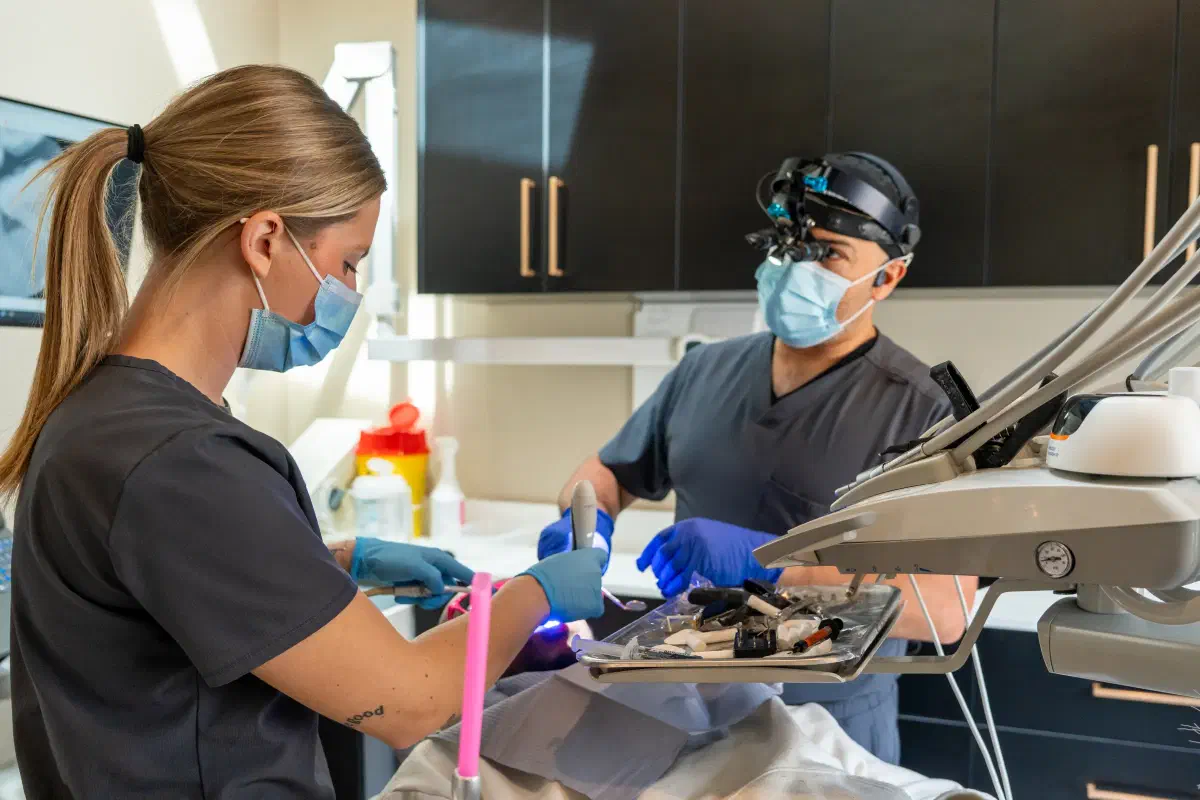
The Cookstown Dental Centre team caring for a patient in a treatment room

General & Family Dentistry · Cookstown

A broad view of the teeth and jaws.

Understand what a panoramic dental image can show, why it may be recommended, and how it fits with a clinical examination and other imaging.

Request an appointment

Let’s find a time that works.

Need urgent dental help? Call (705) 291-2222.

Panoramic Dental X-rays in Cookstown

One image can provide useful wider context.

A panoramic dental X-ray creates a two-dimensional overview of the teeth, upper and lower jaws, and surrounding structures. The equipment moves around your head to capture the image. Your dentist may recommend this view when the wider relationship of teeth and jaws is relevant to assessment or treatment planning.

At Cookstown Dental Centre, imaging should answer a particular question. A panoramic view is not a replacement for every close-up dental X-ray or a three-dimensional scan. The dentist considers your symptoms, examination, and existing records before deciding which type of image is appropriate and explaining what it is expected to contribute.


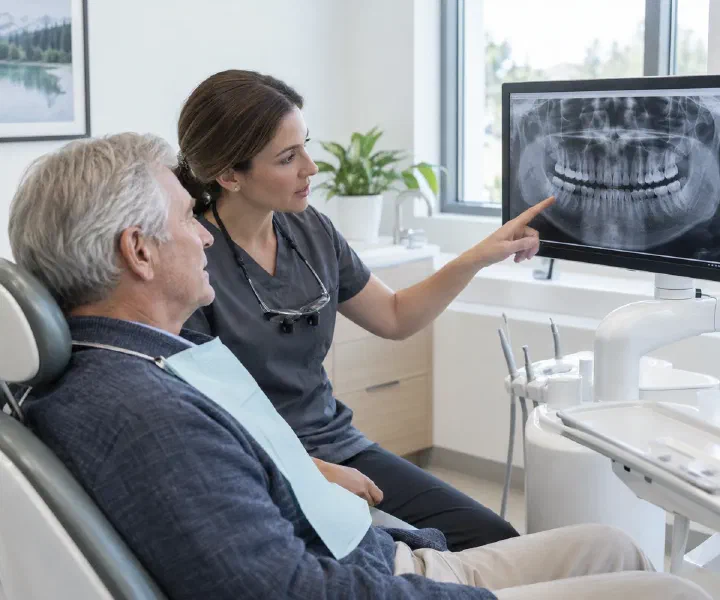
A clinician and patient reviewing a panoramic image of both jaws

Understanding the details

Choose the view for the question.

The names of dental images can be confusing. Each type has strengths and limitations, so the right choice depends on what needs to be assessed.

A panoramic overview

The broad view may be useful for the position and development of teeth, certain jaw findings, or planning around teeth that have not fully erupted. It provides context across a larger area. The dentist still needs to interpret the image alongside what is found in your mouth.

A focused intraoral image

Close-up images taken with a receptor inside the mouth can provide detail needed for particular tooth surfaces or roots. A panoramic image may not show that detail sufficiently. Having a wide image does not automatically make bitewings or another focused view unnecessary when a different question needs answering.

A selected three-dimensional study

CBCT may be considered when an important question cannot be answered adequately with examination and conventional images. It is a different examination with different radiation considerations. More imaging should have a clinical reason, rather than being added because a technology is available.

At your appointment

What happens when the image is taken.

The positioning instructions matter to image quality. Tell the team about mobility, neck pain, balance, or difficulty following the setup before the exposure begins.

  1. Prepare and position

    The operator explains the procedure and asks you to remove relevant objects from the head and neck area when needed. You are positioned using the equipment’s supports. Tell the team if you are pregnant or might be pregnant, and discuss any difficulty standing or remaining still.

  2. Follow the operator’s instructions

    You may be asked to bite gently on a guide and position your tongue in a particular way. The machine moves around your head while you keep still. Ask for clarification before the image starts if an instruction is unclear or the position is uncomfortable.

  3. Review quality and arrange interpretation

    The image is checked for suitability and then interpreted by the appropriate clinician. Movement or positioning can affect what is visible. Ask when the findings will be discussed and whether the image answers the original question or further assessment is needed.

Careful decisions

A wider image still has limits.

A panoramic image is a useful record, but it should not be treated as a complete check of every dental and medical condition.

Detail and distortion matter

The image represents three-dimensional anatomy in a flat view, and positioning can influence how structures appear. Small details or soft-tissue concerns may not be adequately assessed. The dentist may need a focused image, a clinical test, or referral to clarify a finding rather than drawing conclusions from the panorama alone.

Radiation needs a clinical benefit

Panoramic imaging uses ionizing radiation. The dentist weighs the expected information against exposure and considers suitable previous records. Ask why the view is recommended and how it may change the plan. A routine calendar date alone does not determine the need for every type of X-ray.

Practical guidance

Make the image part of an understandable plan.

A useful result should lead to an explanation of what was found, what remains uncertain, and whether anything needs action.

Share existing records

Tell the clinic about recent panoramic or other dental images and where they were taken. The team can assess whether obtaining them would help. An older image may be useful for comparison but insufficient for a current question, particularly if symptoms or anatomy have changed.

Ask about the finding, not just the picture

If the dentist points out an area, ask what it means in the context of your examination. Some findings are incidental or require monitoring; others need treatment or further investigation. Seeing a dark or light area on a screen does not establish the diagnosis by itself.

Confirm records and follow-up

When a specialist is involved, ask how the image and relevant notes will be shared. The receiving office may need the original digital record rather than a photograph of a screen. If follow-up is recommended, confirm the appointment’s purpose and what symptoms should prompt an earlier call.

Frequently asked questions

Your questions about panoramic dental x-rays.

Is a panoramic image the same as CBCT?

No. A panoramic image is a two-dimensional overview, while CBCT reconstructs three-dimensional information from X-rays. They answer different kinds of questions and involve different considerations. Ask which examination is proposed and why it is appropriate for the problem being assessed.

Can it show every cavity?

No. A panoramic image may not provide the detail needed to assess every tooth surface or small area of decay. The dentist may recommend focused images based on your findings and risk. A broad picture should not be treated as a substitute for all other examination methods.

Will there be a sensor inside my mouth?

The panoramic image is captured using equipment outside the mouth, although a positioning guide may be used between the teeth. Tell the team about gagging or limited opening. The operator can explain the exact setup and discuss whether it is suitable for you.

Can I sit for the image?

Equipment and individual positioning needs determine what is possible. Discuss mobility and support requirements before the appointment rather than assuming a particular setup is available. The team can confirm whether the image can be obtained appropriately or whether another arrangement is needed.

Do I need one at every checkup?

Not automatically. Imaging is selected according to the clinical question, examination, history, and available records. Ask why a new panoramic image is recommended and whether recent suitable images can help. The same schedule is not appropriate for every patient or every view.

What if I am pregnant?

Tell the dentist and operator before imaging. The clinician considers the need for the examination and appropriate technique in your circumstances. Do not simply ignore a dental problem or assume every image must be postponed; discuss the benefits and alternatives for the actual situation.

Can the picture be sent to a specialist?

Ask the clinic about sharing the digital image and relevant records with your permission. Confirm the receiving office and whether it needs a report or particular format. A complete transfer can help the specialist assess what additional information, if any, is needed.

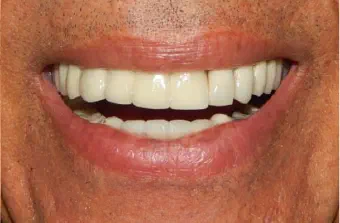
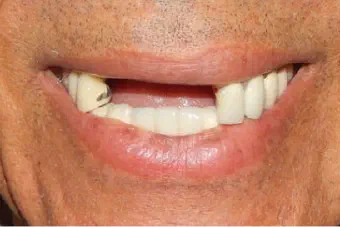
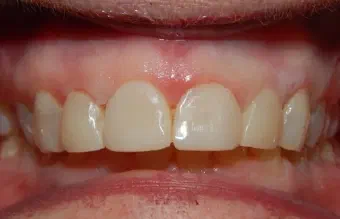
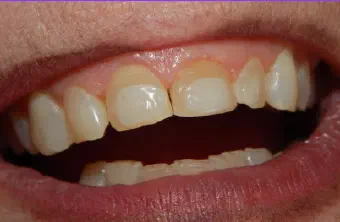
Real patient results

Before & after smile gallery.

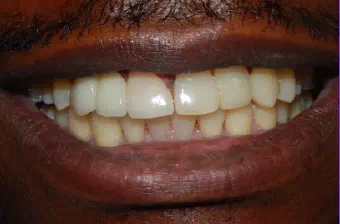
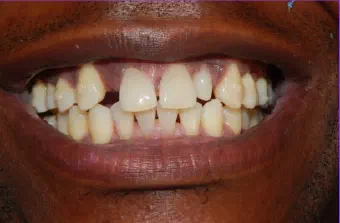
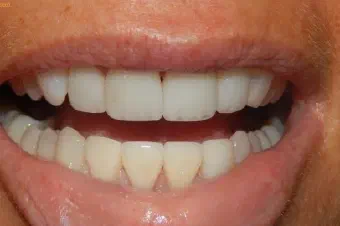
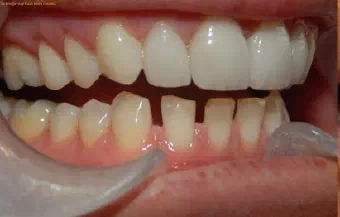
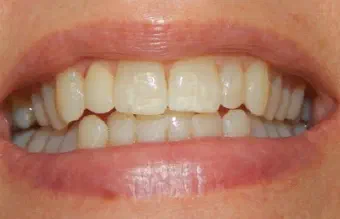
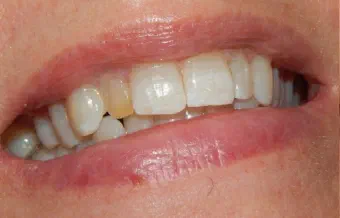
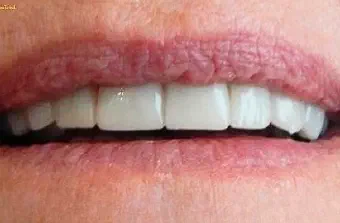
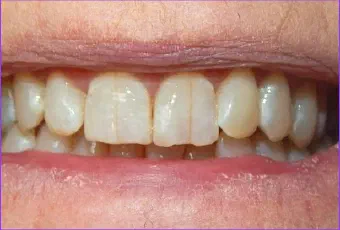
Drag the centre line to compare each real case treated by our dental team. Every smile begins with a personal assessment and a plan shaped around the patient.

Areas We Serve

Neighbourhood dental care, close to home.

Located in Cookstown, Innisfil, our dental team welcomes patients from communities across South Simcoe, Barrie, and northern York Region.

Get directions
  • Cookstown
  • Innisfil
  • Simcoe
  • Lake Simcoe
  • Alcona
  • Stroud
  • Lefroy–Belle Ewart
  • Gilford
  • Churchill
  • Sandy Cove
  • Innisfil Heights
  • Fennell’s Corners
  • Bradford
  • Bradford West Gwillimbury
  • Bond Head
  • Newton Robinson
  • New Tecumseth
  • Alliston
  • Beeton
  • Tottenham
  • Adjala–Tosorontio
  • Everett
  • Loretto
  • Barrie
  • Essa
  • Thornton
  • Baxter
  • Angus
  • Egbert
  • Ivy
  • Utopia
  • York Region
  • East Gwillimbury
  • Queensville
  • Holland Landing
  • Sharon
  • Schomberg
  • Nobleton

Don’t see your community listed? Contact us—we regularly welcome patients from throughout the surrounding region.

Google reviews

Kind words from our patients.

Read what patients have shared about their visits to Cookstown Dental Centre.

A dentist having a friendly consultation with a patient in a bright dental clinic

Your next step

Ready to feel good about your next dental visit?

Whether you are new to the clinic or returning for care, our team is here to make booking simple and answer your questions.

Call Book Now WhatsApp

How can we help?

The Cookstown Dental team is here for you.

Need an appointment, have a question, or want to talk through your options? Choose the next step that works best for you.

Send us a note

We’ll get back to you as soon as we can.