Cookstown Dental Centre
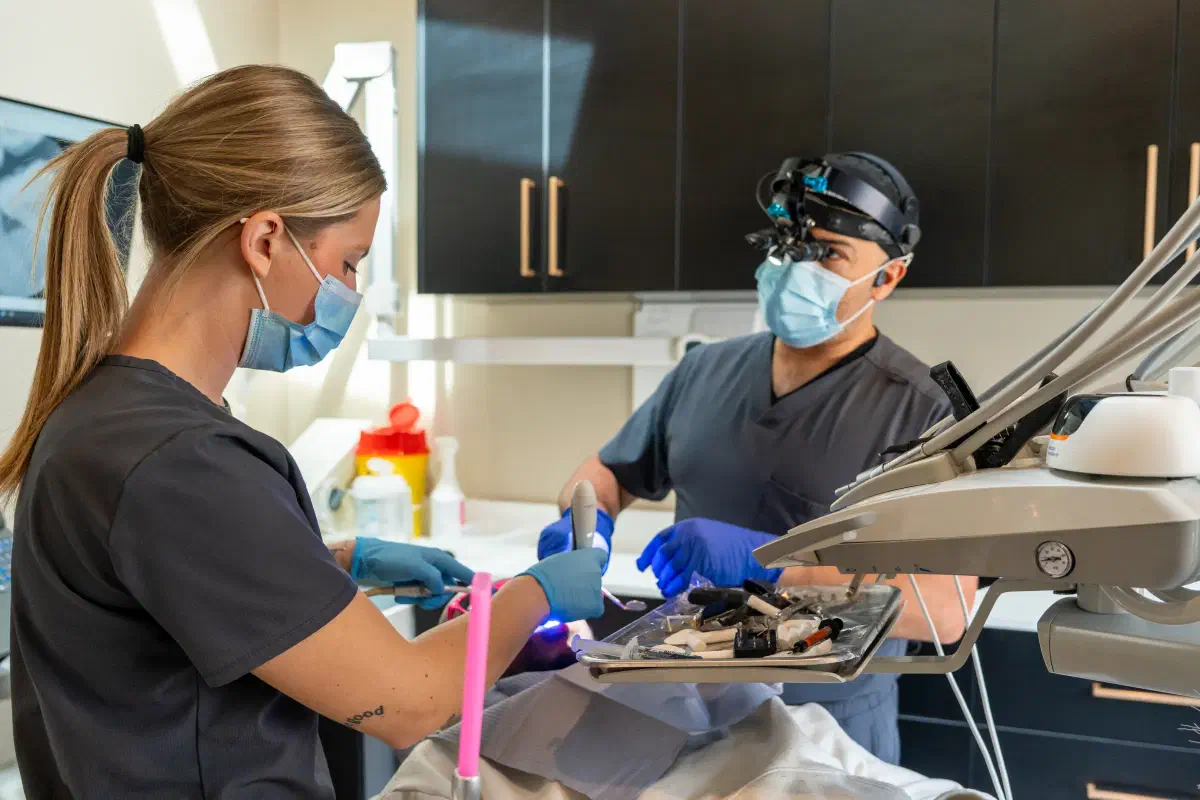
The Cookstown Dental Centre team caring for a patient in a treatment room

Specialized Care · Cookstown

Consider a bite adjustment only for a clearly identified clinical problem.

Occlusal adjustment permanently changes a contact surface. Understand focused restoration correction, diagnostic limits, alternatives, consent, and follow-up.

Request an appointment

Let’s find a time that works.

Need urgent dental help? Call (705) 291-2222.

Occlusal Adjustment in Cookstown

A high restoration and a general theory about the bite are different reasons for treatment.

Occlusal adjustment changes selected contact surfaces so the teeth or restorations meet differently. A focused correction may be considered when a specific restoration has an unsuitable contact, for example after a new filling or crown. Removing natural tooth structure is irreversible, so any broader proposal needs a clear clinical indication, alternatives, and an explanation of the expected benefit.

At Cookstown Dental Centre, bite findings are assessed with symptoms, tooth condition, and the wider restorative plan before adjustment is discussed. Contact marks alone do not prove that healthy teeth need reshaping. Permanent bite changes are not a routine evidence-based treatment for TMD, grinding, headaches, or unexplained facial pain, and may worsen problems. The aim should be a defined dental correction rather than a promise to cure unrelated symptoms by balancing the bite.
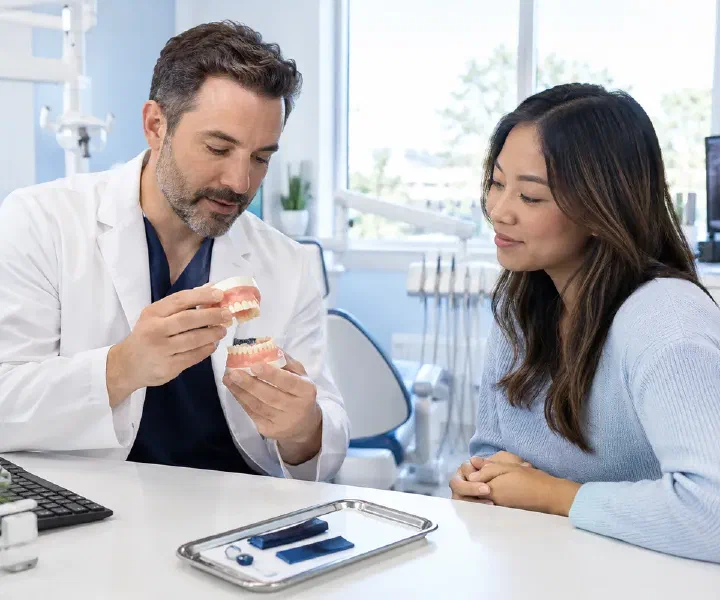
A dentist reviewing contacts on upper and lower tooth models with a patient

Understanding the options

Distinguish a specific restorative correction from broad equilibration.

The scope and evidence behind the proposed change matter.

A high or unsuitable contact on a restoration

A filling, crown, or another restoration may need a focused contact check when symptoms and examination support it. The dentist identifies the area and material involved and explains what is being corrected. The underlying tooth is still assessed so a crack or pulp problem is not overlooked as merely a high bite.

Reshaping several natural teeth to change the bite

This is a larger irreversible intervention and should not be recommended simply because teeth mark differently on contact paper. Ask what diagnosis justifies it and what alternatives exist. Broad changes aimed at TMD or nonspecific pain require particular caution because a bite-based explanation does not establish treatment effectiveness.

What we consider

Assess the complaint before removing any material.

A supported diagnosis helps avoid changing the wrong surface for the wrong reason.

Symptoms and their relationship to recent care

Explain when discomfort began, whether a new restoration was placed, and what happens during closure or chewing. Pain on release, temperature symptoms, or spontaneous aching can suggest other issues. The clinician should consider those details rather than assume all post-treatment discomfort is resolved by adjustment.

Tooth structure, restoration fit, and support

Cracks, decay, an unsuitable restoration, or periodontal findings can affect contacts and symptoms. The dentist checks the relevant structures and obtains tests or images when indicated. Adjusting a surface cannot substitute for treating a defective foundation or a diagnosis that requires a different procedure.

The contact pattern in function

The clinician evaluates contacts within the individual bite and planned restoration. The significance of a mark depends on context, not simply its size or colour. The proposed correction should have a specific purpose that can be checked afterward rather than pursue a supposedly perfect pattern without clinical relevance.

Good to know

Understand the limits before consenting to an irreversible change.

The explanation should make clear what adjustment can and cannot achieve.

No general cure for jaw disorders or grinding

Current evidence does not support permanent occlusal treatments as routine TMD care, and they can make symptoms worse. Grinding or headaches should not be assumed to arise from a contact pattern alone. A separate restorative indication needs to be distinguished from a promise of broader symptom relief.

Material removal has consequences

Adjusting a restoration or natural tooth can affect contour, thickness, surface finish, and sensitivity depending on the situation. The clinician should explain the intended extent and relevant risks. A small procedure is still a procedure, and permanent tooth removal should not occur without an understood purpose and consent.

Planning together

Compare the correction with appropriate alternatives.

The least extensive suitable response depends on what has actually been found.

Repair, remake, observation, or another diagnosis

A restoration with a more substantial design or fit problem may need repair or replacement rather than repeated reduction. Some uncertain symptoms need review or further investigation before intervention. The alternatives should be discussed in relation to the finding instead of treating adjustment as the only convenient next step.

Conservative jaw care when pain is not a contact problem

If the concern is primarily TMD or another facial-pain condition, reversible measures and appropriate referral may be more suitable. A second opinion can help before broad bite alteration. The dental plan should not become progressively irreversible merely because symptoms have been difficult to explain.

Step by step

Use verification and review to check the specific correction.

The procedure should have a defined endpoint and a response plan.

  1. Agree on the area, material, and intended effect

    The dentist explains what will change and why. Clarify whether the proposal concerns a recent restoration or natural tooth structure, and ask about uncertainty. Consent should relate to that defined scope rather than a vague instruction to make the entire bite better.

  2. Make and finish the indicated correction professionally

    The clinician performs the agreed adjustment and evaluates contacts and surface condition as appropriate. This is not a home procedure. Do not use files, abrasives, or repeated hard chewing to change a tooth or crown because it feels high.

  3. Reassess persistent or changing symptoms

    Report ongoing pain, a different uncomfortable contact, sensitivity, or an altered bite that does not feel right. A limited correction may not explain or solve every symptom. Persistent problems should prompt reconsideration of the diagnosis and restoration rather than an endless series of additional reductions without review.

Frequently asked questions

Questions about occlusal adjustment

When is an occlusal adjustment appropriate?

A focused correction may be appropriate for a specific unsuitable restorative contact after assessment. Other situations need their own justification. The dentist should identify the problem, material, intended change, and alternatives rather than adjust healthy teeth solely from contact marks.

Can it cure TMD or chronic jaw pain?

Permanent bite changes are not routine evidence-based treatment for TMD and can worsen symptoms. Jaw pain needs an appropriate diagnosis and usually consideration of conservative care. A specific dental correction should not be promoted as a general cure for unexplained facial pain.

Is adjusting a new crown the same as reshaping all my teeth?

No. A focused correction to a restoration has a different scope from broad irreversible changes to natural teeth. Both require an explained purpose, but the risks and alternatives differ. Ask exactly which surfaces are proposed for change and why.

Does a large mark on bite paper prove that a tooth needs grinding?

No. Contact findings are interpreted with symptoms, tooth condition, and function. A mark by itself does not establish a harmful contact or a treatment need. The clinician should explain its significance before removing material.

What if adjustment does not relieve the pain?

The diagnosis and restoration should be reassessed rather than automatically remove more material. A crack, pulp condition, periodontal problem, or non-dental source may need consideration. Persistent symptoms deserve a clear next step instead of repeated reductions without explanation.

Can I wear down a high filling by chewing harder?

Do not deliberately load it or try to reshape it yourself. Contact the clinic for assessment. Repeated hard chewing can aggravate a tooth or restoration and does not replace a professional check of the contact and other possible causes of discomfort.

Should I seek a second opinion before a major bite adjustment?

A second opinion can be useful for an extensive irreversible proposal, especially when its main purpose is to treat TMD, headaches, or unclear pain. Ask about the diagnosis, evidence, alternatives, and expected benefit before agreeing to permanent changes.

Real patient results

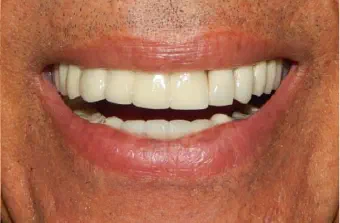
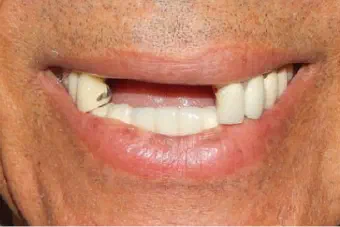
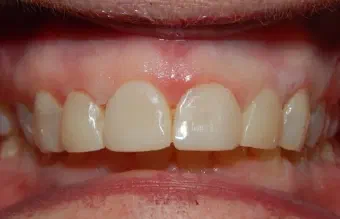
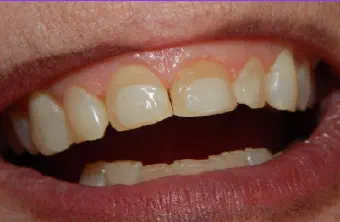
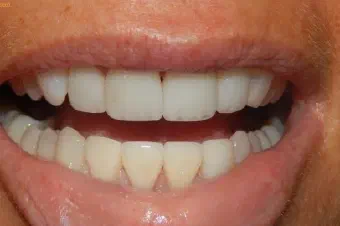
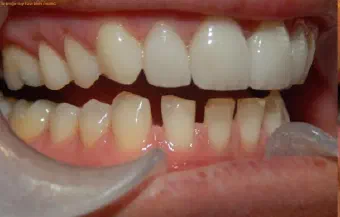
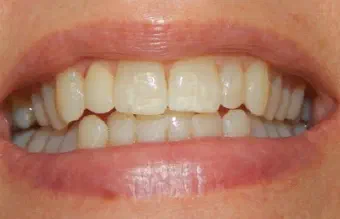
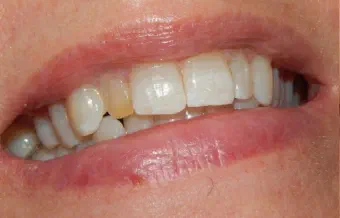
Before & after smile gallery.

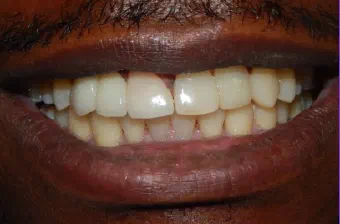
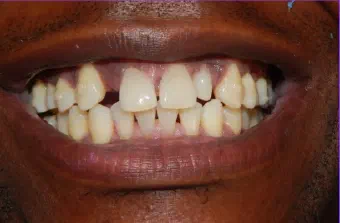
Drag the centre line to compare each real case treated by our dental team. Every smile begins with a personal assessment and a plan shaped around the patient.

Areas We Serve

Neighbourhood dental care, close to home.

Located in Cookstown, Innisfil, our dental team welcomes patients from communities across South Simcoe, Barrie, and northern York Region.

Get directions
  • Cookstown
  • Innisfil
  • Simcoe
  • Lake Simcoe
  • Alcona
  • Stroud
  • Lefroy–Belle Ewart
  • Gilford
  • Churchill
  • Sandy Cove
  • Innisfil Heights
  • Fennell’s Corners
  • Bradford
  • Bradford West Gwillimbury
  • Bond Head
  • Newton Robinson
  • New Tecumseth
  • Alliston
  • Beeton
  • Tottenham
  • Adjala–Tosorontio
  • Everett
  • Loretto
  • Barrie
  • Essa
  • Thornton
  • Baxter
  • Angus
  • Egbert
  • Ivy
  • Utopia
  • York Region
  • East Gwillimbury
  • Queensville
  • Holland Landing
  • Sharon
  • Schomberg
  • Nobleton

Don’t see your community listed? Contact us—we regularly welcome patients from throughout the surrounding region.

Google reviews

Kind words from our patients.

Read what patients have shared about their visits to Cookstown Dental Centre.

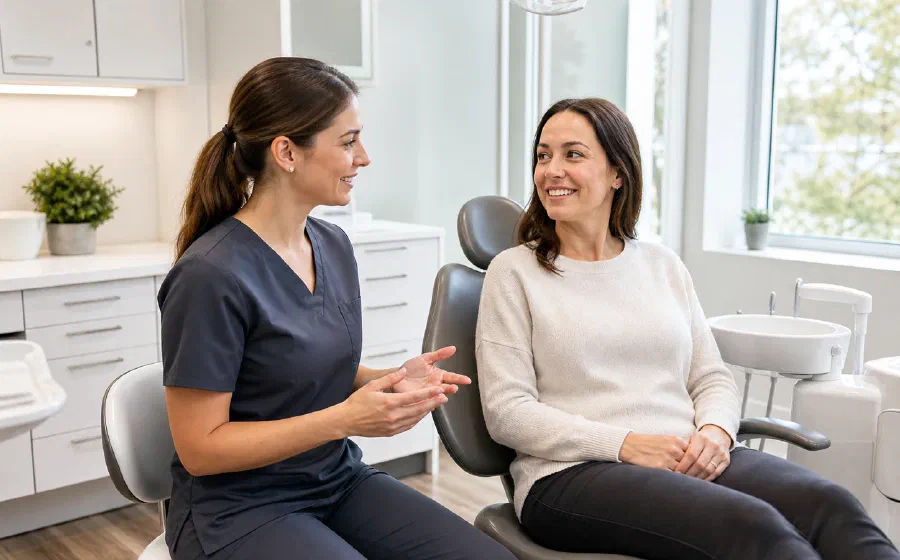
A dentist having a friendly consultation with a patient in a bright dental clinic

Your next step

Ready to feel good about your next dental visit?

Whether you are new to the clinic or returning for care, our team is here to make booking simple and answer your questions.

Call Book Now WhatsApp

How can we help?

The Cookstown Dental team is here for you.

Need an appointment, have a question, or want to talk through your options? Choose the next step that works best for you.

Send us a note

We’ll get back to you as soon as we can.