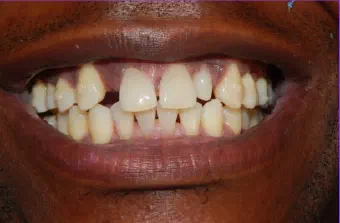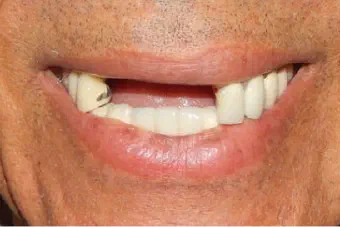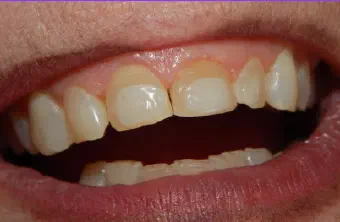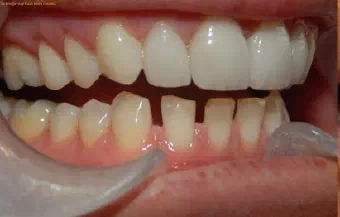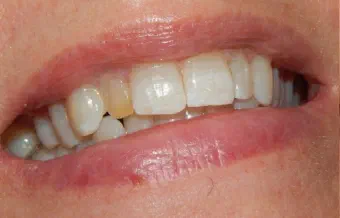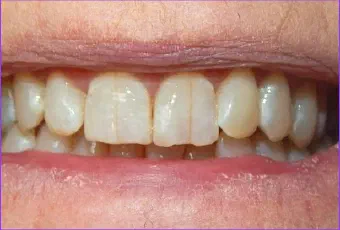

Worn, flattened, or chipped teeth
Enamel edges may look shorter, uneven, or increasingly polished.
Clinic hours
Plan your visit
Dental services
Explore a custom-fitted nightguard for managing grinding, clenching, and related wear.
Request an appointment
Nightguards near you
Many people grind or clench their teeth at night without realizing it. The first clues may be worn enamel, damaged dental work, jaw stiffness, sensitive teeth, or facial muscle fatigue on waking.
Cookstown Dental Centre provides personalized custom nightguards for patients from Cookstown, Innisfil, Barrie, Bradford, and nearby communities.
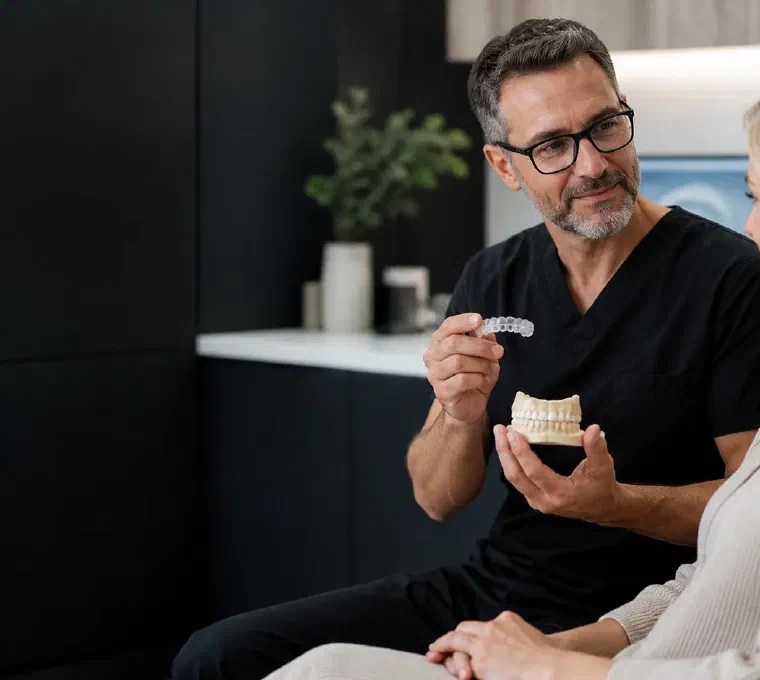
Made for your bite
Secure protection without a bulky one-size fit.
What is a Nightguard?
A nightguard is a removable appliance designed to separate and cushion the upper and lower teeth. It protects enamel, fillings, crowns, and other restorations from direct tooth-to-tooth forces.
Nighttime grinding or clenching is called sleep bruxism. It can gradually wear teeth down and overwork the jaw muscles, even when the person never hears or feels the grinding.
A nightguard does not necessarily stop the muscle activity. Instead, it provides a controlled surface that absorbs and distributes forces while preventing the natural teeth from grinding directly against one another.
Your fit is checked around your teeth, bite, and existing dental work so the appliance is comfortable, stays secure, and can be monitored over time.
Why you might need a Nightguard
Stress, anxiety, sleep conditions, medications, bite factors, and other influences may contribute to grinding or clenching. Symptoms can also have unrelated causes, so we examine the teeth, muscles, joints, and bite before recommending an appliance.
Enamel edges may look shorter, uneven, or increasingly polished.
Jaw muscles may feel tired or overworked after sleeping.
Muscle tension may contribute, though headaches require a broader assessment.
Worn surfaces or tiny cracks can expose more sensitive tooth structure.
Repeated heavy forces can chip or fracture existing dental work.
A partner may notice sounds even when you remain unaware of the habit.
Pressure may leave scalloped or ridged impressions on soft tissues.
Pain, tightness, or difficulty finding a relaxed position can disturb rest.
Why choose a custom Nightguard?
A custom appliance is designed around your teeth, wear pattern, restorations, and jaw movement—not simply softened and pressed into place.
Custom-made at the dental clinic
Store-bought guards
Over-the-counter guards may provide short-term protection for some people. However, a bulky, loose, or uneven appliance can feel uncomfortable and distribute pressure unpredictably.
Getting your custom Nightguard
The fitting process is straightforward, but the small checks at each stage make the finished appliance personal to your mouth.
We document tooth wear and dental work, then assess the bite, jaw muscles, joint movement, symptoms, and possible contributing factors.
An accurate record of your teeth gives the laboratory the detail needed to create a close, stable fit.
A dental laboratory makes the nightguard from durable dental-grade material selected for your protection and comfort needs.
At delivery, we check retention, pressure points, and bite contacts, then show you how to clean, store, and insert it correctly.
How Nightguards help
Benefits vary because jaw pain, headaches, and sleep disruption can have more than one cause. The most dependable role of a nightguard is protecting teeth and restorations from bruxism forces.
Separates the arches to reduce direct wear, chipping, and cracking from tooth-to-tooth contact.
Helps shield fillings, crowns, veneers, and other selected restorations from repeated grinding forces.
A properly adjusted surface may help selected patients wake with less jaw-muscle fatigue or stiffness.
Less tooth contact and muscle discomfort may reduce one source of overnight disturbance.
Limits progressive flattening and shortening that can alter bite, sensitivity, and appearance.
Preventing damage can help avoid some future restorative work caused by uncontrolled grinding.
Nightguards and TMJ symptoms
The temporomandibular joints connect the lower jaw to the skull. Problems involving the joints, jaw muscles, bite, or surrounding tissues can cause clicking, pain, facial or neck discomfort, and difficulty opening or chewing.
Our dentist evaluates your bite, tooth wear, muscle tenderness, jaw movement, joint sounds, and symptoms. A carefully selected appliance may help some patients, but not every TMJ disorder is caused by grinding and not every condition improves with a nightguard.
Depending on the findings, recommendations may also include self-care, habit changes, physical therapy, sleep assessment, medication guidance, or referral.
Taking care of your Nightguard
When it needs attention
The marks on a nightguard show where grinding forces concentrate. Some appliances last several years, while heavy grinders can wear through them much sooner.
Ask us to check it if:
Why choose Cookstown Dental Centre?
Our team understands how bruxism and jaw symptoms can affect comfort, sleep, dental work, and everyday life. We examine the full picture, design the appliance around your needs, and continue checking it after delivery.
Made from an accurate record of your own teeth.
Bite, jaw movement, muscles, joints, and restorations are assessed first.
Durable materials are selected for protection and comfort.
Contacts are refined so pressure is distributed as intended.
You leave knowing how to use, clean, and store the appliance.
We review fit and wear at your regular dental appointments.
Protect teeth and reduce overnight strain
Frequently asked questions
Material, grinding force, dental work, bite, and symptoms all affect the right answer for an individual patient.
A quality custom nightguard may last several years, but heavy grinding can wear one through sooner. Material, bite force, care, restorations, and changes to the teeth all affect replacement timing. Bring it to regular dental visits so we can check it.
It can feel unfamiliar for the first few nights. A well-fitted appliance should stay secure without pinching or creating excessive pressure. Persistent soreness, gagging, or bite changes should be adjusted rather than endured.
Over-the-counter guards may offer temporary protection, but they are not designed around your bite or dental work. A loose, bulky, or uneven guard can be uncomfortable and may distribute forces poorly. Significant wear or jaw symptoms should be professionally assessed.
Continued grinding can progressively wear, chip, or crack teeth and restorations and may contribute to muscle fatigue. The amount and speed of damage vary, but preventing it is often more conservative than rebuilding worn teeth later.
Not necessarily. A nightguard may help selected patients, but jaw pain and headaches have many possible causes. We assess the teeth, muscles, joints, bite, and symptoms before recommending an appliance or another form of care.
Bring the guard after a crown, bridge, implant, or major filling. New restorations can change its fit or pressure points, so the appliance may need adjustment or replacement before regular use continues.
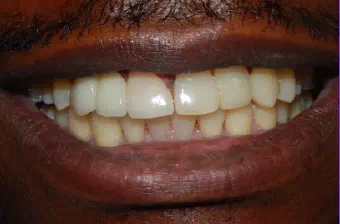
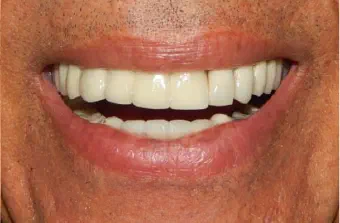
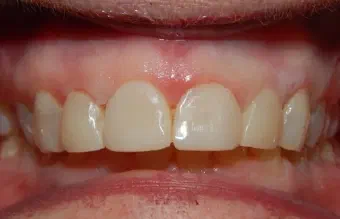
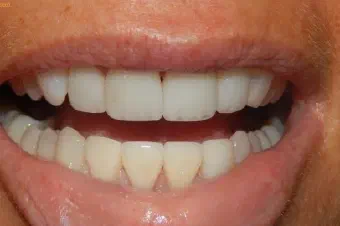
Real patient results
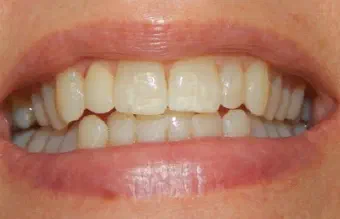
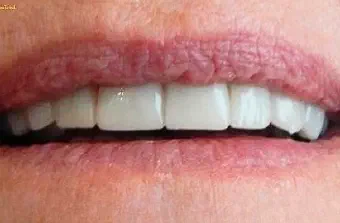
Drag the centre line to compare each real case treated by our dental team. Every smile begins with a personal assessment and a plan shaped around the patient.
Areas We Serve
Located in Cookstown, Innisfil, our dental team welcomes patients from communities across South Simcoe, Barrie, and northern York Region.
Don’t see your community listed? Contact us—we regularly welcome patients from throughout the surrounding region.
Google reviews
Read what patients have shared about their visits to Cookstown Dental Centre.

Your next step
Whether you are new to the clinic or returning for care, our team is here to make booking simple and answer your questions.