

Cookstown Dental Centre
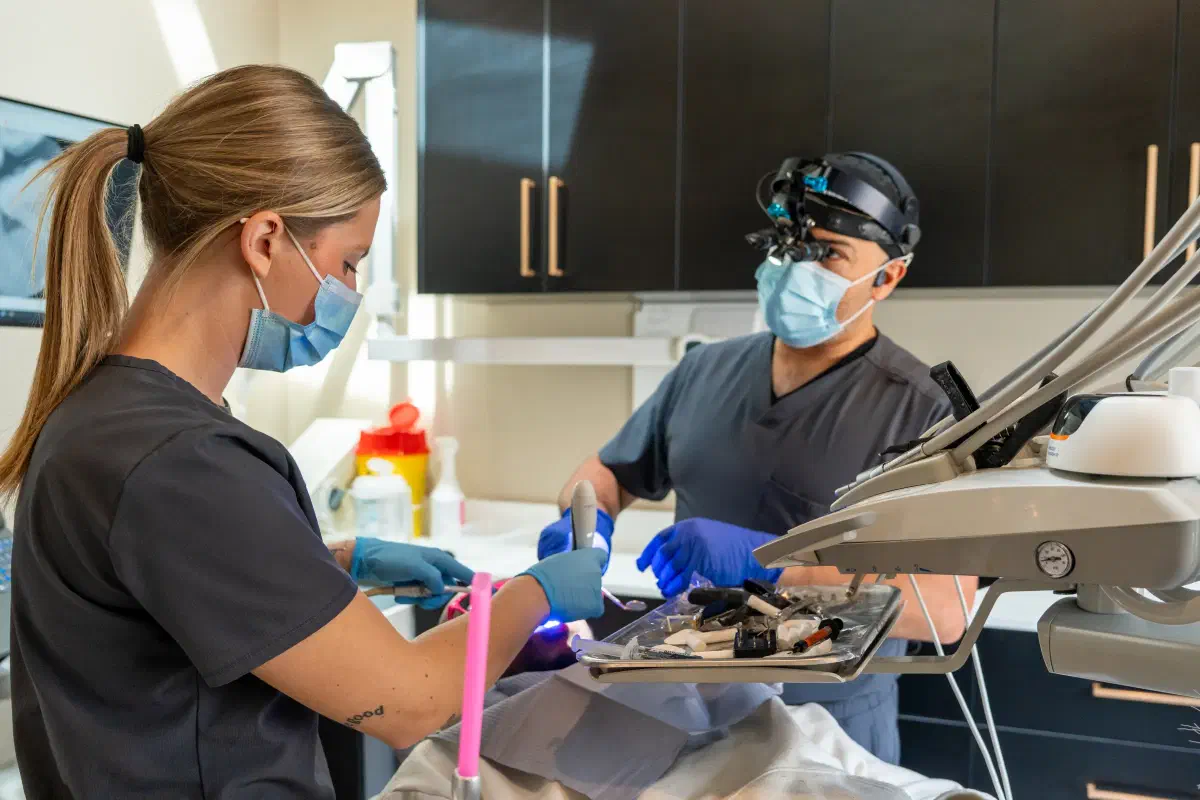
The Cookstown Dental Centre team caring for a patient in a treatment room

General & Family Dentistry · Cookstown

A first visit that starts with your questions.

Learn what to bring to a new patient dental examination, how the assessment may be planned, and how findings become a clear set of next steps.

Request an appointment

Let’s find a time that works.

Need urgent dental help? Call (705) 291-2222.

New Patient Dental Examinations in Cookstown

Begin where you are, whether care is recent or overdue.

A first dental visit can mean settling into a new community, finding a different clinic, or returning after a long break. You may have one specific concern or simply want to understand the condition of your mouth. Whatever brought you here, a useful examination begins with your priorities and the information needed to assess them.

At Cookstown Dental Centre, tell us what you hope to address and what would make the appointment easier. Previous records, a current health history, and an honest discussion of symptoms help the dentist build a picture of your needs. The result should be an explanation you can follow, with time to understand recommendations before deciding on treatment.

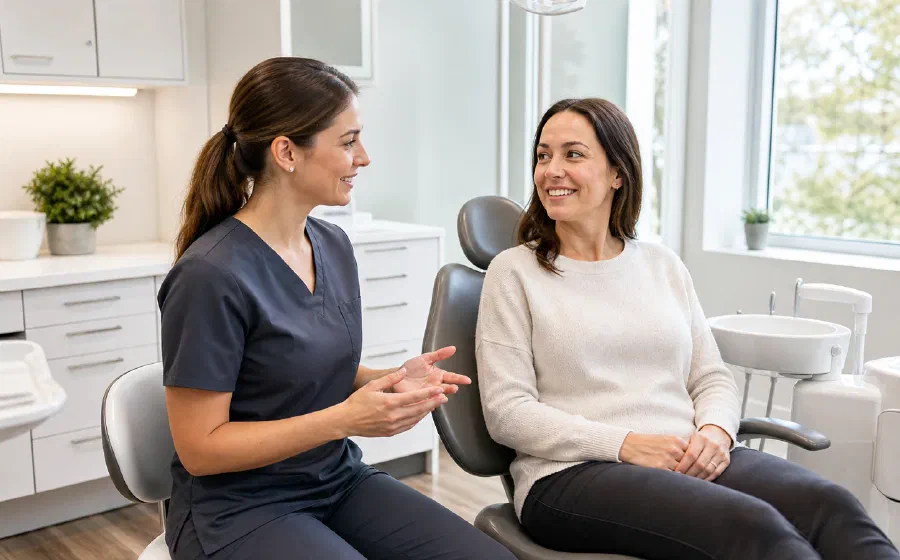
A new patient talking with a dentist beside a dental chair

Plan with confidence

Prepare the information that saves guesswork.

You do not need a perfect dental history. Bring what you have and tell the team where additional records might be available.

Your health information

List medicines, supplements, allergies, and relevant medical conditions. Mention recent surgery, pregnancy, or a significant change in health. Include contact details for clinicians involved in your care when coordination may be needed. Update the team if anything changes between completing a form and attending the appointment.
Your dental records and concerns

Tell us where and when you last received care and whether recent X-rays exist. Describe pain, sensitivity, bleeding, or a broken appliance, including when it began. If you have a treatment plan from another office, bring it as context rather than assuming it will automatically be repeated unchanged.

Your preferences and practical needs

Discuss anxiety, communication preferences, access needs, and any support person you want involved. Ask about the likely appointment length and cost. If there is one question you most want answered, write it down so it is not lost among forms and routine updates.

Your care, step by step

Build a baseline before choosing treatment.

The scope of a first visit depends on why you are attending. A focused urgent assessment and a comprehensive examination may involve different records and follow-up.

  1. Talk through your priorities

    The dentist considers your main concern, previous experiences, and goals. You can explain what has made care difficult or why you are seeking a new assessment. This conversation helps distinguish an immediate problem from longer-term preferences such as appearance, comfort, or maintaining existing dental work.

  2. Assess the mouth and relevant records

    The examination may include teeth, restorations, gums, oral tissues, bite, and other areas relevant to your needs. Imaging is selected for a clinical purpose, taking suitable previous records into account. Ask what each recommended record will help the dentist understand.

  3. Explain the findings and options

    The dentist can identify areas that are healthy, concerns needing attention, and findings that may be monitored. Ask about priorities, alternatives, costs, and the consequences of waiting. If several steps are involved, a staged explanation can make the overall plan easier to understand.

Two parts of the picture

The examination and the cleaning may be separate.

Knowing what has been booked helps you set expectations. Mention symptoms at the time of scheduling so the visit can be matched to the care you need.

An assessment establishes the plan

The dentist needs to understand the condition of the mouth before recommending appropriate care. A new patient examination does not automatically mean all treatment will be completed the same day. Some findings need additional records, medical information, or a separate appointment before decisions can be finalized.

Hygiene care follows the findings

Cleaning needs vary with gum condition and deposit levels. The team can explain whether hygiene care is planned for the same day or another visit and whether more focused periodontal treatment is indicated. A fixed appointment label should not override the amount or type of care actually needed.

A closer look

Leave with three things made clear.

A first examination is useful when it makes the next decision easier. You can ask for explanations to be repeated or written down.

  1. What matters first

    Understand which concern is urgent, which is preventive, and which is optional. If you have a limited budget or schedule, say so. The dentist can explain how priorities affect sequencing without presenting every item as equally time-sensitive.

  2. What your options involve

    Ask about the expected benefit, limitations, maintenance, and appointment demands of the proposed care. If you are uncertain, identify the part that is unclear. An informed choice requires more than knowing the name of a procedure or seeing a total on an estimate.

  3. How follow-up will work

    Confirm which appointment comes next, what it will cover, and what to do if symptoms change. If records or medical input are still needed, clarify who is arranging them. A clear handover helps prevent the plan from stalling between the examination and the next visit.

Frequently asked questions

Your questions about new patient dental examinations.

What if I have not seen a dentist for years?

Tell the team without feeling that you need to apologize. The examination is a starting point for understanding your current needs. Ask about pace, priorities, and costs. A long gap does not by itself determine how much treatment you need or what options will be recommended.

Will I need new X-rays?

The dentist decides based on your history, examination, and available records. Suitable recent images may be useful, so tell the clinic where they were taken. New imaging should answer a clinical question rather than being repeated solely because this is your first visit at a different office.

Can I have a cleaning at the first visit?

Ask when booking. The plan depends on the appointment, your gum condition, and the time needed for appropriate care. A cleaning may be arranged separately after assessment. Mention any urgent symptoms so they are not left for an appointment designed only for routine hygiene.

Do I have to agree to treatment immediately?

You can ask questions about recommendations, alternatives, costs, and timing before deciding. The dentist should explain any risks associated with delay, especially for active problems. Understanding those risks allows you to make a considered decision rather than feeling that every finding requires an immediate commitment.

Can I transfer my old dental records?

Ask the clinic about permission and the information needed to request them. Previous images and treatment notes may help establish a baseline. Records do not replace a current examination, but they can reduce uncertainty and sometimes avoid duplicating suitable recent information.

What if I am anxious?

Tell the team before the appointment and describe what is most difficult: needles, sounds, uncertainty, pain, or a previous experience. Agree on a pause signal and ask for explanations at a comfortable pace. Additional options can be discussed after the dentist understands your needs.

What should I do if I have pain before the appointment?

Contact the clinic and describe the change rather than waiting without advice. The scope or timing of the visit may need adjustment. Include swelling, fever, or difficulty swallowing when reporting symptoms so the team can assess the appropriate next step.

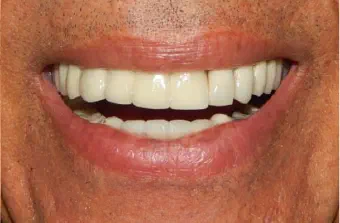
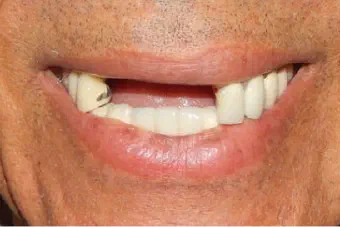
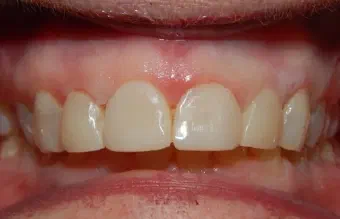
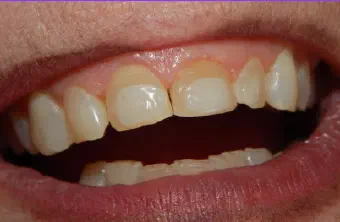
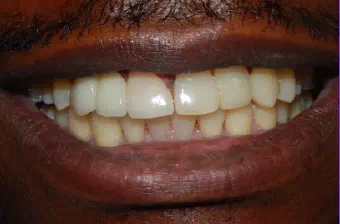
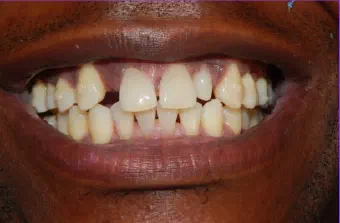
Real patient results

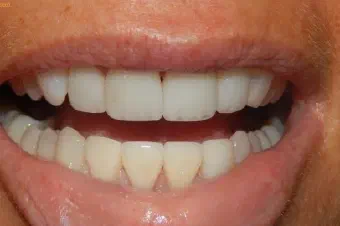
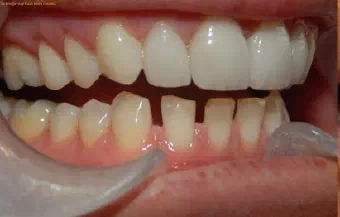
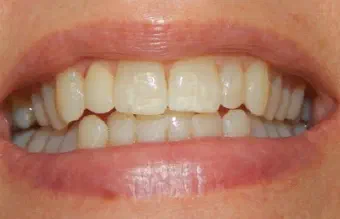
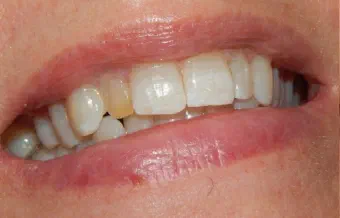
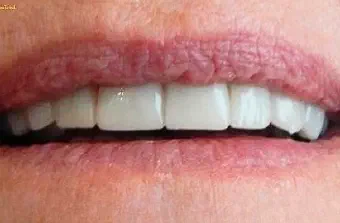
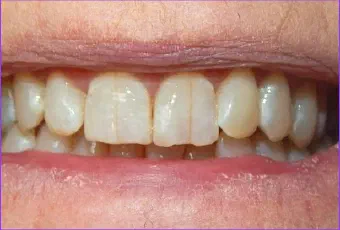
Before & after smile gallery.

Drag the centre line to compare each real case treated by our dental team. Every smile begins with a personal assessment and a plan shaped around the patient.

Areas We Serve

Neighbourhood dental care, close to home.

Located in Cookstown, Innisfil, our dental team welcomes patients from communities across South Simcoe, Barrie, and northern York Region.

Get directions
  • Cookstown
  • Innisfil
  • Simcoe
  • Lake Simcoe
  • Alcona
  • Stroud
  • Lefroy–Belle Ewart
  • Gilford
  • Churchill
  • Sandy Cove
  • Innisfil Heights
  • Fennell’s Corners
  • Bradford
  • Bradford West Gwillimbury
  • Bond Head
  • Newton Robinson
  • New Tecumseth
  • Alliston
  • Beeton
  • Tottenham
  • Adjala–Tosorontio
  • Everett
  • Loretto
  • Barrie
  • Essa
  • Thornton
  • Baxter
  • Angus
  • Egbert
  • Ivy
  • Utopia
  • York Region
  • East Gwillimbury
  • Queensville
  • Holland Landing
  • Sharon
  • Schomberg
  • Nobleton

Don’t see your community listed? Contact us—we regularly welcome patients from throughout the surrounding region.

Google reviews

Kind words from our patients.

Read what patients have shared about their visits to Cookstown Dental Centre.

A dentist having a friendly consultation with a patient in a bright dental clinic

Your next step

Ready to feel good about your next dental visit?

Whether you are new to the clinic or returning for care, our team is here to make booking simple and answer your questions.

Call Book Now WhatsApp

How can we help?

The Cookstown Dental team is here for you.

Need an appointment, have a question, or want to talk through your options? Choose the next step that works best for you.

Send us a note

We’ll get back to you as soon as we can.