Cookstown Dental Centre
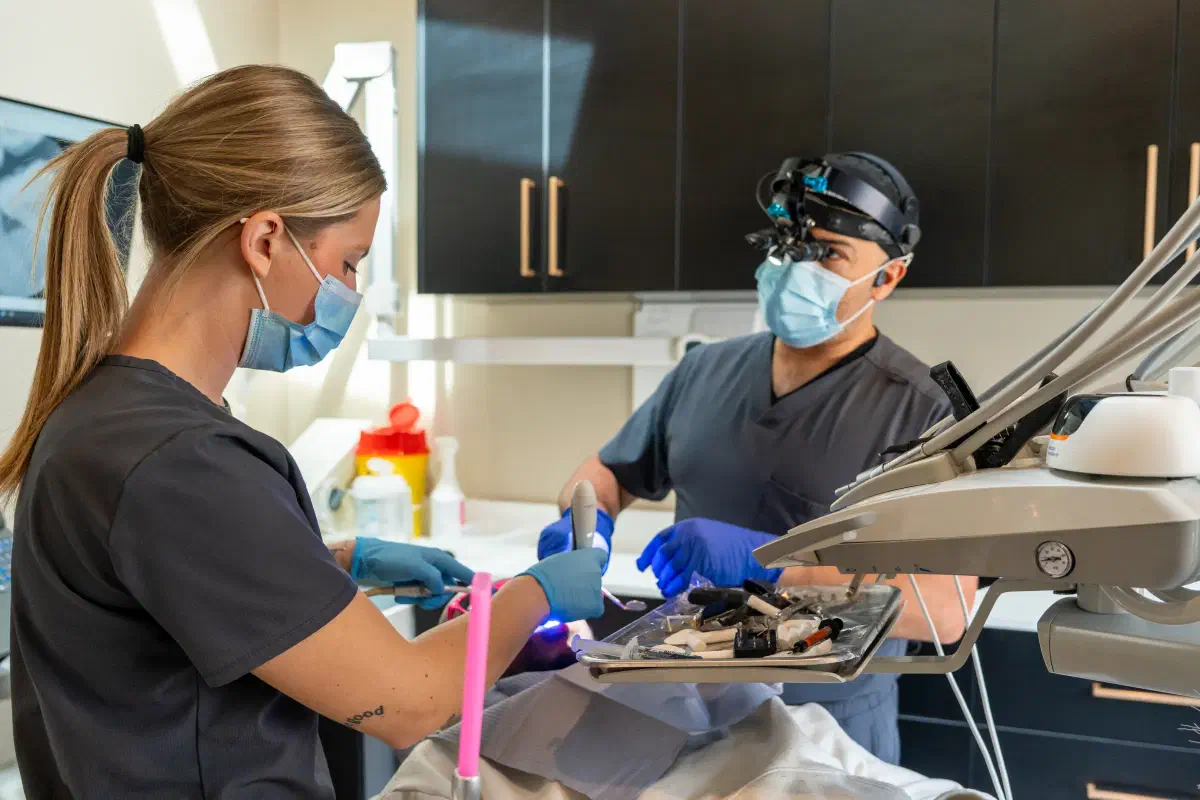
The Cookstown Dental Centre team caring for a patient in a treatment room

Restorative Dentistry · Cookstown

Protect the exposed tooth when a crown is lost.

Lost your dental crown? Learn how the exposed tooth is assessed, when the old crown may be reused, and what temporary protection or replacement may involve.

Request an appointment

Let’s find a time that works.

Need urgent dental help? Call (705) 291-2222.

Lost Dental Crown Treatment in Cookstown

A missing crown leaves a tooth that needs its own assessment.

A crown may detach intact, break, or be lost completely. The exposed tooth can feel rough or sensitive, and it may be vulnerable to further damage. Whether the old crown is available matters, but it is not the only consideration: the condition of the underlying tooth and any core or post determines what can be restored.

Contact Cookstown Dental Centre and explain whether the crown is missing, available to bring in, or attached to a piece of tooth. Tell the team about pain, swelling, recent injury, and previous root canal treatment. The appointment may lead to recementation, temporary protection, repair of the foundation, or a new restoration. A lost crown should not be treated as a simple replacement purchase before the supporting tooth has been examined.
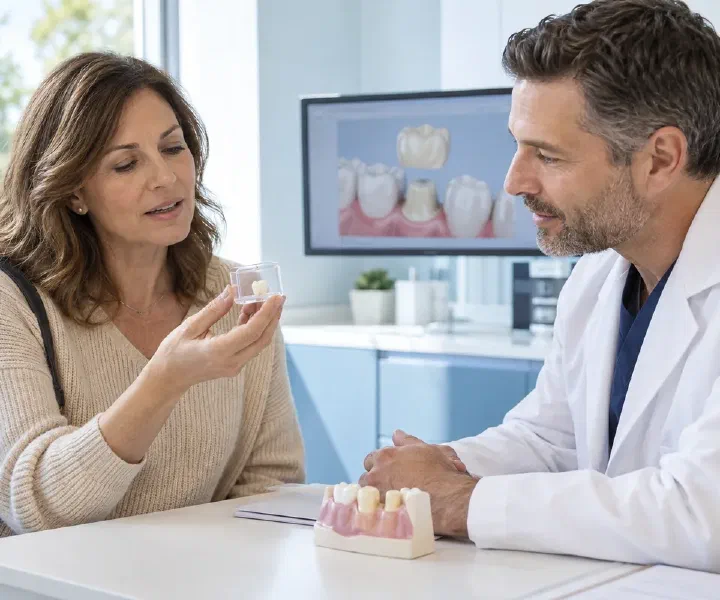
A patient discussing a detached dental crown and replacement options with a dentist

Step by step

Take practical steps without attempting a home repair.

Protecting the area and preserving the detached restoration can help the assessment.

  1. Keep the crown if you can find it

    Place the crown and any attached pieces in a clean container and bring them to the appointment. Do not scrape material from inside or separate a post or tooth fragment. The way the restoration detached can provide information about the supporting structure and repair options.

  2. Avoid loading or gluing the exposed tooth

    Choose foods that do not stress the area and avoid hard or sticky items on that side. Do not use household glue or force the crown into place. Contact the clinic for individualized advice about temporary measures rather than relying on a repair that may not fit safely.

  3. Arrange assessment and describe urgent symptoms

    Let the clinic know about pain, swelling, bleeding after injury, or a sharp edge injuring the mouth. Timing depends on the situation. Rapidly spreading swelling or difficulty swallowing or breathing requires emergency care rather than waiting for an ordinary crown appointment.

What we consider

Assess what remains beneath the missing crown.

The tooth’s condition determines whether and how another crown can be supported.

Remaining sound tooth structure

The dentist examines the exposed tooth for decay, fractures, and the amount of usable structure. A crown that came away with a large piece of foundation may signal a different problem from one that simply lost retention. The treatment plan follows those findings.

The internal restoration and root

A core, post, or previously treated root may need assessment. Imaging and clinical tests are used when indicated. A tooth without sensitivity is not necessarily free of a problem, particularly after root canal treatment, so the evaluation should not depend only on pain.

The old crown and the bite

If available, the crown is checked for fit, damage, and suitability. Contacts and possible contributing forces also matter. A restoration that appears intact in your hand may not be appropriate to reuse if the tooth has changed or the original fit is no longer acceptable.

Understanding the options

Discuss the options with or without the original crown.

Availability of the old restoration affects the plan, but does not decide it alone.

Reuse a suitable crown

Professional recementation may be possible when the crown and tooth remain appropriate. The dentist explains the condition of the foundation and any limitations. Reusing the crown can be a focused solution, but it should not conceal untreated decay or a structural problem that requires a different approach.

Provide protection and plan a replacement

When the crown is missing or unsuitable, temporary protection may be considered while a definitive restoration is planned. The tooth may first need a new core or other care. If it cannot be predictably restored, alternatives should be discussed with the diagnosis and reasons made clear.

Good to know

Plan the period between the first visit and final treatment.

Temporary care has a purpose and a defined next step.

Understand the limits of temporary protection

A temporary restoration may protect the tooth or maintain appearance, but its strength and retention differ from a final crown. Follow the instructions for eating and cleaning, and report detachment or pain. Do not assume that a comfortable temporary can be left indefinitely without completing the plan.

Coordinate records, appearance, and timing

A new crown may require an impression or scan, shade information, and another fitting visit. Discuss visible concerns and any upcoming commitments, while recognizing that treatment timing depends on the tooth and fabrication process. If additional care is needed first, clarify the sequence and responsibilities.

Planning together

Reduce the chance of overlooking the cause.

The replacement visit should address why the crown was lost when that can be established.

Review recurrent failures

Tell the dentist if the same crown has come off before. The fit, foundation, bite, and restoration design may need reconsideration. Another recementation may be reasonable in some circumstances, but repeated loss should prompt a discussion of its limitations and any more durable alternative.

Check function after the repair

A new or recemented crown should be reviewed if it feels high, moves, or remains uncomfortable. Maintain the recommended cleaning around its margins and attend follow-up. A crown covers the tooth, but the remaining tooth structure and surrounding tissues still need preventive care.

Frequently asked questions

Questions about lost dental crown treatment

Can the old crown be used again?

Possibly, if it is intact, fits appropriately, and the underlying tooth is suitable. Bring it for assessment. Decay, fractures, or a changed foundation may make reuse inappropriate even when the crown looks undamaged outside the mouth.

What if I cannot find the crown?

The dentist can assess the exposed tooth and discuss protection and replacement without the original crown. Let the clinic know it is missing when booking. The condition of the tooth still determines the treatment needed before a new restoration is made.

Should I buy glue to put it back?

Do not use household glue or force the crown into place. Incorrect seating or an unsuitable repair can create further problems. Ask the clinic for advice about your situation and arrange professional assessment of both the crown and tooth.

Why does the uncovered tooth feel sensitive?

Exposed tooth structure can react to temperature or touch, but other causes are possible. Describe the triggers and whether pain lingers or occurs spontaneously. The dentist assesses the tooth rather than assuming sensitivity is the only issue after crown loss.

Is it less important if the tooth had a root canal?

No. A root-treated tooth may not feel temperature sensitivity, but it can still fracture or develop problems around its restoration. The absence of pain should not be used as a reason to leave the tooth unprotected or delay assessment indefinitely.

Will I need a temporary crown?

A temporary restoration may be appropriate depending on the tooth, appearance needs, and treatment sequence. It is not identical for every case. The provider explains what it is intended to protect and how to care for it until the next stage.

What if the crown was swallowed or inhaled?

If inhalation is suspected, or there is choking or breathing difficulty, seek emergency medical care. If you believe it was swallowed, obtain appropriate medical advice, especially with symptoms or attached sharp components, and tell the dental clinic what happened.

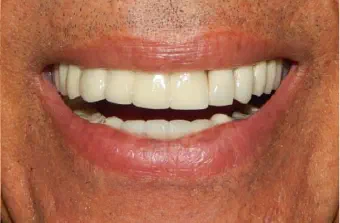
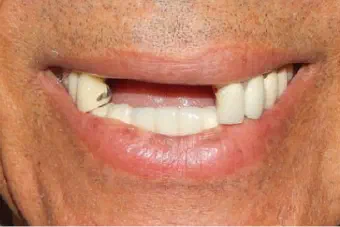
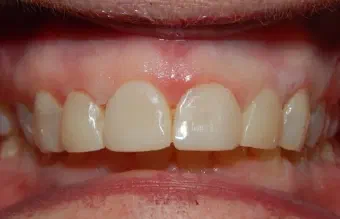
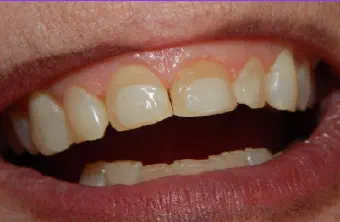
Real patient results

Before & after smile gallery.

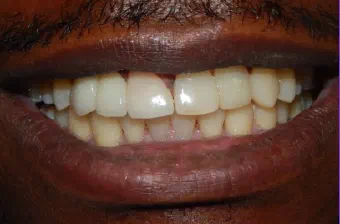
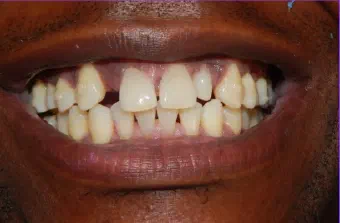
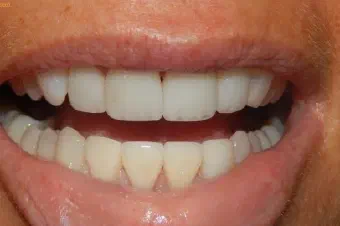
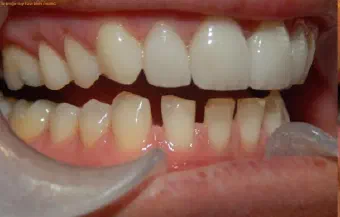
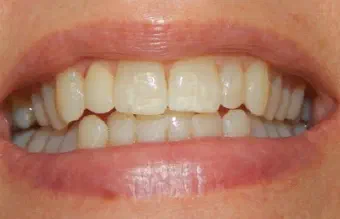
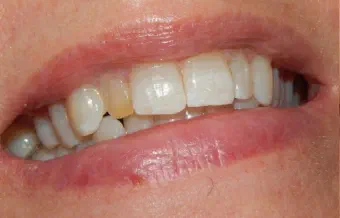
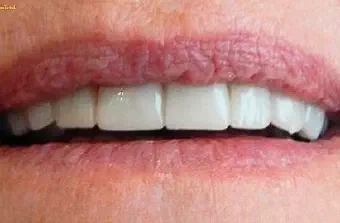
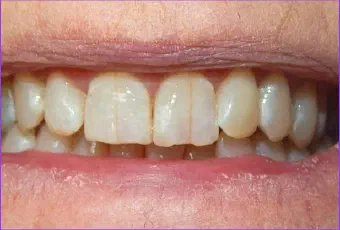
Drag the centre line to compare each real case treated by our dental team. Every smile begins with a personal assessment and a plan shaped around the patient.

Areas We Serve

Neighbourhood dental care, close to home.

Located in Cookstown, Innisfil, our dental team welcomes patients from communities across South Simcoe, Barrie, and northern York Region.

Get directions
  • Cookstown
  • Innisfil
  • Simcoe
  • Lake Simcoe
  • Alcona
  • Stroud
  • Lefroy–Belle Ewart
  • Gilford
  • Churchill
  • Sandy Cove
  • Innisfil Heights
  • Fennell’s Corners
  • Bradford
  • Bradford West Gwillimbury
  • Bond Head
  • Newton Robinson
  • New Tecumseth
  • Alliston
  • Beeton
  • Tottenham
  • Adjala–Tosorontio
  • Everett
  • Loretto
  • Barrie
  • Essa
  • Thornton
  • Baxter
  • Angus
  • Egbert
  • Ivy
  • Utopia
  • York Region
  • East Gwillimbury
  • Queensville
  • Holland Landing
  • Sharon
  • Schomberg
  • Nobleton

Don’t see your community listed? Contact us—we regularly welcome patients from throughout the surrounding region.

Google reviews

Kind words from our patients.

Read what patients have shared about their visits to Cookstown Dental Centre.

A dentist having a friendly consultation with a patient in a bright dental clinic

Your next step

Ready to feel good about your next dental visit?

Whether you are new to the clinic or returning for care, our team is here to make booking simple and answer your questions.

Call Book Now WhatsApp

How can we help?

The Cookstown Dental team is here for you.

Need an appointment, have a question, or want to talk through your options? Choose the next step that works best for you.

Send us a note

We’ll get back to you as soon as we can.