Cookstown Dental Centre
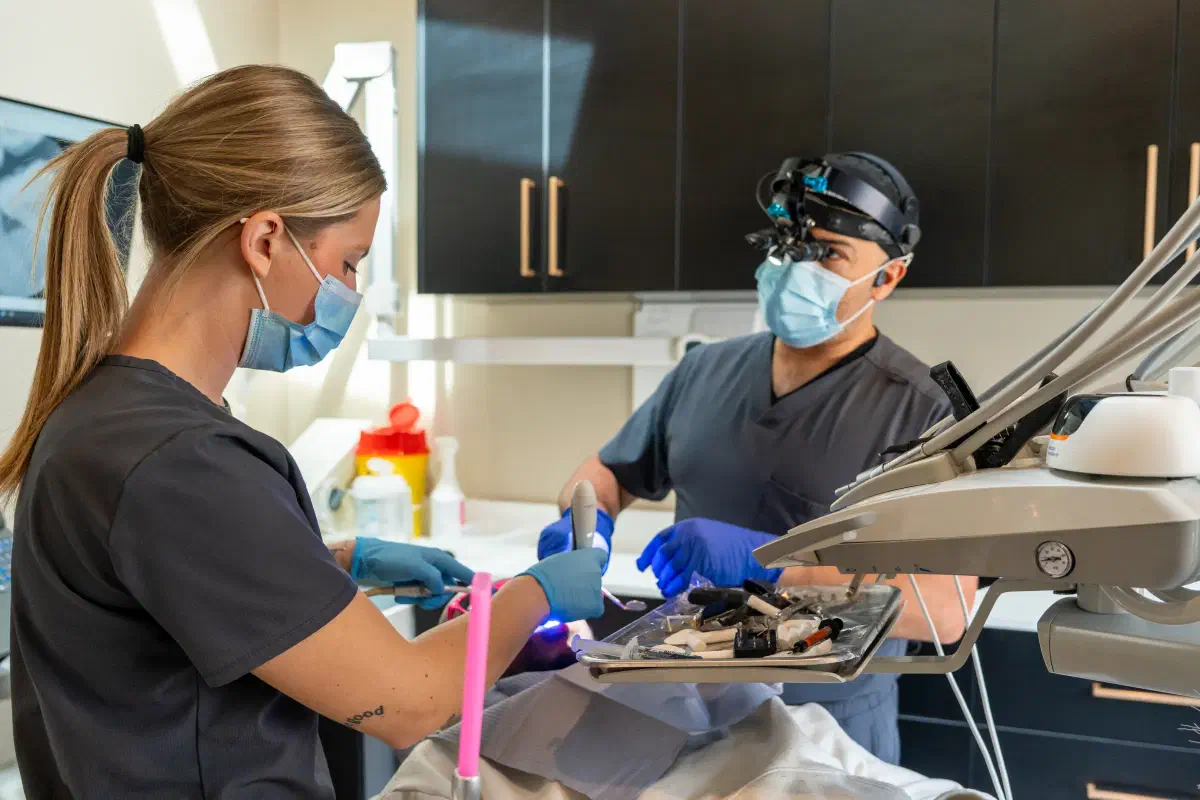
The Cookstown Dental Centre team caring for a patient in a treatment room

Cosmetic Dentistry · Cookstown

Keep an attachment problem connected to your aligner plan.

A lost Invisalign attachment needs advice from the treating provider. Review fit, repair planning, current-tray instructions, and coordination of ongoing care.

Request an appointment

Let’s find a time that works.

Need urgent dental help? Call (705) 291-2222.

Invisalign Attachment Repair in Cookstown

A small piece of resin can have a specific treatment role.

Invisalign attachments are tooth-coloured shapes bonded to selected teeth as part of a movement plan. If one chips or comes off, the significance depends on its location, the current stage, and how the aligner fits. The appropriate response is not always apparent from the size of the missing piece, and the treating provider should advise on the next step.

At Cookstown Dental Centre, tell us if an attachment concern relates to treatment provided here or elsewhere. We discuss the information needed to assess the tooth and coordinate any repair. The aim is to restore the intended function where appropriate without making an isolated change that conflicts with the active plan. Do not glue material back yourself or change your tray sequence without guidance.


A dentist holding an aligner beside a dental model with tooth-coloured attachments

Planning together

Make the first contact useful.

A clear description helps the treating team decide how urgently to review the concern and what instructions apply while you wait.

Identify the stage

Tell the provider which aligner you are wearing, when you started it, and when the attachment changed. Mention any recent interruption in wear or another lost component. The stage matters because the attachment’s role and the next planned movement may affect the advice about continuing or changing trays.

Describe fit and symptoms

Explain whether the tray seats fully, lifts around the tooth, feels sharp, or causes pain. A photograph may be useful if the clinic requests one, but it does not replace an examination where needed. New swelling, tooth injury, or significant pain should be described separately from the missing attachment.

Confirm who is supervising care

If treatment began elsewhere, provide the original clinician’s details and available records. The movement plan and attachment design may be needed before a repair can be considered. Clear coordination helps avoid assuming that any replacement shape placed on the tooth would serve the same purpose.

What we consider

Check the tooth, the attachment, and the tray together.

A repair decision should consider why the problem occurred and whether something else has changed. The missing material is only one part of the assessment.

The bonded surface

The dentist checks the tooth or restoration beneath the attachment and considers whether damage or another issue is present. Repeated loss may need a different explanation from a single isolated event. Tell us about prior repairs and any discomfort when the attachment first came away.

The planned attachment

Attachments are placed for particular roles within the treatment plan. Their position and form are not simply decorative. Where repair is indicated, the clinician needs the appropriate records or template and a clear understanding of the active plan rather than guessing the shape from an old photograph.

The aligner’s condition

A distorted, cracked, or poorly fitting tray can also affect how treatment is progressing. Bring the current aligner and any others the provider asks for. The assessment may lead to instructions about the appliance as well as the attachment, depending on what the clinician finds.

Step by step

Coordinate the repair with the treatment schedule.

The exact process depends on the active plan and who provides care. Ask what should happen before the next tray change rather than assuming the original schedule remains suitable.

  1. Receive interim instructions

    Contact the treating provider promptly and follow the advice given for your current stage. Do not automatically stop wear, move ahead, or return to an older tray without guidance. If the appliance is injuring the mouth or cannot seat, explain that specifically so the instructions address the actual problem.

  2. Rebond when appropriate

    If repair is indicated, the clinician prepares the surface and replaces the attachment according to the treatment requirements. Comfort and isolation are discussed as needed. A repair appointment should also consider repeated loss, excess material, and any tooth or restoration issue that could affect retention.

  3. Recheck seating and next steps

    The aligner fit is reviewed after repair, and the provider confirms the wear and change schedule. Ask whether an extra review or adjustment is needed. Knowing which tray to use and when to contact the team is as important as seeing the attachment back on the tooth.

Practical guidance

Reduce avoidable interruptions without improvising treatment.

Careful handling and communication support the plan. They do not guarantee that an attachment will never need repair.

Use the demonstrated removal technique

Remove aligners as instructed rather than pulling abruptly from a difficult spot. If removal repeatedly feels impossible or stresses one area, ask for a demonstration. A tool or technique suitable for someone else may not be appropriate for your appliance or attachment arrangement.

Keep records of repeated problems

Note which attachment has failed and when it happened, particularly if the same site has needed more than one repair. Share changes in tray fit or biting discomfort. This information helps the provider investigate the pattern instead of treating every loss as an unrelated event.

Avoid home adhesives or reshaping

Do not use household glue, nail products, or abrasive tools on the tooth or attachment. These do not recreate the intended bonded shape and can complicate assessment. Keep the appliance safe and obtain professional instructions if you are away from the treating clinic when a problem occurs.

Frequently asked questions

Questions about invisalign attachment repair

Is a lost attachment a dental emergency?

It usually requires prompt contact with the treating provider rather than automatic emergency treatment, but symptoms matter. Significant pain, swelling, trauma, or an appliance causing injury should be reported clearly. The provider can advise on urgency for your situation.

Should I keep wearing the current aligner?

Ask the treating provider for instructions based on the attachment, stage, and tray fit. Do not assume that stopping, continuing, or changing trays is always correct. Explain whether the appliance seats properly and whether it is causing discomfort.

Can another dentist replace the attachment?

Possibly, but appropriate records and coordination may be needed. The attachment belongs to a specific movement plan. A new provider should not be expected to recreate it accurately without understanding the design and the treatment being supervised.

Can I glue the piece back onto my tooth?

No. Home adhesives are unsuitable for recreating an orthodontic attachment and may harm tissues or complicate treatment. Contact the provider and keep the aligner safe. The clinician determines whether and how rebonding is needed.

Will one missing attachment ruin the treatment?

Not necessarily. The effect depends on its role, the current stage, and how quickly the concern is assessed. Avoid assuming either that it is harmless or that the whole plan has failed. The treating clinician can explain the significance.

Why does the same attachment keep coming off?

Several factors may contribute, including the bonded surface, technique, forces, or appliance fit. Repeated loss needs review. Tell the provider which site is affected and how often it has happened rather than repeatedly arranging a repair without discussing the pattern.

Will repair cost extra?

Costs depend on the original agreement, provider, circumstances, and any additional assessment needed. Ask the treating clinic what is included and clarify fees before care elsewhere. A repair should not be assumed free or covered by every treatment package.

Real patient results

Before & after smile gallery.

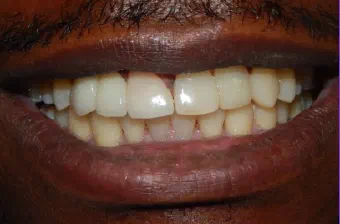
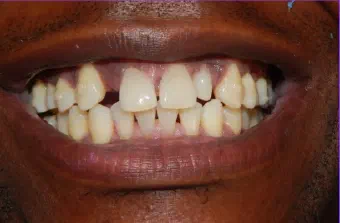
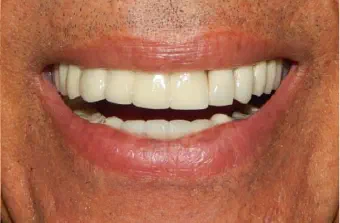
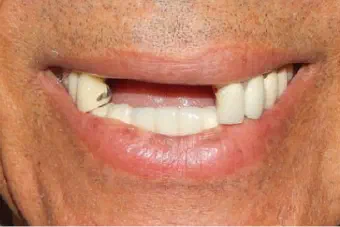
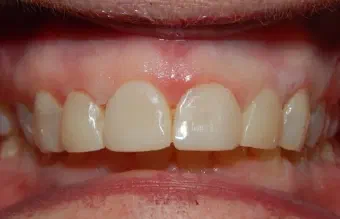
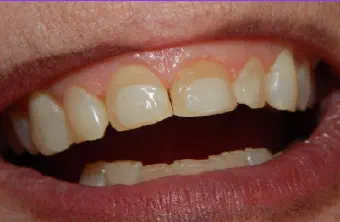
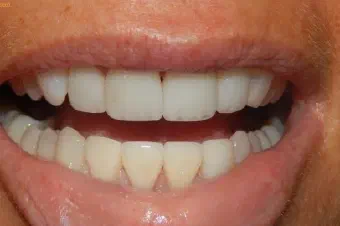
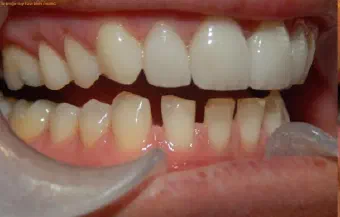
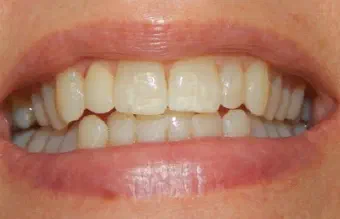
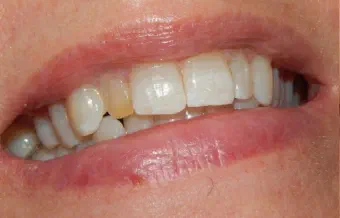
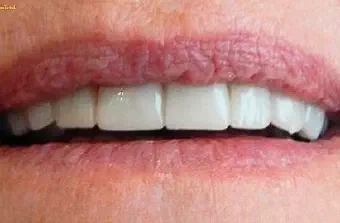
Drag the centre line to compare each real case treated by our dental team. Every smile begins with a personal assessment and a plan shaped around the patient.

Areas We Serve

Neighbourhood dental care, close to home.

Located in Cookstown, Innisfil, our dental team welcomes patients from communities across South Simcoe, Barrie, and northern York Region.

Get directions
  • Cookstown
  • Innisfil
  • Simcoe
  • Lake Simcoe
  • Alcona
  • Stroud
  • Lefroy–Belle Ewart
  • Gilford
  • Churchill
  • Sandy Cove
  • Innisfil Heights
  • Fennell’s Corners
  • Bradford
  • Bradford West Gwillimbury
  • Bond Head
  • Newton Robinson
  • New Tecumseth
  • Alliston
  • Beeton
  • Tottenham
  • Adjala–Tosorontio
  • Everett
  • Loretto
  • Barrie
  • Essa
  • Thornton
  • Baxter
  • Angus
  • Egbert
  • Ivy
  • Utopia
  • York Region
  • East Gwillimbury
  • Queensville
  • Holland Landing
  • Sharon
  • Schomberg
  • Nobleton

Don’t see your community listed? Contact us—we regularly welcome patients from throughout the surrounding region.

Google reviews

Kind words from our patients.

Read what patients have shared about their visits to Cookstown Dental Centre.

A dentist having a friendly consultation with a patient in a bright dental clinic

Your next step

Ready to feel good about your next dental visit?

Whether you are new to the clinic or returning for care, our team is here to make booking simple and answer your questions.

Call Book Now WhatsApp

How can we help?

The Cookstown Dental team is here for you.

Need an appointment, have a question, or want to talk through your options? Choose the next step that works best for you.

Send us a note

We’ll get back to you as soon as we can.