Cookstown Dental Centre
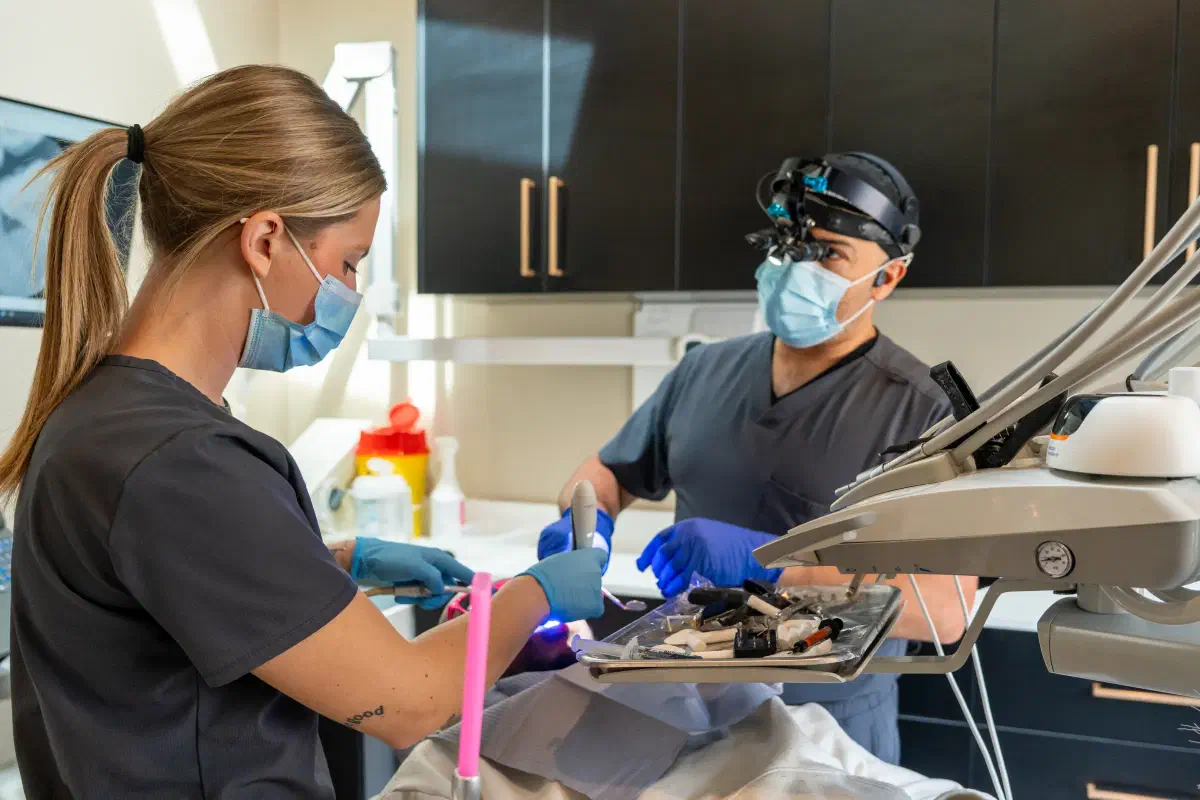
The Cookstown Dental Centre team caring for a patient in a treatment room

Restorative Dentistry · Cookstown

Make your implant hygiene visit useful from start to finish.

An implant hygiene appointment combines tissue checks, deposit removal, and practical cleaning advice. Learn what to bring and how follow-up is planned.

Request an appointment

Let’s find a time that works.

Need urgent dental help? Call (705) 291-2222.

Implant Hygiene Appointments in Cookstown

Professional cleaning works best when it is connected to an assessment.

An implant hygiene appointment is an opportunity to review how your implant restoration and its surrounding tissues are doing, as well as remove deposits that need professional attention. The visit should take account of the restoration you have, your previous findings, and any changes in cleaning, comfort, or function since the last review.

At Cookstown Dental Centre, useful information includes where food collects, which spaces you cannot reach, and whether bleeding or movement has appeared. Bring questions about the tools you use at home. The aim is to leave with a clearer understanding of the current findings and a workable routine, not simply a freshly cleaned surface. If the examination identifies a concern needing treatment, that next step should be distinguished from routine hygiene care.


A patient discussing implant hygiene tools with a dental hygienist

Planning together

Prepare a few details before the appointment.

Your experience between visits adds information that an examination alone may miss.

Describe changes and bring relevant records

Note bleeding, swelling, discomfort, clicking, or food trapping, including when each began. Implant information and previous images can be helpful if this is your first visit here. Tell the clinic about a loose restoration when booking because it may require a different appointment or additional assessment.

Bring the cleaning questions that matter at home

The name or a photograph of your usual tools and products can make the discussion more specific. Explain what is awkward rather than reporting only how often you brush. Update the team on medical and medication changes, and do not change prescribed medication on your own for the visit.

A closer look

Expect attention to tissues, deposits, and the restoration.

The scope follows your needs and the findings of the appointment.

  1. Review the tissues around the implants

    The provider assesses inflammatory signs and relevant measurements, comparing available previous records. Imaging is considered when indicated rather than automatically assumed at every visit. These findings help determine whether routine maintenance is appropriate or whether a separate implant assessment or disease-management plan is needed.

  2. Remove deposits with suitable methods

    Professional cleaning uses methods selected for the implant restoration and surrounding tissues. The approach may differ between a single crown, a bridge, and a denture. Tell the provider about sensitivity or difficult access so comfort and technique can be adjusted within the needs of effective care.

  3. Check what your daily routine can reach

    A demonstration can identify a practical route around contacts and beneath larger restorations. The provider may suggest different tools or handling. If the design itself limits access, the next step may involve restorative review rather than asking you to keep repeating a method that cannot reach the area.

Understanding the options

Keep routine hygiene separate from additional treatment needs.

A hygiene appointment can identify a problem without being the entire treatment for it.

Maintenance when findings are stable

When the tissues and restoration are suitable for ongoing care, the visit focuses on prevention, cleaning, and monitoring. The recall interval reflects your circumstances. Stable findings are useful information, but they do not remove the need to report a new symptom between appointments.

Further care when a concern is found

Persistent inflammation, altered support, movement, or damaged components may require another type of appointment. The team should explain the finding and proposed next step. More cleaning is not automatically the complete answer to a mechanical problem or established disease affecting implant support.

Care that fits

Adapt the appointment to the person and the appliance.

Practical adjustments can make both the visit and the home routine more manageable.

Access and comfort during care

Tell the team about mobility limitations, jaw fatigue, anxiety, or difficulty remaining in one position. Breaks and positioning can be discussed according to the care needed. Raising these concerns early helps plan the appointment and may make it easier to complete a useful examination and cleaning.

Support for complex restorations or caregiving

A full-arch restoration can have different access needs from one implant crown. If another person assists with care, discuss including them with consent. Demonstrating the actual cleaning route and safe handling can be more useful than providing the same general advice for every type of implant restoration.

Step by step

Leave with findings, instructions, and a follow-up plan.

The end of the visit should connect today’s care with what happens next.

  1. Understand what was found

    Ask whether the tissues were stable and whether any area needs closer review. If further treatment is recommended, clarify its purpose and urgency. Knowing the finding helps distinguish a preventive recommendation from a response to an identified problem with the implant or restoration.

  2. Practise the recommended home technique

    Check that you can use the suggested tool safely and comfortably. Ask which surfaces it should reach and how to maintain the tool itself. A short demonstration can uncover difficulties that written instructions alone may not show, especially around a bridge or fixed denture.

  3. Agree on the review interval

    The next hygiene visit depends on the tissue findings, risk, and maintenance needs. A separate restorative or implant appointment may be needed sooner. Keep the planned date, but contact the clinic earlier if bleeding, swelling, movement, or another significant change develops.

Frequently asked questions

Questions about implant hygiene appointments

Do implants need professional hygiene appointments?

Yes. Implants and their restorations require ongoing assessment and cleaning even though they do not develop cavities. The surrounding tissues can become diseased, and components can change. The appropriate schedule depends on your findings and maintenance needs.

Will the appointment clean my natural teeth too?

The booked scope depends on your oral health needs and appointment plan. Tell the clinic what restorations and natural teeth are present. Implant care should be coordinated with the rest of your dental care rather than treated as an isolated routine.

Are X-rays taken every time?

Not necessarily. Imaging is selected according to clinical indications, previous records, and the monitoring plan. The provider can explain why an image is recommended and what question it helps answer instead of using one schedule for every implant patient.

Can the hygienist fix a loose implant crown?

A loose restoration may need a dentist’s assessment and compatible component servicing. Mention movement before the visit so the clinic can plan appropriately. Routine cleaning should not be assumed to include every type of mechanical implant repair.

What if cleaning around the implant hurts?

Tell the provider where and when it hurts. Discomfort may involve technique, inflammation, access, or another issue needing assessment. Do not simply stop cleaning the area indefinitely or force a painful tool into a space without asking for guidance.

Should I bring my interdental brushes?

Bringing them, their packaging, or a clear photograph can help the team check whether they suit the space. A demonstration using your actual routine makes advice more practical and can identify an access problem that a verbal description misses.

How soon should the next appointment be?

The interval is based on tissue health, risk factors, restoration design, and home-care needs. Your provider will recommend a schedule. New symptoms should be reported sooner rather than saved for the next routine hygiene visit.

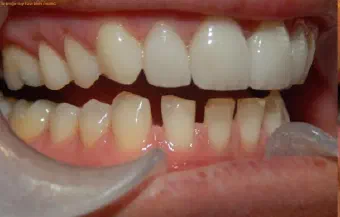
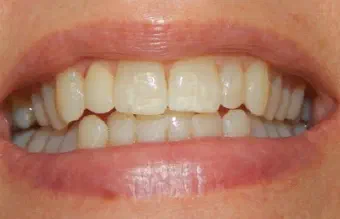
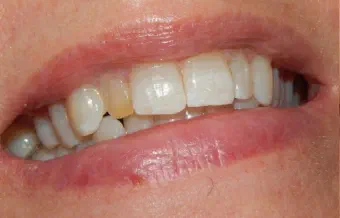
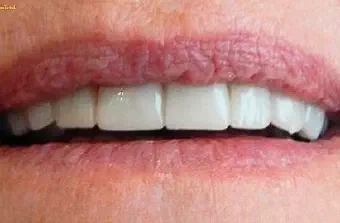
Real patient results

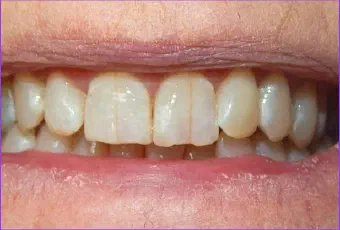
Before & after smile gallery.

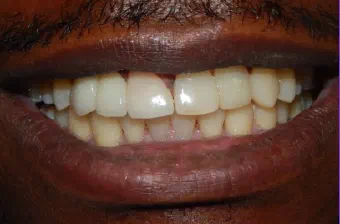
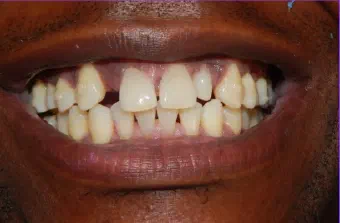
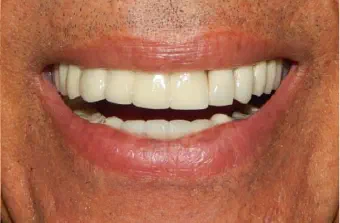
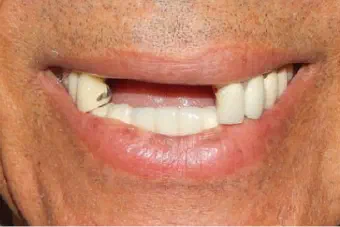
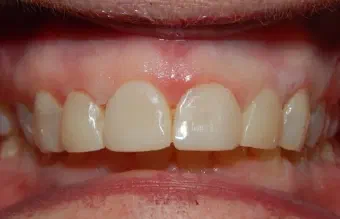
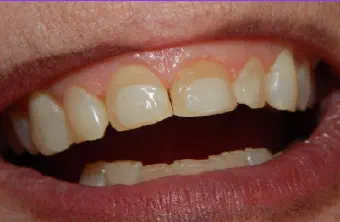
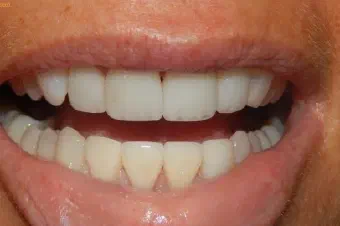
Drag the centre line to compare each real case treated by our dental team. Every smile begins with a personal assessment and a plan shaped around the patient.

Areas We Serve

Neighbourhood dental care, close to home.

Located in Cookstown, Innisfil, our dental team welcomes patients from communities across South Simcoe, Barrie, and northern York Region.

Get directions
  • Cookstown
  • Innisfil
  • Simcoe
  • Lake Simcoe
  • Alcona
  • Stroud
  • Lefroy–Belle Ewart
  • Gilford
  • Churchill
  • Sandy Cove
  • Innisfil Heights
  • Fennell’s Corners
  • Bradford
  • Bradford West Gwillimbury
  • Bond Head
  • Newton Robinson
  • New Tecumseth
  • Alliston
  • Beeton
  • Tottenham
  • Adjala–Tosorontio
  • Everett
  • Loretto
  • Barrie
  • Essa
  • Thornton
  • Baxter
  • Angus
  • Egbert
  • Ivy
  • Utopia
  • York Region
  • East Gwillimbury
  • Queensville
  • Holland Landing
  • Sharon
  • Schomberg
  • Nobleton

Don’t see your community listed? Contact us—we regularly welcome patients from throughout the surrounding region.

Google reviews

Kind words from our patients.

Read what patients have shared about their visits to Cookstown Dental Centre.

A dentist having a friendly consultation with a patient in a bright dental clinic

Your next step

Ready to feel good about your next dental visit?

Whether you are new to the clinic or returning for care, our team is here to make booking simple and answer your questions.

Call Book Now WhatsApp

How can we help?

The Cookstown Dental team is here for you.

Need an appointment, have a question, or want to talk through your options? Choose the next step that works best for you.

Send us a note

We’ll get back to you as soon as we can.