Cookstown Dental Centre
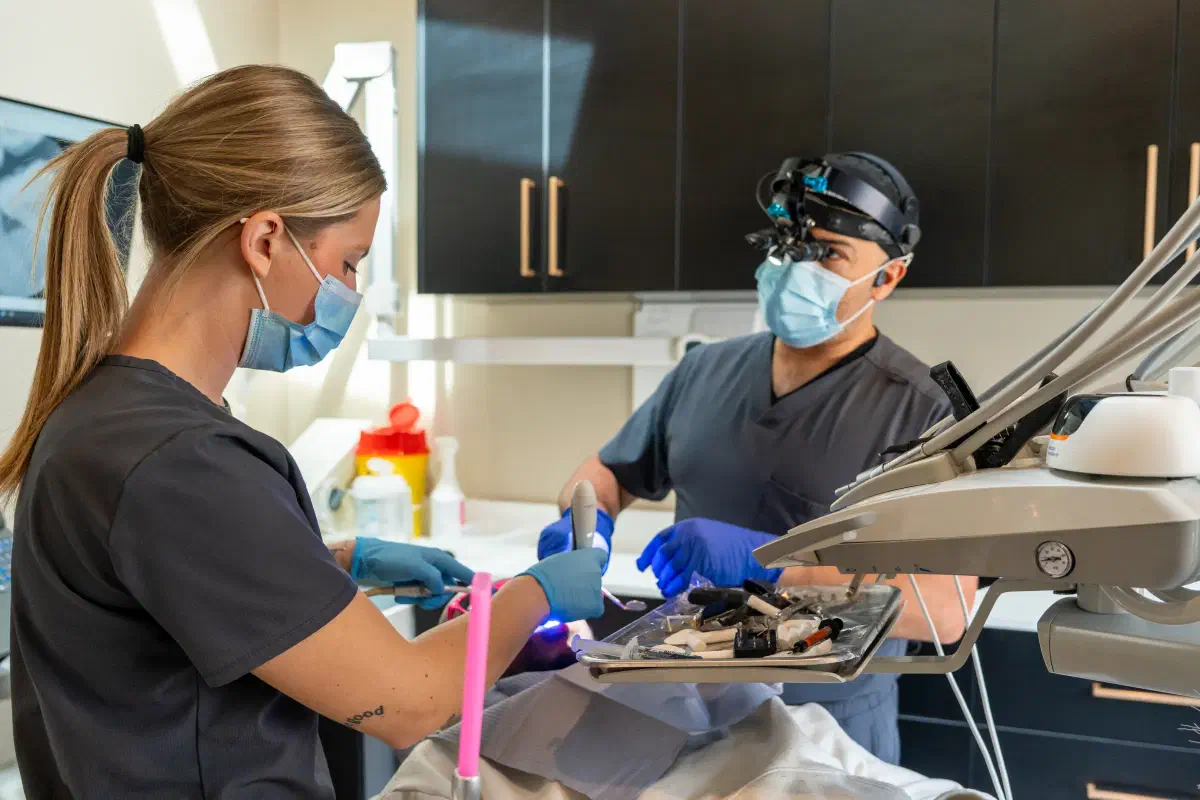
The Cookstown Dental Centre team caring for a patient in a treatment room

Specialized Care · Cookstown

Assess an impacted wisdom tooth before deciding how to manage it.

Impacted wisdom teeth need a site-specific assessment of disease, position, nearby structures, and removal risks. Explore monitoring, surgery, and recovery planning.

Request an appointment

Let’s find a time that works.

Need urgent dental help? Call (705) 291-2222.

Impacted Wisdom Teeth Removal in Cookstown

A tooth being impacted does not by itself describe the treatment it needs.

An impacted wisdom tooth has not erupted into a normal functional position, often because of limited space or its relationship to surrounding tissues and teeth. Some impacted teeth cause pain, inflammation, decay, or other problems; others are discovered during assessment without current symptoms. The decision to remove or monitor should account for the tooth’s condition and risks rather than the label alone.

At Cookstown Dental Centre, examination and appropriate imaging help assess the wisdom tooth, neighbouring molar, surrounding tissues, and relevant anatomy. The discussion includes the expected benefit of removal, the risks of retaining it, and the risks of surgery. Complex cases may require oral-surgical referral. If monitoring is chosen, it should have a clear review plan because lack of pain does not always establish the absence of disease.
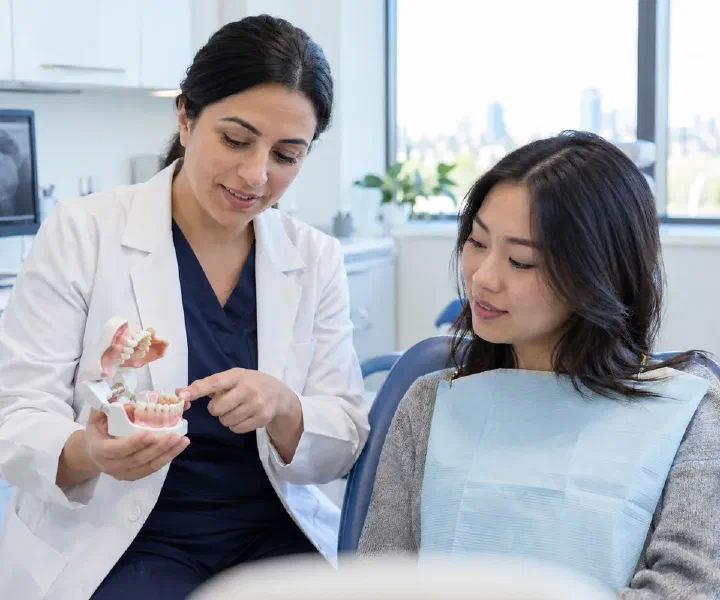
A dentist explaining an impacted back tooth on a jaw model to a young adult

Care that fits

Evaluate the tooth and the structures around it.

Position, disease, and anatomy influence the same decision in different ways.

The wisdom tooth and neighbouring molar

Decay, periodontal effects, resorption, or other damage can affect either tooth. The dentist checks the area rather than focus only on whether the wisdom tooth is painful. Protecting the adjacent molar may be part of the discussion when findings show that the impacted tooth is contributing to a problem.

Gum coverage and access for cleaning

A partially erupted tooth can have a tissue flap and difficult cleaning access, with recurrent inflammation in some cases. The frequency and severity of episodes matter. A local cleaning measure may address an episode without resolving the longer-term reason that the site remains vulnerable.

Root position and nearby anatomy

Appropriate images help evaluate roots, bone, nerves, and other relevant structures. Additional imaging is considered when it answers a specific planning question. The clinician should explain how anatomy affects the procedure and whether specialist assessment is appropriate rather than promise every impacted tooth is straightforward.

Understanding the options

Consider removal and monitoring with their respective responsibilities.

The decision should be based on a site-specific balance of benefit and risk.

Removal when disease or risk supports intervention

Surgery may be recommended for diagnosed problems or a supported preventive rationale. The provider explains what removal is intended to prevent or treat and the procedure’s relevant risks. The recommendation should not rely only on a general rule that every wisdom tooth must come out.

Monitoring when retention is appropriate

Selected teeth may be kept under review according to the clinical situation. Monitoring involves examination and imaging when indicated, not simply waiting indefinitely for severe pain. Ask what findings would change the plan and how the wisdom tooth and neighbouring molar will be assessed over time.

Planning together

Plan the procedure and provider before booking surgery.

Impaction can change access, complexity, and recovery needs.

Confirm the anticipated surgical approach

The clinician explains whether gum or bone access and tooth sectioning may be needed, and whether referral is recommended. These are planning considerations, not instructions for home care. Ask about the relevant risks for the actual site, including nerve or sinus relationships where applicable.

Review health, anaesthesia, and support arrangements

Provide medication and medical details, and discuss anxiety or previous anaesthetic difficulties. Sedation, if considered, needs separate assessment and preparation. Confirm transport, escort, eating instructions, and postoperative help according to the selected plan rather than assume every extraction has the same requirements.

The appointment

Follow the site from assessment through recovery.

The treatment sequence should include a response plan for unexpected symptoms.

  1. Address an acute episode when present

    Pain, swelling, or limited opening may need immediate assessment and local care before or as part of definitive planning. Spreading infection can change the appropriate setting. Medication alone should not be assumed to settle every recurrent problem or eliminate the need to reconsider the impacted tooth.

  2. Complete the planned removal when indicated

    The treating provider confirms consent and performs the procedure using appropriate anaesthesia and technique. You receive instructions specific to the surgery and any sutures or additional site care. Understand the expected recovery and contact route before leaving rather than relying on general advice from a different extraction.

  3. Review healing and the adjacent area

    Attend the recommended follow-up and report persistent or worsening symptoms. The neighbouring molar and tissue health may need ongoing care. Recovery is assessed clinically when concerns arise, rather than judging the result only from whether the visible socket has closed.

Practical guidance

Know which symptoms need a call and which need emergency care.

A clear distinction helps avoid both unnecessary delay and unsafe home treatment.

Increasing pain, bleeding, or persistent numbness

Contact the treating provider about pain that worsens after initial improvement, bleeding that does not settle with instructions, or altered sensation that concerns you. The cause needs assessment. Do not probe the socket, pack it with home remedies, or assume every postoperative symptom is expected.

Spreading swelling or difficulty breathing or swallowing

Seek emergency medical care for breathing or swallowing difficulty, rapidly spreading facial or neck swelling, eye involvement, or serious systemic illness. These changes should not wait for a routine wisdom-tooth review, whether or not surgery has already been scheduled or performed.

Frequently asked questions

Questions about impacted wisdom teeth removal

Does every impacted wisdom tooth need removal?

No single rule fits every case. Disease, position, effects on nearby teeth, future risk, and surgical risk are considered. If retention is appropriate, it needs a monitoring plan rather than an assumption that absence of pain means the tooth never needs review.

Can an impacted tooth cause problems without pain?

Yes. Some findings affecting the tooth or adjacent molar can be identified before significant symptoms develop. Examination and appropriate imaging help assess them. Pain is useful history but not the only criterion for deciding whether a tooth is healthy.

Will I need a three-dimensional scan?

Not automatically. Additional imaging is selected when it can clarify a specific anatomical or treatment-planning question beyond existing records. The provider should explain why it is recommended and how the result may influence the surgical plan or referral.

Why might I need an oral surgeon?

Complex impaction, anatomical relationships, medical factors, or other findings may make specialist assessment appropriate. The referral should explain the question or treatment need. It helps match the procedure to the right provider rather than guarantee that every case can be managed identically.

Can the tooth be treated during an infection episode?

The appropriate sequence depends on the extent of infection, access, medical context, and surgical findings. Some situations need urgent local care or escalation. The provider should explain the plan rather than assume antibiotics must always be completed before any source treatment.

What if I choose to keep the tooth?

Discuss the expected monitoring, cleaning needs, and signs that should prompt earlier review. The plan should include the adjacent molar and relevant imaging when indicated. Retention is an ongoing management decision, not simply cancellation of the current procedure.

When should swelling be treated as an emergency?

Do not wait for the planned operation if swelling starts to spread through the face or neck, reaches the eye, or is accompanied by serious illness. Breathing or swallowing problems require emergency medical care. Tell the surgical team about the episode when immediate risks have been addressed.

Real patient results

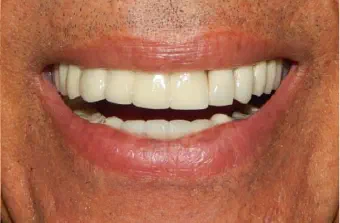
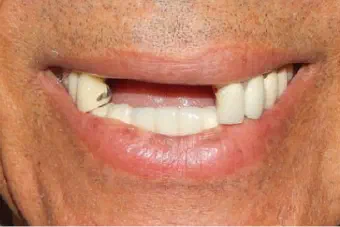
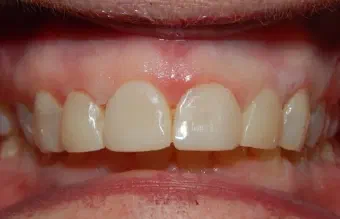
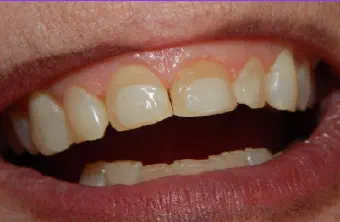
Before & after smile gallery.

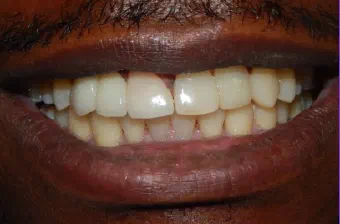
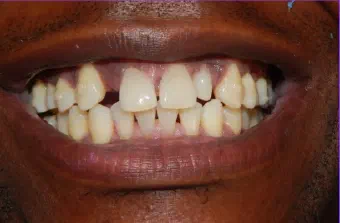
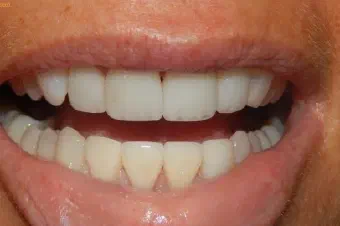
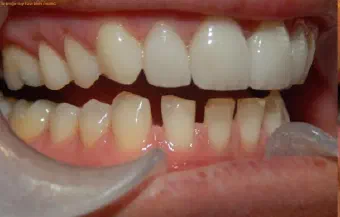
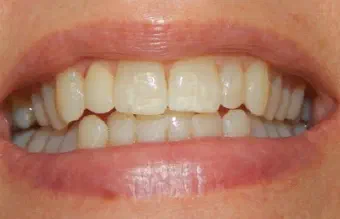
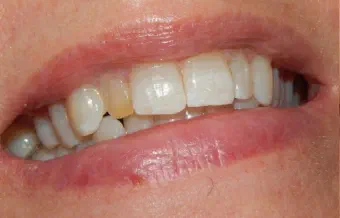
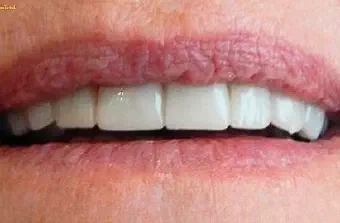
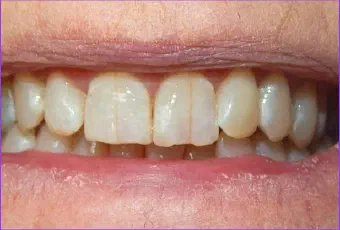
Drag the centre line to compare each real case treated by our dental team. Every smile begins with a personal assessment and a plan shaped around the patient.

Areas We Serve

Neighbourhood dental care, close to home.

Located in Cookstown, Innisfil, our dental team welcomes patients from communities across South Simcoe, Barrie, and northern York Region.

Get directions
  • Cookstown
  • Innisfil
  • Simcoe
  • Lake Simcoe
  • Alcona
  • Stroud
  • Lefroy–Belle Ewart
  • Gilford
  • Churchill
  • Sandy Cove
  • Innisfil Heights
  • Fennell’s Corners
  • Bradford
  • Bradford West Gwillimbury
  • Bond Head
  • Newton Robinson
  • New Tecumseth
  • Alliston
  • Beeton
  • Tottenham
  • Adjala–Tosorontio
  • Everett
  • Loretto
  • Barrie
  • Essa
  • Thornton
  • Baxter
  • Angus
  • Egbert
  • Ivy
  • Utopia
  • York Region
  • East Gwillimbury
  • Queensville
  • Holland Landing
  • Sharon
  • Schomberg
  • Nobleton

Don’t see your community listed? Contact us—we regularly welcome patients from throughout the surrounding region.

Google reviews

Kind words from our patients.

Read what patients have shared about their visits to Cookstown Dental Centre.

A dentist having a friendly consultation with a patient in a bright dental clinic

Your next step

Ready to feel good about your next dental visit?

Whether you are new to the clinic or returning for care, our team is here to make booking simple and answer your questions.

Call Book Now WhatsApp

How can we help?

The Cookstown Dental team is here for you.

Need an appointment, have a question, or want to talk through your options? Choose the next step that works best for you.

Send us a note

We’ll get back to you as soon as we can.