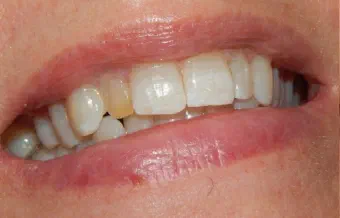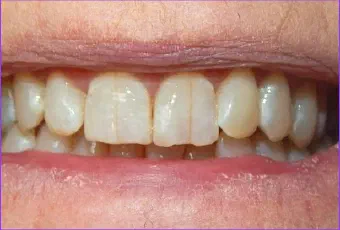

Gingivitis
Inflammation at the gumline.
Gums may become red, puffy, tender, and bleed easily, but supporting bone has not yet been lost. Professional cleaning and effective daily care can usually reverse this early stage.
Clinic hours
Plan your visit
Dental services
Learn about assessment and treatment options for protecting your gums and supporting oral health.
Request an appointment
Gum Disease Treatment near you
Red, swollen, tender, or bleeding gums can be early signs of gum disease. Persistent bad breath, recession, or loose teeth may indicate that the supporting tissues need closer attention.
Cookstown Dental Centre provides gentle, personalized gum disease treatment for patients from Cookstown, Innisfil, Barrie, Bradford, and nearby communities.

Healthy gums matter
Earlier assessment often means more conservative care.
What is Gum Disease?
Plaque is a sticky bacterial film that continually forms around teeth and gums. When it is not removed, it can harden into tartar, which cannot be brushed or flossed away at home.
The resulting inflammation can begin at the gumline and, in more advanced disease, damage the bone and connective tissues that hold teeth in place. The condition may progress with surprisingly little pain.
Gingivitis
Gums may become red, puffy, tender, and bleed easily, but supporting bone has not yet been lost. Professional cleaning and effective daily care can usually reverse this early stage.
Periodontitis
Pockets form between the teeth and gums as infection damages supporting tissues and bone. Treatment can control the condition, but support already lost does not simply grow back on its own.
Signs you might have Gum Disease
Bleeding gums are common, but they are not healthy or something to ignore. These symptoms can overlap with other conditions, so an examination is needed for a diagnosis.
Seek prompt dental care for rapidly increasing swelling, fever, pus, severe pain, or a suddenly loose tooth. These changes may indicate an active infection or another urgent problem.
Why treat Gum Disease?
Untreated periodontitis can continue damaging the gums, ligament, and bone around the teeth. Recognizing and controlling it earlier can help preserve a comfortable, functional smile for longer.
Removes deposits and disrupts bacteria around and below the gumline.
Helps stabilize the supporting tissues before more damage occurs.
Maintains the foundation needed to hold natural teeth in place.
Addresses inflammation and infection that can make eating uncomfortable.
Healthier tissues often bleed less and feel less swollen or tender.
Your periodontal assessment
The amount of plaque or bleeding alone does not show the whole picture. A complete assessment maps the health and support around every tooth.
We discuss smoking or vaping, diabetes, dry mouth, medications, genetics, stress, previous treatment, and home-care challenges.
We look at inflammation, plaque, tartar, recession, tooth mobility, bite changes, and areas that are difficult to keep clean.
Gentle measurements around each tooth show bleeding, attachment levels, and spaces where bacteria and tartar may collect.
Digital X-rays may be used to identify the pattern and extent of bone loss around the roots.
Your findings determine whether you need routine preventive care, active periodontal treatment, maintenance, or referral to a gum specialist.
Early-stage care
Early inflammation may respond to professional cleaning plus better daily plaque removal. We remove hardened deposits, identify missed areas, and help you choose tools that fit your mouth and routine.
Treatment for periodontitis
Periodontitis often requires scaling and root planing, sometimes called a deep cleaning. Professional instruments remove plaque and tartar from periodontal pockets and smooth contaminated root surfaces.
Comfort and next steps
Local anesthetic can be used to maintain comfort, and care may be divided into manageable appointments. More advanced or persistent disease may require additional procedures or referral to a periodontist.
Reassessment matters. After tissues have had time to respond, we remeasure the gums and determine the maintenance schedule or further treatment needed.
Why choose Cookstown Dental Centre?
Dr. Anwar Khalid and our experienced team use professional instruments and modern diagnostics to remove deposits regular brushing and flossing cannot reach. Your plan is based on the condition of your gums, teeth, supporting bone, comfort needs, and long-term goals.
Keeping gums healthy at home
We recommend tools and techniques for your particular spaces, dexterity, restorations, and gum condition.
Periodontal maintenance
After active treatment, maintenance visits are scheduled at intervals based on your disease history and current stability. They focus on disrupting bacteria above and below the gumline, monitoring pocket depths, and identifying recurrence early.
Your interval may change over time.
Bleeding, plaque control, smoking, diabetes, pocket depth, bone loss, and previous disease activity all influence how often professional care is recommended.
Frequently asked questions
The stage of disease and the number of areas involved determine the most accurate answers for your care.
Modern techniques and local anesthetic help maintain comfort during deeper cleaning. Treatment can be divided into manageable visits when needed. Temporary tenderness or sensitivity afterward is possible, and we explain how to care for the area.
Timing depends on the stage and extent of disease. Gingivitis may be managed with a professional cleaning and improved home care, while periodontitis often requires several treatment visits followed by a reassessment.
Yes. Periodontitis is a chronic condition that can become active again. Daily plaque control, personalized periodontal maintenance, professional monitoring, and management of risk factors help reduce recurrence.
Untreated periodontitis can continue causing gum recession, bone loss, discomfort, loose or shifting teeth, infection, and eventual tooth loss. Gum disease is also associated with health conditions including diabetes and cardiovascular disease, making coordinated care important.
Scaling and root planing is a non-surgical deep cleaning that removes plaque and tartar from beneath the gumline and smooths contaminated root surfaces. Local anesthetic may be used for comfort.
The interval is personalized according to pocket depths, bleeding, plaque control, bone loss, smoking, diabetes, previous disease activity, and response to treatment. Your dental team adjusts the schedule as stability changes.
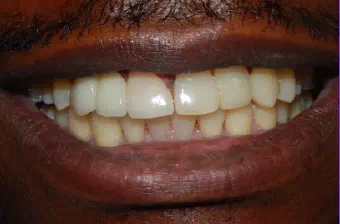
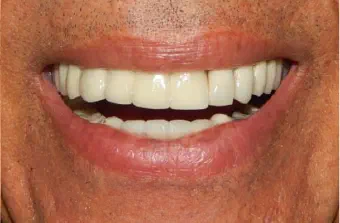
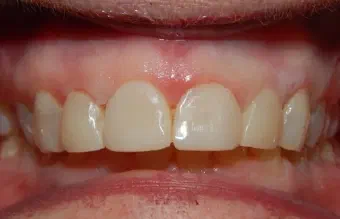
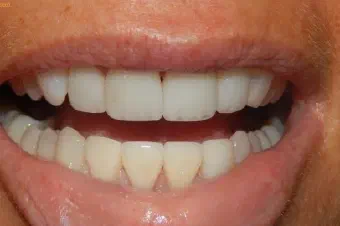
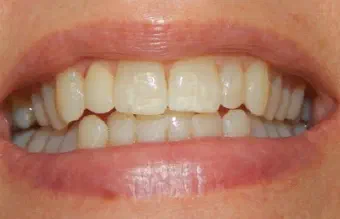
Real patient results
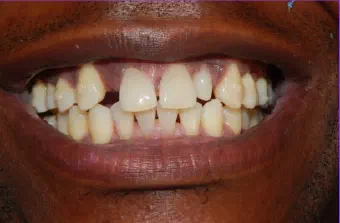
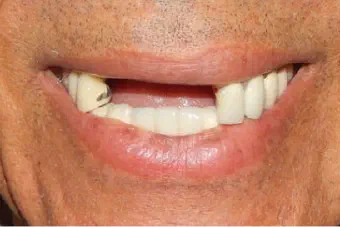
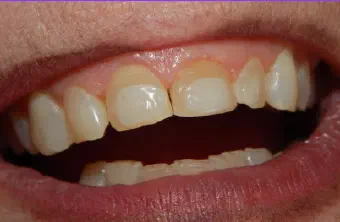
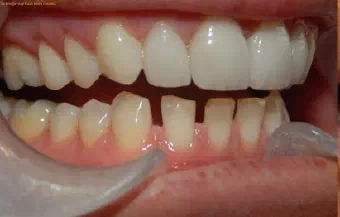
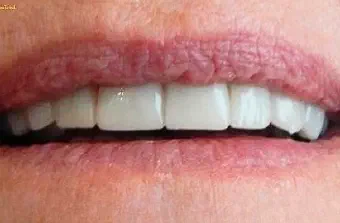
Drag the centre line to compare each real case treated by our dental team. Every smile begins with a personal assessment and a plan shaped around the patient.
Areas We Serve
Located in Cookstown, Innisfil, our dental team welcomes patients from communities across South Simcoe, Barrie, and northern York Region.
Don’t see your community listed? Contact us—we regularly welcome patients from throughout the surrounding region.
Google reviews
Read what patients have shared about their visits to Cookstown Dental Centre.

Your next step
Whether you are new to the clinic or returning for care, our team is here to make booking simple and answer your questions.