Cookstown Dental Centre
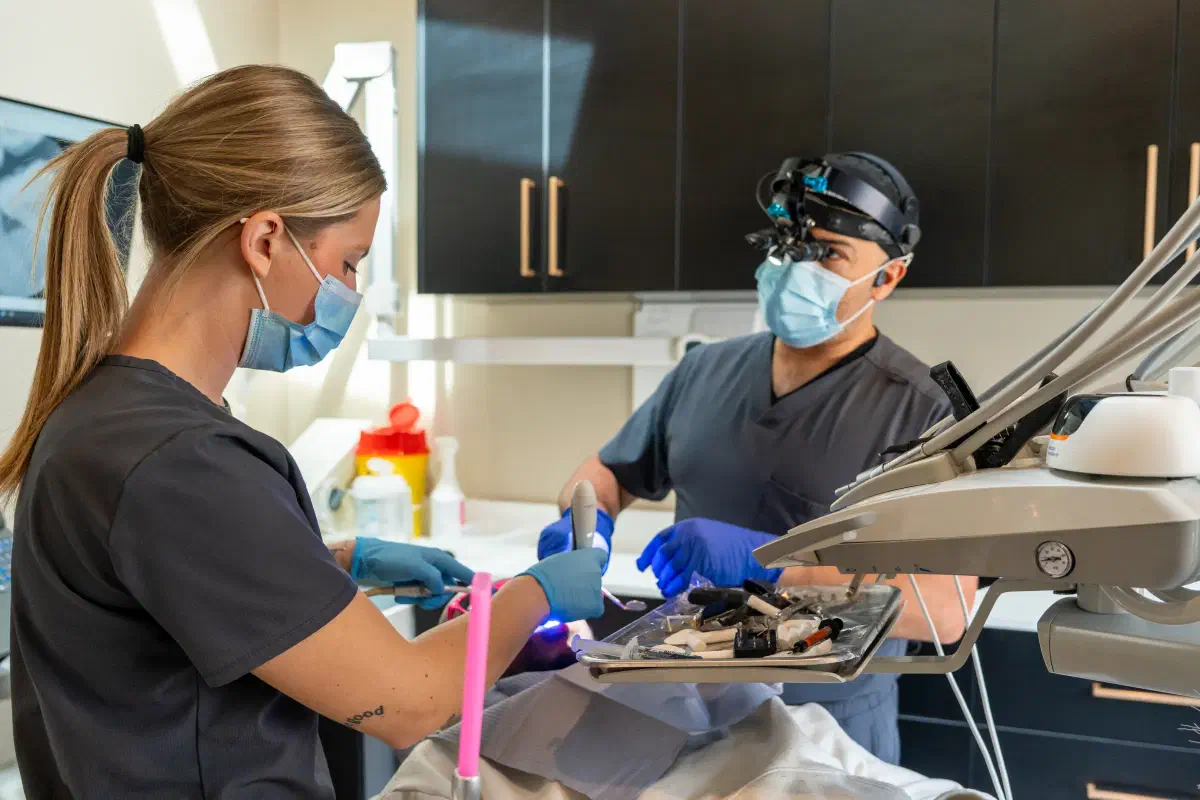
The Cookstown Dental Centre team caring for a patient in a treatment room

Specialized Care · Cookstown

Build gum-disease prevention around the places and habits that need attention.

Preventive gum care combines daily plaque control, professional review, and personal risk management. Make the routine practical for your teeth and circumstances.

Request an appointment

Let’s find a time that works.

Need urgent dental help? Call (705) 291-2222.

Gum Disease Prevention in Cookstown

Prevention is more useful when it explains what to do differently in your own mouth.

Preventing gum disease involves controlling plaque, maintaining access for cleaning, and identifying inflammation or support changes early. A general instruction to brush and floss may not be enough when tight contacts, bridges, implants, reduced dexterity, or other barriers make the routine difficult. The preventive plan should show how to reach the surfaces that matter.

At Cookstown Dental Centre, we connect home-care guidance with the condition of your gums and your history. Someone with no previous support loss may need a different review plan from a person who has completed periodontal treatment. Smoking, diabetes, dry mouth, and changes in medications or ability can also influence care. Prevention reduces avoidable risk; it should not be described as a guarantee that every patient will remain free of disease.
A dental professional demonstrating interdental cleaning on a model for a patient

Practical guidance

Make daily cleaning specific enough to repeat comfortably.

Effective access is the goal, rather than force or a long list of products.

Reach the gumline without aggressive scrubbing

Ask for a brushing demonstration suited to your teeth and tissue condition. The team can help identify areas repeatedly missed and suggest a manageable method. Brushing harder is not a substitute for technique and can create other problems, particularly when roots are exposed or the tissues are sensitive.

Choose an interdental method that fits the space

Floss, interdental brushes, or another appropriate tool may be useful according to the contacts and restorations. One size does not suit every space. If a tool catches, hurts, or cannot reach beneath a bridge, ask for a practical alternative rather than abandoning the area.

What we consider

Look for conditions that make plaque control harder.

The mouth and the person’s circumstances can change over time.

Restorations and appliance contours

Bridges, crowns, dentures, orthodontic appliances, and implants can create different cleaning routes. The provider should demonstrate those routes on the actual design. A persistent food-trapping or inaccessible area may need clinical review rather than repeated advice to use the same tool more often.

Dry mouth, dexterity, and daily support

Medication-related dryness, arthritis, vision changes, or other limitations can affect oral care. Discuss handles, positioning, caregiver assistance, and product choices where appropriate. A prevention plan should adapt to what is manageable rather than assume the routine that worked years ago still fits today.

Existing inflammation or support loss

Prevention does not replace treatment of diagnosed disease. Bleeding, pockets, or reduced support may require professional care before maintenance is established. The clinician distinguishes managing active findings from maintaining a stable situation so a preventive label does not conceal an untreated problem.

Care that fits

Connect oral care with relevant health factors.

The discussion should support practical choices without reducing disease to one cause.

Smoking and other modifiable risks

Smoking can affect periodontal health and response to treatment. If relevant, discuss cessation support and realistic steps with appropriate professionals. The conversation should be supportive and specific rather than imply that a smoker’s teeth are automatically unsalvageable or that stopping alone replaces periodontal treatment.

Diabetes and medical coordination

Diabetes management and periodontal care can be relevant to one another. Share changes in medical control and medications, and follow your medical provider’s guidance. Dental prevention should be coordinated with health care where needed without promising that gum treatment by itself will control a systemic condition.

Understanding the options

Use professional visits for the needs they can actually address.

Home care and clinical care are complementary.

Preventive examination and indicated cleaning

Professional visits can identify deposits, inflammation, and access problems that need attention. Calculus is not removed reliably by ordinary home brushing. The scope and interval follow findings and risk rather than a universal schedule or the assumption that a polished surface proves all support is healthy.

Maintenance after periodontal treatment

A history of periodontitis often calls for a structured maintenance plan with monitoring of treated sites. This differs from assuming the disease was permanently cured by one treatment course. The provider explains the review schedule and what signs would require renewed treatment or specialist input.

Planning together

Notice changes early and keep the plan workable.

Prevention includes responding when the current routine stops meeting the need.

Report bleeding, swelling, or a changing tooth

New bleeding, persistent bad breath, recession, food trapping, or mobility deserves assessment. Pain is not required for a periodontal problem to matter. Do not wait until a tooth becomes difficult to use before mentioning a change that has persisted between routine visits.

Review barriers rather than silently dropping steps

If a recommended tool is difficult, costly, or uncomfortable, tell the team. The plan can often be simplified or adapted while preserving its purpose. A routine you can carry out consistently is more useful than an elaborate set of instructions that remains unused in a bathroom drawer.

Frequently asked questions

Questions about gum disease prevention

Can gum disease be prevented just by brushing twice a day?

Brushing is important, but interdental access, professional assessment, deposits, and personal risk factors also matter. Technique and the condition of the mouth influence what is needed. The team can help turn general advice into a routine that reaches your particular spaces.

Do I need mouthwash to prevent gum disease?

Not everyone needs a rinse. It may be recommended for a specific role, but it does not replace effective cleaning or professional care when indicated. Ask why a product is suggested and how long it should be used.

Which interdental tool is best?

The best option depends on space size, tooth position, restorations, and your ability to use it. Different areas may need different methods. Ask for a demonstration and report discomfort or poor access rather than force a tool that does not fit.

Can a professional cleaning replace home care?

No. Deposits and plaque can accumulate between visits, so daily care remains important. Professional appointments address findings that need clinical attention and help monitor the tissues. The two parts work together rather than substitute for one another.

Do I still need maintenance if my gums no longer bleed?

If you have a history of periodontitis, improvement does not remove the need for monitoring and maintenance. The schedule follows your condition and risk. Lack of visible bleeding alone does not establish that all supporting tissues remain stable.

Should diabetes or medication changes be mentioned?

Yes. Relevant health and medication changes can affect the preventive plan and whether coordination is useful. Do not alter prescribed medicines independently. The dental team needs current information to tailor care rather than rely on an outdated history.

What if I cannot manage the cleaning routine myself?

Discuss the difficulty so tools, positioning, or caregiver support can be considered. With your consent, a helper can learn the appropriate technique. Prevention should fit your practical needs rather than assume reduced dexterity means effective care is no longer possible.

Real patient results

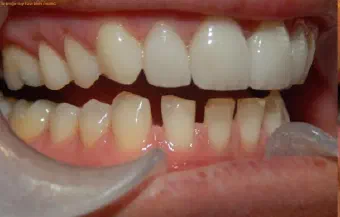
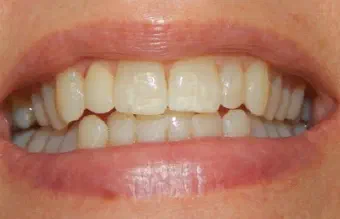
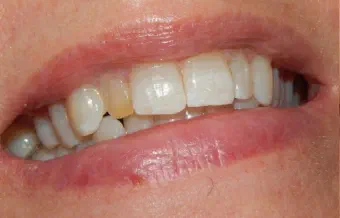
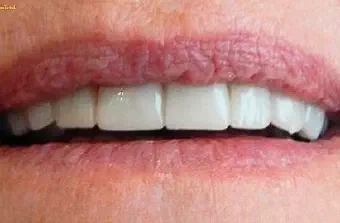
Before & after smile gallery.

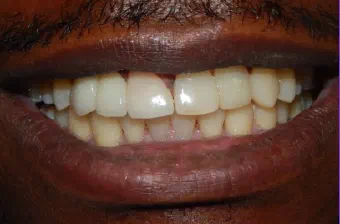
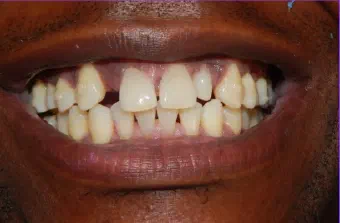
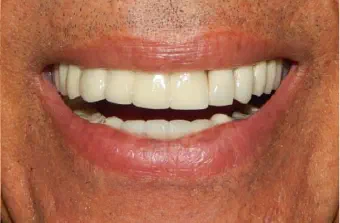
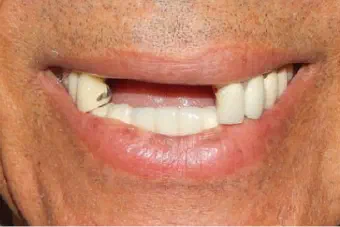
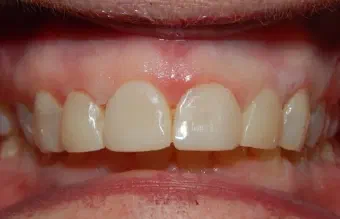
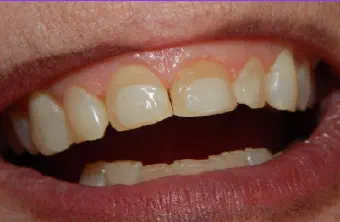
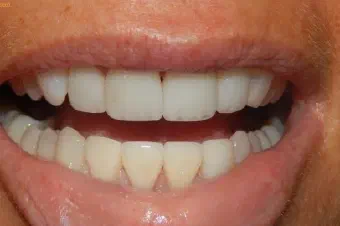
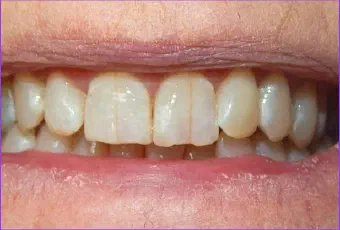
Drag the centre line to compare each real case treated by our dental team. Every smile begins with a personal assessment and a plan shaped around the patient.

Areas We Serve

Neighbourhood dental care, close to home.

Located in Cookstown, Innisfil, our dental team welcomes patients from communities across South Simcoe, Barrie, and northern York Region.

Get directions
  • Cookstown
  • Innisfil
  • Simcoe
  • Lake Simcoe
  • Alcona
  • Stroud
  • Lefroy–Belle Ewart
  • Gilford
  • Churchill
  • Sandy Cove
  • Innisfil Heights
  • Fennell’s Corners
  • Bradford
  • Bradford West Gwillimbury
  • Bond Head
  • Newton Robinson
  • New Tecumseth
  • Alliston
  • Beeton
  • Tottenham
  • Adjala–Tosorontio
  • Everett
  • Loretto
  • Barrie
  • Essa
  • Thornton
  • Baxter
  • Angus
  • Egbert
  • Ivy
  • Utopia
  • York Region
  • East Gwillimbury
  • Queensville
  • Holland Landing
  • Sharon
  • Schomberg
  • Nobleton

Don’t see your community listed? Contact us—we regularly welcome patients from throughout the surrounding region.

Google reviews

Kind words from our patients.

Read what patients have shared about their visits to Cookstown Dental Centre.

A dentist having a friendly consultation with a patient in a bright dental clinic

Your next step

Ready to feel good about your next dental visit?

Whether you are new to the clinic or returning for care, our team is here to make booking simple and answer your questions.

Call Book Now WhatsApp

How can we help?

The Cookstown Dental team is here for you.

Need an appointment, have a question, or want to talk through your options? Choose the next step that works best for you.

Send us a note

We’ll get back to you as soon as we can.