Cookstown Dental Centre
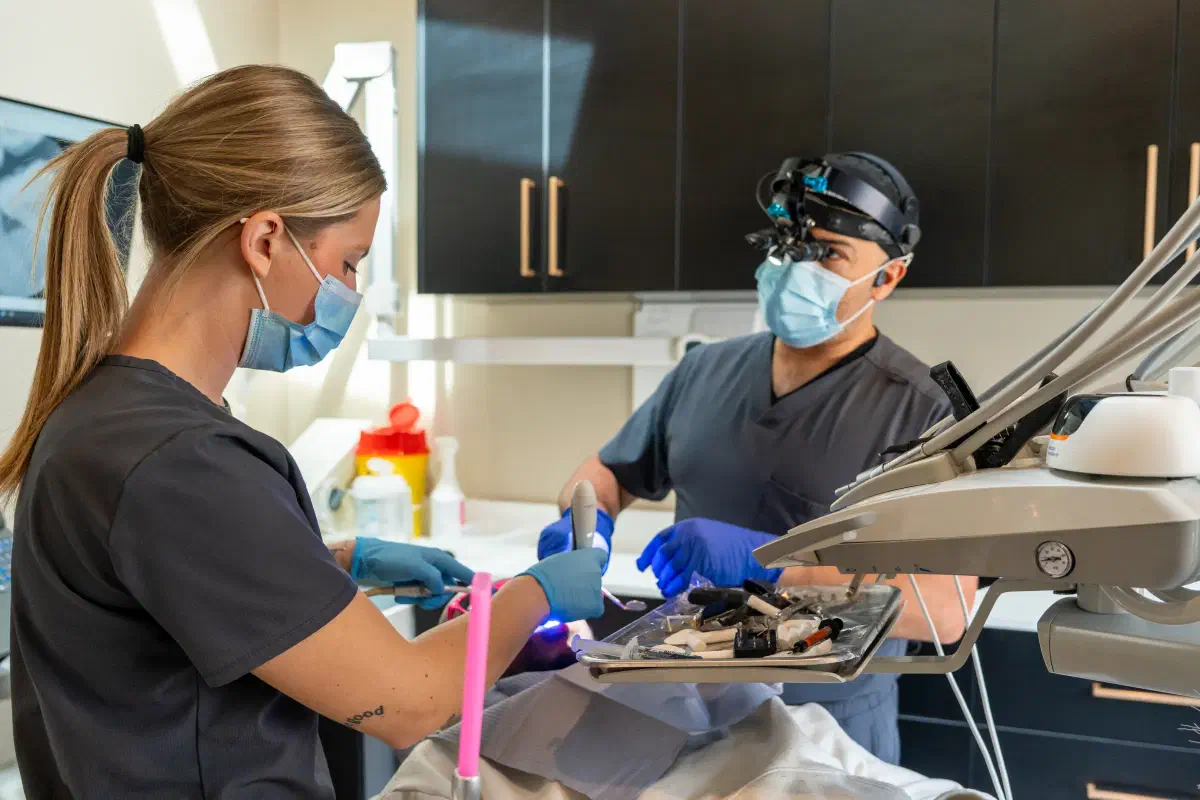
The Cookstown Dental Centre team caring for a patient in a treatment room

Specialized Care · Cookstown

Have a localized gum swelling checked for its source.

A gum abscess may involve a periodontal pocket, trapped material, or a tooth-related infection. Assessment guides drainage, source treatment, and follow-up.

Request an appointment

Let’s find a time that works.

Need urgent dental help? Call (705) 291-2222.

Gum Abscess Treatment in Cookstown

A bump on the gum does not always start in the gum itself.

A painful swelling near the gumline may be described as a gum abscess, but its origin needs assessment. It can relate to a periodontal pocket or local obstruction, while a tooth infection may also drain through the gum nearby. The location of the bump alone does not determine whether the tooth interior, periodontal tissues, or another local problem needs treatment.

Contact Cookstown Dental Centre promptly about a new or recurring swelling, especially with pain, drainage, a bad taste, or a loose-feeling tooth. Do not squeeze or puncture the area. Fever, spreading facial swelling, or worsening difficulty opening changes the urgency, while breathing or swallowing difficulty, eye involvement, or rapidly spreading facial or neck swelling requires emergency medical assessment. The dental plan should treat the identified source and review the response rather than rely on drainage alone.


A dentist listening to a patient describe a localized gum swelling

What we consider

Distinguish the possible sources of the swelling.

Several conditions can produce a similar-looking gum bump.

A periodontal pocket or supporting-tissue infection

The clinician assesses pockets, deposits, attachment, mobility, and relevant images. A localized infection can occur in an area of periodontal disease and needs management of that source. The overall support and longer-term periodontal plan matter alongside the immediate painful swelling.

A tooth-related source draining through the gum

Pulp and root-related tests may be needed when an infection from within a tooth presents as a nearby gum opening. The treatment can differ from periodontal cleaning. A recurring painless bump should not be assumed harmless simply because it drains or because the tooth is not currently aching.

Trapped material or another local lesion

A foreign body, localized irritation, or another tissue condition may need consideration. The dentist examines the area rather than diagnose every swelling as the same type of abscess. Persistent unusual lesions require appropriate assessment and, when indicated, referral or investigation beyond routine cleaning.

Planning together

Bring details that clarify the pattern and urgency.

The history can distinguish a sudden episode from a recurring problem.

Timing, drainage, and tooth changes

Explain when the swelling appeared, whether it has happened before, and whether a tooth feels raised or mobile. Mention recent treatment or food trapping in the area. Keep the description factual; repeatedly pressing the swelling to demonstrate drainage can irritate it and is not necessary for assessment.

Medical history and systemic symptoms

Tell the team about fever, feeling unwell, immune-related conditions, medications, and any antibiotics already taken. Do not stop prescribed medicines or use another person’s medication. These details can affect the urgency, treatment setting, and whether additional medical coordination is needed.

Understanding the options

Plan local source treatment and medication for different purposes.

The immediate procedure depends on the diagnosis.

Drainage and management of the affected site

Professional care may involve drainage, removal of deposits or trapped material, periodontal treatment, or endodontic care according to the source. The dentist explains which tissue is involved. A reduction in pressure after drainage is useful, but further treatment may still be needed to address the cause.

Antibiotics when the clinical situation warrants them

Medication is not automatically required for every localized gum swelling. Spread, systemic involvement, and individual medical factors influence prescribing. If antibiotics are indicated, they support the treatment plan rather than replace the procedure and follow-up needed to manage the source.

The appointment

Follow the urgent phase with a review of support and healing.

The site may need more than one type of appointment.

  1. Assess and address the immediate concern

    The clinician examines the swelling and relevant teeth, performs indicated tests, and explains the first treatment. If the findings require another provider or a higher level of care, the urgency and referral route should be clear. A routine appointment should not delay escalation when warning signs develop.

  2. Reassess the local response

    The review checks pain, swelling, drainage, and other relevant findings. Persistent symptoms may require further investigation or a change in plan. The absence of a visible bump is not the only measure, particularly if a tooth source or significant periodontal pocket remains untreated.

  3. Complete the underlying disease-management plan

    A periodontal source may need further treatment and maintenance, while a tooth-related source may need endodontic and restorative care. The clinician explains what remains to be done. Completing those steps helps prevent the same unresolved site from repeatedly presenting as an emergency.

Practical guidance

Care for the area without attempting home drainage.

Interim measures should avoid injury and preserve access for professional assessment.

Clean gently using the instructions provided

Continue appropriate oral care as tolerated and ask for a method that avoids traumatizing the swelling. Do not force sharp objects or oversized tools into the pocket. A painful area may need specific guidance, but avoiding the entire mouth’s care indefinitely is not a solution to the underlying cause.

Respond to spread or systemic changes

Contact the provider if swelling extends, pain increases, fever develops, or opening becomes more difficult. Breathing or swallowing difficulty, eye symptoms, or rapidly spreading neck or facial swelling requires emergency care. Do not wait for a prescribed course or a planned review to finish before seeking help for deterioration.

Frequently asked questions

Questions about gum abscess treatment

Is a gum abscess always caused by gum disease?

No. A periodontal source is one possibility, but a tooth infection can drain through nearby gum tissue, and other local problems can look similar. Examination and relevant tests identify the source so treatment is directed appropriately.

Can a gum bump be important even without pain?

Yes. A recurring draining opening can reduce pressure while the source remains. Arrange assessment rather than assuming that lack of pain means healing. Tell the dentist how often it returns and whether the nearby tooth has previous treatment.

Should I squeeze it to release the pressure?

No. Do not puncture or squeeze the swelling, and avoid putting harsh substances on it. Professional assessment and drainage when indicated are part of source treatment. Home attempts can injure tissue without resolving the underlying problem.

Will I need a root canal?

Only if the diagnosis supports treatment of a tooth-related pulp or root source and the tooth is suitable to restore. A periodontal abscess may need different care. The position of the bump alone does not establish that a root canal is indicated.

Are antibiotics always necessary?

No. The source, spread, systemic symptoms, and medical situation guide prescribing. Local treatment is often central to care. If antibiotics are prescribed, follow the instructions and complete the necessary dental follow-up rather than treating medication as the whole solution.

Why might the tooth feel loose or raised?

Inflammation and support changes can affect how a tooth feels, but the cause and prognosis need assessment. Do not repeatedly wiggle or bite on it to test stability. The clinician evaluates the tissues, contacts, and tooth condition before choosing treatment.

What symptoms mean I should seek emergency medical help?

A swelling that began beside one tooth needs a different level of care if it spreads into the face or neck or affects the eye. Breathing or swallowing problems are emergencies. Fever, increasing pain, or a rapidly changing swelling also calls for prompt reassessment.

Real patient results

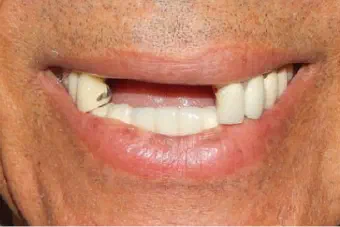
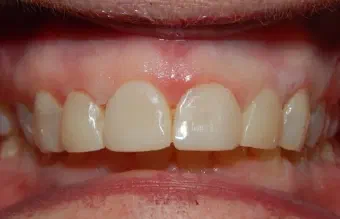
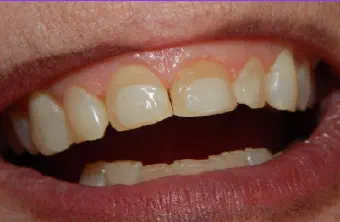
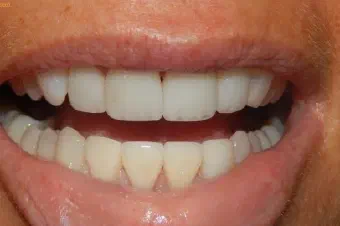
Before & after smile gallery.

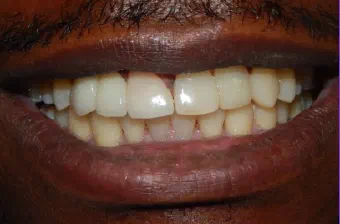
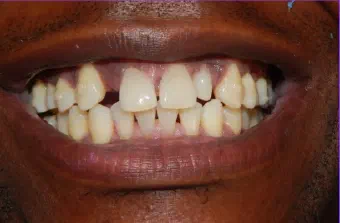
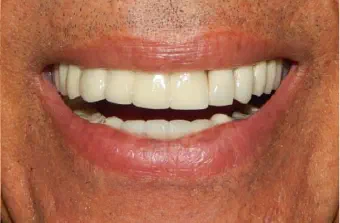
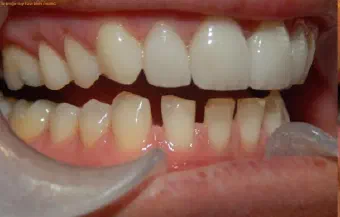
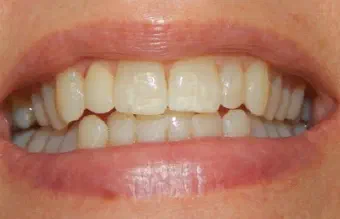
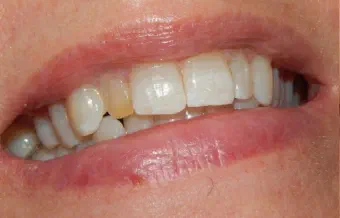
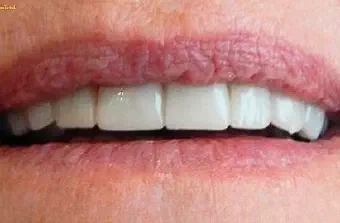
Drag the centre line to compare each real case treated by our dental team. Every smile begins with a personal assessment and a plan shaped around the patient.

Areas We Serve

Neighbourhood dental care, close to home.

Located in Cookstown, Innisfil, our dental team welcomes patients from communities across South Simcoe, Barrie, and northern York Region.

Get directions
  • Cookstown
  • Innisfil
  • Simcoe
  • Lake Simcoe
  • Alcona
  • Stroud
  • Lefroy–Belle Ewart
  • Gilford
  • Churchill
  • Sandy Cove
  • Innisfil Heights
  • Fennell’s Corners
  • Bradford
  • Bradford West Gwillimbury
  • Bond Head
  • Newton Robinson
  • New Tecumseth
  • Alliston
  • Beeton
  • Tottenham
  • Adjala–Tosorontio
  • Everett
  • Loretto
  • Barrie
  • Essa
  • Thornton
  • Baxter
  • Angus
  • Egbert
  • Ivy
  • Utopia
  • York Region
  • East Gwillimbury
  • Queensville
  • Holland Landing
  • Sharon
  • Schomberg
  • Nobleton

Don’t see your community listed? Contact us—we regularly welcome patients from throughout the surrounding region.

Google reviews

Kind words from our patients.

Read what patients have shared about their visits to Cookstown Dental Centre.

A dentist having a friendly consultation with a patient in a bright dental clinic

Your next step

Ready to feel good about your next dental visit?

Whether you are new to the clinic or returning for care, our team is here to make booking simple and answer your questions.

Call Book Now WhatsApp

How can we help?

The Cookstown Dental team is here for you.

Need an appointment, have a question, or want to talk through your options? Choose the next step that works best for you.

Send us a note

We’ll get back to you as soon as we can.