Cookstown Dental Centre
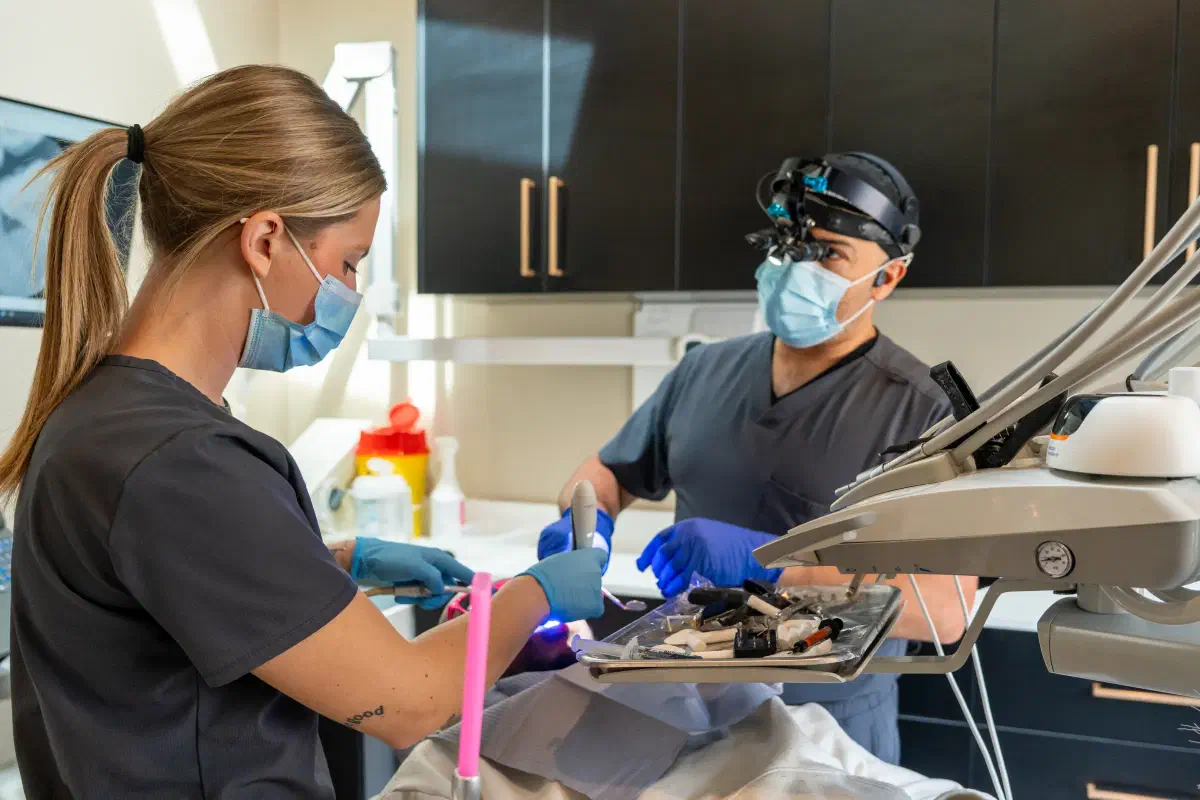
The Cookstown Dental Centre team caring for a patient in a treatment room

Specialized Care · Cookstown

Plan calmer dental visits around the older adult’s preferences and health needs.

Anxiety care for seniors combines clear consent, comfortable pacing, medication review, and practical support. Build a dental plan around the person receiving care.

Request an appointment

Let’s find a time that works.

Need urgent dental help? Call (705) 291-2222.

Gentle Dentistry for Anxious Seniors in Cookstown

Age does not define what feels frightening or what support will help.

Older adults can have dental anxiety for many reasons, including earlier experiences, fear of pain, medical complexity, sensory changes, or concern about losing independence during treatment. Others feel comfortable with dentistry but find long appointments or unfamiliar instructions difficult. These needs should be explored individually rather than assumed from age.

At Cookstown Dental Centre, the conversation stays centred on the person receiving care. We discuss what would make the visit manageable, how health and medications affect planning, and whether a chosen support person should participate. Communication, positioning, breaks, pain control, and staged care can all be considered. Sedation requires a separate suitability assessment and is not automatically the gentlest or safest answer simply because a patient is anxious or older.


An older patient and chosen companion discussing dental comfort with a listening dentist

Care that fits

Ask what support the patient wants before arranging it.

Respectful care begins with preferences, communication, and consent.

Include the patient directly in decisions

Speak about concerns and treatment goals with the person receiving care, using their preferred pace and explanation style. A family member can help when invited, but their presence should not replace the patient’s involvement. Decision-making support should reflect the actual situation rather than assumptions about age or dependence.

Make communication easier to follow

Tell the team about hearing, vision, language, or memory-related needs that affect the visit. Written notes, repetition, or a quieter conversation may help. Ask for the most important instructions in a form that can be used at home, without overwhelming the patient with every possible future procedure at once.

What we consider

Consider comfort alongside medical and practical needs.

Anxiety may be only one reason an appointment feels difficult.

Positioning and tolerance of treatment time

Back or neck discomfort, breathing concerns, mobility, and jaw fatigue can affect how long a position is comfortable. Mention these before treatment where possible. The team can discuss breaks and practical adjustments according to the procedure, rather than assuming that distress always comes from fear of the dentist.

Medication and health history

Bring an updated medication list and relevant medical information, including recent changes. Multiple medicines and some conditions can affect pain-control or sedation decisions. Do not stop prescribed treatment or add a calming medicine independently; the clinician determines whether coordination and specific precautions are needed.

Transport, daily care, and chosen assistance

Discuss appointment access, help after treatment, and the ability to follow cleaning or recovery instructions. A caregiver may need a demonstration with the patient’s consent. Practical support should be planned before a procedure, particularly when treatment may temporarily affect eating, denture use, or usual routines.

Planning together

Agree on a manageable appointment experience.

The plan can address specific triggers without promising a completely sensation-free visit.

Set a stop signal and explain each stage

Agree how to request a pause and how the clinician will check comfort. Some patients prefer a brief warning before a step; others want more detail. The team should use the agreed style while maintaining clear consent, rather than assume that quiet cooperation means anxiety has disappeared.

Separate examination from larger treatment decisions

An assessment can identify urgent needs and options without requiring every future decision immediately. Discuss shorter or staged visits when clinically appropriate. Significant infection or pain still needs timely management, so the plan should explain which parts can be paced and which should not be delayed.

Understanding the options

Choose comfort measures after reviewing benefits and limitations.

Gentle care is a way of planning and communicating, not a single medication or technique.

Communication, pacing, and suitable local pain control

These may meet the needs of many patients when matched to the procedure. Tell the clinician about previous difficulty getting numb or tolerating an appointment. Pain control and anxiety support should be discussed separately so neither is overlooked because the other has been addressed.

Sedation assessment or referral when appropriate

Sedation may be considered for selected situations, but health, medication interactions, the intended level, and provider arrangements matter. Discuss preparation, escort requirements, monitoring, and recovery. The decision should compare alternatives and confirm availability rather than imply that older anxious patients automatically need to be sedated.

Step by step

Connect the dental plan with life after the appointment.

The care needs to remain manageable beyond the treatment chair.

  1. Prioritize a useful and achievable treatment sequence

    The dentist explains immediate concerns, preventive needs, and longer-term options in relation to the patient’s goals. A plan may be staged when appropriate, with the limits of delay made clear. Treatment should support comfort and function without assuming every available procedure is necessary at once.

  2. Check understanding of aftercare and medicines

    Use the agreed communication method to review instructions, follow-up, and who to contact. Include a chosen helper where authorized. If medication advice is involved, make sure it fits the existing regimen rather than relying on a generic instruction that could be misunderstood alongside several prescriptions.

  3. Review what made the visit easier or harder

    Feedback can guide later appointments, including timing, positioning, explanations, and support arrangements. New medical or functional changes should be shared before future care. A difficult visit is a reason to refine the plan, not evidence that the patient should lose control over treatment decisions.

Frequently asked questions

Questions about gentle dentistry for anxious seniors

Is sedation always the best choice for an anxious senior?

No. Communication, pacing, positioning, and local anaesthesia may be sufficient, and sedation has its own suitability considerations. Health and medications matter. The clinician should compare options rather than assume age or anxiety automatically makes sedation the preferred approach.

Can a family member attend the appointment?

A chosen support person may help with communication and practical care, subject to the patient’s wishes and appropriate arrangements. Their involvement should support consent and understanding. Ask the clinic about attendance and any role needed after the planned procedure.

What if hearing or memory makes instructions difficult?

Tell the team before treatment so the explanation and written information can be adapted. A support person may assist with consent to their involvement. The goal is usable information for the patient, not simply a longer list of instructions delivered more quickly.

Should regular medications be stopped before dental work?

Do not stop or change prescribed medication independently. Bring an updated list and relevant health information. The dentist determines whether coordination or specific instructions are needed for the procedure, particularly when bleeding risk, sedation, or medication interactions are relevant.

Can appointments be shorter?

Staged or shorter visits may be possible depending on the care needed. Explain fatigue, positioning difficulties, and anxiety when booking. The clinician should also identify urgent problems that cannot safely be postponed simply to keep every visit brief.

What if the patient wants to pause or decline treatment?

The team should discuss concerns and respect informed decisions while explaining the consequences of delay or declining care. Agree on a stop signal before treatment. Support needs do not remove the importance of consent and direct involvement in the plan.

How can a caregiver help after the visit?

With the patient’s agreement, a caregiver can help understand instructions, arrange transport, support cleaning, or monitor recovery as appropriate. Ask for a demonstration where needed. The role should be specific to the treatment rather than assume every older patient needs the same assistance.

Real patient results

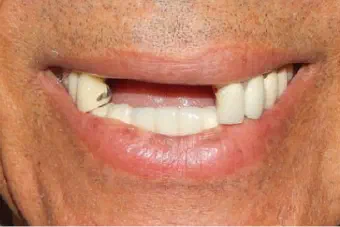
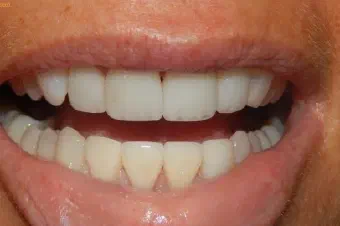
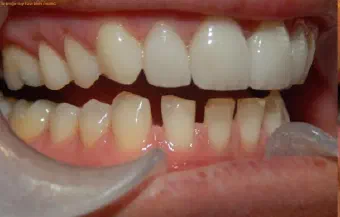
Before & after smile gallery.

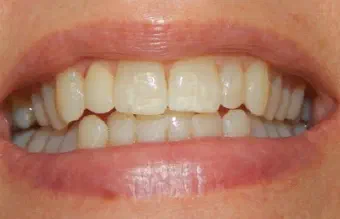
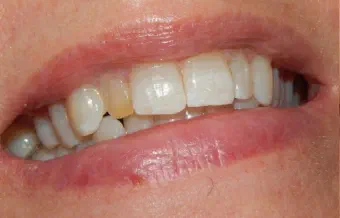
Drag the centre line to compare each real case treated by our dental team. Every smile begins with a personal assessment and a plan shaped around the patient.

Areas We Serve

Neighbourhood dental care, close to home.

Located in Cookstown, Innisfil, our dental team welcomes patients from communities across South Simcoe, Barrie, and northern York Region.

Get directions
  • Cookstown
  • Innisfil
  • Simcoe
  • Lake Simcoe
  • Alcona
  • Stroud
  • Lefroy–Belle Ewart
  • Gilford
  • Churchill
  • Sandy Cove
  • Innisfil Heights
  • Fennell’s Corners
  • Bradford
  • Bradford West Gwillimbury
  • Bond Head
  • Newton Robinson
  • New Tecumseth
  • Alliston
  • Beeton
  • Tottenham
  • Adjala–Tosorontio
  • Everett
  • Loretto
  • Barrie
  • Essa
  • Thornton
  • Baxter
  • Angus
  • Egbert
  • Ivy
  • Utopia
  • York Region
  • East Gwillimbury
  • Queensville
  • Holland Landing
  • Sharon
  • Schomberg
  • Nobleton

Don’t see your community listed? Contact us—we regularly welcome patients from throughout the surrounding region.

Google reviews

Kind words from our patients.

Read what patients have shared about their visits to Cookstown Dental Centre.

A dentist having a friendly consultation with a patient in a bright dental clinic

Your next step

Ready to feel good about your next dental visit?

Whether you are new to the clinic or returning for care, our team is here to make booking simple and answer your questions.

Call Book Now WhatsApp

How can we help?

The Cookstown Dental team is here for you.

Need an appointment, have a question, or want to talk through your options? Choose the next step that works best for you.

Send us a note

We’ll get back to you as soon as we can.