Cookstown Dental Centre
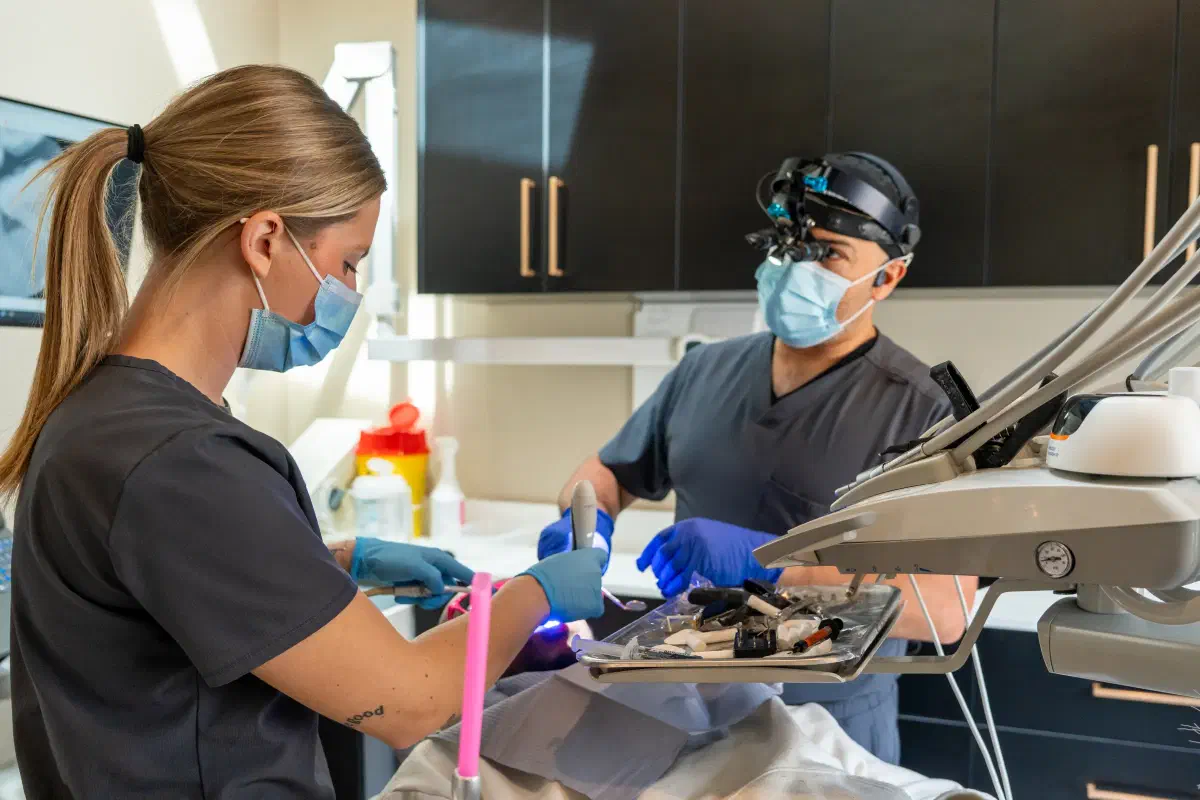
The Cookstown Dental Centre team caring for a patient in a treatment room

Children’s Dentistry · Cookstown

Understand a developing bite before deciding on treatment.

An early orthodontic assessment reviews tooth eruption, spacing, and bite development, with guidance on monitoring, timing, or specialist referral.

Request an appointment

Let’s find a time that works.

Need urgent dental help? Call (705) 291-2222.

Early Orthodontic Assessment in Cookstown

An early look does not always mean an early appliance.

When adult teeth begin to arrive, a child’s smile can look uneven for a while. Some gaps and overlaps are part of development; other patterns may benefit from a closer assessment. An early orthodontic conversation helps you understand the difference and gives you a plan for watching changes instead of guessing from photographs or comparing with another child.

At Cookstown Dental Centre, we can review dental development and discuss whether an orthodontic opinion would be useful. The American Association of Orthodontists recommends a first orthodontic check by age seven, or sooner when a problem is noticed. The outcome may be observation, a timed review, or a recommendation for treatment based on a specific concern.

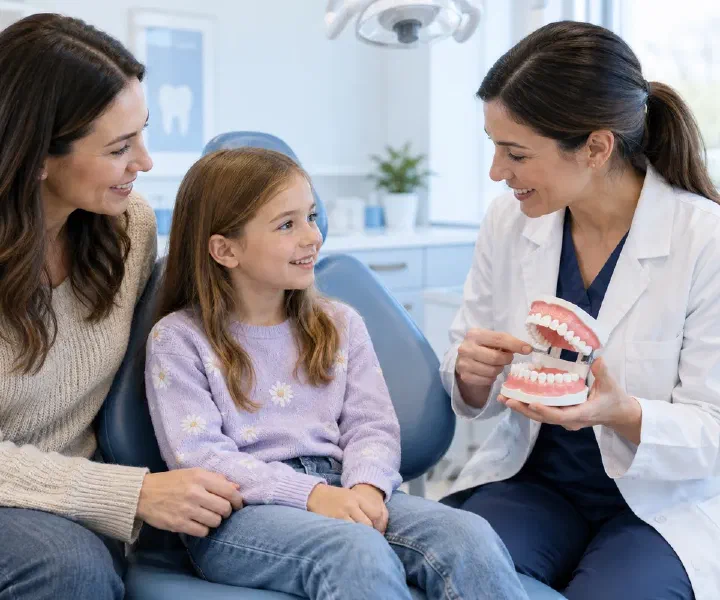
A dentist explaining bite development with a dental model to a child and parent

What we consider

Look at the pattern, not one crooked tooth.

A developing bite is assessed as a whole. Tooth position, eruption, jaw relationships, and daily function provide context for any recommendation.

How the teeth meet

We look at the way upper and lower teeth come together and ask about biting or chewing difficulties. Mention a jaw shift, tooth interference, or a child avoiding certain movements. These observations can help identify an issue that deserves more attention than its appearance alone might suggest.

Where adult teeth are appearing

The sequence and position of erupting teeth help guide monitoring. A tooth arriving out of line, a baby tooth remaining unusually long, or a space that seems to be closing may prompt further assessment. The dentist considers the child’s stage of development rather than relying only on age.

What else affects development

Previous injuries, early tooth loss, oral habits, and existing appliances can influence planning. Share any concerns about function or comfort. If a question involves breathing, sleep, or another health issue, appropriate medical assessment may also be needed rather than treating every concern as an orthodontic problem.

Understanding the options

Three possible outcomes of an assessment.

The value of an early opinion is clearer timing. It should explain why acting now, watching, or arranging another evaluation is reasonable for the child.

Monitor a developing pattern

Some findings are best watched as more teeth appear. Monitoring should still have a purpose: what is being observed, when it will be reviewed, and what change would matter. Ask for that explanation so waiting feels like an informed plan rather than an unanswered concern.

Consider a targeted intervention

Certain bite or eruption problems may benefit from treatment during growth. The recommendation depends on the diagnosis and expected benefit, not simply the presence of mixed baby and adult teeth. We discuss why an early step may be proposed and whether additional treatment could still be needed later.

Arrange a specialist opinion

An orthodontist can provide a more detailed assessment when the findings call for specialist expertise. We explain the reason for referral and the questions to bring. A referral is an opportunity to understand options; it does not commit your family to an appliance or a particular treatment schedule.

Planning together

Prepare for a useful conversation.

Bring concerns in your own words. You do not need to know the name of a bite problem to explain what you or your child have noticed.

Describe everyday difficulties

Mention biting into food, teeth that catch, or a child shifting the jaw to close comfortably. Tell us when the issue began and whether it is changing. Functional observations help the clinician understand the concern beyond a single smile photograph or a comment about crowding.

Share the dental history

Tell us about teeth removed early, injuries, prolonged habits, and previous orthodontic opinions. Existing records may be helpful if care has been provided elsewhere. We can discuss whether additional records are needed and why before assuming a new set of images is necessary.

Include the child’s priorities

An older child may have concerns about appearance, sport, speaking, or cleaning that differ from the parent’s priorities. Invite them to ask questions. Understanding what matters to the child helps make any future plan realistic, especially when treatment would require daily cooperation or repeated appointments.

A closer look

Keep the next step clear.

An assessment should leave you with more than a general prediction. Ask how the proposed plan will be reviewed and what your family would need to manage.

  1. If the plan is observation

    Confirm the recommended review interval and whether your regular dentist or an orthodontist will monitor the concern. Keep the appointment even if the smile looks similar. Developmental changes are easier to interpret when the same issue is checked deliberately over time.

  2. If treatment is proposed

    Ask about the purpose, alternatives, likely duration, home responsibilities, and costs. Clarify what the treatment is expected to improve and what it may not address. Early treatment does not guarantee that a later phase will be unnecessary, so the longer-term possibilities should be part of the discussion.

  3. If something changes sooner

    Contact the treating provider about new pain, a disturbed bite, an appliance problem, or an unexpected eruption concern. Keep ordinary examinations and hygiene care in place. Orthodontic monitoring and general dental care have different roles and should support each other throughout a child’s development.

Frequently asked questions

Questions about early orthodontic assessment

What age is appropriate for an orthodontic assessment?

The AAO recommends an orthodontic check by age seven, with earlier assessment when a concern is noticed. A child does not need all permanent teeth for an initial opinion. The result may be monitoring rather than immediate treatment.

Does crowding always need early treatment?

No. The significance depends on the developing bite, space, eruption pattern, and other findings. Some crowding is monitored until later, while specific problems may warrant earlier intervention. An individual assessment is needed to explain the timing.

Will my child definitely need braces later?

An early assessment cannot guarantee whether future treatment will be needed or which option will be best. Growth and eruption continue over time. The clinician can explain current findings, likely possibilities, and the purpose of review appointments.

Is an assessment the same as starting treatment?

No. An assessment gathers information and discusses options. You should have a chance to understand the recommendation, alternatives, responsibilities, and costs before deciding. A monitoring plan is a common possible outcome.

Can you assess a child who still has baby teeth?

Yes. Mixed baby and adult teeth provide useful information about development. Some concerns are best identified before all baby teeth are lost. The dentist can explain whether the timing is suitable for an orthodontic referral.

What if my child sucks their thumb?

Mention the habit, how often it occurs, and whether your child wants help changing it. The effect depends on the pattern and duration. Supportive habit counselling may be discussed alongside bite monitoring rather than assuming an appliance is automatically required.

Should ordinary checkups continue during orthodontic care?

Yes. Orthodontic visits do not replace examinations for decay, gum health, and other dental needs. Keep both providers informed about care. Cleaning support may need adjustment if an appliance makes some areas harder to reach.

Real patient results

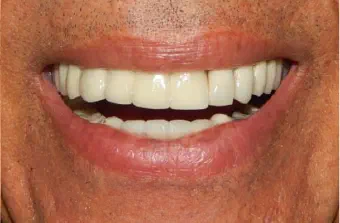
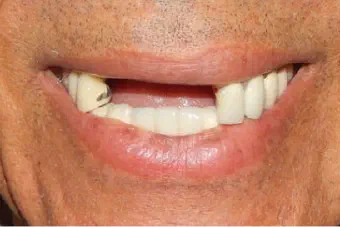
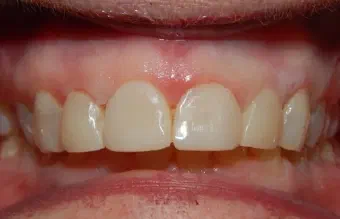
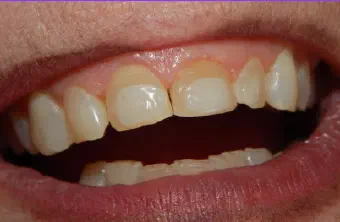
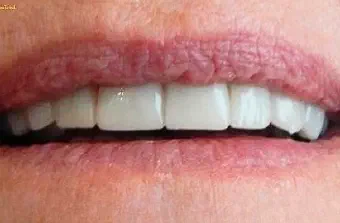
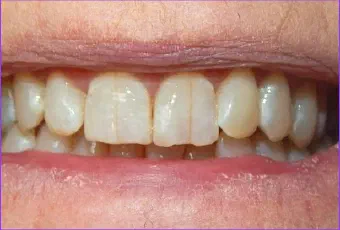
Before & after smile gallery.

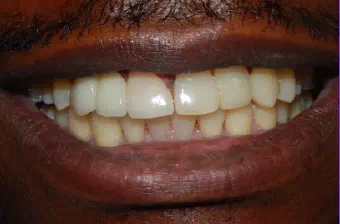
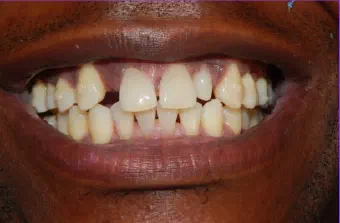
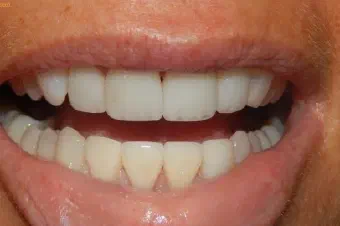
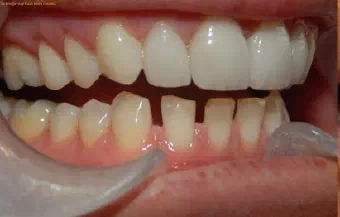
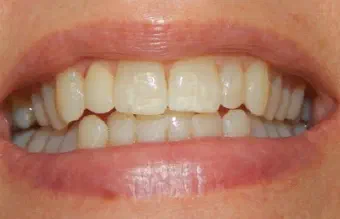
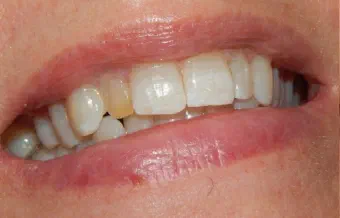
Drag the centre line to compare each real case treated by our dental team. Every smile begins with a personal assessment and a plan shaped around the patient.

Areas We Serve

Neighbourhood dental care, close to home.

Located in Cookstown, Innisfil, our dental team welcomes patients from communities across South Simcoe, Barrie, and northern York Region.

Get directions
  • Cookstown
  • Innisfil
  • Simcoe
  • Lake Simcoe
  • Alcona
  • Stroud
  • Lefroy–Belle Ewart
  • Gilford
  • Churchill
  • Sandy Cove
  • Innisfil Heights
  • Fennell’s Corners
  • Bradford
  • Bradford West Gwillimbury
  • Bond Head
  • Newton Robinson
  • New Tecumseth
  • Alliston
  • Beeton
  • Tottenham
  • Adjala–Tosorontio
  • Everett
  • Loretto
  • Barrie
  • Essa
  • Thornton
  • Baxter
  • Angus
  • Egbert
  • Ivy
  • Utopia
  • York Region
  • East Gwillimbury
  • Queensville
  • Holland Landing
  • Sharon
  • Schomberg
  • Nobleton

Don’t see your community listed? Contact us—we regularly welcome patients from throughout the surrounding region.

Google reviews

Kind words from our patients.

Read what patients have shared about their visits to Cookstown Dental Centre.

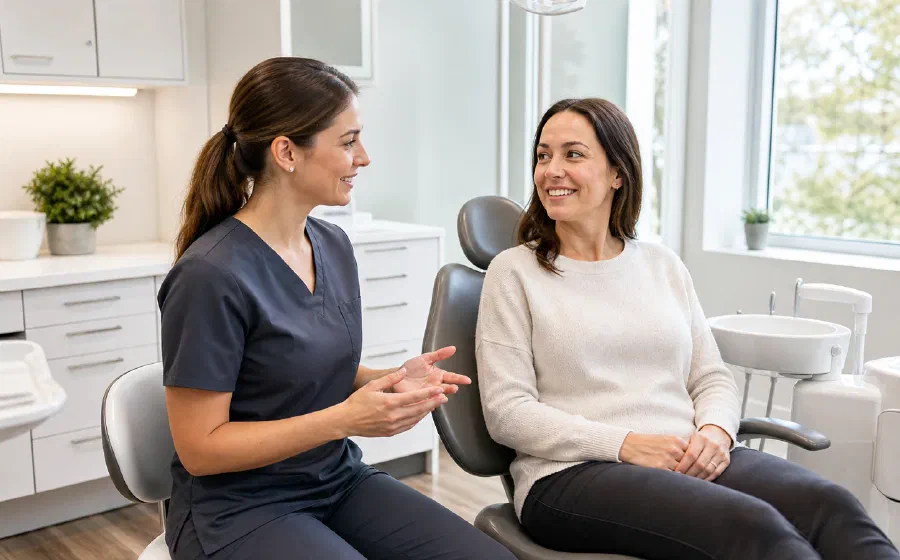
A dentist having a friendly consultation with a patient in a bright dental clinic

Your next step

Ready to feel good about your next dental visit?

Whether you are new to the clinic or returning for care, our team is here to make booking simple and answer your questions.

Call Book Now WhatsApp

How can we help?

The Cookstown Dental team is here for you.

Need an appointment, have a question, or want to talk through your options? Choose the next step that works best for you.

Send us a note

We’ll get back to you as soon as we can.