Cookstown Dental Centre
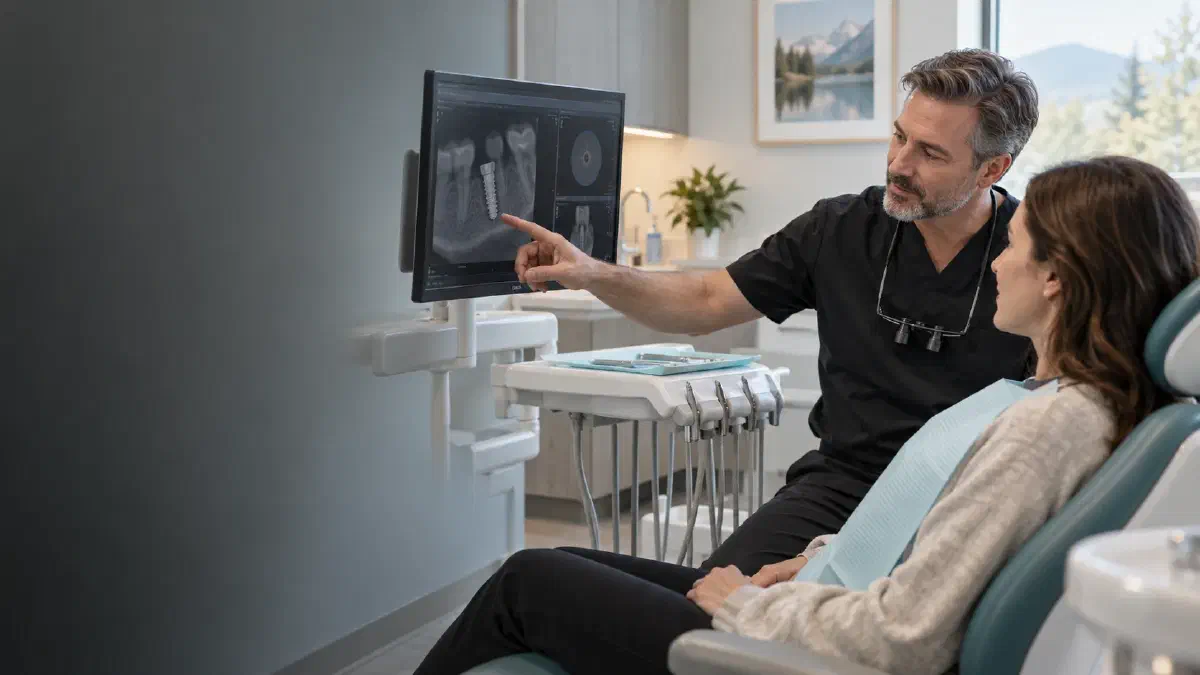
A dentist reviewing a dental implant image with a patient during a consultation

Implant complication care

Remove a troubled implant with a plan for what comes next.

Careful diagnosis helps determine whether an implant should be treated, monitored, repaired, or removed—and how the site can be protected.

Request an appointment

Let’s find a time that works.

Need urgent dental help? Call (705) 291-2222.

Dental implant removal near you

Removal is considered only after the implant and surrounding tissues are fully assessed.

A dental implant may need to be removed when it has not integrated with the jaw, has become mobile, is fractured, is affected by advanced bone loss, or cannot be restored in a safe and useful position.

Not every sore, chipped, or loose implant tooth requires removal. The crown, bridge, abutment, screw, implant body, gums, and supporting bone are evaluated separately before a recommendation is made.

At a glance

Diagnosis before treatment

Clinical testing and imaging help identify whether the problem is biological, mechanical, restorative, or a combination.

Tissue-conscious planning

The removal approach is selected to protect useful bone and gum tissue whenever clinical conditions allow.

A next-step strategy

Healing, grafting, re-implantation, or another tooth-replacement option is discussed before treatment begins.

01

Why might a dental implant be removed?

Dental implants are designed for long-term use, but a small number develop biological, mechanical, or positional problems that cannot be predictably corrected while the implant remains in place. Removal may be considered for:

  • An implant that never bonded firmly with the jawbone
  • Mobility of the implant body
  • Advanced peri-implantitis with substantial supporting-bone loss
  • A fractured implant body or an unretrievable damaged connection
  • Persistent infection, discomfort, or drainage linked to the implant
  • Implant positioning that prevents a cleanable, functional restoration
  • Damage to nearby anatomy or a treatment plan that requires repositioning

A damaged crown, loose screw, worn denture attachment, or chipped bridge does not automatically mean the implant must be removed. These problems may be repairable while the implant itself remains healthy and stable.
02

What the assessment checks

Your dentist first listens to when the symptoms began and whether you have noticed movement, bleeding, swelling, a bad taste, discomfort when biting, or a change in the restoration. The examination may include:

  • Testing whether the restoration, connector, or implant is moving
  • Checking the bite and signs of overload or grinding
  • Measuring inflammation and tissue health around the implant
  • Reviewing plaque access and the ability to clean the area
  • Digital X-rays or three-dimensional imaging when indicated
  • Identifying the implant system and available replacement components
  • Reviewing health conditions, medications, smoking, and healing risks

This information separates a repairable prosthetic problem from a biological implant problem and helps the team explain the realistic options.

03

How dental implant removal is planned

The removal method depends on implant stability, position, design, surrounding bone, and nearby structures. When an implant is already mobile, removal may be relatively straightforward. A firmly integrated or fractured implant can require a more involved surgical approach.

Local anesthetic keeps the area numb. The clinical goal is to remove the implant while preserving useful gum and bone tissue where possible. Bone grafting may be completed at the same visit or after initial healing, depending on infection, tissue quality, and the future treatment plan.

Sedation options may be discussed for suitable patients who feel anxious or need a more complex procedure.

04

What happens after removal?

The next step is individualized. Options may include:

  1. Allowing the site to heal before reassessment
  2. Grafting the area to rebuild or preserve bone
  3. Replacing the implant after healing and risk-factor review
  4. Choosing a different implant position or restoration design
  5. Using a dental bridge, removable tooth, or denture instead
  6. Monitoring the space when immediate replacement is not appropriate

Replacement is never automatic. The team must understand why the first implant developed a problem and whether the site and overall health support another attempt.

05

Recovery and when to seek help

Some swelling, tenderness, bruising, or light bleeding can occur after removal. Follow the written instructions for cleaning, diet, medication, and activity, and attend the recommended review.

Contact the clinic promptly if pain or swelling is increasing rather than improving, bleeding will not settle, you develop fever or drainage, or you are concerned about healing. Seek emergency medical help for trouble breathing, rapidly spreading facial or neck swelling, or another life-threatening symptom.

06

A clear second opinion for a difficult implant

If another office placed the implant, bring any available treatment records, implant identification, scans, and component information. Cookstown Dental Centre can assess the current condition, explain whether repair or removal appears appropriate, and outline the next steps in straightforward language.

If the visible tooth or bridge is damaged but the implant may still be stable, explore dental implant repair. For a broader assessment of early or late complications, visit dental implant failures.

Call (705) 291-2222 to request a dental implant assessment.

Explore implant solutions

Compare every option in one connected treatment family.

Repair & complication care

Support when an existing implant needs attention.

Compare repair services →

Your plan starts with an examination. Bone, gums, bite, health, goals, and preferences shape the recommendation.

View implant overview →

Frequently asked questions

Questions about dental implant removal.

Individual recommendations depend on a complete clinical and imaging assessment.

When does a dental implant need to be removed?

Removal may be recommended when an implant is mobile, has not integrated, is fractured, has lost too much supporting bone, is infected beyond predictable treatment, is poorly positioned, or cannot support a safe restoration.

Can an infected implant be saved?

Sometimes. Early inflammation may respond to professional cleaning and improved home care, while peri-implantitis may require more involved treatment. The amount and pattern of bone loss, implant stability, position, and restoration all affect whether treatment is predictable.

Does a loose implant always mean the implant itself has failed?

No. A loose crown, bridge, abutment, or screw can feel like a loose implant. An examination identifies which component is moving before treatment is recommended.

Is dental implant removal painful?

The area is numbed with local anesthetic during treatment. Soreness, swelling, and bruising can occur afterward, and the expected recovery depends on the implant location, bone condition, and complexity of removal.

Can another implant be placed after removal?

Possibly. Some sites can be prepared for a future implant, while others need grafting and a healing period. The reason for failure must be understood and risk factors addressed before replacement is considered.

How much does implant removal cost?

Cost depends on imaging, implant location, removal complexity, grafting needs, sedation, and the replacement plan. A clinical and imaging assessment is needed before a detailed estimate can be provided.

Real patient results

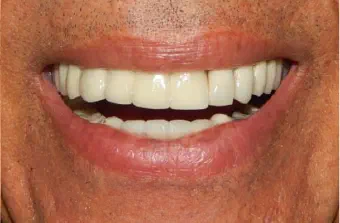
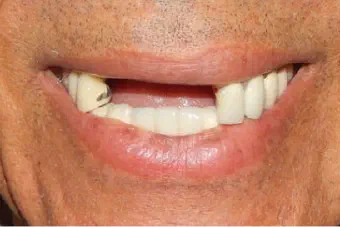
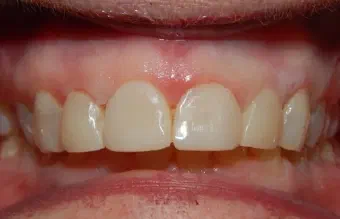
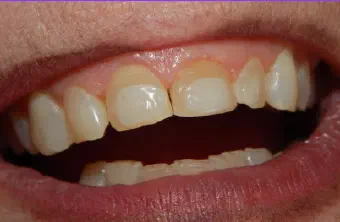
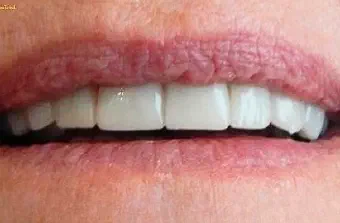
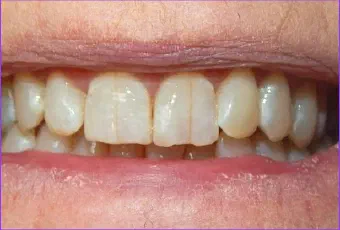
Before & after smile gallery.

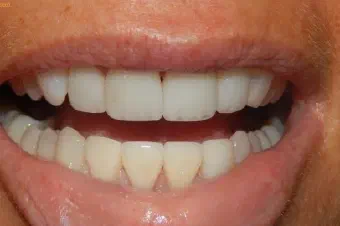
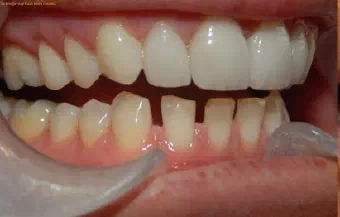
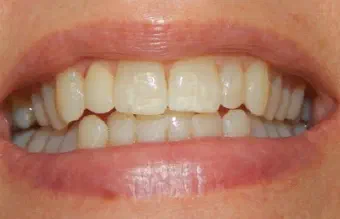
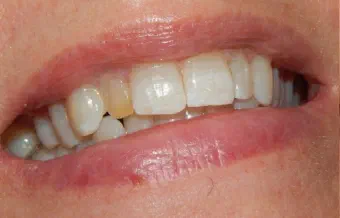
Drag the centre line to compare each real case treated by our dental team. Every smile begins with a personal assessment and a plan shaped around the patient.

Areas We Serve

Neighbourhood dental care, close to home.

Located in Cookstown, Innisfil, our dental team welcomes patients from communities across South Simcoe, Barrie, and northern York Region.

Get directions
  • Cookstown
  • Innisfil
  • Simcoe
  • Lake Simcoe
  • Alcona
  • Stroud
  • Lefroy–Belle Ewart
  • Gilford
  • Churchill
  • Sandy Cove
  • Innisfil Heights
  • Fennell’s Corners
  • Bradford
  • Bradford West Gwillimbury
  • Bond Head
  • Newton Robinson
  • New Tecumseth
  • Alliston
  • Beeton
  • Tottenham
  • Adjala–Tosorontio
  • Everett
  • Loretto
  • Barrie
  • Essa
  • Thornton
  • Baxter
  • Angus
  • Egbert
  • Ivy
  • Utopia
  • York Region
  • East Gwillimbury
  • Queensville
  • Holland Landing
  • Sharon
  • Schomberg
  • Nobleton

Don’t see your community listed? Contact us—we regularly welcome patients from throughout the surrounding region.

Google reviews

Kind words from our patients.

Read what patients have shared about their visits to Cookstown Dental Centre.

A dentist having a friendly consultation with a patient in a bright dental clinic

Your next step

Ready to feel good about your next dental visit?

Whether you are new to the clinic or returning for care, our team is here to make booking simple and answer your questions.

Call Book Now WhatsApp

How can we help?

The Cookstown Dental team is here for you.

Need an appointment, have a question, or want to talk through your options? Choose the next step that works best for you.

Send us a note

We’ll get back to you as soon as we can.