01
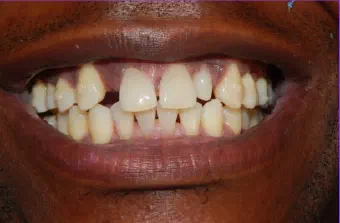
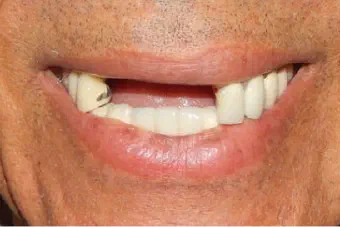
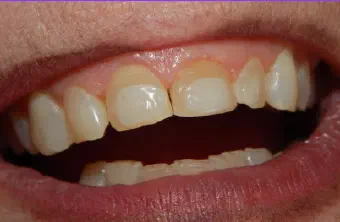
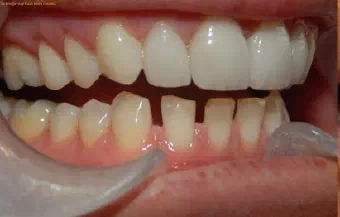
Visible teeth
A prosthetic tooth can chip, detach, or wear and change the appearance or bite.
Clinic hours
Plan your visit
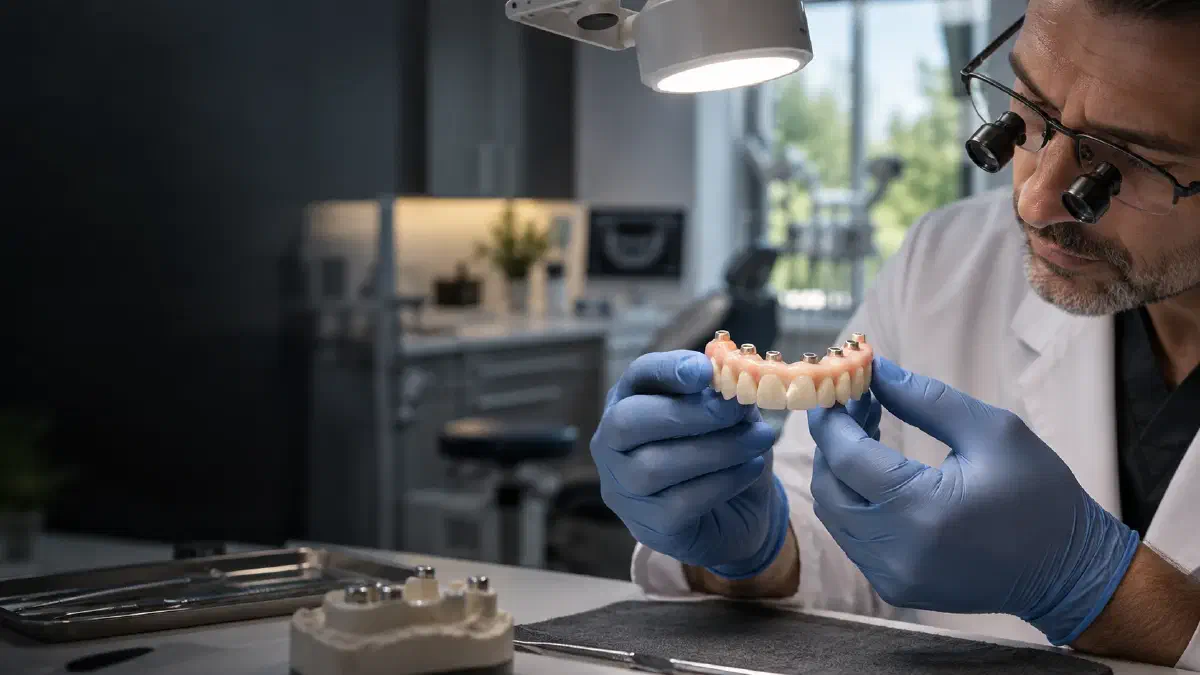
Full-arch implant repair
From a chipped tooth to a cracked full-arch bridge, a prompt assessment protects the restoration, implant components, bite, and supporting tissues.
Request an appointment
All-on-X fracture repair near you
All-on-X and All-on-4 restorations carry bite forces across a complete arch. A tooth can chip, acrylic or ceramic can fracture, a screw can loosen, or the underlying framework can be damaged.
Assessment determines whether the issue is limited to the prosthesis or connected to fit, bite, implant position, grinding, tissue changes, or an implant complication.
Understanding the system
All-on-X is a complete fixed bridge supported by a planned number of implants. The implants are only one part of a connected restorative system.
Damage can occur at several levels, and identifying the affected level is what separates a straightforward repair from a more involved treatment plan.
A prosthetic tooth can chip, detach, or wear and change the appearance or bite.
Pink acrylic, composite, ceramic, or zirconia can crack, chip, or lose contour.
The internal framework, prosthetic screws, or screw-access material can loosen or fracture.
The implant body, abutment, supporting bone, or gums may be involved and need separate care.
Full-arch problems may include
Implant-body fractures are uncommon and are different from damage to the bridge or restorative components.
Protect the restoration
Avoid hard and chewy foods, and do not pull or rock the bridge. A rough edge can sometimes be protected temporarily, but the full restoration should still be checked.
Diagnostic assessment
The goal is to identify the damage, understand why it occurred, and confirm that the implants and surrounding tissues can support the repair.
We check the location, material, extent of damage, bridge mobility, and screw access.
Fit, bite contacts, wear patterns, and the opposing teeth help explain repeated stress.
Every implant site is examined, with digital X-rays or other imaging when needed.
Records can confirm implant parts, prosthetic materials, framework design, laboratory, and screw specifications.
The bridge may need to be removed for inspection. When its design and screw condition allow, removing a screw-retained restoration lets the dentist examine its underside, connections, and individual components.
Repair options
Material, fracture size, prosthesis age, framework condition, implant support, and the cause of damage shape the recommendation.
Smooth and polish a very small chip
Repair or replace one prosthetic tooth
Replace a screw or access material
Complete a laboratory material repair
Reinforce or redesign the prosthesis
Remake an extensively damaged bridge
Treat implant or tissue disease first
Repairable does not always mean dependable. A new restoration may be safer when the framework is fractured, fit is poor, materials are severely worn, damage keeps recurring, or the cause cannot be controlled.
Preventing another fracture
Coordinated full-arch repair
Cookstown Dental Centre assesses the complete prosthetic and biological system. You receive a clear explanation of what is damaged, what can be preserved, likely laboratory stages, temporary options, limitations, and costs.
Arrange an assessmentFrequently asked questions
The repair becomes clearer once the prosthesis, components, bite, implants, and supporting tissues have been assessed.
Many chips and some acrylic or tooth fractures can be repaired. A large crack, framework fracture, repeated failure, poor fit, or significant wear may make replacement more reliable.
Stop chewing on the area, keep any loose fragment, avoid glue, and call for an assessment. If the bridge is mobile, do not continue testing it with your tongue or fingers.
Possible contributors include ordinary wear, grinding, an uneven bite, inadequate support, material fatigue, a loose screw, restoration misfit, trauma, or changes in the opposing teeth. The cause should be assessed before repair.
Often a screw-retained bridge is removed for a complete examination or laboratory repair. Whether it can be safely removed depends on its design and the condition of the screws and access channels.
Temporary options depend on the damage, available components, and laboratory timing. The team will explain what can be provided before the restoration is removed or sent for repair.
No. The fracture may be limited to the visible restoration. Implant stability and surrounding bone and gum health still need to be checked, especially when the bridge is moving.
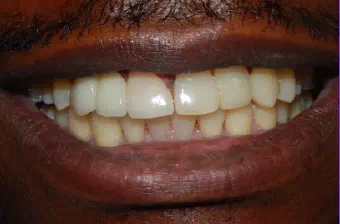
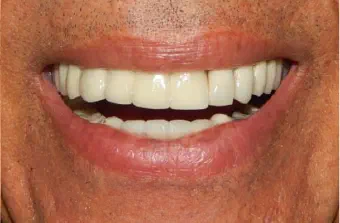
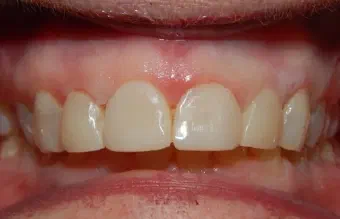
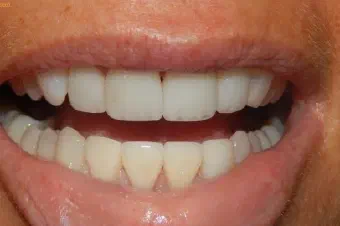
Real patient results
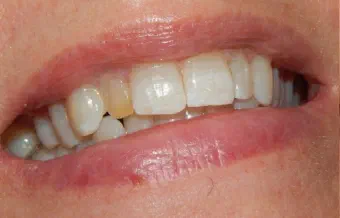
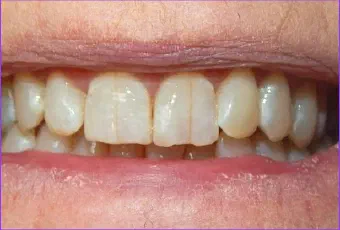
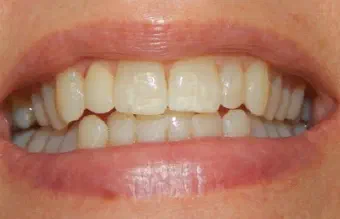
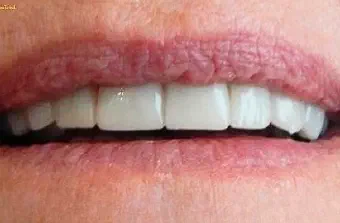
Drag the centre line to compare each real case treated by our dental team. Every smile begins with a personal assessment and a plan shaped around the patient.
Areas We Serve
Located in Cookstown, Innisfil, our dental team welcomes patients from communities across South Simcoe, Barrie, and northern York Region.
Don’t see your community listed? Contact us—we regularly welcome patients from throughout the surrounding region.
Google reviews
Read what patients have shared about their visits to Cookstown Dental Centre.

Your next step
Whether you are new to the clinic or returning for care, our team is here to make booking simple and answer your questions.