Cookstown Dental Centre
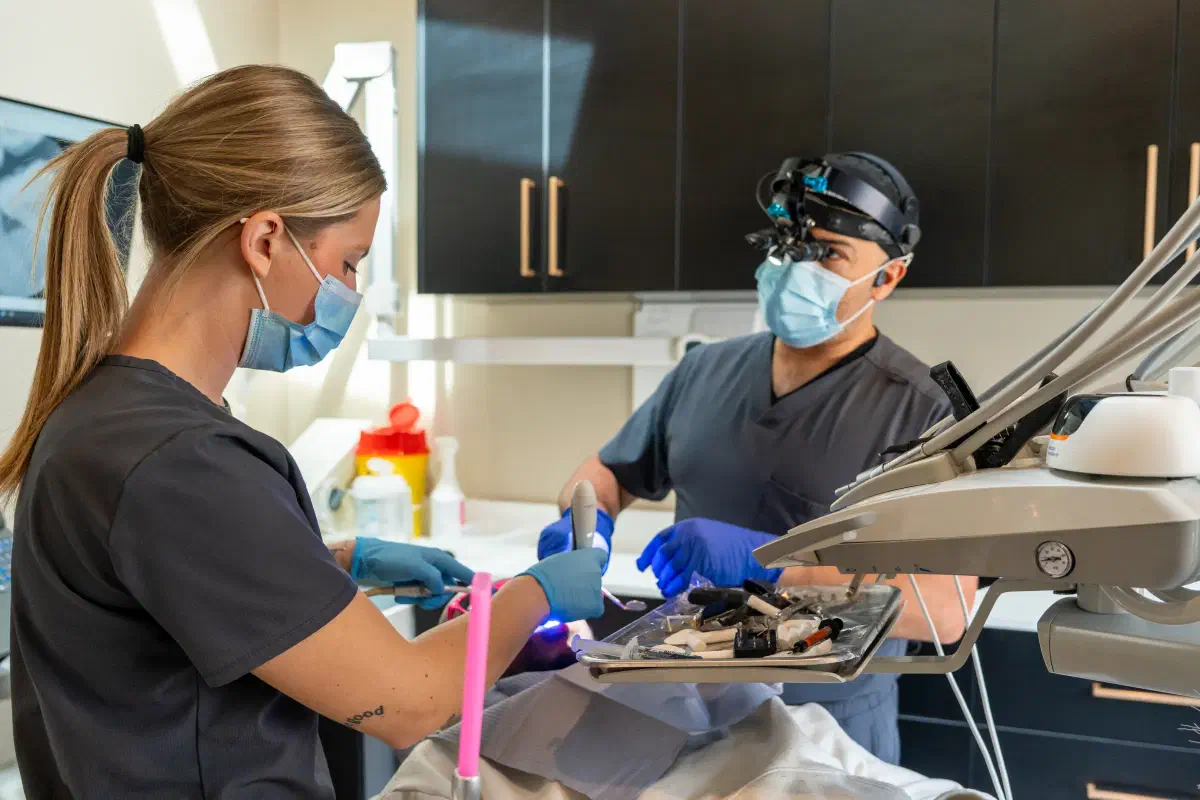
The Cookstown Dental Centre team caring for a patient in a treatment room

Restorative Dentistry · Cookstown

Maintain the implant, its restoration, and the tissues supporting it.

Implant maintenance combines tissue monitoring, professional cleaning, and restoration checks. Plan reviews, home care, component records, and timely repairs.

Request an appointment

Let’s find a time that works.

Need urgent dental help? Call (705) 291-2222.

Dental Implant Maintenance in Cookstown

Long-term implant care is broader than a cleaning appointment.

An implant restoration includes several parts: the implant in the bone, connecting components, the replacement tooth or prosthesis, and the surrounding tissues. Each can need attention over time. Maintenance brings those checks together with cleaning and home-care support. It does not mean tightening every screw or removing every restoration at each visit.

At Cookstown Dental Centre, we assess the particular design and your history to build an ongoing care plan. The review interval and procedures should respond to tissue health, risk, access, and any mechanical concerns. If your implant was placed elsewhere, records can help identify components and previous findings. The goal is to detect meaningful change and provide appropriate care before a small concern becomes a larger problem.
A dentist and older patient reviewing implant tissues and maintenance records

What we consider

Review three parts of the implant system.

A restoration that looks intact can still have a tissue or component concern requiring assessment.

The surrounding gums and bone

The clinician examines relevant tissue findings and compares records where available. Imaging may be indicated for a specific question rather than automatically at every visit. Bleeding, swelling, or changes in support need interpretation, and a painless implant should not be assumed healthy without ongoing assessment.

The crown, bridge, or denture

The replacement teeth are checked for damage, wear, access for cleaning, and changes in contacts. A small chip and a loose prosthesis have different implications. Maintenance should identify which part is affected rather than classify every problem as implant failure or treat every visible defect with the same repair.

The connecting components

Screws, abutments, and denture attachments can have maintenance needs depending on the system. A component should be serviced when indicated with appropriate identification and technique. Routine care is not permission to tighten or replace parts indiscriminately, and patients should never attempt those adjustments themselves.

Practical guidance

Build home care around the actual restoration.

A routine works best when it is demonstrated and achievable in daily life.

Cleaning around a crown or bridge

Ask which brushes or interdental aids suit the contours and available spaces. If a tool cannot reach an area comfortably, explain the difficulty. The clinician can review technique and design rather than assuming that more force or a larger device will improve cleaning around every implant restoration.

Caring for removable attachments

If your denture is designed to be removed, follow the instructions for cleaning both the appliance and attachment areas. Report a change in retention or difficulty seating it. Worn components and poor fit can need assessment separately from plaque removal, so do not compensate indefinitely with extra force or adhesive.

Adapting the routine as needs change

Dexterity, vision, health, or support at home can affect maintenance over time. Tell the clinic when the recommended routine becomes difficult. A caregiver may need instruction with your agreement, and the plan may need practical adaptation while preserving the essential care the restoration requires.

The appointment

Use reviews to compare change, not just repeat a procedure.

A maintenance programme should respond to the implant’s history and current findings.

  1. Establish or review the baseline

    The clinician gathers relevant records and assesses the tissues, restoration, and cleaning routine. If earlier information is missing, explain where treatment was provided and bring any implant documentation. A useful baseline helps later comparisons and may clarify which provider should handle a particular component or tissue concern.

  2. Provide indicated supportive care

    Professional cleaning, coaching, and selected maintenance are provided according to the findings. If a problem falls outside routine support, it should lead to a defined assessment or treatment plan. The appointment should not end with a generic cleaning label when there is a loose restoration or suspected disease needing follow-up.

  3. Set the next review and contact plan

    Agree on an interval based on risk and condition, and know which changes should be reported sooner. The timing may change after treatment or a new health concern. A calendar reminder supports care, but it does not replace contacting the clinic about symptoms developing between scheduled visits.

Understanding the options

Distinguish routine upkeep from a problem requiring treatment.

Different findings can need different providers and different levels of care.

Stable implant maintenance

When tissues and components are stable, reviews and appropriate cleaning support continued function. The clinician checks whether your home routine remains effective and updates advice. Stability is a reason to maintain the plan, not evidence that future care can be discontinued because the implant is artificial.

Disease or mechanical repair

Inflammation with supporting bone changes, a loose crown, or a damaged attachment can need focused treatment. A periodontal or restorative referral may be appropriate. The explanation should identify the problem and expected next step rather than suggest that every complication can be resolved by a more thorough routine cleaning.

Planning together

Keep the information needed for future care accessible.

Good records and clear responsibility can make maintenance easier across providers and over time.

Implant and restoration details

Keep available information about the implant system, placement, final restoration, and later component changes. These records can help compatible parts and appropriate care be identified. A photograph of the visible crown may not provide enough information when a screw, attachment, or connector needs replacement.

The provider and cost arrangements

Clarify who handles tissue reviews, hygiene, prosthetic repairs, and emergencies. Ask which maintenance is included in an agreement and what may be charged separately. The original treatment fee does not necessarily cover every future repair, so practical expectations should be clear before a problem occurs.

Frequently asked questions

Questions about dental implant maintenance

Is implant maintenance just a scale and polish?

No. It can include tissue monitoring, professional cleaning, home-care support, and checks of the restoration and components. The procedures depend on the findings. A mechanical problem or peri-implant disease may require care beyond routine maintenance.

How often should my implant be reviewed?

The interval is individualized according to tissue health, risk, restoration design, and cleaning needs. It may change over time. Follow the agreed plan and report new bleeding, swelling, movement, or damage before the next scheduled visit.

Does the dentist need to tighten the implant screw routinely?

Not necessarily. Components should be assessed and serviced when indicated using the correct system information and technique. Unnecessary or unsuitable adjustment is not a substitute for diagnosis. Report movement rather than attempting any tightening yourself.

Can an implant fail without pain?

Some tissue or mechanical concerns can develop with little discomfort. That is one reason reviews matter. The absence of pain should not be used as the only measure of health, especially if bleeding, swelling, or a change in fit is present.

Can another clinic maintain an implant placed elsewhere?

Often an assessment can be arranged, but the restoration and available records need review. Bring implant details and previous care information. Component compatibility and responsibility for particular repairs should be clarified rather than assumed from the first hygiene appointment.

Do I still need care for my natural teeth?

Yes. Remaining teeth and implant restorations have related but different needs. A comprehensive maintenance plan should consider both. Implant care does not replace decay prevention, gum assessment, or treatment of problems affecting neighbouring teeth.

What changes should I report promptly?

Report persistent bleeding, swelling, discharge, movement, a changed bite, or a broken part. These signs can have different causes. The clinic can assess whether the issue is tissue-related, mechanical, or both and advise on appropriate timing.

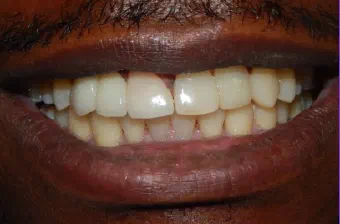
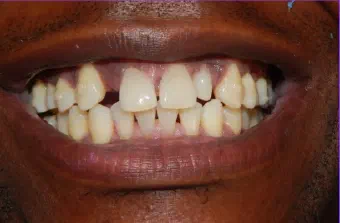
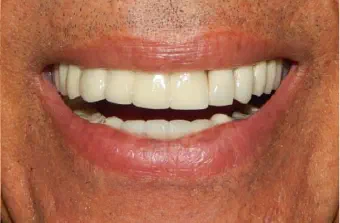
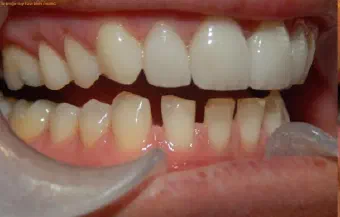
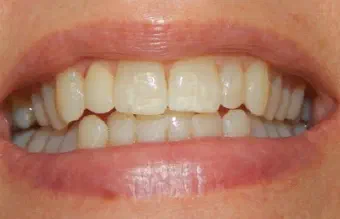
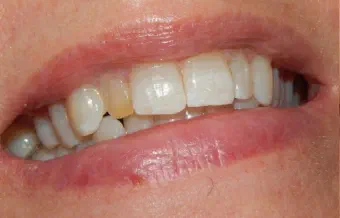
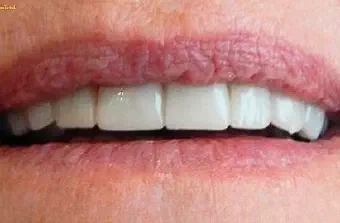
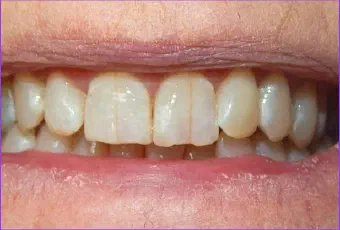
Real patient results

Before & after smile gallery.

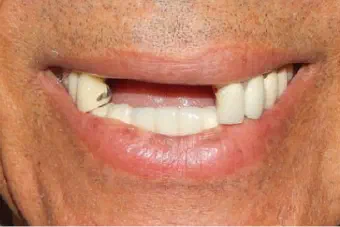
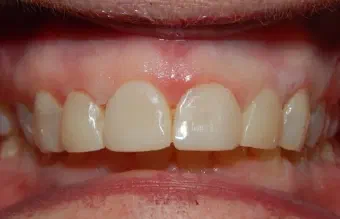
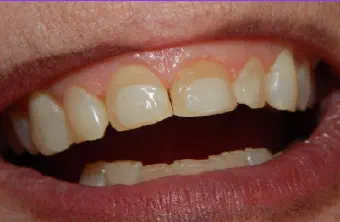
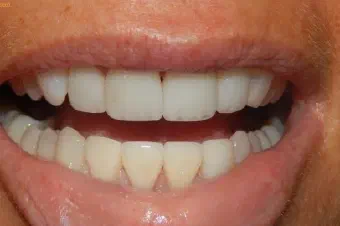
Drag the centre line to compare each real case treated by our dental team. Every smile begins with a personal assessment and a plan shaped around the patient.

Areas We Serve

Neighbourhood dental care, close to home.

Located in Cookstown, Innisfil, our dental team welcomes patients from communities across South Simcoe, Barrie, and northern York Region.

Get directions
  • Cookstown
  • Innisfil
  • Simcoe
  • Lake Simcoe
  • Alcona
  • Stroud
  • Lefroy–Belle Ewart
  • Gilford
  • Churchill
  • Sandy Cove
  • Innisfil Heights
  • Fennell’s Corners
  • Bradford
  • Bradford West Gwillimbury
  • Bond Head
  • Newton Robinson
  • New Tecumseth
  • Alliston
  • Beeton
  • Tottenham
  • Adjala–Tosorontio
  • Everett
  • Loretto
  • Barrie
  • Essa
  • Thornton
  • Baxter
  • Angus
  • Egbert
  • Ivy
  • Utopia
  • York Region
  • East Gwillimbury
  • Queensville
  • Holland Landing
  • Sharon
  • Schomberg
  • Nobleton

Don’t see your community listed? Contact us—we regularly welcome patients from throughout the surrounding region.

Google reviews

Kind words from our patients.

Read what patients have shared about their visits to Cookstown Dental Centre.

A dentist having a friendly consultation with a patient in a bright dental clinic

Your next step

Ready to feel good about your next dental visit?

Whether you are new to the clinic or returning for care, our team is here to make booking simple and answer your questions.

Call Book Now WhatsApp

How can we help?

The Cookstown Dental team is here for you.

Need an appointment, have a question, or want to talk through your options? Choose the next step that works best for you.

Send us a note

We’ll get back to you as soon as we can.