Cookstown Dental Centre
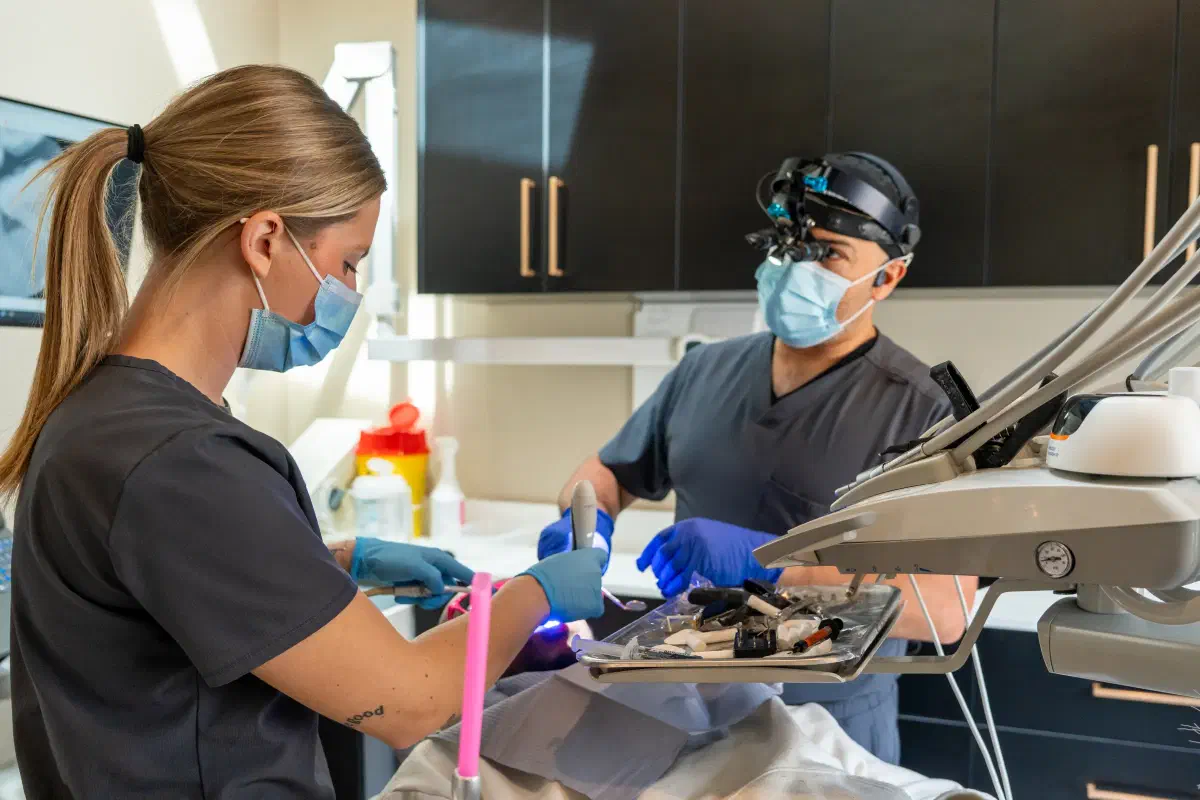
The Cookstown Dental Centre team caring for a patient in a treatment room

General & Family Dentistry · Cookstown

A hygiene visit with a purpose beyond a fresh feeling.

Explore what a dental hygiene appointment can include, from gum assessment and deposit removal to practical home-care advice and an individual recall plan.

Request an appointment

Let’s find a time that works.

Need urgent dental help? Call (705) 291-2222.

Dental Hygiene Appointments in Cookstown

Make the time in the chair useful for the months ahead.

A dental hygiene appointment is an opportunity to look at how your daily care is working and to address deposits that home brushing cannot remove. It also gives you time to ask about bleeding, sensitivity, food trapping, or a tool you find difficult to use. The most useful visit connects what is found in your mouth with a clear plan for everyday care.

At Cookstown Dental Centre, the scope of hygiene care depends on your oral condition and treatment history. Some appointments focus on routine maintenance; others need closer attention to gum concerns or specific areas. Tell the team what you want help with so the visit addresses your questions as well as the clinical work.

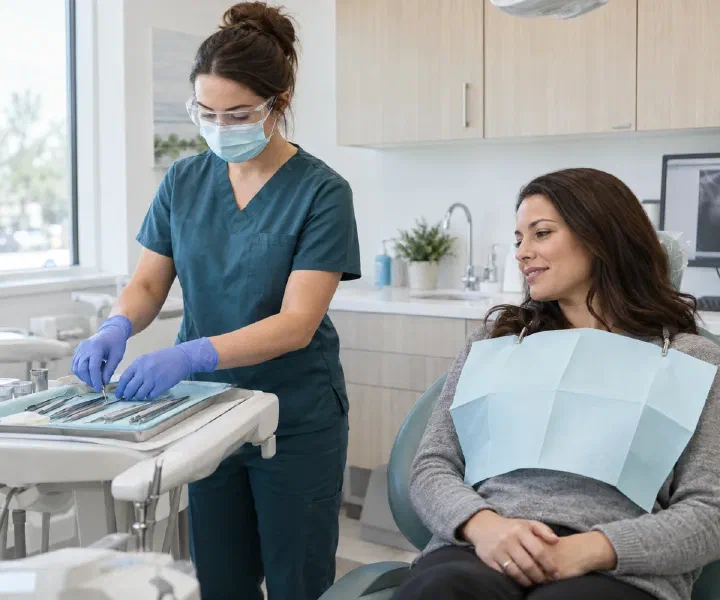
A hygienist preparing instruments beside a seated patient

Your care, step by step

A closer look at the appointment.

The exact sequence may vary. Assessment, treatment, and advice should work together rather than feeling like unrelated tasks completed against the clock.

  1. Update and assess

    Share health and medication changes, new symptoms, and any difficulty with home care. The team may assess gum health, plaque and calculus, and areas needing particular attention. If something has changed since the previous visit, ask what it means and whether the dentist needs to review it.

  2. Clean according to the findings

    Scaling removes hardened deposits with appropriate instruments. Polishing or other preventive care may be included when indicated. The amount of work depends on the condition of your mouth, not simply how recently you attended. Ask which areas required more attention so you understand the focus of the appointment.

  3. Translate findings into home care

    A useful demonstration can show you how to reach a crowded area, clean under a bridge, or choose an interdental brush. Tell the hygienist what is realistic for your hands and routine. Agree on a small number of specific actions rather than leaving with general instructions you cannot apply.

Two parts of the picture

Routine maintenance and gum treatment are different plans.

Both may involve cleaning, but the diagnosis and goals determine the type and extent of care. The terms should be explained before treatment is scheduled.

Maintaining a stable mouth

When findings support routine care, the appointment can help maintain cleanliness and review your technique. A comfortable mouth still benefits from appropriate assessment. Ask about any changes from previous visits and whether the current interval remains suitable for your risk and habits.

Addressing periodontal concerns

If the supporting tissues need more focused treatment, a standard cleaning may not be enough. The dentist and hygienist can discuss measurements, treatment needs, and reassessment. Some cases need referral. The plan should explain what is being treated and how response will be evaluated, not only the number of visits.

What matters most

Bring the parts of home care that are not working.

You do not need to demonstrate a perfect routine. Honest detail makes it easier to offer guidance that changes something useful.

Bleeding or discomfort during cleaning

Mention which areas bleed or hurt and whether the problem is new. These findings need assessment rather than harder scrubbing or avoiding the area indefinitely. The team can discuss a gentler technique, suitable tools, and whether further dental review is needed. Report persistent or worsening symptoms after the visit as instructed.

Bridges, implants, and crowded spaces

Different shapes create different cleaning challenges. Ask for advice specific to your dental work rather than assuming the same tool fits every space. Bring an appliance or a photograph of the products you use if that helps explain the difficulty.

A routine that is too complicated

If several products have accumulated without a clear purpose, ask which are necessary. A manageable routine with correct technique is more useful than an ambitious list that is rarely followed. Cost, dexterity, taste, and time are reasonable points to raise.

Understanding the details

Know what you are booking and what comes next.

A few questions at booking and before you leave can prevent confusion about the scope, cost, and timing of care.

Appointment scope

Ask whether the appointment includes a dentist’s examination, imaging, or preventive treatments, or whether these are arranged separately. A hygiene appointment does not automatically include every service. If you have toothache or another new concern, mention it so the right assessment can be planned.

Time and comfort

Discuss sensitivity, anxiety, jaw fatigue, or difficulty reclining before treatment begins. The team can explain the likely length and possible comfort measures. Some patients need more than one visit for appropriate care. A shorter appointment is not always equivalent to completing the full treatment needed.

Maintenance interval

The recommended interval should reflect your gum condition, deposits, risk, and treatment history. Ask what will be checked next time and what should prompt an earlier call. Insurance timing may differ from clinical advice, so discuss both the health plan and the expected cost.

Frequently asked questions

Your questions about dental hygiene appointments.

Is a hygiene appointment just polishing?

No. Depending on your needs, it may include assessment, scaling, preventive care, and tailored instruction. Polishing addresses selected surface deposits or stain and is only one possible part. Ask what your appointment includes and why each recommended step is useful for your mouth.

Will I see the dentist at the same visit?

Confirm this when booking. An examination may be coordinated with hygiene care, but the arrangements depend on the appointment and your needs. Tell the team about new pain, a broken tooth, or another concern so an appropriate dental assessment can be scheduled.

Why do my gums bleed during cleaning?

Inflammation is one possible reason, but the team should assess your individual findings and relevant medicines. Bleeding is information to discuss, not a reason to assume the appointment caused damage. Ask what was observed and which home-care or treatment steps are recommended.

How often should I have hygiene appointments?

There is no single interval for everyone. Your gum condition, deposit buildup, risk factors, and response to previous care matter. Ask why the suggested timing fits your mouth and whether a review after treatment is different from the longer-term maintenance schedule.

What if I have sensitive teeth?

Tell the hygienist before cleaning and identify the areas and triggers. Comfort measures and technique can be discussed, and the dentist may need to assess the cause. Do not assume all sensitivity is harmless or something you must tolerate without mentioning it.

Can I bring my toothbrush or flossing tool?

Yes. Showing the actual tool can make advice more practical, especially if grip, size, or technique is the issue. Explain what feels difficult and ask for a demonstration. The aim is to improve the routine you can maintain, not simply add another product.

Does cleaning replace gum-disease treatment?

Not necessarily. Some periodontal conditions require a specific treatment and reassessment plan. The team can explain the diagnosis and how recommended care differs from routine maintenance. Ask what outcome is expected and when the response will be reviewed before deciding on the next interval.

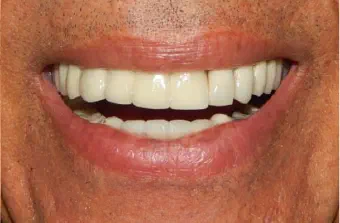
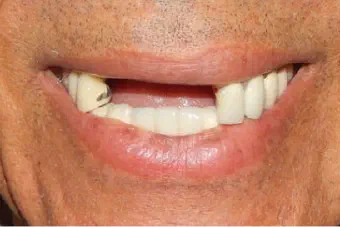
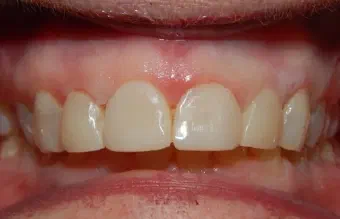
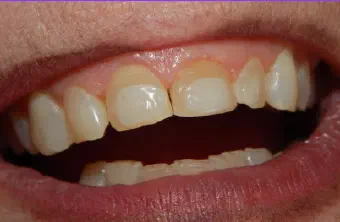
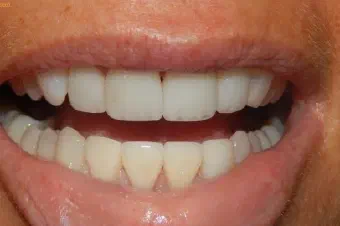
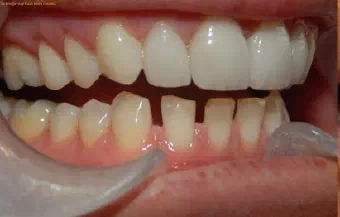
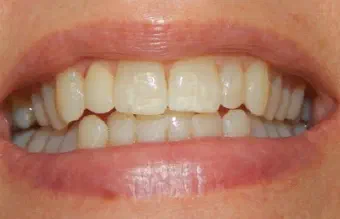
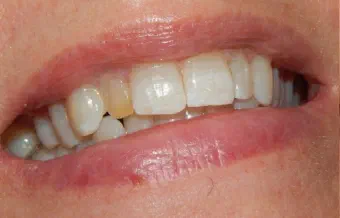
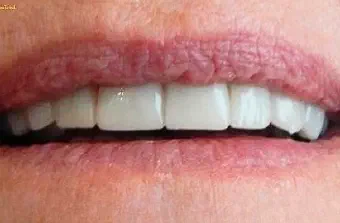
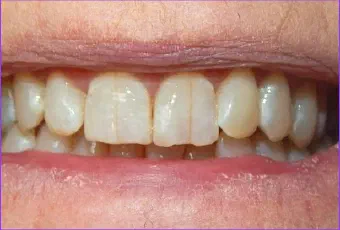
Real patient results

Before & after smile gallery.

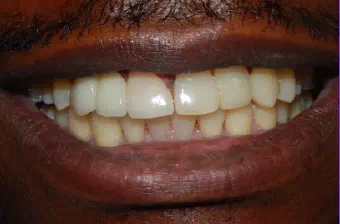
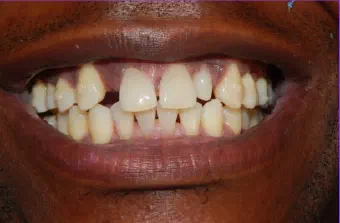
Drag the centre line to compare each real case treated by our dental team. Every smile begins with a personal assessment and a plan shaped around the patient.

Areas We Serve

Neighbourhood dental care, close to home.

Located in Cookstown, Innisfil, our dental team welcomes patients from communities across South Simcoe, Barrie, and northern York Region.

Get directions
  • Cookstown
  • Innisfil
  • Simcoe
  • Lake Simcoe
  • Alcona
  • Stroud
  • Lefroy–Belle Ewart
  • Gilford
  • Churchill
  • Sandy Cove
  • Innisfil Heights
  • Fennell’s Corners
  • Bradford
  • Bradford West Gwillimbury
  • Bond Head
  • Newton Robinson
  • New Tecumseth
  • Alliston
  • Beeton
  • Tottenham
  • Adjala–Tosorontio
  • Everett
  • Loretto
  • Barrie
  • Essa
  • Thornton
  • Baxter
  • Angus
  • Egbert
  • Ivy
  • Utopia
  • York Region
  • East Gwillimbury
  • Queensville
  • Holland Landing
  • Sharon
  • Schomberg
  • Nobleton

Don’t see your community listed? Contact us—we regularly welcome patients from throughout the surrounding region.

Google reviews

Kind words from our patients.

Read what patients have shared about their visits to Cookstown Dental Centre.

A dentist having a friendly consultation with a patient in a bright dental clinic

Your next step

Ready to feel good about your next dental visit?

Whether you are new to the clinic or returning for care, our team is here to make booking simple and answer your questions.

Call Book Now WhatsApp

How can we help?

The Cookstown Dental team is here for you.

Need an appointment, have a question, or want to talk through your options? Choose the next step that works best for you.

Send us a note

We’ll get back to you as soon as we can.