Cookstown Dental Centre
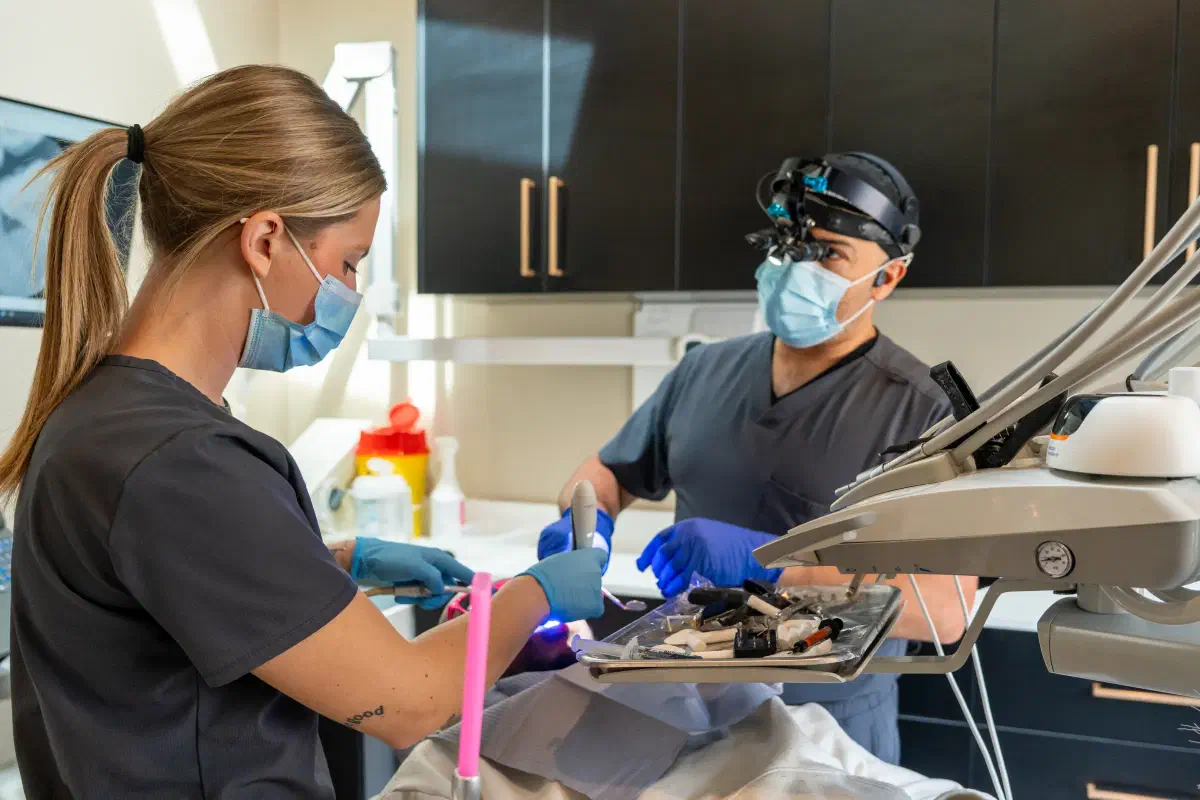
The Cookstown Dental Centre team caring for a patient in a treatment room

Restorative Dentistry · Cookstown

Replace a crown only after reviewing its fit and the tooth beneath.

A failing crown may need replacement when repair or recementation is unsuitable. Review removal, tooth assessment, temporary protection, and the new restoration.

Request an appointment

Let’s find a time that works.

Need urgent dental help? Call (705) 291-2222.

Dental Crown Replacement in Cookstown

The reason for replacement should be clear before the old crown is removed.

Crowns can remain useful for many years, but they can also develop problems with their margins, material, fit, or supporting tooth. Replacement may be recommended when a limited repair or recementation cannot provide an appropriate result. A crown’s age or a small colour difference alone does not establish that removal is necessary.

At Cookstown Dental Centre, we examine the restoration and discuss your symptoms and goals before planning a replacement. The tooth beneath may need additional care, and some findings cannot be fully assessed until the old crown is removed. We explain those possibilities, temporary protection, and the intended final design. A new crown should be selected for the current condition of the tooth and bite rather than made as an unquestioned copy of the old one.
A patient and dentist discussing the shade and design of a replacement crown

Good to know

Separate a cosmetic preference from a clinical failure.

Both can be discussed, but their reasons and trade-offs are different.

A crown with an identified problem

Decay, fracture, an unsuitable margin, or a compromised fit can justify replacement when another intervention is not adequate. The dentist explains the specific finding and its significance. The plan should address the cause of failure so the new crown is not placed over a foundation that remains unresolved.

A crown that no longer meets your appearance goals

You may dislike the shade, shape, or visible edge of an otherwise serviceable restoration. Discuss what replacement would improve and what tooth structure or maintenance it could involve. A cosmetic preference deserves a clear comparison with observation or a limited adjustment rather than automatic removal.

Planning together

Discuss the decisions that can change after removal.

Planning should acknowledge uncertainty without leaving the next steps vague.

The condition beneath the crown

An old restoration can obscure decay, cracks, or the state of the core. The dentist explains which findings are known and which may become clearer during treatment. Ask how a larger defect would affect restorability, the proposed crown, and the estimate before the tooth is uncovered.

Possible additional treatment

A core repair, root canal assessment, or other care may be needed if the findings support it. None is automatic simply because a crown is being replaced. The sequence should be based on diagnosis and the ability to provide a useful final restoration.

Temporary protection and scheduling

Understand what will cover the tooth between stages and how to care for it. A temporary crown has limits in strength and retention. Discuss travel, eating concerns, and access to follow-up so the tooth is not left with an interim arrangement longer than planned without review.

Understanding the options

Choose the replacement design for the current tooth.

Material and coverage decisions should reflect support, contacts, and appearance together.

A new crown where full coverage remains appropriate

The dentist considers remaining structure, preparation, margins, bite, and the location in the smile. Different materials have different practical and aesthetic properties. Ask why the proposed design suits your tooth and how it affects future repair, cleaning, and any existing appliance.

A revised plan when the foundation has changed

If the tooth cannot support the expected crown, another restoration or a different treatment route may need discussion. In some cases preservation is no longer reasonable. A replacement should not proceed solely because a crown was there before; the present prognosis determines the available options.

The appointment

Review the tooth, then build the new restoration.

Each stage should support a sound seal and a useful result.

  1. Remove and reassess

    The old crown is managed with an appropriate technique, and the tooth is examined directly. Significant findings are discussed before the plan is extended. Removal may damage the old restoration, so preserving it for reuse should not be assumed when replacement has been planned.

  2. Record and fabricate the new crown

    After the foundation is suitable, records guide the chosen fabrication method. Shade and contour are considered in relation to adjacent teeth and any planned colour changes. A digital workflow or particular material does not remove the need for clinical judgment about fit and function.

  3. Fit and check the finished result

    The clinician assesses seating, contacts, bite, and appearance before completing the restoration as appropriate. Raise concerns about a high bite or difficult cleaning. Instructions should cover the initial period and any review needed, including a check of retainers or guards affected by the new contour.

Practical guidance

Protect the new crown’s foundation over time.

The natural tooth and supporting tissues still need care after replacement.

Keep margins and contacts clean

Follow the recommended home-care routine and ask for help with an area that traps food. A crown does not make the remaining tooth resistant to all decay. Ongoing prevention should reflect your risk, especially if recurrent decay contributed to the previous crown’s failure.

Review symptoms and repeated problems

Persistent sensitivity, swelling, movement, or repeated chipping deserves assessment. The dentist can check whether the issue relates to the tooth, contacts, or restoration. A newly made crown is not proof that every earlier problem has been eliminated, so follow-up remains part of the care plan.

Frequently asked questions

Questions about dental crown replacement

How do I know whether a crown needs replacement?

An examination assesses the margins, fit, material, tooth, and symptoms. Some problems can be repaired or monitored, while others need replacement. The recommendation should identify a reason rather than rely only on the restoration’s age.

Will the old crown be removed intact?

Not always. The technique may require sectioning or otherwise damaging it. Discuss the plan and temporary protection before removal. A crown scheduled for replacement should not be assumed available as a reusable backup afterward.

Does replacement mean I need a root canal?

No. Root canal treatment depends on the pulp and related diagnosis. The dentist assesses symptoms and findings independently of the crown decision. Some teeth need additional internal care, while others can be restored without it.

Can I choose a different crown material?

You can discuss preferences, but suitability depends on the tooth, bite, space, and appearance goals. The clinician explains the trade-offs of the available options. A material that suits one tooth may not be the best choice for another.

What if more decay is found underneath?

The extent and remaining structure determine the next step. A revised restoration, additional treatment, or another option may need discussion. The dentist should explain those findings and their implications before continuing beyond the agreed plan.

Will a temporary crown look and feel like the final one?

It is an interim restoration and can differ in material, finish, and durability. It should still provide appropriate temporary function and protection. Follow its care instructions and report looseness, breakage, or significant discomfort rather than waiting for the final appointment.

Can the new crown affect my retainer or nightguard?

Yes. A changed contour can affect an appliance made to the previous shape. Bring it when requested and arrange a fit check. Do not force it over the new crown or modify it yourself without professional advice.

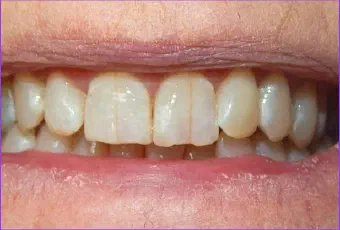
Real patient results

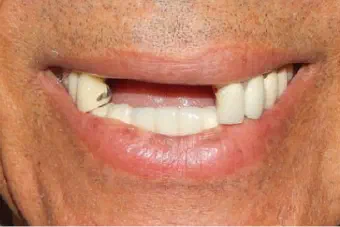
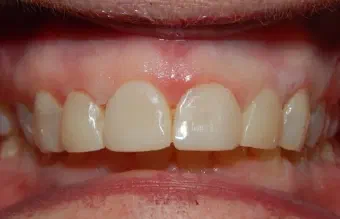
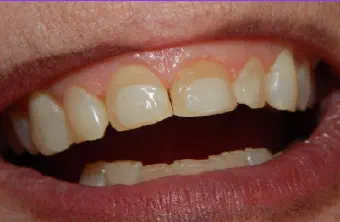
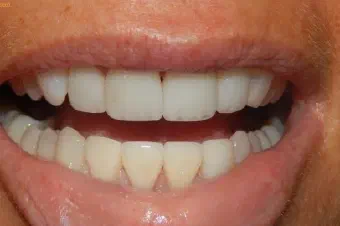
Before & after smile gallery.

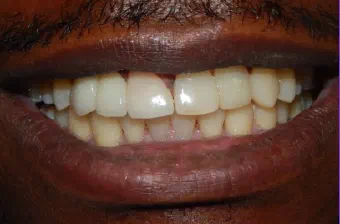
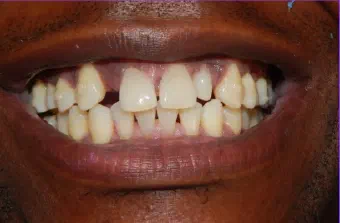
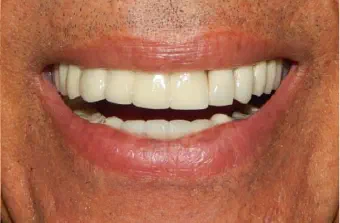
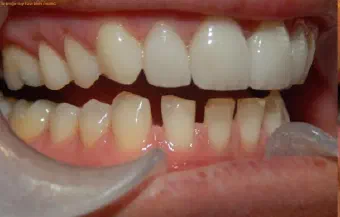
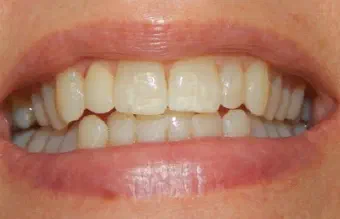
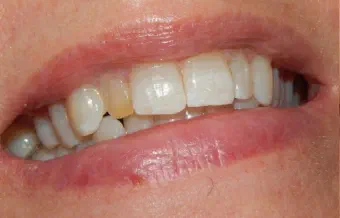
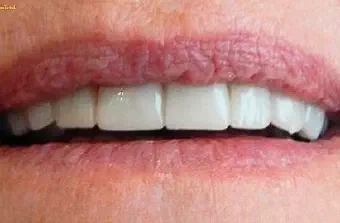
Drag the centre line to compare each real case treated by our dental team. Every smile begins with a personal assessment and a plan shaped around the patient.

Areas We Serve

Neighbourhood dental care, close to home.

Located in Cookstown, Innisfil, our dental team welcomes patients from communities across South Simcoe, Barrie, and northern York Region.

Get directions
  • Cookstown
  • Innisfil
  • Simcoe
  • Lake Simcoe
  • Alcona
  • Stroud
  • Lefroy–Belle Ewart
  • Gilford
  • Churchill
  • Sandy Cove
  • Innisfil Heights
  • Fennell’s Corners
  • Bradford
  • Bradford West Gwillimbury
  • Bond Head
  • Newton Robinson
  • New Tecumseth
  • Alliston
  • Beeton
  • Tottenham
  • Adjala–Tosorontio
  • Everett
  • Loretto
  • Barrie
  • Essa
  • Thornton
  • Baxter
  • Angus
  • Egbert
  • Ivy
  • Utopia
  • York Region
  • East Gwillimbury
  • Queensville
  • Holland Landing
  • Sharon
  • Schomberg
  • Nobleton

Don’t see your community listed? Contact us—we regularly welcome patients from throughout the surrounding region.

Google reviews

Kind words from our patients.

Read what patients have shared about their visits to Cookstown Dental Centre.

A dentist having a friendly consultation with a patient in a bright dental clinic

Your next step

Ready to feel good about your next dental visit?

Whether you are new to the clinic or returning for care, our team is here to make booking simple and answer your questions.

Call Book Now WhatsApp

How can we help?

The Cookstown Dental team is here for you.

Need an appointment, have a question, or want to talk through your options? Choose the next step that works best for you.

Send us a note

We’ll get back to you as soon as we can.