Cookstown Dental Centre
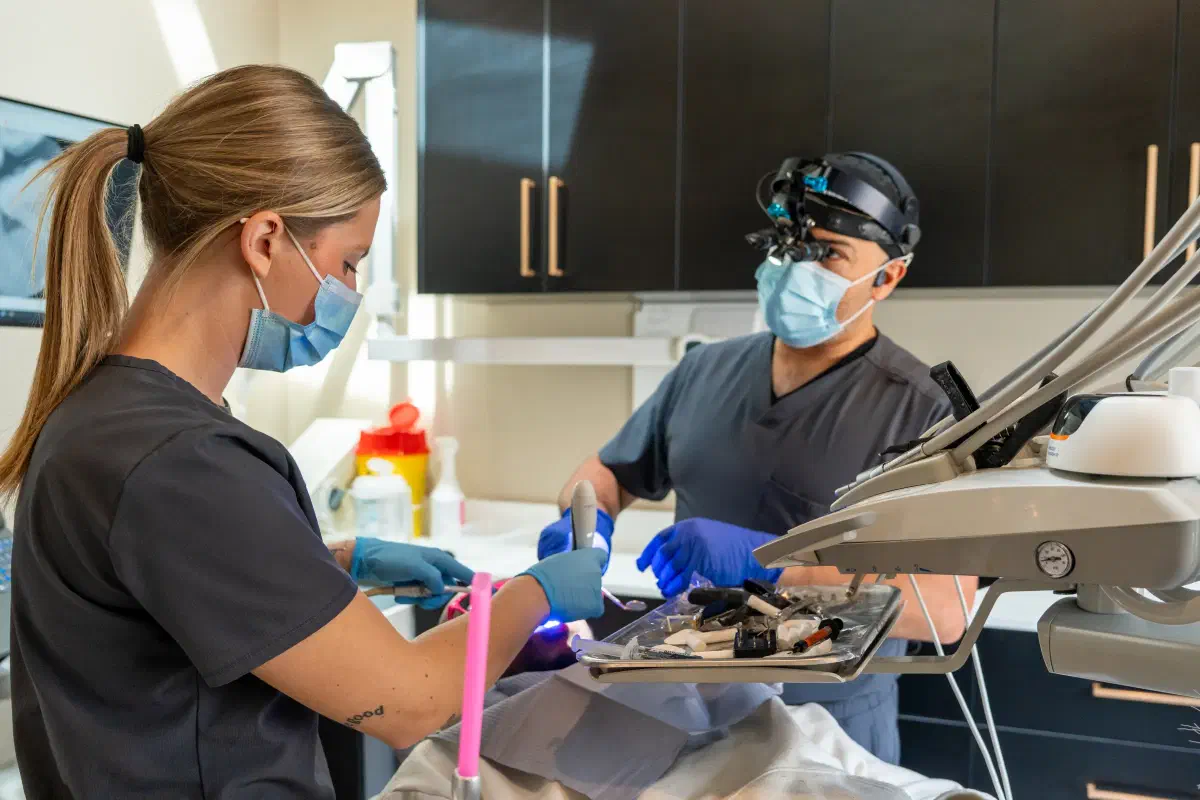
The Cookstown Dental Centre team caring for a patient in a treatment room

General & Family Dentistry · Cookstown

Plan the movement, positioning, and pace of your visit.

Discuss dental care with limited mobility, from arrival and chair positioning to appointment length, support arrangements, and manageable home care.

Request an appointment

Let’s find a time that works.

Need urgent dental help? Call (705) 291-2222.

Dental Care for Patients with Limited Mobility in Cookstown

The details of getting comfortable deserve attention.

Limited mobility can affect a dental visit in ways that are not obvious from an appointment form. Walking distance, balance, joint stiffness, fatigue, hand movement, or the ability to recline may all matter. These needs can be temporary or long term, and they do not necessarily involve using a wheelchair.

Cookstown Dental Centre offers main-floor access and welcomes a conversation about how you move and what makes a visit comfortable. Describe the tasks that are difficult rather than feeling you must explain every part of a diagnosis. We can discuss the planned appointment, confirm practical arrangements, and identify any support or different care setting that may be needed.


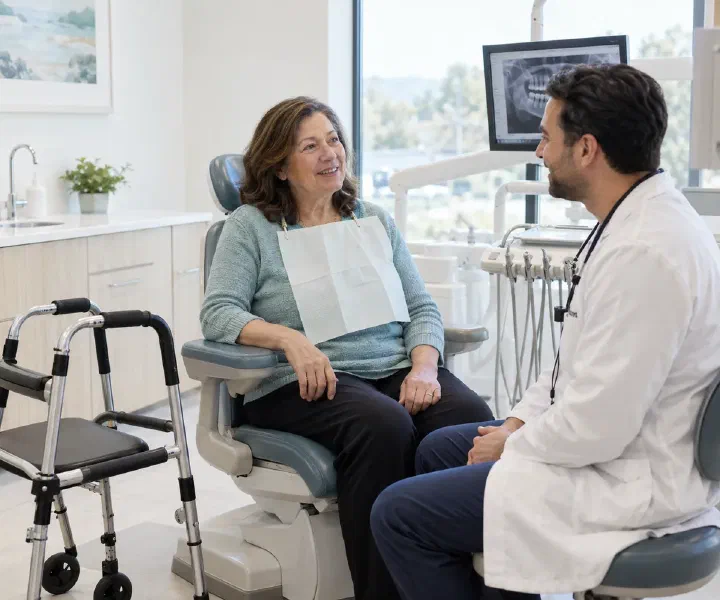
A patient with a walking frame beside her dental chair speaking with a dentist

Your care, step by step

Think through the whole visit before you travel.

An accessible entrance is one part of the experience. Planning also needs to consider the treatment room, the procedure, and how you will feel when it is time to leave.

  1. Arriving and settling in

    Tell the team about a walker, cane, wheelchair, or other aid and whether someone will accompany you. Ask about the route into the clinic and any detail that affects your arrival. Allow for transport arrangements and let us know if waiting or walking for longer periods is difficult.

  2. Positioning for the appointment

    Explain how you usually sit, whether you can transfer independently, and what positions cause pain or breathing difficulty. Do not assume that lifting equipment or trained transfer assistance is available. The team needs to confirm what is feasible for your particular visit before a transfer or reclined procedure is attempted.

  3. Leaving and recovering

    Discuss whether treatment may affect eating, balance, fatigue, or the help you need afterwards. If sedation or a procedure with specific discharge requirements is planned, follow those instructions. Confirm transport and support separately rather than assuming that an ordinary appointment arrangement will always be enough.

Plan with confidence

Share the practical information that changes care.

You know your mobility and comfort best. A few concrete examples can help the team plan more effectively than a general note saying extra assistance is needed.

Movement and positioning

Describe limitations in your neck, back, hips, or arms; whether you can recline; and how long you can remain in one position. Mention recent surgery and any restrictions from your medical team. If a cushion or positioning aid helps, discuss it in advance so its use can be assessed.

Pace and endurance

Tell us if fatigue develops quickly, if a particular time of day is easier, or if frequent pauses are needed. Ask how long the proposed appointment may take. Shorter visits may be worth considering for some care, but the procedure and your comfort determine whether that approach is suitable.

Support and communication

Explain who will attend and what assistance they normally provide. Agree on a way to ask for a pause, including when speaking is difficult during treatment. The team should ask before moving you or your mobility aid and should keep you involved in decisions about positioning.

Two parts of the picture

Access to the appointment and access to daily care.

These are separate needs. A visit can be physically accessible while brushing at home remains difficult, so both deserve a place in the care plan.

Support in the clinic

The aim is to complete appropriate care with a realistic setup and a pace you can tolerate. Some procedures may need an adapted plan or referral. Discuss limitations openly before booking so you can make an informed decision about the appointment and avoid unnecessary travel.

Support at home

Reduced grip, reach, or coordination can change how you clean your teeth. Bring your toothbrush or describe the specific task that is difficult. The team can discuss suitable tools and, if you want help from a caregiver, demonstrate a routine that respects comfort and independence.

Practical guidance

Keep treatment choices practical over time.

The best dental plan accounts for maintenance and future appointments as well as the procedure itself. Tell us about changes you expect in mobility or support.

Consider the number and length of visits

When several treatments are proposed, ask about their sequence and appointment demands. Combining care may reduce travel but create a longer visit; shorter visits may be more comfortable but require more journeys. Discuss the trade-off with the dentist rather than choosing solely on convenience.

Review the plan when needs change

Recovery from surgery, a new mobility aid, or a change in a caregiver’s availability can affect arrangements. Contact the clinic before the next appointment to update the plan. A setup that worked last year may need adjustment, and preferences should be confirmed rather than assumed.

Frequently asked questions

Your questions about dental care for patients with limited mobility.

Do I need to use a wheelchair to discuss accessibility?

No. Balance, pain, fatigue, walking distance, or difficulty moving particular joints can all affect a visit. Describe what you need help with and what positions are comfortable. The team can then consider the appointment details without making assumptions from a mobility label.

Can I avoid lying completely flat?

Tell the team what you can tolerate before treatment. Some care may be possible with adjusted positioning, while other procedures have clinical access requirements. The dentist can explain what is feasible for your situation and whether a different approach or setting is needed.

Can staff lift me into the dental chair?

Do not assume that lifting or transfer assistance is available. Discuss the exact support and equipment you require before booking. A safe arrangement must be confirmed in advance, including the roles of any accompanying person and the limits of what clinic staff can provide.

Can appointments be shorter?

That may be an option depending on the procedure and your needs. Explain how fatigue or discomfort develops and ask about the likely appointment length. Some treatment cannot be divided conveniently, so the plan should balance clinical requirements with what you can comfortably manage.

Can I bring my own cushion?

Discuss it with the clinic beforehand. A familiar support may help, but positioning, clinical access, and safe use need to be considered. Tell the team what the cushion supports and whether your medical or rehabilitation clinician has given specific positioning instructions.

What if I am recovering from surgery?

Share the type and date of surgery, current restrictions, medicines, and relevant clinician contact details. The dentist can decide whether coordination is needed. If you have an urgent dental problem, call with symptoms rather than assuming you must wait until all mobility restrictions have ended.

Can you help me find an easier brushing method?

Ask for a demonstration tailored to grip, reach, and coordination. Describe what you can do comfortably and where help is needed. The team can discuss tools or caregiver support while keeping the routine as simple and independent as possible.

Real patient results

Before & after smile gallery.

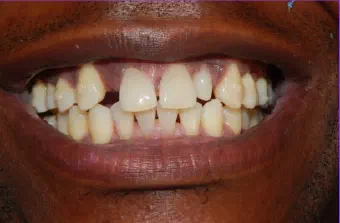
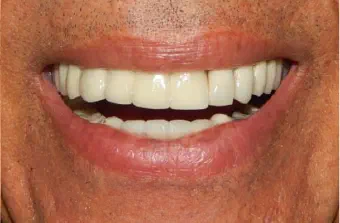
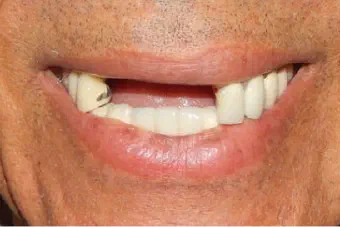
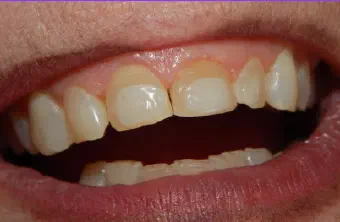
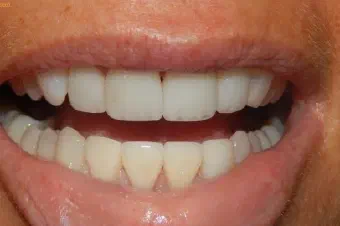
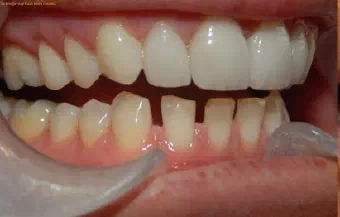
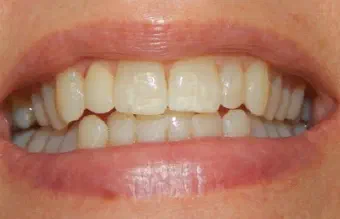
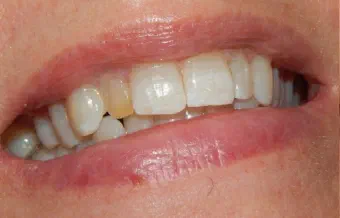
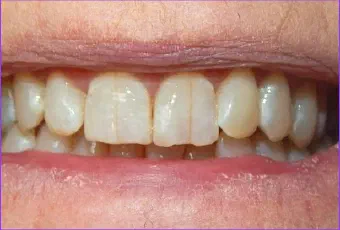
Drag the centre line to compare each real case treated by our dental team. Every smile begins with a personal assessment and a plan shaped around the patient.

Areas We Serve

Neighbourhood dental care, close to home.

Located in Cookstown, Innisfil, our dental team welcomes patients from communities across South Simcoe, Barrie, and northern York Region.

Get directions
  • Cookstown
  • Innisfil
  • Simcoe
  • Lake Simcoe
  • Alcona
  • Stroud
  • Lefroy–Belle Ewart
  • Gilford
  • Churchill
  • Sandy Cove
  • Innisfil Heights
  • Fennell’s Corners
  • Bradford
  • Bradford West Gwillimbury
  • Bond Head
  • Newton Robinson
  • New Tecumseth
  • Alliston
  • Beeton
  • Tottenham
  • Adjala–Tosorontio
  • Everett
  • Loretto
  • Barrie
  • Essa
  • Thornton
  • Baxter
  • Angus
  • Egbert
  • Ivy
  • Utopia
  • York Region
  • East Gwillimbury
  • Queensville
  • Holland Landing
  • Sharon
  • Schomberg
  • Nobleton

Don’t see your community listed? Contact us—we regularly welcome patients from throughout the surrounding region.

Google reviews

Kind words from our patients.

Read what patients have shared about their visits to Cookstown Dental Centre.

A dentist having a friendly consultation with a patient in a bright dental clinic

Your next step

Ready to feel good about your next dental visit?

Whether you are new to the clinic or returning for care, our team is here to make booking simple and answer your questions.

Call Book Now WhatsApp

How can we help?

The Cookstown Dental team is here for you.

Need an appointment, have a question, or want to talk through your options? Choose the next step that works best for you.

Send us a note

We’ll get back to you as soon as we can.