Cookstown Dental Centre
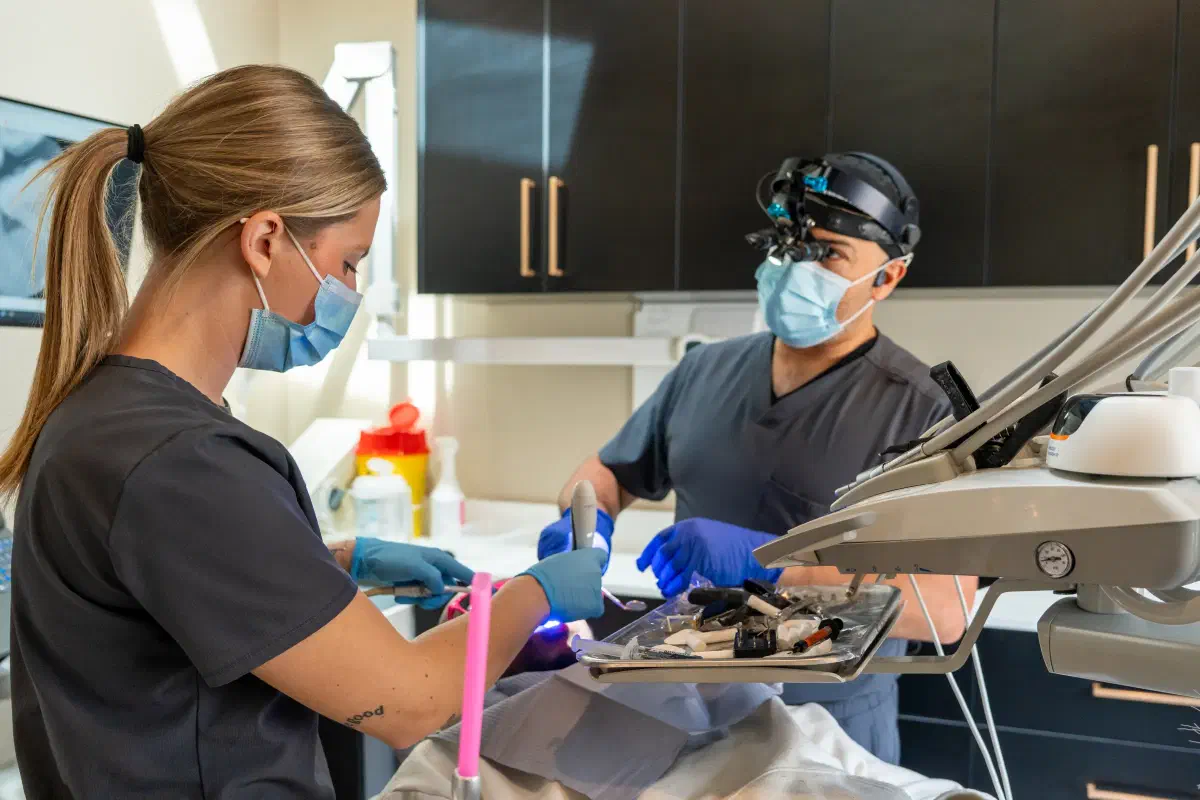
The Cookstown Dental Centre team caring for a patient in a treatment room

General & Family Dentistry · Cookstown

Dental care with your diabetes plan in view.

Plan dental visits around your diabetes care, with attention to gum health, current medicines, meal timing, and changes in your mouth.

Request an appointment

Let’s find a time that works.

Need urgent dental help? Call (705) 291-2222.

Dental Care for Diabetic Patients in Cookstown

Bring the whole health picture into the conversation.

Living with diabetes involves many daily decisions. Dental care should fit that routine and take account of your current health, rather than adding unexplained instructions. Gum concerns, dryness, slow healing, or a change in eating comfort are worth discussing, even when they seem unrelated to the reason you originally booked the visit.

At Cookstown Dental Centre, tell us about your diabetes, usual treatment, and any recent changes. We can discuss oral findings, appointment planning, and when communication with your diabetes clinician would be useful. Dental treatment supports oral health; it does not replace your diabetes medicines, glucose monitoring, nutrition advice, or medical follow-up.


A patient and dentist reviewing a personal health notebook

Plan with confidence

Set up the visit around your usual care.

Avoid changing meals or diabetes medication simply because you have a dental appointment. If fasting or a modified routine is needed for a particular procedure, obtain a coordinated plan first.

Share your current treatment

Bring medicine names and doses, allergies, and your diabetes clinician’s contact details. Mention recent low-glucose episodes, major changes in readings, or a recent hospital visit. If you use a monitor or insulin device, tell the team what you normally need during an appointment and how you recognize a problem.

Discuss timing and supplies

Choose an appointment time that can fit your meal and medication schedule, and confirm its expected length. Bring the monitoring supplies and treatment for low glucose that your medical team has advised you to carry. Explain your usual action plan before treatment starts rather than waiting until you feel unwell.

What matters most

Give changes in your mouth some attention.

The dentist considers your symptoms alongside the examination. Diabetes is relevant context, but it is not an explanation for every dental problem.

Gum health deserves regular review

Diabetes and periodontal health are closely connected. Gum assessment can identify inflammation and supporting-tissue concerns that need a plan. Mention bleeding, a persistent bad taste, loose teeth, or changes in chewing. Treatment recommendations should reflect the findings and be reviewed over time, rather than relying only on how clean the teeth feel.

Dryness or sore areas

A dry or uncomfortable mouth can affect eating and daily care. Tell the team when symptoms started and whether medicines or health changed around the same time. An examination helps decide whether symptom support, dental treatment, or medical input is needed.

Healing and active infection

Your current health may influence planning for invasive procedures and follow-up. Report swelling, pain, or a wound that is not settling as expected. The dentist may need to consult your medical clinician before choosing timing or a treatment setting, particularly when health has recently been unstable.

Your care, step by step

A plan before, during, and after treatment.

The practical details matter as much as the appointment itself. Ask how the proposed dental care may affect your normal eating and medication routine.

  1. Before treatment

    Review the procedure, expected recovery, and whether medical information is needed. If sedation or reduced food intake is anticipated, ask the dental and diabetes teams for specific instructions. Do not independently reduce insulin or other medicines based on a general dental webpage.

  2. During the appointment

    Tell the team immediately if you feel shaky, sweaty, confused, faint, or otherwise unwell. Agree on a way to pause treatment. The team needs to know your normal warning signs and emergency plan, since symptoms can be harder to explain while dental instruments are being used.

  3. During recovery

    Follow the procedure-specific instructions and the agreed diabetes plan. Ask in advance what to do if discomfort makes usual meals difficult. Keep follow-up appointments and report concerns about healing. If you cannot maintain intake or your glucose is outside the limits set by your medical team, seek its advice promptly.

Understanding the details

Make prevention specific to your mouth.

A useful maintenance plan identifies the areas to protect and the habits you can realistically continue. It should be updated when your health or abilities change.

Cleaning technique

Ask the hygienist to demonstrate how to clean areas with bleeding, crowding, bridges, or other dental work. If a tool hurts or is difficult to handle, say so. The right routine should be usable on an ordinary day, not only immediately after a professional cleaning.

Review intervals

The timing of examinations and hygiene care depends on gum findings, decay risk, and treatment history. Ask why a particular interval is recommended and what the team will reassess. A schedule should be based on clinical need rather than assuming every person with diabetes requires identical visits.

Coordination

Keep both teams informed about significant changes. Dental findings may be relevant to your broader care, but no single dental procedure guarantees a particular glucose result. Ask for clear roles so the dentist manages oral needs and the diabetes clinician directs your medical treatment.

Frequently asked questions

Your questions about dental care for diabetic patients.

Can I have routine dental treatment with diabetes?

Many people with diabetes receive routine dental care. The plan depends on current health, the procedure, and any complications. Tell the team about your treatment and recent changes so the dentist can decide whether additional information or medical coordination is needed before proceeding.

Should I skip breakfast before my visit?

Not unless you have specific instructions for the planned procedure and a coordinated diabetes plan. Routine dental care does not automatically require fasting. If sedation is involved, ask both teams how to manage meals and medicines rather than applying your usual appointment routine without checking.

Do I need to bring my glucose monitor?

Bring the supplies your medical team normally advises you to have available, and tell the dental team how you use them. Include your usual treatment for low glucose where appropriate. Confirm expectations before a longer appointment or a procedure that may change your eating schedule.

Will treating gum disease cure my diabetes?

No. Gum treatment addresses oral disease and may be part of overall health care, but it is not a replacement for diabetes management. Continue following your medical plan. Ask the dentist to explain the oral goals of treatment and how progress will be assessed.

Do I automatically need antibiotics?

No. Diabetes alone does not establish that an antibiotic is needed for every dental procedure. The dentist considers the infection, procedure, and your medical status. Do not self-start leftover antibiotics or request them as a substitute for assessing a painful or swollen area.

What if my readings have recently been unstable?

Tell the clinic before the appointment and contact your diabetes clinician according to your care plan. The dentist may need updated information or a different treatment schedule. If you have an urgent dental problem, describe it so the teams can coordinate rather than simply postponing without assessment.

What information is useful at a first visit?

Bring medicines, relevant medical contacts, recent information your clinician has asked you to share, and a description of oral symptoms. Mention how dental treatment could affect your meals or support needs. A clear overview helps the team plan care around your daily management.

Real patient results

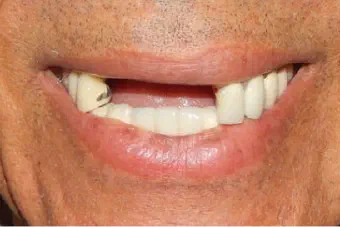
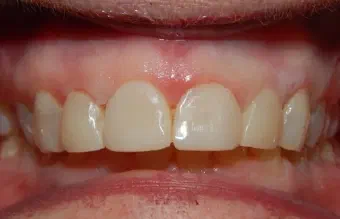
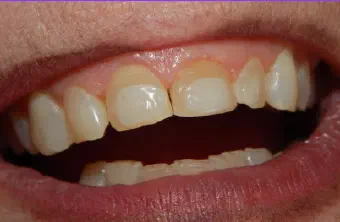
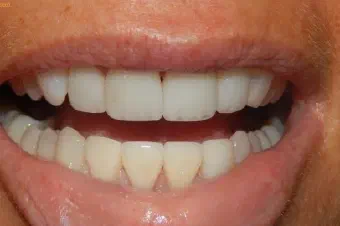
Before & after smile gallery.

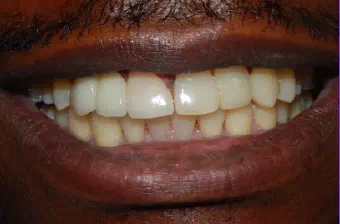
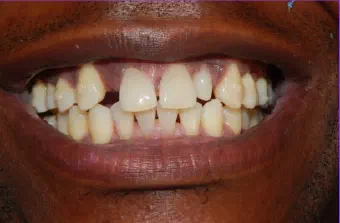
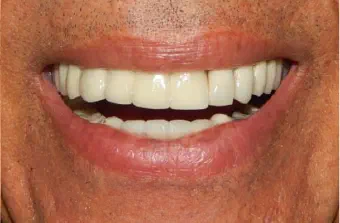
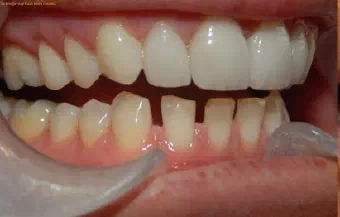
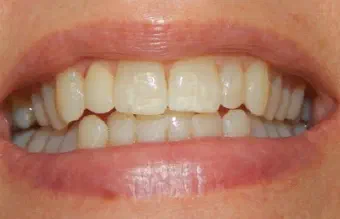
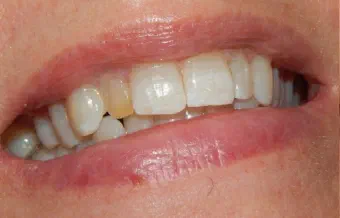
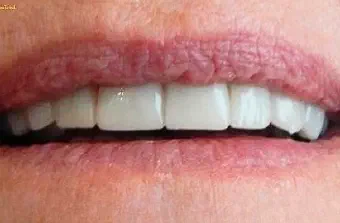
Drag the centre line to compare each real case treated by our dental team. Every smile begins with a personal assessment and a plan shaped around the patient.

Areas We Serve

Neighbourhood dental care, close to home.

Located in Cookstown, Innisfil, our dental team welcomes patients from communities across South Simcoe, Barrie, and northern York Region.

Get directions
  • Cookstown
  • Innisfil
  • Simcoe
  • Lake Simcoe
  • Alcona
  • Stroud
  • Lefroy–Belle Ewart
  • Gilford
  • Churchill
  • Sandy Cove
  • Innisfil Heights
  • Fennell’s Corners
  • Bradford
  • Bradford West Gwillimbury
  • Bond Head
  • Newton Robinson
  • New Tecumseth
  • Alliston
  • Beeton
  • Tottenham
  • Adjala–Tosorontio
  • Everett
  • Loretto
  • Barrie
  • Essa
  • Thornton
  • Baxter
  • Angus
  • Egbert
  • Ivy
  • Utopia
  • York Region
  • East Gwillimbury
  • Queensville
  • Holland Landing
  • Sharon
  • Schomberg
  • Nobleton

Don’t see your community listed? Contact us—we regularly welcome patients from throughout the surrounding region.

Google reviews

Kind words from our patients.

Read what patients have shared about their visits to Cookstown Dental Centre.

A dentist having a friendly consultation with a patient in a bright dental clinic

Your next step

Ready to feel good about your next dental visit?

Whether you are new to the clinic or returning for care, our team is here to make booking simple and answer your questions.

Call Book Now WhatsApp

How can we help?

The Cookstown Dental team is here for you.

Need an appointment, have a question, or want to talk through your options? Choose the next step that works best for you.

Send us a note

We’ll get back to you as soon as we can.