Cookstown Dental Centre
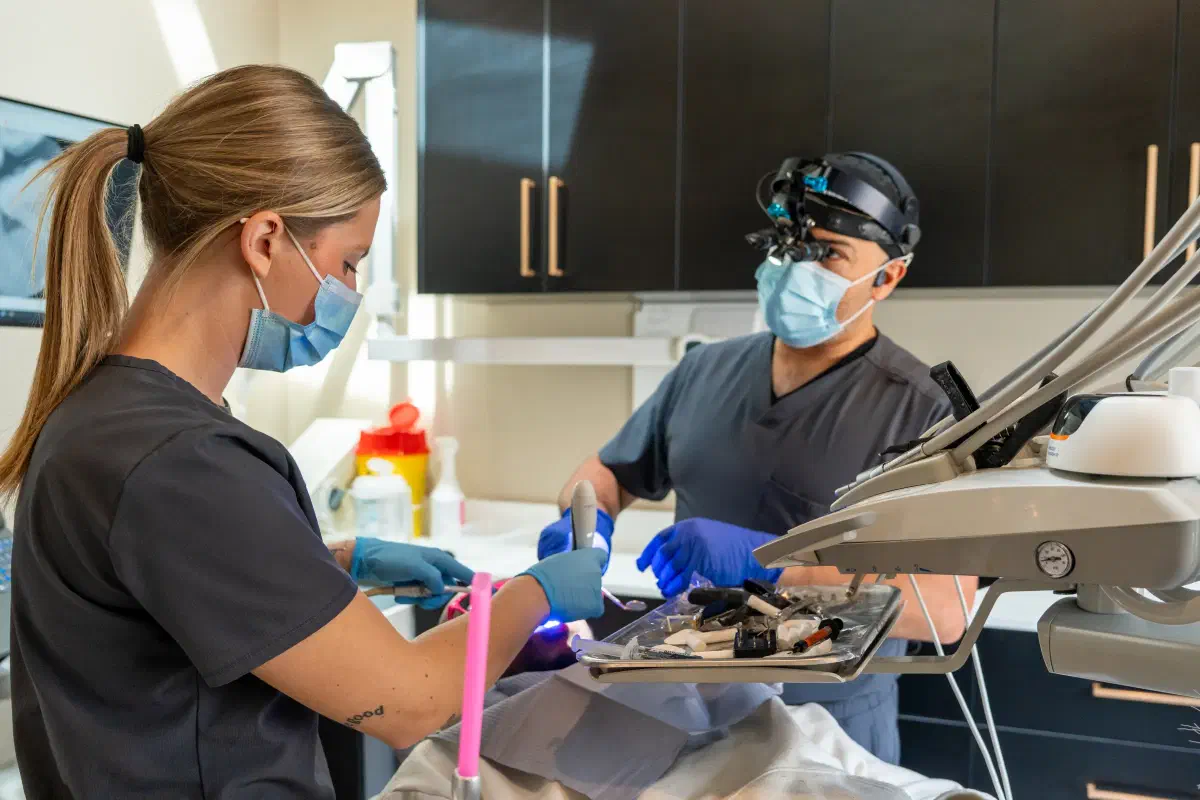
The Cookstown Dental Centre team caring for a patient in a treatment room

General & Family Dentistry · Cookstown

Mouth care that stays connected to your cancer care.

Get guidance on reporting oral symptoms, adapting daily care, and coordinating dental appointments with your oncology team during treatment.

Request an appointment

Let’s find a time that works.

Need urgent dental help? Call (705) 291-2222.

Dental Care During Cancer Treatment in Cookstown

Tell the team when your mouth feels different.

Cancer treatment can change what your mouth can tolerate and how dental care should be planned. Soreness, dryness, bleeding, or difficulty eating may need attention even when you do not have a toothache. Your oncology team should know about new oral symptoms, because the appropriate response depends on the treatment you are receiving and your current medical status.

Cookstown Dental Centre can help assess dental concerns and discuss care in communication with your cancer team. Some needs may be managed in the clinic; others may require the oncology service or a specialist setting. The goal is clear coordination, symptom support, and protection of your mouth without applying a routine dental schedule to a changing medical situation.


A patient seated comfortably while discussing mouth care with a dentist

Careful decisions

Know when to contact your oncology team.

Use the urgent-contact instructions provided by your cancer service. Do not wait for a scheduled dental appointment if you develop symptoms that the oncology team has told you to report immediately.

Symptoms that need prompt advice

Report fever, new or worsening mouth pain, persistent bleeding, swelling, or an inability to drink or swallow adequately. During cancer treatment, these concerns may require medical assessment as well as dental input. Explain your current treatment and when symptoms began so the receiving team can direct you appropriately.

When immediate help is needed

Difficulty breathing, rapidly increasing swelling, or severe uncontrolled bleeding requires emergency help. For other concerns, contact the oncology service using its instructions and tell the dental team what advice you receive. Keeping both teams informed helps avoid a dental plan that conflicts with your current medical care.

What matters most

Comfort, cleanliness, and protection have different roles.

The most appropriate routine may change during treatment. Ask for instructions that reflect your symptoms and any restrictions from the oncology team.

Care for a sore mouth gently

Mouth soreness can make your usual routine difficult. Tell the team which task hurts rather than abandoning all mouth care or forcing through pain. Ask about suitable brushing and cleaning methods, and use only the rinses or medicines recommended for your situation. Strongly flavoured or irritating products may be uncomfortable.

Discuss dryness and eating difficulties

Reduced comfort can affect meals, speaking, and denture use. Explain whether the difficulty is dryness, pain, taste change, or swallowing. Dental advice may need to be coordinated with a dietitian, speech-language professional, or the oncology team rather than solved with a single oral product.

Protect teeth over the longer term

Some treatment effects can continue after cancer therapy ends. Ask whether your preventive plan needs additional fluoride or a different review schedule. Head and neck radiation history is particularly important to share with future dental clinicians, even when the mouth feels better and routine activities have resumed.

Practical guidance

Dental treatment depends on today’s medical picture.

A familiar procedure may need different planning during therapy. This does not mean that all dental care must stop; it means the decision needs the right information.

Share the current treatment cycle

Tell us the type of treatment, recent changes, oncology contact details, and the timing of your next session. The clinicians may need updated blood results or other medical information before invasive care. Do not choose a dental date by assuming that a particular day between treatments is always safe.

Separate assessment from treatment

An appointment to discuss symptoms or examine your mouth may lead to a different plan from an appointment for extraction or other invasive care. The dentist can explain what can be assessed now and what needs further coordination. Ask who is responsible for arranging that communication and when you will hear back.

Review medicines before adding products

Include prescribed medicines, non-prescription pain relief, supplements, and mouth products. Do not begin leftover antibiotics or alter cancer medicines yourself. If another clinician prescribes something for your mouth, make sure the oncology team knows so potential interactions and treatment-specific considerations can be reviewed.

Your care, step by step

Keep a simple record as your needs change.

A short, current record can reduce repeated explanations and make follow-up more useful. A support person may help with this if you want them involved.

  1. Record the change

    Note when the symptom started, what makes it worse, and how it affects drinking, eating, sleep, or cleaning. Mention whether there is bleeding, swelling, or a new sore area. Follow the oncology service’s instructions for monitoring temperature and other symptoms rather than using a dental diary as a substitute.

  2. Confirm the agreed advice

    Write down the product or treatment recommended, how to use it, and which clinician gave the instruction. Ask for clarification if two sets of advice differ. A plan is easier to follow when you know what each step is intended to achieve and which symptoms should trigger another call.

  3. Arrange review and ongoing care

    Ask when your mouth should be reassessed and how dental follow-up will continue after treatment. Keep records of any dental procedures and unresolved issues. Recovery varies, so return to routine care through a coordinated plan rather than assuming that all restrictions end with the last oncology appointment.

Frequently asked questions

Your questions about dental care during cancer treatment.

Can I still see a dentist during cancer treatment?

Yes, dental advice may be important, but the timing and type of care need to fit your medical status. Tell the clinic about active treatment when booking. The dentist may coordinate with oncology before recommending procedures or ask that a concern be assessed in a specialist setting.

Should I stop brushing if my mouth is sore?

Ask the care team how to adapt your routine. Soreness may require a gentler approach or different tools, but stopping all mouth care can create other difficulties. Do not force brushing through significant pain or bleeding; report those symptoms and follow individualized advice.

Can I use my usual mouthwash?

Check with the team, especially if the mouthwash stings or contains ingredients unsuitable for your current symptoms. A rinse recommended for one purpose may not be appropriate for another. Follow the exact instructions supplied and avoid mixing homemade or concentrated products without clinical guidance.

What if dentures rub during treatment?

Tell the dental and oncology teams and bring the denture for assessment if advised. Do not repeatedly wear an appliance over a painful sore or try to file it yourself. The team can discuss fit, cleaning, and whether wear should be modified while tissues recover.

Will I need blood tests before dental treatment?

That depends on the cancer therapy, your current status, and the planned procedure. The dentist may need recent results from oncology rather than ordering the same information again. Ask which information is needed and who will obtain it before the treatment appointment.

Can a painful tooth wait until treatment ends?

Do not make that decision without advice. Contact the teams and describe the symptoms so urgency can be assessed. Waiting may be appropriate for some elective care, but pain, infection, or other active problems can require a coordinated response during treatment.

Do I need to mention past radiation at future visits?

Yes. Tell dental clinicians about head and neck radiation and provide treatment details when available, even years later. Some effects can influence future dental procedures and prevention. Keeping a concise treatment summary helps new clinicians make informed decisions about your care.

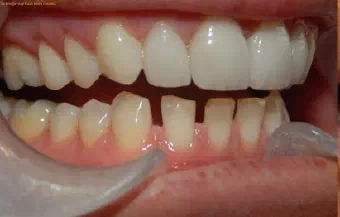
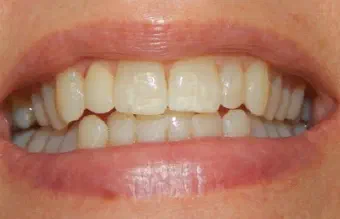
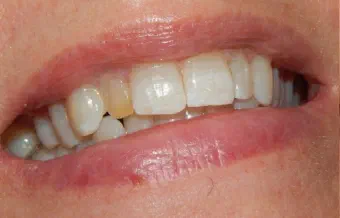
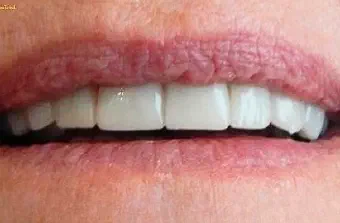
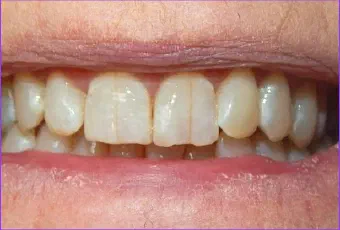
Real patient results

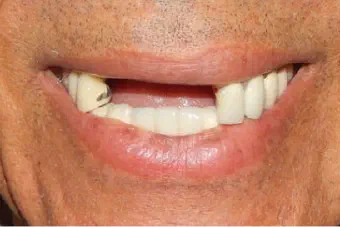
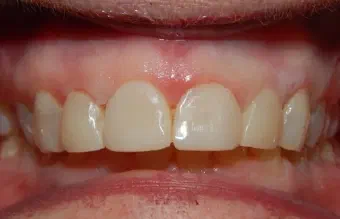
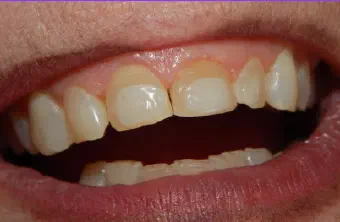
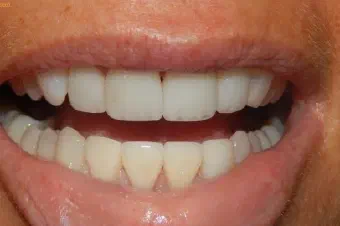
Before & after smile gallery.

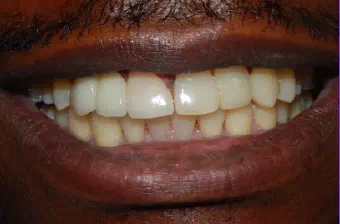
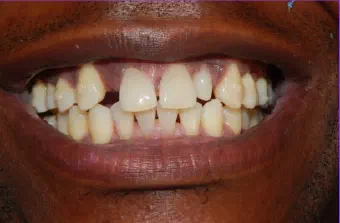
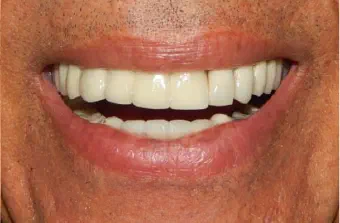
Drag the centre line to compare each real case treated by our dental team. Every smile begins with a personal assessment and a plan shaped around the patient.

Areas We Serve

Neighbourhood dental care, close to home.

Located in Cookstown, Innisfil, our dental team welcomes patients from communities across South Simcoe, Barrie, and northern York Region.

Get directions
  • Cookstown
  • Innisfil
  • Simcoe
  • Lake Simcoe
  • Alcona
  • Stroud
  • Lefroy–Belle Ewart
  • Gilford
  • Churchill
  • Sandy Cove
  • Innisfil Heights
  • Fennell’s Corners
  • Bradford
  • Bradford West Gwillimbury
  • Bond Head
  • Newton Robinson
  • New Tecumseth
  • Alliston
  • Beeton
  • Tottenham
  • Adjala–Tosorontio
  • Everett
  • Loretto
  • Barrie
  • Essa
  • Thornton
  • Baxter
  • Angus
  • Egbert
  • Ivy
  • Utopia
  • York Region
  • East Gwillimbury
  • Queensville
  • Holland Landing
  • Sharon
  • Schomberg
  • Nobleton

Don’t see your community listed? Contact us—we regularly welcome patients from throughout the surrounding region.

Google reviews

Kind words from our patients.

Read what patients have shared about their visits to Cookstown Dental Centre.

A dentist having a friendly consultation with a patient in a bright dental clinic

Your next step

Ready to feel good about your next dental visit?

Whether you are new to the clinic or returning for care, our team is here to make booking simple and answer your questions.

Call Book Now WhatsApp

How can we help?

The Cookstown Dental team is here for you.

Need an appointment, have a question, or want to talk through your options? Choose the next step that works best for you.

Send us a note

We’ll get back to you as soon as we can.