Cookstown Dental Centre
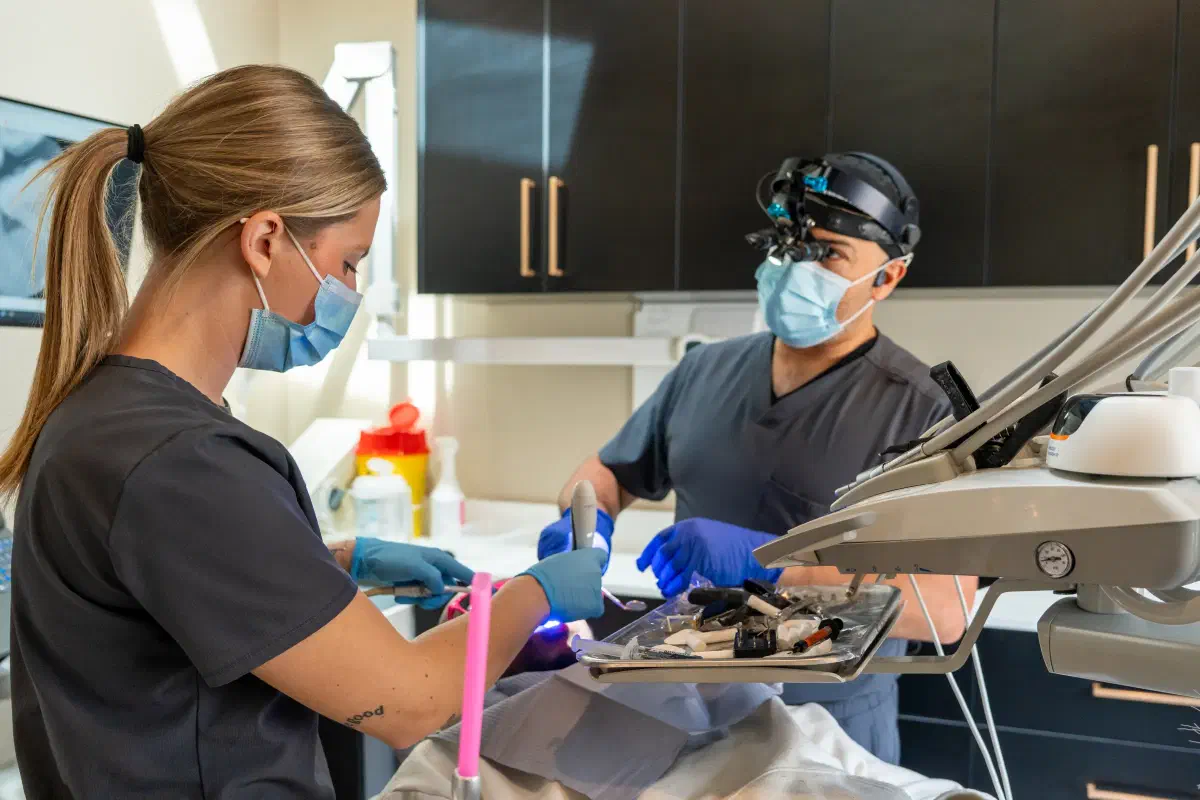
The Cookstown Dental Centre team caring for a patient in a treatment room

General & Family Dentistry · Cookstown

Prepare your mouth as part of your cancer-care plan.

Arrange a dental assessment before cancer treatment, with attention to existing concerns, treatment timing, and communication with your oncology team.

Request an appointment

Let’s find a time that works.

Need urgent dental help? Call (705) 291-2222.

Dental Care Before Cancer Treatment in Cookstown

A timely conversation can make planning clearer.

A cancer diagnosis brings many appointments and decisions. Dental care may be one part of preparing for treatment, particularly when the planned therapy can affect mouth tissues, saliva, healing, or infection risk. Contact the dental team as soon as your treatment schedule is known, even if your mouth feels comfortable and you are unsure whether a dental visit is needed.

At Cookstown Dental Centre, we can discuss your current dental concerns and the information needed from your oncology team. The aim is to identify priorities and coordinate a realistic plan. Dental preparation must fit the cancer-treatment schedule; do not delay or change oncology treatment on your own while trying to arrange dental work.

A patient and dentist reviewing a medical folder before planned treatment

Your care, step by step

Plan around the treatment schedule.

There is no single deadline or dental checklist that fits every cancer therapy. The type of treatment, your current health, and any required healing time all matter.

  1. Share the oncology details

    Bring the name of your oncology clinician, the planned treatment, anticipated start date, and any written dental instructions. Tell us if chemotherapy, a stem-cell transplant, head and neck radiation, or other medicines are involved. If the schedule changes, update the dental team promptly so recommendations are not based on outdated information.

  2. Assess existing dental concerns

    The dentist examines your teeth and oral tissues and considers whether additional records or imaging are needed. Mention pain, loose teeth, denture rubbing, or areas that have recently changed. The assessment helps identify issues that may need attention before therapy and concerns that can be monitored or addressed later.

  3. Agree on priorities with the care team

    When treatment is needed, the dentist and oncology team may need to discuss timing, medical information, and an appropriate setting. Ask which steps are essential now and which are elective. A coordinated plan should explain the next action without leaving you to reconcile conflicting instructions yourself.

Understanding the details

Separate immediate needs from longer-term choices.

A pre-treatment assessment is not a promise that every dental problem must be solved before cancer care can begin. The plan depends on individual findings.

Pain or possible infection

Report current symptoms when booking rather than waiting for a routine appointment. The dentist can assess the cause and coordinate appropriate care. If you have swelling, fever, or difficulty swallowing, explain this immediately so urgency can be assessed in the context of your medical condition.

Teeth with an uncertain outlook

Some teeth may need a discussion about expected problems during or after therapy. Decisions about restoration, removal, or monitoring require an examination and knowledge of the cancer plan. Ask why an option is recommended, what healing is needed, and who should confirm the timing.

Comfort and daily care

A rough restoration, poorly fitting denture, or difficult cleaning routine may be worth addressing before treatment. The goal is to reduce avoidable irritation and make care manageable. Bring removable appliances and the tools you use so the discussion can be practical rather than based on assumptions.

Plan with confidence

Leave with a mouth-care plan you understand.

The most useful preparation includes knowing what to do at home and whom to contact if problems arise. Write down questions as they occur between appointments.

Agree on products and technique

Ask which toothbrush, toothpaste, and cleaning aids are appropriate for you. If head and neck radiation is planned, discuss whether additional fluoride protection is needed. Use the instructions supplied by your care team rather than starting concentrated rinses, supplements, or treatments based on general internet advice.

Identify the right contact

Clarify whether a new mouth symptom should be reported first to oncology, the dentist, or both. Keep the oncology urgent-contact instructions accessible. Ask how dental follow-up will work once treatment starts and what information should accompany a call about pain, bleeding, or an inability to eat comfortably.

Practical guidance

Make room for questions and practical limits.

Your plan should account for transport, energy, finances, and support. Tell us what is manageable while you are organizing other medical appointments.

When time before treatment is short

Call even if treatment starts soon. The appropriate response is to coordinate, not to assume that a missed ideal timeframe makes dental input useless. The team can discuss what information can be gathered promptly and which decisions require direct input from your oncology clinicians.

When care continues after therapy begins

Some issues may be managed later under a revised plan. Medical status, blood results when relevant, and treatment effects can change what is suitable. Keep a record of completed dental work and unresolved concerns so the next clinician understands the plan without needing you to reconstruct every conversation.

Frequently asked questions

Your questions about dental care before cancer treatment.

Should I book even if I have no toothache?

Yes, contact the clinic to discuss the planned cancer treatment and whether a pre-treatment assessment is recommended. Some dental concerns are not painful. The team can explain what information is needed before deciding the scope and timing of an appointment.

How far in advance should I call?

As soon as you know the treatment plan or receive a request from oncology. Earlier contact allows more time for assessment and any necessary healing, but the exact schedule is individualized. If treatment is imminent, call anyway and let the teams coordinate the next step.

Will I need teeth removed?

Not automatically. Recommendations depend on the teeth, the proposed cancer therapy, and the risks of leaving or treating a problem. Ask for a clear explanation of alternatives and timing. A general webpage cannot determine whether a particular tooth should be kept or removed.

Can my dentist provide medical clearance?

The dentist can report dental findings and planned or completed care when requested. That is different from guaranteeing that cancer treatment will have no complications. Clarify what the oncology team needs and who will receive the information so the report supports the actual medical decision.

Does head and neck radiation require special planning?

It can. Radiation involving the jaws or salivary glands may have lasting implications for oral care and future procedures. The dental and oncology teams need the relevant treatment details. Tell future dentists about this history even long after the cancer treatment has finished.

What should I bring?

Bring your medication list, oncology contact information, treatment schedule, any request for dental assessment, and recent relevant records. Include dentures or other removable appliances. A support person can help take notes if you wish, with your permission for information sharing.

Should I postpone cancer treatment until my teeth are fixed?

Do not make that decision yourself. The oncology team and dentist should discuss necessary dental priorities against the medical treatment timeline. If different instructions appear to conflict, contact the teams for clarification rather than cancelling or delaying either part of your care independently.

Real patient results

Before & after smile gallery.

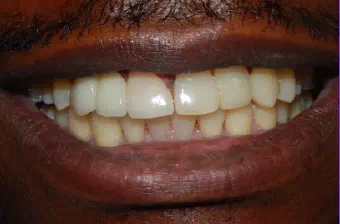
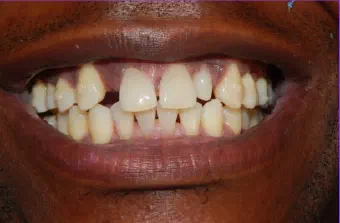
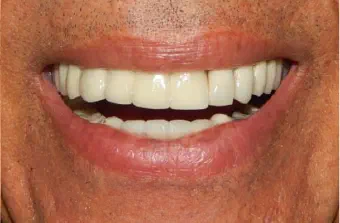
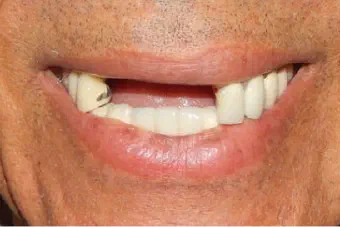
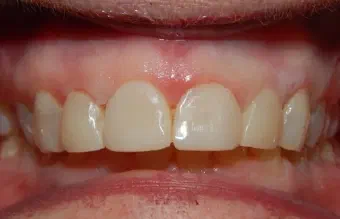
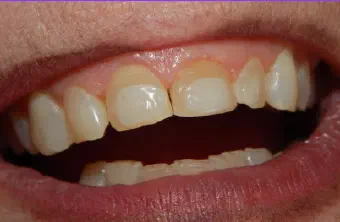
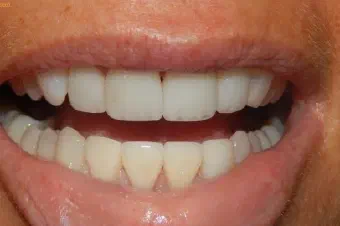
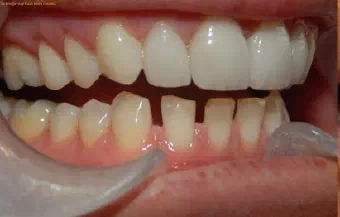
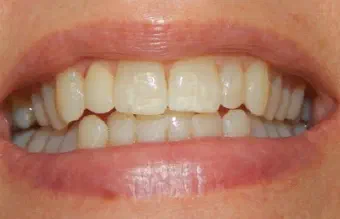
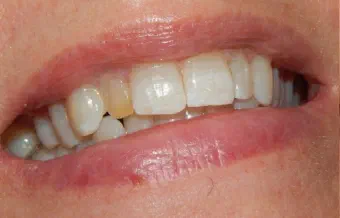
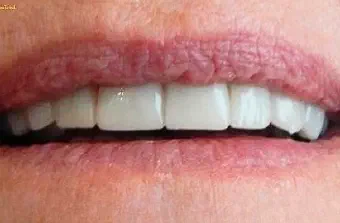
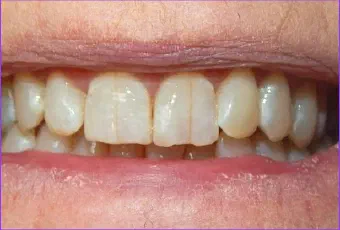
Drag the centre line to compare each real case treated by our dental team. Every smile begins with a personal assessment and a plan shaped around the patient.

Areas We Serve

Neighbourhood dental care, close to home.

Located in Cookstown, Innisfil, our dental team welcomes patients from communities across South Simcoe, Barrie, and northern York Region.

Get directions
  • Cookstown
  • Innisfil
  • Simcoe
  • Lake Simcoe
  • Alcona
  • Stroud
  • Lefroy–Belle Ewart
  • Gilford
  • Churchill
  • Sandy Cove
  • Innisfil Heights
  • Fennell’s Corners
  • Bradford
  • Bradford West Gwillimbury
  • Bond Head
  • Newton Robinson
  • New Tecumseth
  • Alliston
  • Beeton
  • Tottenham
  • Adjala–Tosorontio
  • Everett
  • Loretto
  • Barrie
  • Essa
  • Thornton
  • Baxter
  • Angus
  • Egbert
  • Ivy
  • Utopia
  • York Region
  • East Gwillimbury
  • Queensville
  • Holland Landing
  • Sharon
  • Schomberg
  • Nobleton

Don’t see your community listed? Contact us—we regularly welcome patients from throughout the surrounding region.

Google reviews

Kind words from our patients.

Read what patients have shared about their visits to Cookstown Dental Centre.

A dentist having a friendly consultation with a patient in a bright dental clinic

Your next step

Ready to feel good about your next dental visit?

Whether you are new to the clinic or returning for care, our team is here to make booking simple and answer your questions.

Call Book Now WhatsApp

How can we help?

The Cookstown Dental team is here for you.

Need an appointment, have a question, or want to talk through your options? Choose the next step that works best for you.

Send us a note

We’ll get back to you as soon as we can.