Cookstown Dental Centre
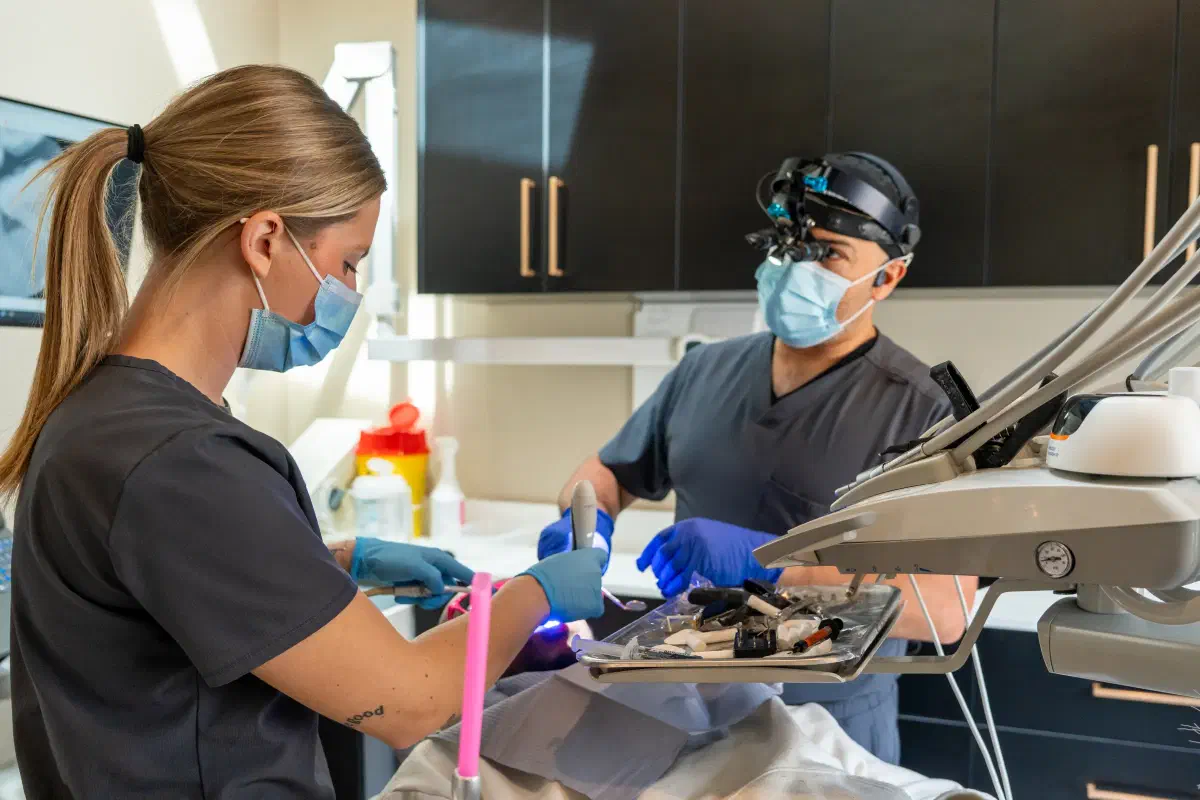
The Cookstown Dental Centre team caring for a patient in a treatment room

Children’s Dentistry · Cookstown

Repair a tooth with appearance and function in mind.

Children’s tooth-coloured fillings can repair suitable cavities or damage, with material choices based on the tooth, bite, and treatment needs.

Request an appointment

Let’s find a time that works.

Need urgent dental help? Call (705) 291-2222.

Children’s Tooth-Coloured Fillings in Cookstown

A natural-looking repair starts with a sound decision.

A tooth-coloured filling can restore a suitable damaged or decayed area while blending with the surrounding tooth. For children, choosing a repair also means considering whether the tooth is a baby or permanent tooth, how much healthy structure remains, and how well the treatment can be completed. Appearance matters, but it is only one part of the decision.

At Cookstown Dental Centre, we explain the material options and the reason for the recommended approach. A smaller cavity may suit a filling, while a heavily damaged tooth may need more coverage or a different treatment. We want you to understand both what the repair can do and what it cannot guarantee before an appointment is planned.


A dentist showing a tooth-shade sample to a child and parent

Understanding the options

Match the repair to the situation.

The term tooth-coloured describes appearance, not one universal treatment. The dentist selects an appropriate material and technique after examining the tooth.

A suitable filling

A filling may work when enough tooth remains to support a durable repair and the affected area can be managed appropriately. We discuss the location, size, and bite forces involved. Ask whether the repair is intended as definitive care or an interim step within a larger treatment plan.

When another option fits better

A large cavity, weak remaining walls, or pulp involvement can make a filling alone unsuitable. A crown, pulp treatment, or another approach may be discussed. Choosing a tooth-coloured material should not mean overlooking the support and protection the tooth actually needs to function comfortably.

What we consider

Details that influence the material choice.

Two teeth with similar-looking cavities may need different repairs. We consider the whole treatment setting as well as the visible damaged area.

Baby or permanent tooth

The expected time a baby tooth will remain, the condition of its roots, and the development of the adult successor affect planning. A permanent tooth has different long-term considerations. We explain which tooth is involved so the recommendation makes sense beyond the colour of the finished filling.

Moisture and access

Some materials require particularly careful control of saliva during placement. A partly erupted tooth, difficult location, or a child’s ability to keep the mouth open can influence the technique. We discuss practical limitations rather than promising the same material is the best choice in every situation.

The size and position of damage

A repair between teeth, at a biting edge, or across a chewing surface faces different demands. The amount of healthy structure left matters as well. The dentist can show you the affected area and explain why a larger restoration may need a different form of protection.

Step by step

Understand the appointment before it begins.

Preparation includes your child’s comfort, the steps needed for the repair, and any aftercare. We answer questions before starting treatment.

  1. Prepare and support comfort

    We review the planned tooth and treatment, relevant health information, and suitable comfort measures. Local anaesthetic may be used when needed. Your child can learn a pause signal, and we can describe equipment and sensations in simple language without expecting them to understand every technical detail.

  2. Place the restoration

    The dentist manages the damaged area and places the chosen filling using its required technique. Isolation helps protect the working area. We adapt the appointment to safe care, and if the tooth’s condition differs from what was expected, we explain any necessary change to the plan.

  3. Check the bite and instructions

    The repaired tooth is shaped and checked as appropriate. We explain eating and cleaning instructions, including protecting numb lips or cheeks if anaesthetic was used. Tell us if the bite feels high or if discomfort increases afterward, rather than waiting for the next routine examination.

Practical guidance

Help the repair last as your child grows.

A filling repairs a specific area. Ongoing care still protects the rest of the tooth and helps us identify wear, new decay, or a changed bite.

Clean around the repair

Continue brushing and age-appropriate cleaning between teeth with adult help where needed. Ask for a demonstration if the repaired area is difficult to reach. The boundary between tooth and filling still needs attention, and a natural appearance does not mean the area is protected from future decay.

Watch for a changed feeling

Report persistent sensitivity, pain on biting, food trapping, or a rough edge. These symptoms can have different causes and need review. Do not encourage a child to keep testing a sore tooth with hard foods; describe the problem and let the dentist determine what needs adjustment or assessment.

Keep the prevention plan

A child who has needed a filling may benefit from a closer look at cavity risk. Discuss fluoride, sealants, snack patterns, and brushing support where relevant. At later visits, we check the repair and update advice as new teeth appear and your child takes on more independent care.

Frequently asked questions

Questions about children’s tooth-coloured fillings

Are all white fillings made from the same material?

No. Tooth-coloured materials differ in their properties and placement requirements. The dentist can explain which material is being recommended and why it suits the tooth and appointment. The choice should account for function and clinical conditions as well as appearance.

Can baby teeth have tooth-coloured fillings?

Yes, when a filling is appropriate for the tooth’s condition and treatment needs. Some baby teeth need a different restoration, particularly when damage is extensive. The dentist explains the options after assessing the tooth and its expected remaining lifespan.

Will the filling be completely invisible?

The aim is a suitable natural-looking repair, but an exact invisible match cannot be guaranteed. Tooth colour, repair size, and material affect appearance. Ask what result is realistic for the particular tooth before deciding on treatment.

How long will the filling last?

Longevity varies with the size and location of the repair, material, bite, cleaning, and ongoing cavity risk. Regular reviews help identify changes. A filling should not be described as permanent or guaranteed to last until a baby tooth falls out.

Will my child need freezing?

Local anaesthetic may be recommended depending on the depth and location of treatment. We discuss comfort before starting and explain aftercare if numbness is expected. Tell us about previous reactions or difficult experiences so those can be considered.

What if the filling feels high?

Contact us if your child consistently bites on that tooth first or avoids chewing because it feels wrong. A bite check may be needed. Persistent or worsening pain should also be assessed rather than assumed to be normal after every filling.

Can a filling be repaired instead of replaced?

Sometimes, depending on the cause and extent of the problem. The dentist needs to examine the restoration and surrounding tooth. A small defect, new decay, and a fracture can require different approaches, so an assessment comes before choosing a repair.

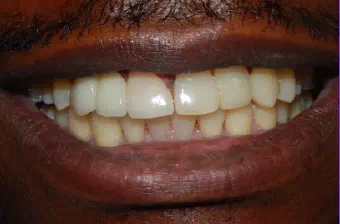
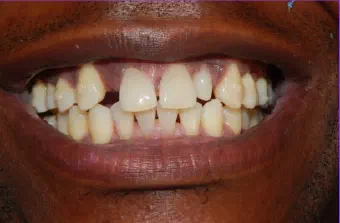
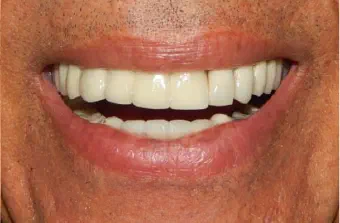
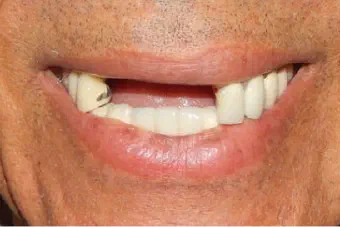
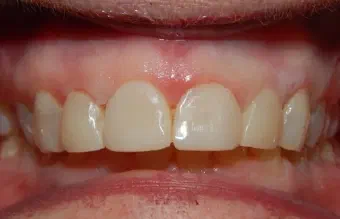
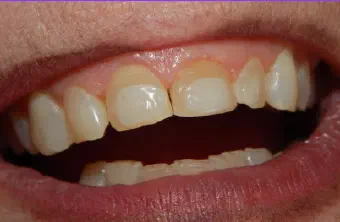
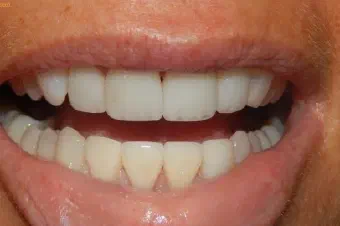
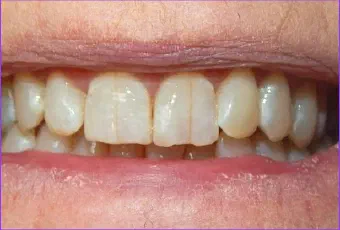
Real patient results

Before & after smile gallery.

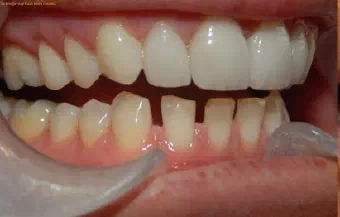
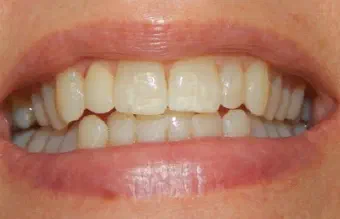
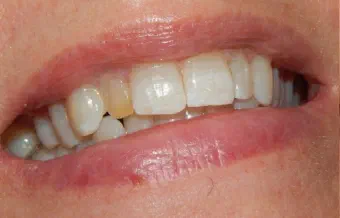
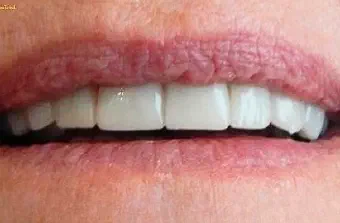
Drag the centre line to compare each real case treated by our dental team. Every smile begins with a personal assessment and a plan shaped around the patient.

Areas We Serve

Neighbourhood dental care, close to home.

Located in Cookstown, Innisfil, our dental team welcomes patients from communities across South Simcoe, Barrie, and northern York Region.

Get directions
  • Cookstown
  • Innisfil
  • Simcoe
  • Lake Simcoe
  • Alcona
  • Stroud
  • Lefroy–Belle Ewart
  • Gilford
  • Churchill
  • Sandy Cove
  • Innisfil Heights
  • Fennell’s Corners
  • Bradford
  • Bradford West Gwillimbury
  • Bond Head
  • Newton Robinson
  • New Tecumseth
  • Alliston
  • Beeton
  • Tottenham
  • Adjala–Tosorontio
  • Everett
  • Loretto
  • Barrie
  • Essa
  • Thornton
  • Baxter
  • Angus
  • Egbert
  • Ivy
  • Utopia
  • York Region
  • East Gwillimbury
  • Queensville
  • Holland Landing
  • Sharon
  • Schomberg
  • Nobleton

Don’t see your community listed? Contact us—we regularly welcome patients from throughout the surrounding region.

Google reviews

Kind words from our patients.

Read what patients have shared about their visits to Cookstown Dental Centre.

A dentist having a friendly consultation with a patient in a bright dental clinic

Your next step

Ready to feel good about your next dental visit?

Whether you are new to the clinic or returning for care, our team is here to make booking simple and answer your questions.

Call Book Now WhatsApp

How can we help?

The Cookstown Dental team is here for you.

Need an appointment, have a question, or want to talk through your options? Choose the next step that works best for you.

Send us a note

We’ll get back to you as soon as we can.