Cookstown Dental Centre
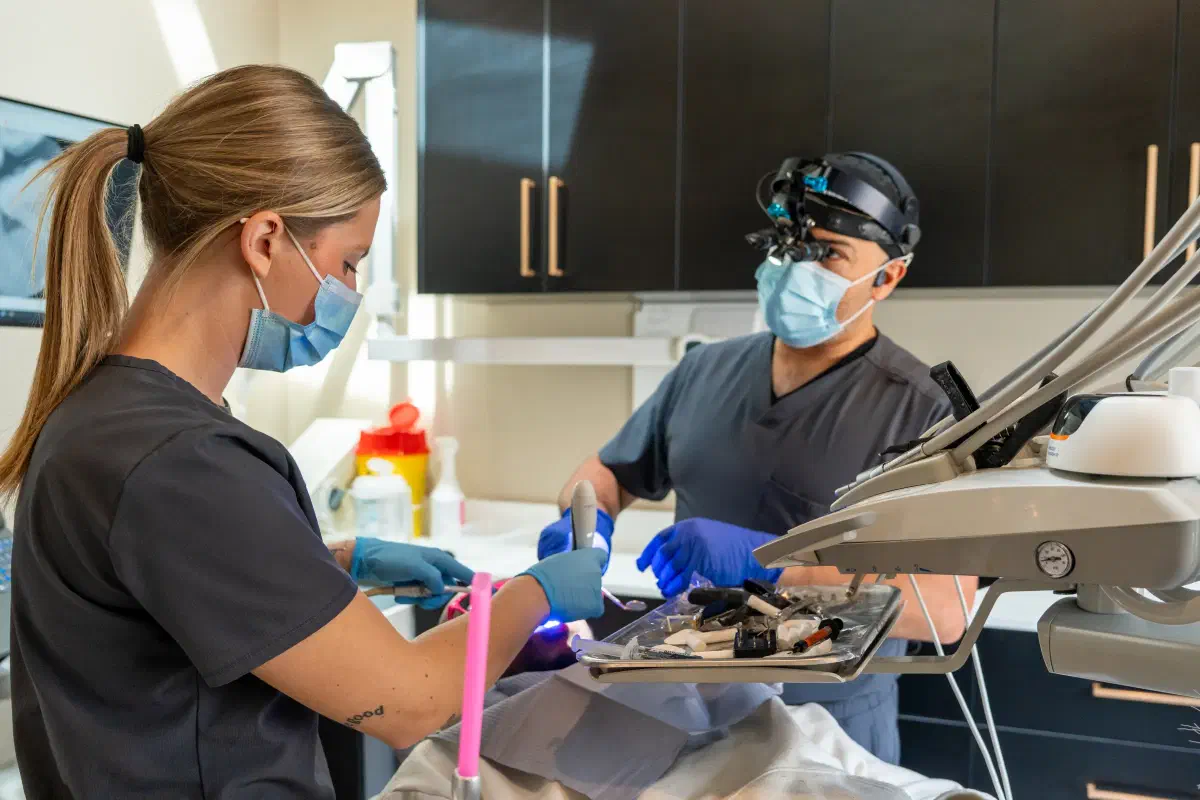
The Cookstown Dental Centre team caring for a patient in a treatment room

Children’s Dentistry · Cookstown

Extra protection for hard-to-clean grooves.

Learn how children’s dental sealants protect selected chewing surfaces, when they may help, and how they are checked as your child grows.

Request an appointment

Let’s find a time that works.

Need urgent dental help? Call (705) 291-2222.

Children’s Dental Sealants in Cookstown

A thin protective layer with a specific job.

The grooves on back teeth can be difficult for a toothbrush to reach thoroughly, especially when a new adult molar is still coming through. A dental sealant covers selected pits and fissures to make those surfaces less vulnerable. It is one part of prevention, alongside cleaning, appropriate fluoride use, and a routine that limits frequent sugar exposure.

At Cookstown Dental Centre, we assess the tooth before recommending a sealant. We consider the groove pattern, whether decay is present, how well the tooth can be kept dry during placement, and your child’s overall cavity risk. The goal is to use protection where it has a clear purpose, with a follow-up plan that checks it remains in good condition.


A dentist explaining the grooves of a molar model to a child and parent

Care that fits

Choose the teeth that would benefit.

Sealants are not a blanket treatment for every tooth. The decision is made surface by surface, with attention to the tooth’s condition and stage of eruption.

New permanent molars

New back teeth may appear behind the baby molars without a baby tooth falling out first. Parents can easily miss them during brushing. We check whether the chewing grooves would benefit from a sealant and whether enough of the tooth is accessible to place the chosen material reliably.

Deep or plaque-retaining grooves

Some chewing surfaces have narrow grooves that remain difficult to clean even with good effort. A sealant can create a protective barrier on suitable surfaces. We explain why a particular tooth is being considered and how that recommendation fits with the rest of your child’s preventive care.

A history of cavities

Previous decay can influence how much additional protection is useful. We look beyond one tooth to the pattern of risk, including cleaning challenges and daily routines. A sealant may support the plan, but it cannot protect every surface or replace care for decay that already requires treatment.

The appointment

A visit focused on the tooth surface.

Placement is usually a straightforward preventive procedure. The exact steps depend on the material and the tooth, and we explain the sensations before beginning.

  1. Check and prepare

    The tooth is examined and the surface is cleaned as needed. The dentist decides whether a sealant is appropriate or whether another approach is required. We explain how the tooth will be kept dry and help your child understand the role of suction, cotton, or other isolation methods.

  2. Apply the protective material

    The selected material is placed into the prepared grooves, following the product’s technique. Some sealants are hardened with a curing light. Your child may need to keep the mouth open for a short period; we can discuss pauses and how to make the process easier to manage.

  3. Check the finished surface

    We check coverage and how the teeth meet, then explain any immediate eating instructions for the material used. Tell us if the tooth feels noticeably different when biting. The sealant is recorded so its condition can be reviewed at later appointments rather than assumed to remain intact indefinitely.

Understanding the options

Sealants and other prevention work together.

Different preventive tools protect in different ways. Understanding their roles can help you make sense of several recommendations at the same appointment.

Sealants and fluoride

A sealant physically covers selected grooves, while fluoride supports resistance to decay on tooth surfaces. One does not make the other unnecessary. Recommendations depend on your child’s needs, and the dentist can explain why both, one, or neither professional treatment is appropriate at a particular visit.

Sealants and fillings

A sealant is not a general substitute for repairing a hole in a tooth. Selected early changes may be suitable for sealing, but more established damage may need restoration. The distinction requires examination; a parent cannot reliably choose between these treatments by looking at a dark groove alone.

Planning together

Keep protection working between reviews.

After placement, ordinary daily care still matters. A simple review routine helps us notice wear or changes before the original plan becomes out of date.

Continue careful brushing

Help your child clean every surface, including around newly erupted molars and along the gums. Sealants cover only selected chewing grooves. If reaching the back of the mouth is difficult, ask for a demonstration with a smaller brush head or a position that gives you a better view.

Mention a changed feeling

Tell us if your child notices a rough edge, something catching, or a different bite. A sealant can wear or become partly lost over time, and an examination determines whether repair is needed. Avoid trying to pick at the surface or decide at home that a sealant has failed.

Keep preventive reviews

We check sealants during appropriate dental reviews and reconsider cavity risk as habits and teeth change. Bring up new medicines, braces, or cleaning difficulties. The plan can be adjusted as your child grows, rather than repeating the same treatment simply because it was useful at an earlier age.

Frequently asked questions

Questions about children’s dental sealants

What age should a child get sealants?

There is no single age that suits every child. The eruption and condition of the back teeth, groove pattern, and cavity risk guide timing. New permanent molars are commonly assessed, but the recommendation is based on the individual tooth.

Can baby teeth have sealants?

Selected baby molars may benefit when their grooves and risk make protection useful. The dentist considers how long the tooth is likely to remain and whether placement is practical. Not every baby tooth needs a sealant.

Does getting a sealant hurt?

Placement on a suitable intact surface generally does not involve drilling or local anaesthetic. Keeping the tooth dry and the mouth open can still feel unfamiliar. We explain the steps and discuss comfort support based on your child’s response.

How long do sealants last?

They can provide protection for years, but wear, retention, and the child’s bite vary. We check them at later visits and repair or replace them when appropriate. No sealant should be treated as maintenance-free or guaranteed to last a fixed period.

Can decay happen in a sealed tooth?

Yes. A sealant protects selected grooves, not the whole tooth, and its condition matters. Daily cleaning, fluoride advice, and regular assessment remain important. New symptoms or visible changes should be checked even if a tooth was previously sealed.

Can my child eat afterward?

Instructions depend on the material used and whether another treatment was performed at the same visit. We explain any restrictions before you leave. If your child received local anaesthetic for other care, follow the advice about numb lips and cheeks as well.

Are sealants covered by insurance?

Coverage differs by plan and may depend on age, tooth type, or frequency limits. Ask for an estimate and check the insurer’s rules. Coverage does not determine whether a particular tooth would clinically benefit from the treatment.

Real patient results

Before & after smile gallery.

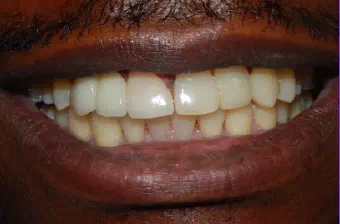
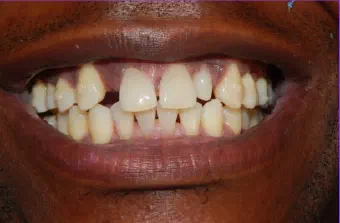
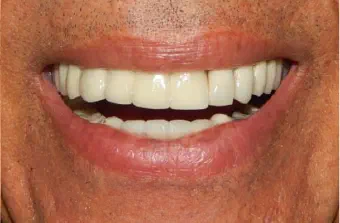
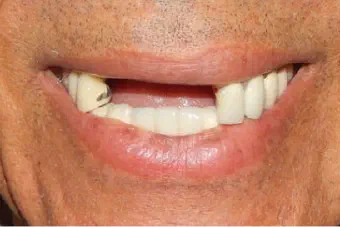
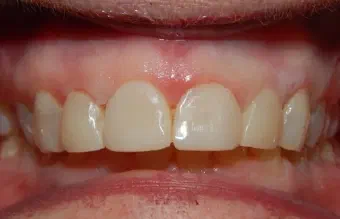
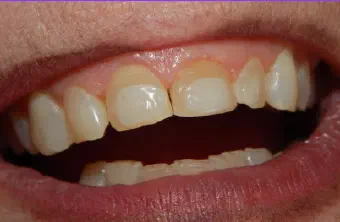
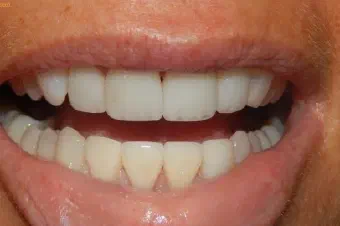
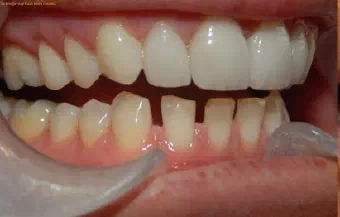
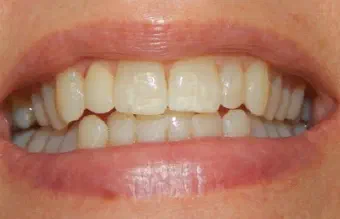
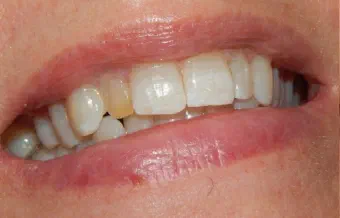
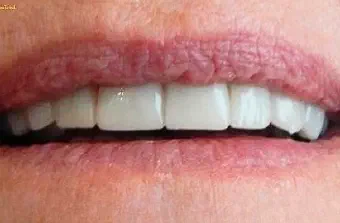
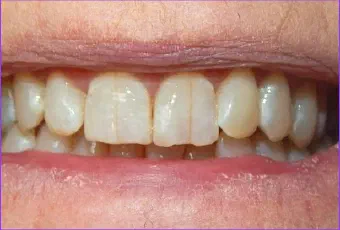
Drag the centre line to compare each real case treated by our dental team. Every smile begins with a personal assessment and a plan shaped around the patient.

Areas We Serve

Neighbourhood dental care, close to home.

Located in Cookstown, Innisfil, our dental team welcomes patients from communities across South Simcoe, Barrie, and northern York Region.

Get directions
  • Cookstown
  • Innisfil
  • Simcoe
  • Lake Simcoe
  • Alcona
  • Stroud
  • Lefroy–Belle Ewart
  • Gilford
  • Churchill
  • Sandy Cove
  • Innisfil Heights
  • Fennell’s Corners
  • Bradford
  • Bradford West Gwillimbury
  • Bond Head
  • Newton Robinson
  • New Tecumseth
  • Alliston
  • Beeton
  • Tottenham
  • Adjala–Tosorontio
  • Everett
  • Loretto
  • Barrie
  • Essa
  • Thornton
  • Baxter
  • Angus
  • Egbert
  • Ivy
  • Utopia
  • York Region
  • East Gwillimbury
  • Queensville
  • Holland Landing
  • Sharon
  • Schomberg
  • Nobleton

Don’t see your community listed? Contact us—we regularly welcome patients from throughout the surrounding region.

Google reviews

Kind words from our patients.

Read what patients have shared about their visits to Cookstown Dental Centre.

A dentist having a friendly consultation with a patient in a bright dental clinic

Your next step

Ready to feel good about your next dental visit?

Whether you are new to the clinic or returning for care, our team is here to make booking simple and answer your questions.

Call Book Now WhatsApp

How can we help?

The Cookstown Dental team is here for you.

Need an appointment, have a question, or want to talk through your options? Choose the next step that works best for you.

Send us a note

We’ll get back to you as soon as we can.