Cookstown Dental Centre
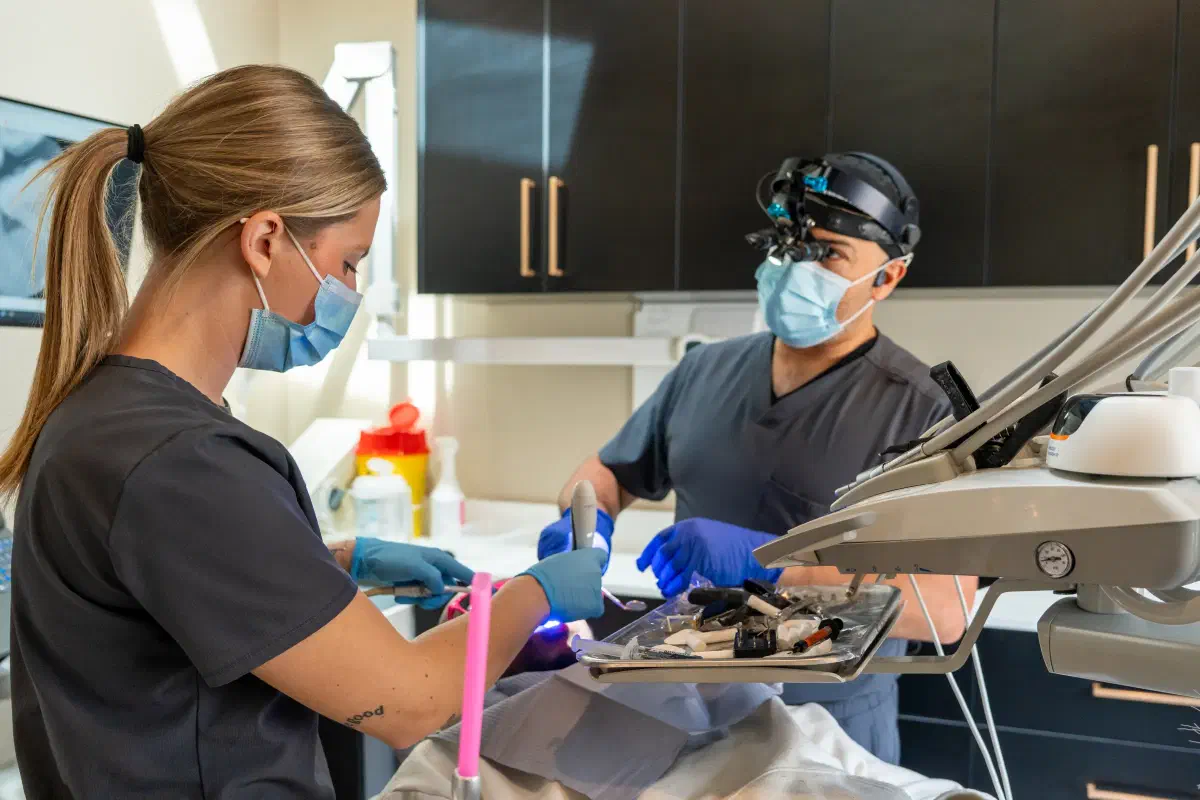
The Cookstown Dental Centre team caring for a patient in a treatment room

Children’s Dentistry · Cookstown

A clear next step when your child’s tooth hurts.

Get guidance on children’s dental pain, swelling, broken teeth, and urgent concerns, including when emergency medical care is needed.

Request an appointment

Let’s find a time that works.

Need urgent dental help? Call (705) 291-2222.

Children’s Dental Emergencies in Cookstown

Start with the symptoms, then decide what is urgent.

A child with tooth pain may struggle to explain where it hurts or how it started. They may avoid food, wake at night, or become unusually quiet. If you notice a dental concern, call Cookstown Dental Centre and describe the symptoms, your child’s age, and any injury. We can help determine the appropriate next step and discuss appointment availability.

Some situations need immediate medical care rather than waiting for a dental appointment. Difficulty breathing or swallowing, rapidly spreading facial swelling, uncontrolled bleeding, or a significant head injury require urgent emergency attention. For dental problems without those warning signs, an assessment still matters: a temporary improvement in pain does not explain or resolve the underlying cause.

A parent comforting a child while a dentist listens during an urgent consultation

Good to know

Know which help to seek first.

Use the child’s overall condition as well as the tooth symptoms. If your child seems seriously unwell, do not rely on a website or an online booking request.

Emergency medical care now

Call 911 or go to an emergency department for breathing or swallowing difficulty, uncontrolled bleeding, rapidly spreading swelling, or concerning signs after a head injury. Keep the child supervised. Medical stabilization takes priority over repairing a tooth, and the dental team can be involved once immediate safety needs are addressed.

Urgent dental contact

Call promptly about swelling, severe or persistent toothache, a knocked-out permanent tooth, a displaced tooth, or a significant fracture. Tell us whether pain affects sleep or eating and whether fever is present. If the clinic is unavailable, seek another urgent dental provider instead of waiting for a routine response.

A broken repair or smaller chip

A small chip or lost filling still needs advice, even when there is little discomfort. Explain sharp edges, sensitivity, and how the damage occurred. We can help determine timing; do not assume a quiet tooth is unharmed or attempt to glue a broken piece back yourself.

Planning together

Make the first call more useful.

A few concrete details help the team understand urgency and prepare for the visit. Do not delay urgent care to gather every item on this list.

Describe what happened

Tell us when the symptoms began, which area seems affected, and whether there was a fall or collision. Explain swelling, bleeding, fever, or trouble opening the mouth. If you are unsure whether a tooth is a baby or adult tooth, say so rather than trying to decide on your own.

Share relevant health details

Have the child’s age, medical conditions, allergies, and current medicines available if possible. Tell us about any pain medicine already given, including the product and time. These details help avoid conflicting advice and allow the clinician to consider your child’s health when planning treatment.

Ask where to go and when

Confirm the location, expected timing, and what to bring. A call does not guarantee an immediate opening or a particular procedure. If another facility is more appropriate, follow that direction; a severely unwell child should not be delayed while you look for a preferred dental appointment.

Practical guidance

While you arrange professional care.

Keep measures simple and age-appropriate. Avoid home repairs or placing medicines directly on the tooth or gums, and follow advice from a qualified health professional.

Support comfort without guessing doses

Ask a pharmacist or clinician about a suitable pain medicine and use the child’s age, weight, and health history to follow the label or professional directions. Do not place aspirin on a tooth or gum. Contact us again if symptoms worsen or your child becomes less able to drink.

Protect an injured area

A cold compress outside the cheek may help after an injury. Offer foods that do not require biting with the sore tooth if eating is comfortable. Save a broken tooth fragment if you can find it, and bring it to the dentist without scrubbing or attempting to attach it.

Treat a knocked-out tooth as time-sensitive

Never replant a baby tooth. For a permanent tooth, seek immediate dental help; handle only the crown and keep it moist in milk if it cannot be safely replaced under appropriate guidance. If unsure which tooth it is, store it in milk and seek urgent advice without delay.

Step by step

What an urgent dental visit may involve.

The first priority is understanding the problem and addressing immediate needs. Definitive treatment may require another appointment or a referral, depending on the findings.

  1. Assess the source

    The dentist examines the affected area and considers imaging when it will help explain the problem. An injury, deep cavity, or failed restoration can require very different care. Tell us about symptoms that have changed since the call and any medication given while you were travelling to the appointment.

  2. Discuss immediate options

    We explain the diagnosis as far as it can be established and discuss suitable treatment or stabilization. Antibiotics are not a substitute for addressing the source of a dental infection and are not needed for every toothache. The plan depends on examination findings, health history, and the child’s ability to manage care.

  3. Leave with a follow-up plan

    Before you leave, confirm what was completed, what still needs attention, and which symptoms require another call. Keep instructions somewhere another caregiver can find them. If treatment is staged or a specialist opinion is needed, clarify who will arrange the next step and how urgently it should happen.

Frequently asked questions

Questions about children’s dental emergencies

Can I book a dental emergency online?

For an urgent problem, call rather than relying on an online request being seen immediately. Tell the team about swelling, injury, severe pain, or a knocked-out tooth. If your child has emergency medical warning signs, call 911 or attend an emergency department.

What if a baby tooth is knocked out?

Do not put a baby tooth back into the socket. Seek prompt dental assessment to check the area and discuss follow-up. If there was a significant fall or head injury, the child may also need medical assessment regardless of how the mouth looks.

What if I cannot tell whether it is an adult tooth?

Handle the tooth by the crown, keep it moist in milk, and seek immediate professional advice. Do not guess or delay while comparing teeth online. The treatment differs for baby and permanent teeth, making an urgent assessment important.

Is a toothache without swelling urgent?

Persistent or severe pain deserves prompt contact, especially if sleep, eating, or drinking is affected. An absence of swelling does not establish that the tooth is healthy. Describe the timing and triggers so the team can advise on assessment.

Will antibiotics fix the problem?

Antibiotics alone usually do not remove the source of a dental problem and are not appropriate for every toothache. A dentist must determine whether they are indicated alongside dental treatment. Do not give a child leftover or another person’s antibiotics.

What if symptoms settle before the appointment?

Tell us about the improvement, but do not assume the cause has disappeared. The dentist may still need to assess a damaged or infected tooth. Keep the appointment unless the clinic advises otherwise after reviewing the situation.

Do you guarantee same-day treatment?

Availability and the treatment possible depend on the child’s needs and the clinic schedule. Call for current guidance. If urgent care cannot be provided here, seek the recommended alternative rather than waiting, especially for trauma or worsening symptoms.

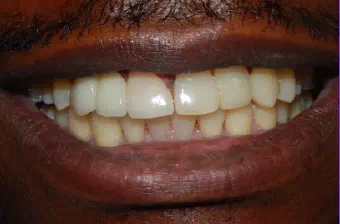
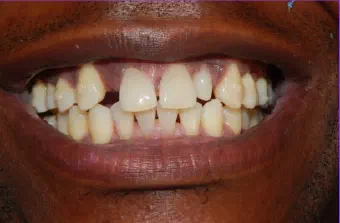
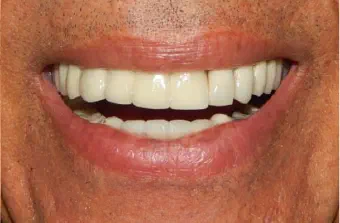
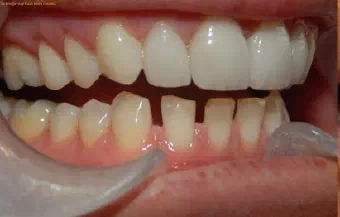
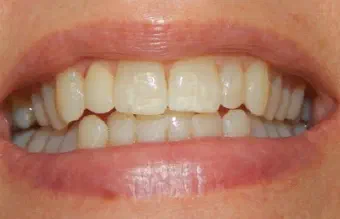
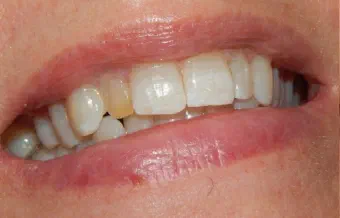
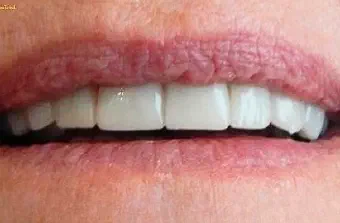
Real patient results

Before & after smile gallery.

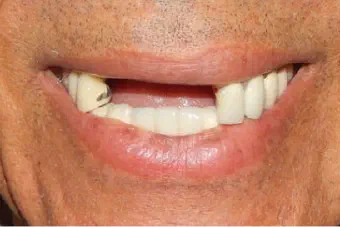
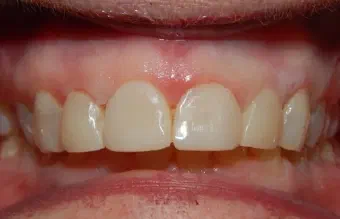
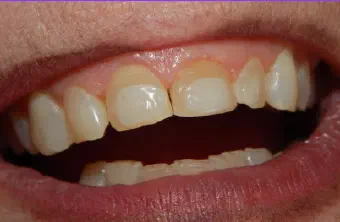
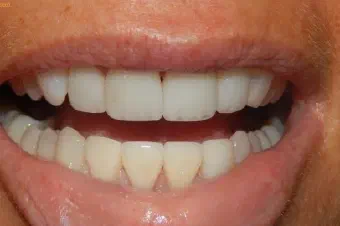
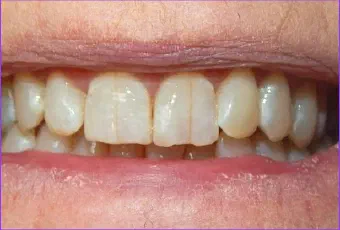
Drag the centre line to compare each real case treated by our dental team. Every smile begins with a personal assessment and a plan shaped around the patient.

Areas We Serve

Neighbourhood dental care, close to home.

Located in Cookstown, Innisfil, our dental team welcomes patients from communities across South Simcoe, Barrie, and northern York Region.

Get directions
  • Cookstown
  • Innisfil
  • Simcoe
  • Lake Simcoe
  • Alcona
  • Stroud
  • Lefroy–Belle Ewart
  • Gilford
  • Churchill
  • Sandy Cove
  • Innisfil Heights
  • Fennell’s Corners
  • Bradford
  • Bradford West Gwillimbury
  • Bond Head
  • Newton Robinson
  • New Tecumseth
  • Alliston
  • Beeton
  • Tottenham
  • Adjala–Tosorontio
  • Everett
  • Loretto
  • Barrie
  • Essa
  • Thornton
  • Baxter
  • Angus
  • Egbert
  • Ivy
  • Utopia
  • York Region
  • East Gwillimbury
  • Queensville
  • Holland Landing
  • Sharon
  • Schomberg
  • Nobleton

Don’t see your community listed? Contact us—we regularly welcome patients from throughout the surrounding region.

Google reviews

Kind words from our patients.

Read what patients have shared about their visits to Cookstown Dental Centre.

A dentist having a friendly consultation with a patient in a bright dental clinic

Your next step

Ready to feel good about your next dental visit?

Whether you are new to the clinic or returning for care, our team is here to make booking simple and answer your questions.

Call Book Now WhatsApp

How can we help?

The Cookstown Dental team is here for you.

Need an appointment, have a question, or want to talk through your options? Choose the next step that works best for you.

Send us a note

We’ll get back to you as soon as we can.