Cookstown Dental Centre
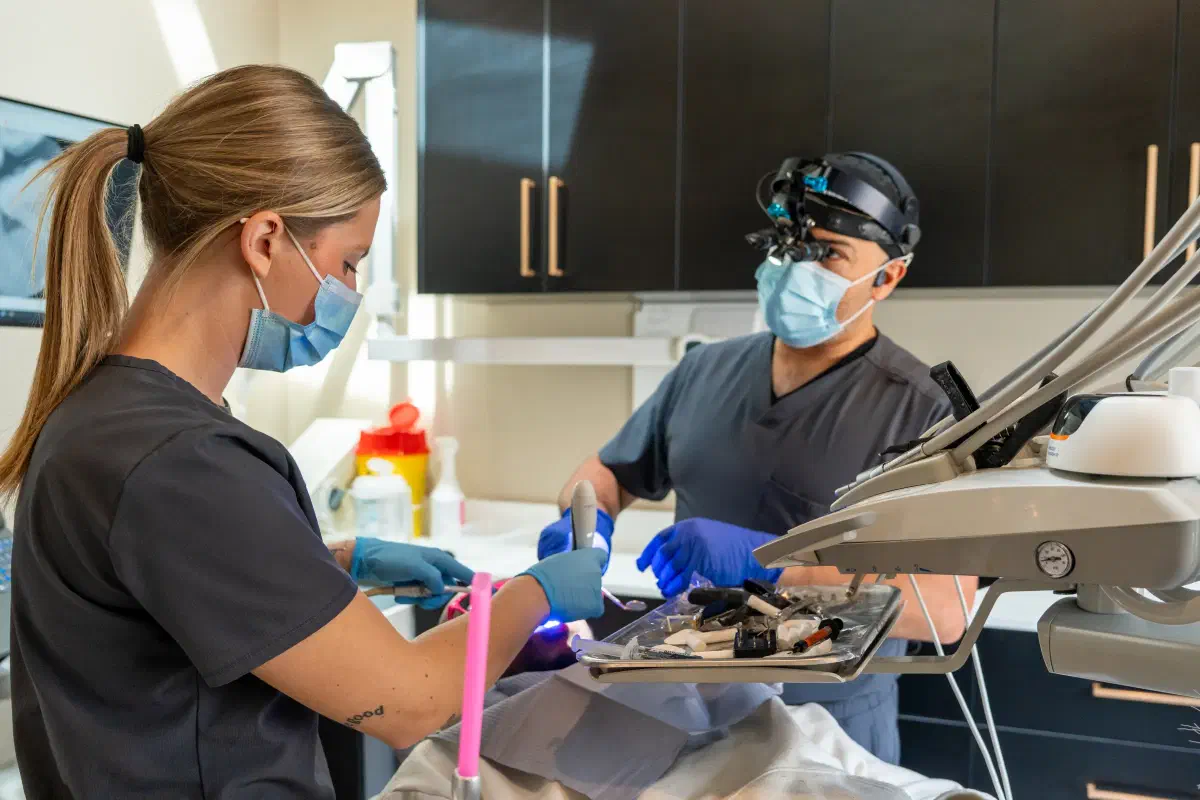
The Cookstown Dental Centre team caring for a patient in a treatment room

General & Family Dentistry · Cookstown

Understand your risk. Choose your next step.

Explore how dental history, current findings, saliva, and everyday habits inform a personalized assessment of your risk for future cavities.

Request an appointment

Let’s find a time that works.

Need urgent dental help? Call (705) 291-2222.

Cavity Risk Assessment in Cookstown

The question is bigger than whether you have a cavity today.

A cavity check looks for existing damage. A cavity risk assessment also considers how likely new problems may be and which preventive measures could be useful. Two people with similar-looking teeth can have different risks, so a useful recommendation needs more context than a quick look or a standard product list.

At Cookstown Dental Centre, we bring together your history, current examination, and daily circumstances to discuss prevention priorities. The assessment is a clinical judgement, not a prediction with certainty. Its value is in helping you understand why a particular home-care routine, preventive treatment, or review interval has been recommended and what could cause that plan to change.

A dentist and patient reviewing a dental chart on a tablet

Understanding the details

A picture built from several kinds of information.

No single answer tells the whole story. Be candid about the routine you actually follow; an idealized version makes it harder to give useful advice.

Your recent dental history

Tell us about recent fillings, teeth removed because of decay, and areas previously monitored. Previous records may help show whether changes are new or longstanding. A pattern of repeated treatment is a reason to look at prevention alongside repair, rather than treating each cavity as an unrelated event.

What the examination shows

The dentist assesses visible tooth changes, existing restorations, plaque retention, and other relevant findings. X-rays may be recommended when they can answer a clinical question. A risk discussion does not replace diagnosis, and an examination cannot always determine exactly how quickly an individual area will change.

Your protective factors and challenges

Saliva, fluoride use, food and drink frequency, and the ability to clean effectively all contribute to the discussion. Recent health changes may matter even when your brushing routine is unchanged. Tell us about practical barriers such as limited hand movement or trouble tolerating toothpaste.

Careful decisions

Risk is a guide, not a label for life.

The outcome should help you choose useful actions. It should not make you feel judged or promise that a particular score can predict the future.

A higher-risk result

This can justify closer review or additional preventive measures, but it does not mean you will inevitably develop more cavities. Ask which factors carry the most weight in your assessment. Some can be changed directly; others, such as a medical cause of dryness, may require ongoing management.

A lower-risk result

A lower assessment does not mean zero risk or that daily care can stop. It reflects the information available now. The plan may change if new decay appears, a medicine affects saliva, or your circumstances make cleaning more difficult. Regular updates help keep recommendations proportionate.

At your appointment

Turn the assessment into an action plan.

Before leaving, you should understand what the findings mean for you and which changes are worth starting first.

  1. Identify the priority

    Ask the dentist to name the main preventable challenge in your mouth. It might be a difficult cleaning area, frequent sugar exposure, or a need for additional protection. Focusing on the strongest contributors makes the conversation more useful than receiving the same advice at every appointment.

  2. Choose an achievable response

    Discuss which recommended products or treatments fit your budget, abilities, and preferences. Ask for a demonstration when technique matters. If a suggestion is unrealistic, explain why; the team can help you discuss alternatives rather than assuming the plan will be followed without difficulty.

  3. Set a review point

    Agree on when the risk assessment and any monitored areas will be reviewed. Ask what evidence would show that the plan is helping and what would prompt a change. This creates a reason for the next visit beyond simply repeating the last appointment.

Practical guidance

Bring details that improve the conversation.

You do not need to calculate your own risk before coming in. A few accurate examples from daily life are enough to start.

Describe an ordinary day

Think about meals, snacks, drinks, toothbrushing, and cleaning between teeth. Mention night-time habits and what happens on busy days. Include the toothpaste and rinses you use. A short record can reveal patterns that are easy to miss when the question is only whether you eat much sugar.

Tell us what has changed

Bring a current medicine list and mention dryness, new appliances, recent illness, or changing support needs. Tell us if previous advice led to discomfort or confusion. An updated assessment is useful when it helps solve a real problem, rather than merely producing a new category in your record.

Frequently asked questions

Your questions about cavity risk assessment.

Is a risk assessment the same as an examination?

They overlap but answer different questions. The examination looks for current disease and other findings. Risk assessment uses that information with your history and circumstances to guide prevention. You may discuss both during the same appointment, depending on the purpose and scope of the visit.

Does it involve a special test?

Not necessarily. Much of the assessment comes from questions, examination findings, and existing records. Additional tests or imaging should have a specific reason. Ask what any proposed test would add and whether its result would change the plan before agreeing to it.

Can my risk go down?

It may change when modifiable factors improve or your mouth remains stable, but the result is individualized. Some factors require ongoing support. The useful goal is better protection and fewer problems over time, rather than pursuing a particular label without understanding what it represents.

Do old fillings mean I am high risk forever?

No. The timing and pattern of decay, current findings, and protective factors all matter. A filling from many years ago is different context from several new cavities in a short period. Your dentist can explain how your history contributes to the current assessment.

Will I need X-rays every time?

Imaging should be based on clinical need, previous images, and your individual circumstances. A risk category alone is not a reason to repeat every image at every visit. Ask what the dentist needs to see and whether suitable recent records can help answer that question.

Can children have a cavity risk assessment?

Yes. The discussion should be appropriate to the child’s development, teeth, and family routine. A parent or caregiver can help describe brushing support, eating patterns, and previous treatment. Recommendations should be practical for the household and reviewed as the child grows.

What will I leave with?

Ask for a clear explanation of the main findings, the first actions to take, and when to review them. You can also request clarification of costs and alternatives for proposed care. A useful assessment should make decisions easier rather than leave you with an unexplained score.

Real patient results

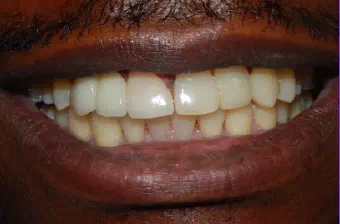
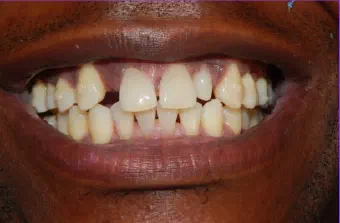
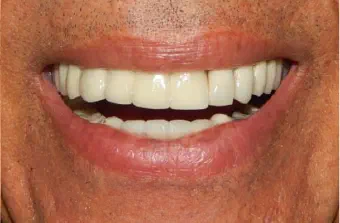
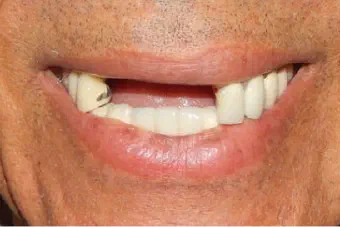
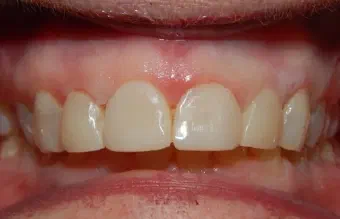
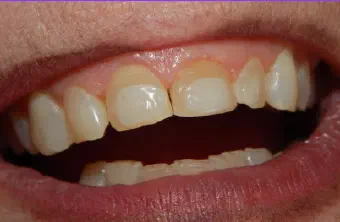
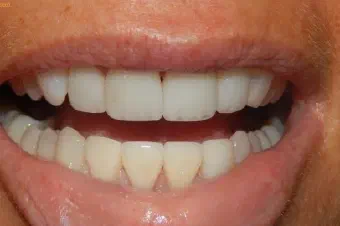
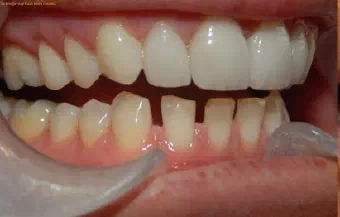
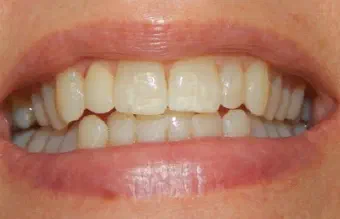
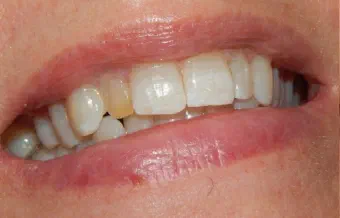
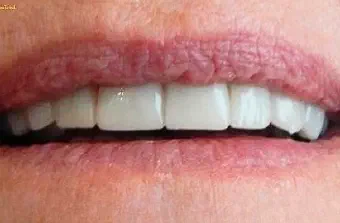
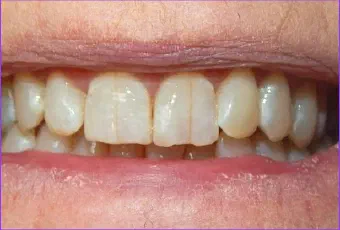
Before & after smile gallery.

Drag the centre line to compare each real case treated by our dental team. Every smile begins with a personal assessment and a plan shaped around the patient.

Areas We Serve

Neighbourhood dental care, close to home.

Located in Cookstown, Innisfil, our dental team welcomes patients from communities across South Simcoe, Barrie, and northern York Region.

Get directions
  • Cookstown
  • Innisfil
  • Simcoe
  • Lake Simcoe
  • Alcona
  • Stroud
  • Lefroy–Belle Ewart
  • Gilford
  • Churchill
  • Sandy Cove
  • Innisfil Heights
  • Fennell’s Corners
  • Bradford
  • Bradford West Gwillimbury
  • Bond Head
  • Newton Robinson
  • New Tecumseth
  • Alliston
  • Beeton
  • Tottenham
  • Adjala–Tosorontio
  • Everett
  • Loretto
  • Barrie
  • Essa
  • Thornton
  • Baxter
  • Angus
  • Egbert
  • Ivy
  • Utopia
  • York Region
  • East Gwillimbury
  • Queensville
  • Holland Landing
  • Sharon
  • Schomberg
  • Nobleton

Don’t see your community listed? Contact us—we regularly welcome patients from throughout the surrounding region.

Google reviews

Kind words from our patients.

Read what patients have shared about their visits to Cookstown Dental Centre.

A dentist having a friendly consultation with a patient in a bright dental clinic

Your next step

Ready to feel good about your next dental visit?

Whether you are new to the clinic or returning for care, our team is here to make booking simple and answer your questions.

Call Book Now WhatsApp

How can we help?

The Cookstown Dental team is here for you.

Need an appointment, have a question, or want to talk through your options? Choose the next step that works best for you.

Send us a note

We’ll get back to you as soon as we can.