Cookstown Dental Centre
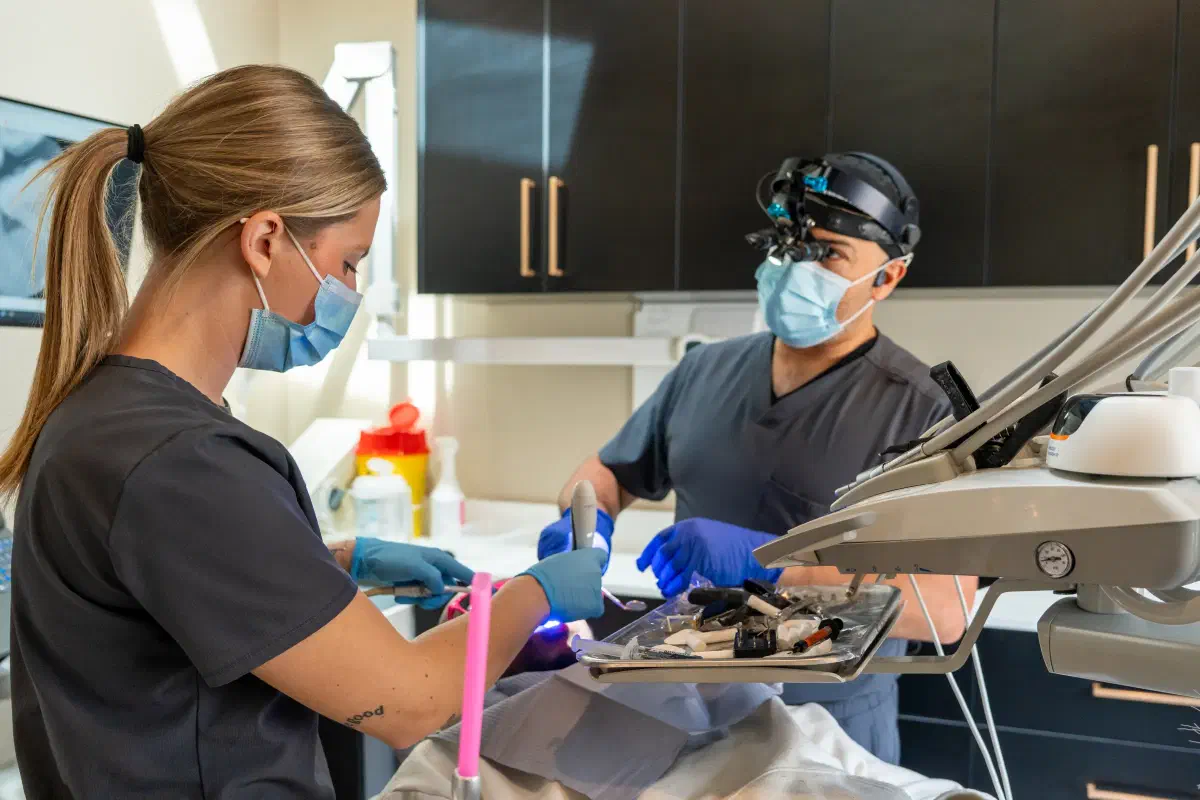
The Cookstown Dental Centre team caring for a patient in a treatment room

General & Family Dentistry · Cookstown

Everyday protection, built around your teeth.

Build a manageable cavity-prevention routine with fluoride, cleaning advice, food and drink habits, and professional care matched to your needs.

Request an appointment

Let’s find a time that works.

Need urgent dental help? Call (705) 291-2222.

Cavity Prevention in Cookstown

Small habits have more value when they fit your life.

Preventing cavities is an ongoing process, not a single treatment at a checkup. Your teeth, saliva, eating patterns, and cleaning routine all influence the choices that make sense for you. Someone with braces, a dry mouth, or several recent fillings may need a different plan from someone whose mouth has remained stable for years.

At Cookstown Dental Centre, prevention starts with understanding where your protection could be stronger. We can help you turn general advice into specific actions: which areas need attention, which products are suitable, and what to review at the next visit. The aim is to make daily care easier to follow without suggesting that any routine can guarantee a lifetime without decay.


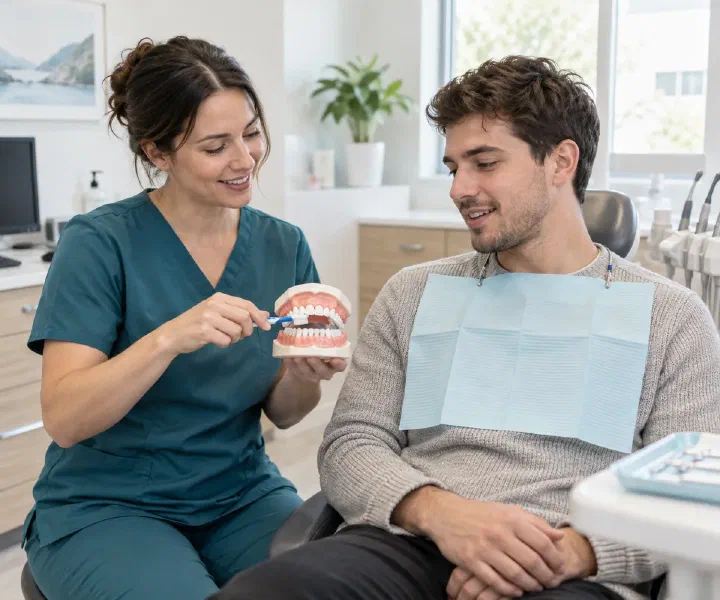
A hygienist demonstrating brushing on a dental model

A closer look

Three everyday opportunities.

A prevention plan works across the day. Improving one habit is useful, but the habits support each other rather than replacing one another.

  1. Brush with a purpose

    Use fluoride toothpaste and a comfortable technique that reaches every tooth surface. Tell us if you avoid an area because it bleeds, hurts, or is difficult to reach. A demonstration can help you adjust the angle or choose a brush you can control. Scrubbing harder is not the same as cleaning more effectively.

  2. Reach the spaces between

    A toothbrush cannot fully clean every contact between teeth. Floss, interdental brushes, or another suitable aid may be useful depending on the spaces and your dexterity. Bring the tool you currently use so the team can check whether its size and technique match your mouth. A simpler routine done consistently can be more practical than several unused products.

  3. Notice the pattern of snacks and drinks

    Frequent exposure to sugary food and drinks can increase the challenge to teeth. Discuss a typical day rather than trying to list only obvious sweets. Sipping sweetened drinks over long periods may be relevant. The goal is realistic adjustments within your nutritional needs, not an unnecessarily restrictive diet.

Understanding the details

Professional protection has a specific job.

Recommendations should explain which tooth or risk factor they address. You can ask why a treatment is being suggested and how its benefit will be reviewed.

Fluoride

Fluoride supports resistance to decay. Professional applications or additional home fluoride may be appropriate for some patients, but the product and schedule should reflect individual needs. Ask for instructions that cover amount, frequency, and aftercare rather than combining products on your own.

Sealants

A sealant may help protect suitable grooves on a chewing surface. It does not protect every surface of the tooth or eliminate the need for brushing. The dentist assesses whether a tooth is suitable and checks the sealant over time. A filling may be needed instead if decay has already progressed.

Monitoring

Examinations and appropriate imaging help track areas that cannot be judged by appearance alone. The interval should relate to your findings and risk. Ask which areas are being watched and what change would make treatment necessary, so monitoring feels like an active plan rather than uncertainty.

Two parts of the picture

An early change is different from a hole.

The condition of a tooth determines whether prevention alone is enough. An examination is needed before deciding how a suspected cavity should be managed.

Support an intact surface

Some early mineral changes can be managed without a filling when the surface remains suitable for preventive care. That decision includes follow-up, because the dentist needs to check whether the area is stable. It is not an invitation to ignore a suspicious spot or treat it with an unverified home remedy.

Repair damage when needed

Once a tooth has a cavity that needs restoration, brushing and fluoride cannot rebuild the missing shape. Treatment addresses the damaged area, while prevention reduces the chance of another problem. Ask how the proposed repair and your everyday routine fit together, including how to clean around the restoration.

Plan with confidence

Choose changes you can keep doing.

You do not have to perfect everything at once. Start with the areas that matter most for your mouth and agree on a way to check progress.

Make the routine practical

Mention work shifts, school, travel, caregiving, or physical limitations that disrupt daily care. If a product is expensive or uncomfortable, say so. We can discuss alternatives and focus on a small number of useful actions. A plan that stays in a drawer cannot provide the intended protection.

Review when life changes

New medicines, a change in saliva, orthodontic treatment, or repeated snacking may alter your needs. Tell the team even if your teeth feel fine. Bring questions about new sensitivity or food trapping to the next assessment, and seek an earlier visit for pain, swelling, or a broken tooth.

Frequently asked questions

Your questions about cavity prevention.

Can adults benefit from cavity prevention?

Yes. Prevention remains relevant throughout life, including around existing fillings and exposed roots. An adult who previously had few cavities can develop new risks after changes in saliva, medicines, or routine. Your plan should reflect your current mouth rather than your age alone.

If I brush well, why do I still get cavities?

Brushing is one part of the picture. Tooth shape, saliva, fluoride exposure, eating patterns, and areas that are difficult to reach may also matter. An assessment can identify useful changes without treating cavities as a personal failure or assuming that more brushing will solve every problem.

Does a professional cleaning prevent every cavity?

No. Cleaning removes deposits and supports oral care, but it does not provide complete protection between appointments. The dentist may recommend other measures based on your findings. Daily cleaning, fluoride, and an appropriate review schedule remain important parts of a prevention plan.

Should everyone use prescription toothpaste?

No. Higher-strength products are intended for particular needs and require appropriate advice. Tell the dentist which toothpaste and rinses you already use, including products shared with children. The recommendation should specify who the product is for and how it should be used safely.

Are cavities always painful?

No. A developing cavity may not cause symptoms. Waiting for pain can allow a problem to become more involved. Regular assessment and appropriate imaging can help identify changes earlier, while new discomfort should be checked rather than assumed to be a routine part of prevention.

Can I reverse a cavity at home?

Some early changes may respond to a professionally guided preventive plan, but an established hole cannot simply be brushed away. You cannot reliably determine the stage yourself from a photograph or a dark spot. Have the area assessed before deciding to delay recommended treatment.

How often should my prevention plan be reviewed?

The timing depends on your risk and the findings being monitored. Ask when the team wants to reassess and what should prompt an earlier call. A review may also be useful after a medical change or when the agreed home routine proves difficult to maintain.

Real patient results

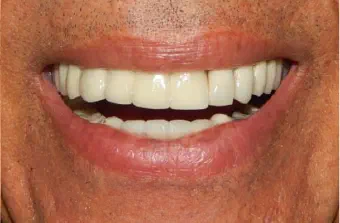
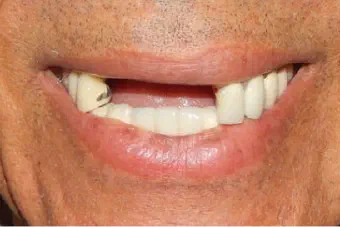
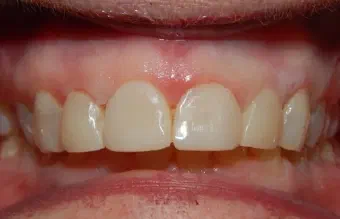
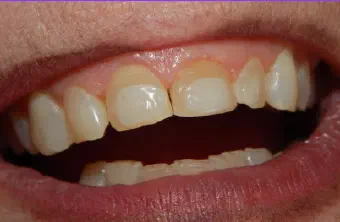
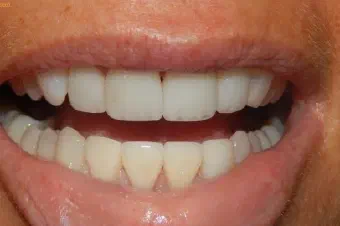
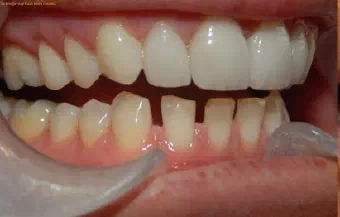
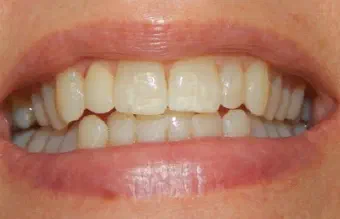
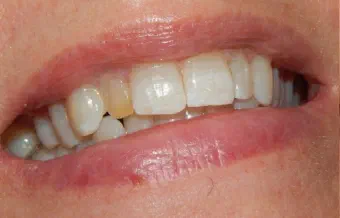
Before & after smile gallery.

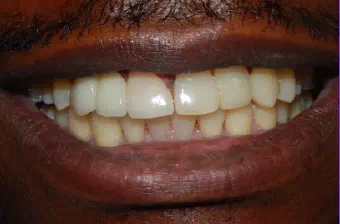
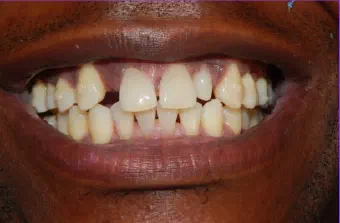
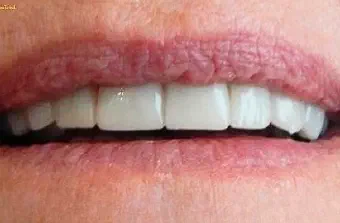
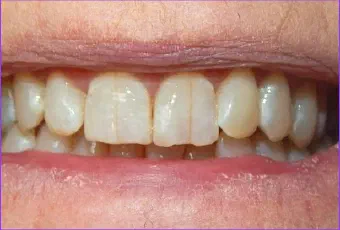
Drag the centre line to compare each real case treated by our dental team. Every smile begins with a personal assessment and a plan shaped around the patient.

Areas We Serve

Neighbourhood dental care, close to home.

Located in Cookstown, Innisfil, our dental team welcomes patients from communities across South Simcoe, Barrie, and northern York Region.

Get directions
  • Cookstown
  • Innisfil
  • Simcoe
  • Lake Simcoe
  • Alcona
  • Stroud
  • Lefroy–Belle Ewart
  • Gilford
  • Churchill
  • Sandy Cove
  • Innisfil Heights
  • Fennell’s Corners
  • Bradford
  • Bradford West Gwillimbury
  • Bond Head
  • Newton Robinson
  • New Tecumseth
  • Alliston
  • Beeton
  • Tottenham
  • Adjala–Tosorontio
  • Everett
  • Loretto
  • Barrie
  • Essa
  • Thornton
  • Baxter
  • Angus
  • Egbert
  • Ivy
  • Utopia
  • York Region
  • East Gwillimbury
  • Queensville
  • Holland Landing
  • Sharon
  • Schomberg
  • Nobleton

Don’t see your community listed? Contact us—we regularly welcome patients from throughout the surrounding region.

Google reviews

Kind words from our patients.

Read what patients have shared about their visits to Cookstown Dental Centre.

A dentist having a friendly consultation with a patient in a bright dental clinic

Your next step

Ready to feel good about your next dental visit?

Whether you are new to the clinic or returning for care, our team is here to make booking simple and answer your questions.

Call Book Now WhatsApp

How can we help?

The Cookstown Dental team is here for you.

Need an appointment, have a question, or want to talk through your options? Choose the next step that works best for you.

Send us a note

We’ll get back to you as soon as we can.