Cookstown Dental Centre
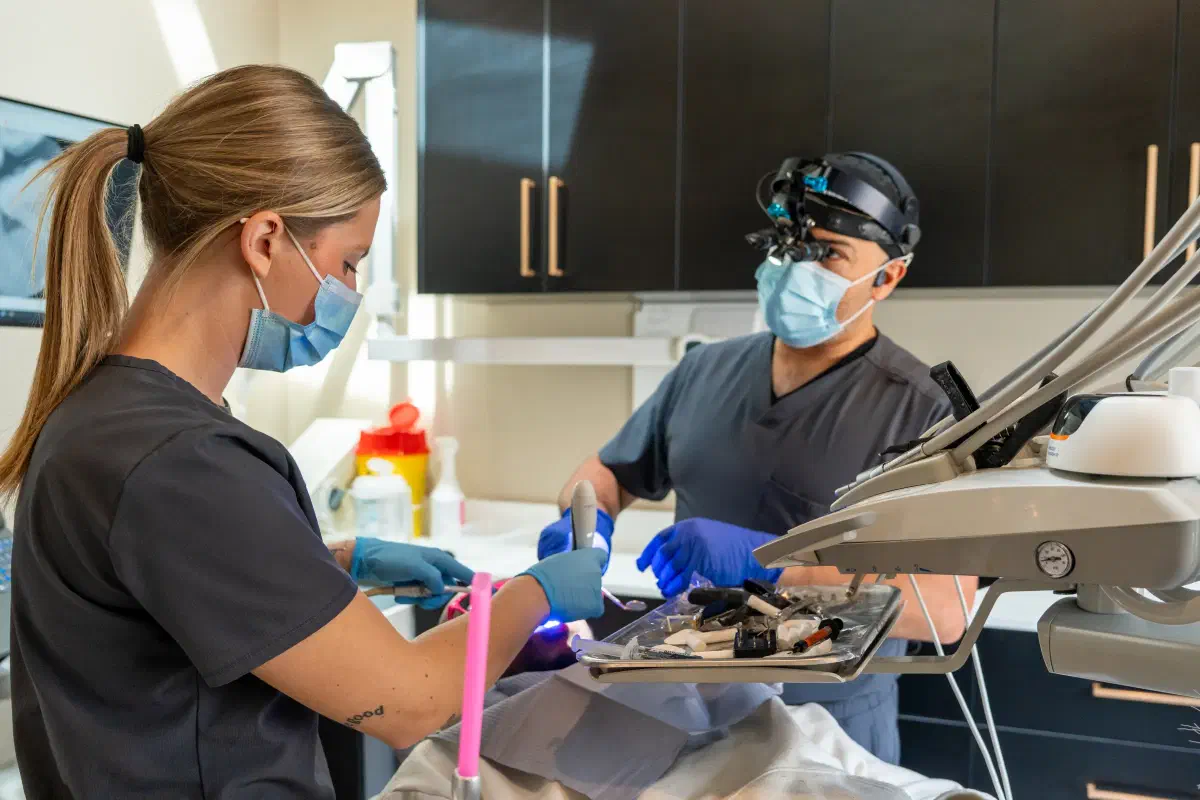
The Cookstown Dental Centre team caring for a patient in a treatment room

General & Family Dentistry · Cookstown

Support for the visit. Respect for the person.

Plan a dental appointment with a caregiver, including communication preferences, helpful records, practical support, and clear instructions for care at home.

Request an appointment

Let’s find a time that works.

Need urgent dental help? Call (705) 291-2222.

Caregiver-Assisted Dental Visits in Cookstown

A familiar person can make care easier.

A caregiver may help with travel, remembering health information, communicating preferences, or maintaining a daily mouth-care routine. The amount of support varies: one person may want help taking notes, while another may need assistance throughout the appointment. A useful plan starts by asking the patient what support they want and what has worked well before.

Cookstown Dental Centre welcomes a conversation about these needs before the visit. Tell us who will attend and which parts of the appointment may be difficult. We can discuss the proposed arrangements, any limits of the clinic setting, and whether additional coordination is needed. Bringing someone with you does not remove your voice from decisions about your dental care.


An older patient, his supporter, and a dentist talking together

Careful decisions

Keep the patient at the centre.

Caregiver involvement should make communication clearer. It should not make the patient feel that the conversation is happening around them.

Agree on the caregiver’s role

Tell us whether the caregiver will provide background information, help explain instructions, offer reassurance, or assist with daily care. We should address the patient directly wherever possible and allow time for their response. A person may want a supporter present for some parts of the visit and privacy for others.

Clarify permission and decision-making

Ask the clinic what permission or documentation is needed to share information or involve another person in decisions. A relative or paid caregiver is not automatically authorized to consent to treatment. When decision-making support is necessary, the team will clarify the appropriate process before proceeding with the proposed care.

Plan with confidence

A useful handover starts before arrival.

A short, current summary is often more helpful than a large folder with conflicting information. Let the clinic know if a medical team or care residence should be involved.

Health information that matters

Bring medicines, allergies, relevant diagnoses, clinician contact details, and any recent changes in health. Include swallowing concerns, positioning restrictions, or a history of difficult dental visits. If information comes from more than one caregiver, identify who can answer follow-up questions and keep the record current.

Preferences that make a difference

Explain the patient’s preferred name, communication style, signs of discomfort, and usual way of asking for a break. Hearing aids, glasses, communication devices, or a familiar routine may help. Confirm practical arrangements in advance rather than assuming that the same setup works for every person or procedure.

Your care, step by step

Give each stage a clear purpose.

A supported visit can include assessment, discussion, and treatment, but the appropriate pace depends on the patient’s comfort and the care required.

  1. Arrive with a shared plan

    Review the reason for the appointment and agree on a simple stop signal. The caregiver can help explain new symptoms or changes noticed at home, while the patient has space to describe their own priorities. Tell us early if transport arrangements place a firm limit on the appointment.

  2. Support without rushing

    During the examination, a familiar voice may help explain what is happening. The team will discuss where a supporter can safely be positioned. If a proposed step becomes too difficult, we can pause and reconsider the approach. More support, a different appointment plan, or referral may sometimes be needed.

  3. Leave with usable instructions

    Ask for a clear account of findings, the agreed next step, and instructions that can be passed to other carers. Identify who will arrange follow-up and who will help with home care. Repeating the plan back in your own words can reveal missing details before everyone leaves the clinic.

Practical guidance

Make the plan work between visits.

Home support should preserve as much independence as possible. The goal is consistent, comfortable care that fits the patient’s abilities and preferences.

Demonstrate the difficult part

Ask for help with a specific task, such as reaching back teeth, cleaning a bridge, or handling a denture. A demonstration is more useful than a broad instruction to brush better. Tell us if grip, fatigue, mouth opening, or swallowing makes a suggested tool difficult to use.

Keep observations simple

Caregivers may notice changes in eating, facial expression, sleep, or willingness to accept mouth care. Record what changed and when, without assuming the cause is dental. New pain, swelling, bleeding, or a damaged tooth deserves a call. A behaviour change can be important even when the person cannot describe toothache.

Frequently asked questions

Your questions about caregiver-assisted dental visits.

Can my caregiver stay with me?

Discuss this when arranging the visit. The team can consider your preference alongside space, privacy, and the procedure being planned. Some parts of an appointment may require a different arrangement. Clarifying the role beforehand helps everyone know how to support you effectively.

Can a caregiver consent for me?

Not simply because they attend with you. Consent depends on the patient’s decision-making ability and the appropriate legal process where another decision-maker is needed. Tell the clinic about existing arrangements and ask which documents to bring. The patient’s preferences remain important throughout the conversation.

What if several people share caregiving?

Choose a reliable way to keep the medication list and dental instructions current. With the patient’s permission, identify a main contact for scheduling or clarification. Bring questions from other carers together so the dental plan does not change unintentionally between shifts or family members.

What if the patient has difficulty speaking?

Tell us how they usually communicate, including gestures, writing, an assistive device, or a supporter who understands their responses. Allowing more time may help. Difficulty speaking should not be treated as proof that someone cannot understand explanations or make decisions about care.

Do you provide lifting or transfer assistance?

Discuss transfer needs before booking. Do not assume that clinical staff have the equipment or training for a particular transfer. The team should confirm a safe, realistic arrangement with you and explain when additional assistance or a different care setting would be necessary.

Can you show me how to help with brushing?

Ask for practical instruction tailored to the person’s mouth, comfort, and abilities. Bring the tools currently used and describe what is difficult. The team can help you discuss safe positioning and suitable techniques; avoid forcing care if pain or distress prevents it.

What should the caregiver do after treatment?

Follow the specific instructions supplied for that procedure and confirm who is responsible for each task. Ask about expected symptoms, medicines, eating, and when to call. If instructions conflict with an existing medical or swallowing plan, contact the relevant clinician before improvising changes.

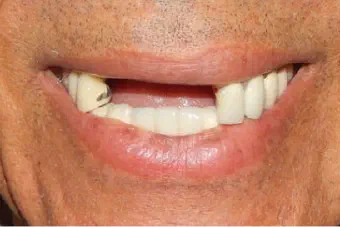
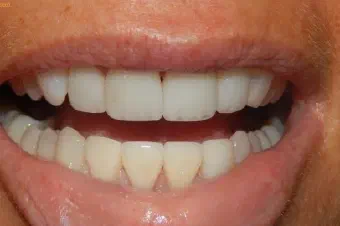
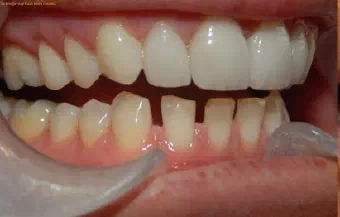
Real patient results

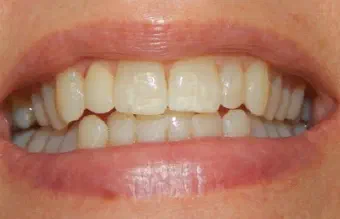
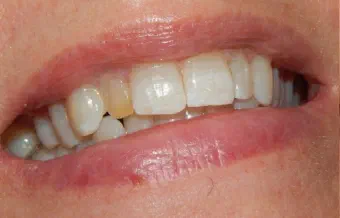
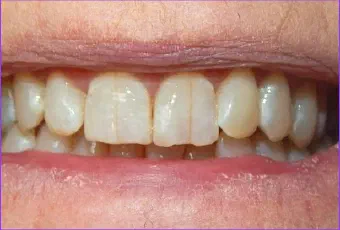
Before & after smile gallery.

Drag the centre line to compare each real case treated by our dental team. Every smile begins with a personal assessment and a plan shaped around the patient.

Areas We Serve

Neighbourhood dental care, close to home.

Located in Cookstown, Innisfil, our dental team welcomes patients from communities across South Simcoe, Barrie, and northern York Region.

Get directions
  • Cookstown
  • Innisfil
  • Simcoe
  • Lake Simcoe
  • Alcona
  • Stroud
  • Lefroy–Belle Ewart
  • Gilford
  • Churchill
  • Sandy Cove
  • Innisfil Heights
  • Fennell’s Corners
  • Bradford
  • Bradford West Gwillimbury
  • Bond Head
  • Newton Robinson
  • New Tecumseth
  • Alliston
  • Beeton
  • Tottenham
  • Adjala–Tosorontio
  • Everett
  • Loretto
  • Barrie
  • Essa
  • Thornton
  • Baxter
  • Angus
  • Egbert
  • Ivy
  • Utopia
  • York Region
  • East Gwillimbury
  • Queensville
  • Holland Landing
  • Sharon
  • Schomberg
  • Nobleton

Don’t see your community listed? Contact us—we regularly welcome patients from throughout the surrounding region.

Google reviews

Kind words from our patients.

Read what patients have shared about their visits to Cookstown Dental Centre.

A dentist having a friendly consultation with a patient in a bright dental clinic

Your next step

Ready to feel good about your next dental visit?

Whether you are new to the clinic or returning for care, our team is here to make booking simple and answer your questions.

Call Book Now WhatsApp

How can we help?

The Cookstown Dental team is here for you.

Need an appointment, have a question, or want to talk through your options? Choose the next step that works best for you.

Send us a note

We’ll get back to you as soon as we can.