

Cookstown Dental Centre
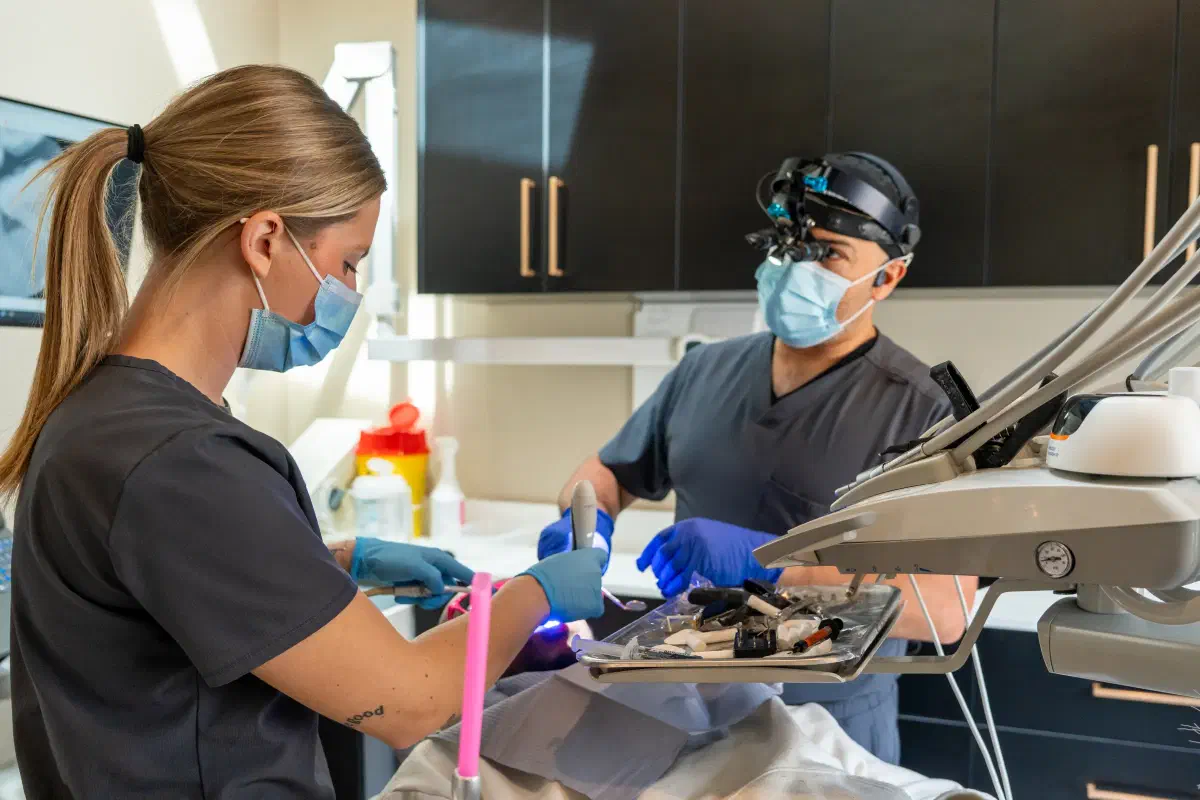
The Cookstown Dental Centre team caring for a patient in a treatment room

General & Family Dentistry · Cookstown

A clearer answer to persistent bad breath.

Explore possible causes of ongoing bad breath, what an assessment involves, and treatment guided by your teeth, gums, saliva, and daily routine.

Request an appointment

Let’s find a time that works.

Need urgent dental help? Call (705) 291-2222.

Bad Breath Assessment and Treatment in Cookstown

Start with the cause, not another cover-up.

Bad breath can affect how comfortable you feel in a conversation, at work, or around the people closest to you. It can also be difficult to judge your own breath accurately. If the concern keeps returning despite brushing or using mints, a dental assessment is a sensible starting point. You do not need to feel embarrassed or have a diagnosis before asking for help.

At Cookstown Dental Centre, the conversation begins with what you have noticed and what you have already tried. We consider possible dental contributors and explain the next steps in plain language. The goal is a practical plan with a reason behind each recommendation, rather than a collection of products that temporarily change how your mouth tastes.

A patient discussing a breath concern privately with a dentist

What matters most

Different causes need different answers.

An odour does not identify its source. A careful examination helps distinguish concerns that can be managed in the dental office from symptoms that deserve medical input.

The teeth, gums, and tongue

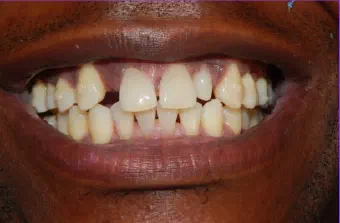
Food debris, tongue coating, and plaque can contribute to unpleasant breath. Gum disease, decay, or a difficult-to-clean dental appliance may also need attention. We look at where deposits collect and whether there are signs of inflammation or infection. Cleaning advice is then tied to the areas that actually need it, rather than assuming that you are simply not brushing enough.
Saliva and daily patterns

A dry mouth can make breath concerns more noticeable. Tell us about night-time dryness, mouth breathing, tobacco, and medicines. A dry feeling and an odour may have related or separate explanations; discussing both helps the dentist decide what to investigate.

Concerns beyond the mouth

If the examination does not explain the problem, or your symptoms suggest a non-dental contributor, medical assessment may be appropriate. Persistent breath concerns should not automatically be labelled a stomach problem. We can explain the limits of the dental findings and when another clinician may help.

Your care, step by step

From a private conversation to a care plan.

There is no single treatment that suits every breath concern. The assessment creates a starting point that can be reviewed after the recommended care.

  1. Describe what happens

    Mention when the concern began, whether someone else has noticed it, and whether it changes after meals, sleep, or cleaning. A short symptom record can be more useful than trying to remember every detail in the chair. Include bleeding gums, a bad taste, pain, and products used to mask odour.

  2. Look for a dental explanation

    The dentist assesses your mouth and considers whether gum measurements, cleaning, or other investigations are needed. Any recommended X-rays should have a clinical purpose. You can ask which findings are likely contributors and which are unrelated. This helps you understand why a recommendation is being made.

  3. Treat, then reassess

    Your plan may involve professional cleaning, addressing a dental problem, adapting home care, or reviewing dryness. Agree on what improvement to look for and when to check back. If the concern persists, the next step is to reassess the explanation rather than repeatedly adding stronger mouthwash.

Two parts of the picture

Freshening breath and treating a problem.

These can feel similar immediately after using a product, but they have different purposes over time.

Short-term freshness

Mints, sprays, or a flavoured rinse can change the taste in your mouth without addressing an underlying dental issue. Bring the product names to your visit, especially if you use them frequently. The team can help you avoid a routine that feels reassuring but leaves the original concern unexplored.

A targeted daily routine

Advice may include gentle tongue cleaning, effective brushing, cleaning between teeth, and caring for removable appliances. The right tools depend on your mouth and dexterity. Ask for a demonstration of one or two useful changes so the routine is specific, comfortable, and manageable at home.

Plan with confidence

Make your assessment more useful.

A few details help the team understand the problem without making you repeat a long history. You can bring notes or discuss the concern privately when booking.

Bring the full picture

Include a current medication list, any recent dental treatment, and the names of rinses, sprays, or supplements. Tell us whether you wear a retainer, nightguard, or denture. If you have recently changed your diet or started fasting, mention the timing without assuming that it explains everything.

Agree on a follow-up question

Before leaving, ask what the dentist found, what to do first, and how long to try the plan before reviewing it. Make sure you know whom to contact if pain, swelling, or another symptom develops. Progress should be judged against the original concern, not just a temporarily minty feeling.

Frequently asked questions

Your questions about bad breath assessment and treatment.

Does bad breath always mean gum disease?

No. Gum disease is one possible contributor, but tongue coating, dryness, food retention, and other conditions may also play a part. A dental examination looks for evidence before recommending treatment. Breath alone cannot reliably tell you which problem, if any, is present.

Can I just use a stronger mouthwash?

A stronger flavour does not necessarily mean a better treatment. Some rinses may be unsuitable for a dry or irritated mouth. Ask what a recommended product is meant to do, how long to use it, and whether it is supporting treatment or only providing temporary freshness.

Should I clean my tongue?

Gentle tongue cleaning may be helpful when coating contributes to the concern. Ask the team to demonstrate a comfortable technique. Avoid aggressive scraping or continuing through pain. A persistent sore or unusual patch needs assessment rather than increasingly forceful cleaning at home.

Can dentures or retainers contribute?

They can retain deposits or food, and fit may also matter. Bring removable appliances to the visit and explain how you clean and store them. Cleaning instructions differ by material, so do not use household disinfectants or very hot water without appropriate product guidance.

Will one appointment fix my breath?

That depends on the findings. Some concerns improve after cleaning and changes to daily care; others require treatment or further investigation. The team can outline a review plan, but it would be misleading to promise that every case has a single cause or an immediate cure.

What if the dentist cannot find a cause?

We can discuss what the examination has ruled in or left uncertain and whether another healthcare professional should assess you. Your concern still deserves a respectful conversation. Repeatedly treating healthy teeth or buying additional products is not a substitute for clarifying the next step.

Is this something I can discuss privately?

Yes. Let the team know that you would prefer a private discussion. You can describe the concern in your own words and bring written notes if that feels easier. Share what outcome matters most to you so the appointment addresses your questions as well as the examination.

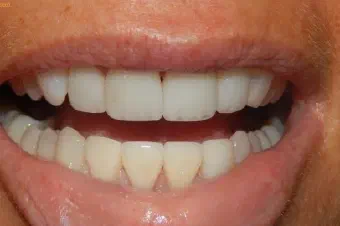
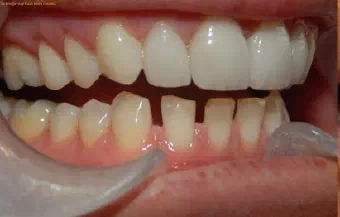
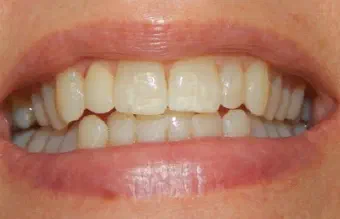
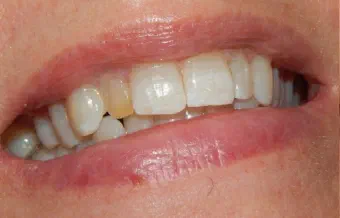
Real patient results

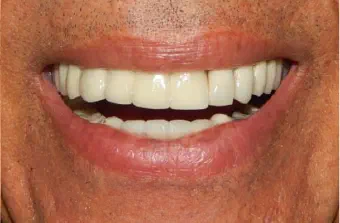
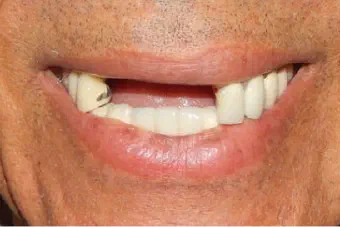
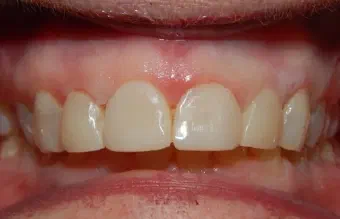
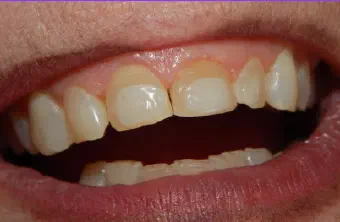
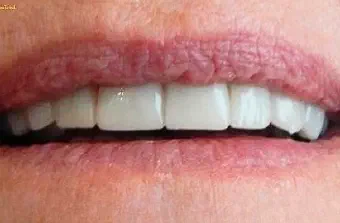
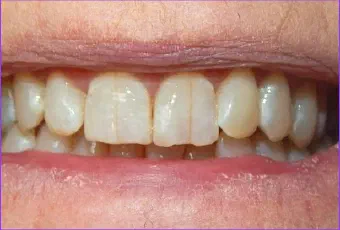
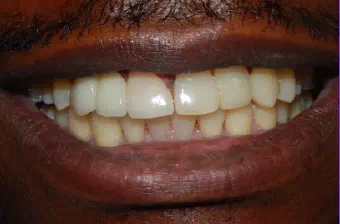
Before & after smile gallery.

Drag the centre line to compare each real case treated by our dental team. Every smile begins with a personal assessment and a plan shaped around the patient.

Areas We Serve

Neighbourhood dental care, close to home.

Located in Cookstown, Innisfil, our dental team welcomes patients from communities across South Simcoe, Barrie, and northern York Region.

Get directions
  • Cookstown
  • Innisfil
  • Simcoe
  • Lake Simcoe
  • Alcona
  • Stroud
  • Lefroy–Belle Ewart
  • Gilford
  • Churchill
  • Sandy Cove
  • Innisfil Heights
  • Fennell’s Corners
  • Bradford
  • Bradford West Gwillimbury
  • Bond Head
  • Newton Robinson
  • New Tecumseth
  • Alliston
  • Beeton
  • Tottenham
  • Adjala–Tosorontio
  • Everett
  • Loretto
  • Barrie
  • Essa
  • Thornton
  • Baxter
  • Angus
  • Egbert
  • Ivy
  • Utopia
  • York Region
  • East Gwillimbury
  • Queensville
  • Holland Landing
  • Sharon
  • Schomberg
  • Nobleton

Don’t see your community listed? Contact us—we regularly welcome patients from throughout the surrounding region.

Google reviews

Kind words from our patients.

Read what patients have shared about their visits to Cookstown Dental Centre.

A dentist having a friendly consultation with a patient in a bright dental clinic

Your next step

Ready to feel good about your next dental visit?

Whether you are new to the clinic or returning for care, our team is here to make booking simple and answer your questions.

Call Book Now WhatsApp

How can we help?

The Cookstown Dental team is here for you.

Need an appointment, have a question, or want to talk through your options? Choose the next step that works best for you.

Send us a note

We’ll get back to you as soon as we can.