Cookstown Dental Centre
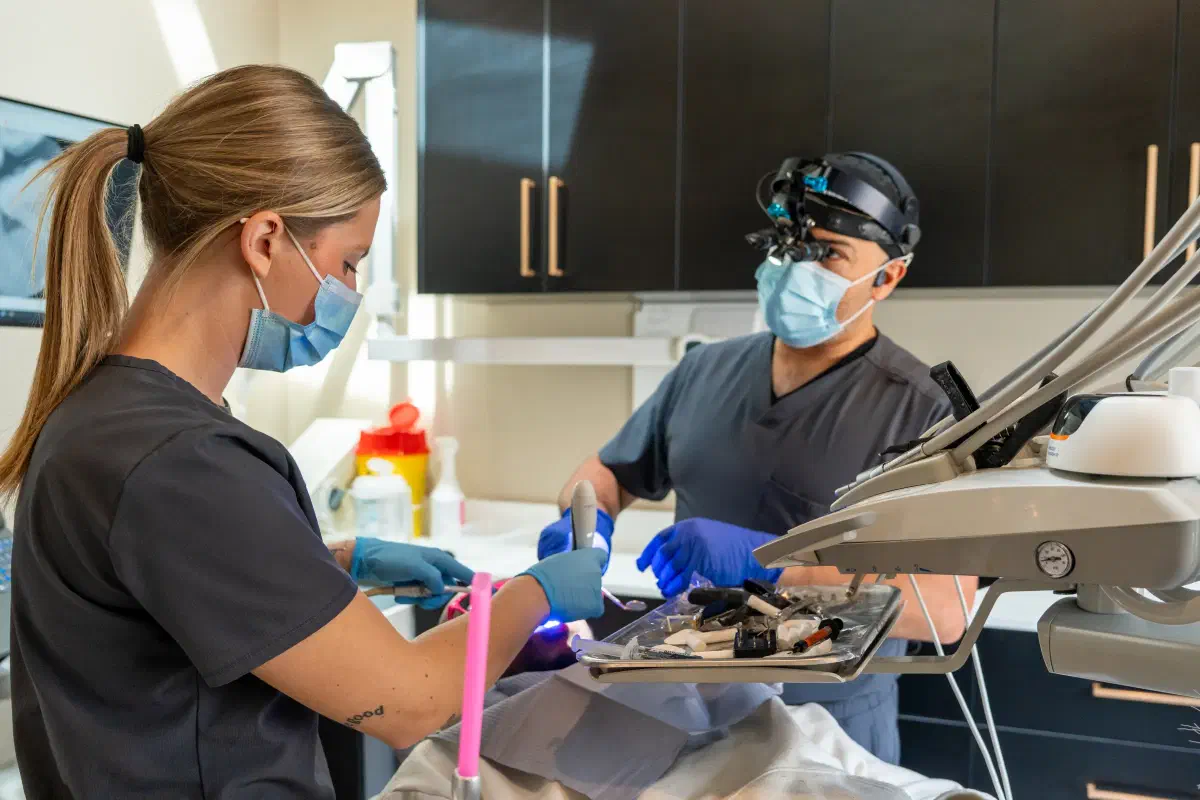
The Cookstown Dental Centre team caring for a patient in a treatment room

Children’s Dentistry · Cookstown

A comfortable beginning for your baby’s smile.

Plan your baby’s first dental visit with a gentle examination, practical feeding and brushing advice, and time for your questions.

Request an appointment

Let’s find a time that works.

Need urgent dental help? Call (705) 291-2222.

Baby’s First Dental Visit in Cookstown

A first visit is a conversation for parents, too.

Your baby does not need a full set of teeth to benefit from a dental visit. An early appointment gives you a chance to ask about the first tooth, cleaning tiny gums, feeding routines, and changes you have noticed. It also helps us get to know your child before a problem needs attention. You can bring questions even when everything seems to be going well.

At Cookstown Dental Centre, we approach an infant visit around the baby and the caregiver together. We discuss what an examination may involve, work with your baby’s attention and comfort, and explain anything we find. You leave with a clearer idea of what to practise at home, which changes deserve a call, and when another visit would be useful.


A parent holding a baby while a dentist demonstrates a small toothbrush

The appointment

A small visit with a useful purpose.

There is no performance expected from your baby. The appointment is an opportunity to learn about their mouth and make the next stage of care easier.

  1. Meet and share your concerns

    Tell us about your baby’s health, medicines, feeding, and any previous mouth injuries. Mention anything that worries you, even if it seems minor. A short list on your phone can help you remember questions when you are also managing a diaper bag, a tired baby, and a new setting.

  2. Take a gentle look

    The dentist checks the teeth that have appeared and the surrounding tissues, with a position that supports your baby safely. A lap-based examination may be useful. We explain what we are looking at and adapt to movement, crying, or the need for a pause rather than expecting an infant to sit independently.

  3. Agree on the next steps

    We connect the findings with your everyday routine. That might mean practising a brushing position, discussing drinks between meals, or arranging a review of a particular tooth. Ask us to show a technique again if it feels awkward; a plan should be understandable before you try it at home.

What we consider

What to bring into the conversation.

A few details about ordinary days can be more useful than trying to remember every milestone. Share the routines that are working and the ones that feel difficult.

Feeding and settling

Describe bottles, breastfeeding, cups, snacks, and how your baby settles overnight. We can discuss oral care in that context without judging your family’s routine. If feeding is painful or your baby is struggling to feed, tell us so the appropriate dental or medical assessment can be considered.

Cleaning and toothpaste

Bring the brush or toothpaste you are using, or a photo of the packaging. For children under three, ask for a fluoride recommendation based on cavity risk. We can demonstrate how to reach small teeth with a soft brush and how to make cleaning a predictable part of the day.

Teething and mouth changes

Point out a spot, swelling, change in colour, or tooth that seems different. Photos can help explain a change that comes and goes. Do not assume illness or significant swelling is simply teething; describe associated symptoms so we can help you find an appropriate next step.

Planning together

Make the day easier on your family.

Simple preparation can leave more room for a calm visit. Let us know about scheduling, access, or communication needs when you request the appointment.

Choose a workable time

If possible, request a time when your baby is usually rested and comfortable. Bring feeding supplies, a change of clothes, and a familiar comfort item. There is no need to practise opening their mouth repeatedly or create pressure around the visit beforehand; a familiar caregiver is often the most useful support.

Share health information

Bring details of medicines, allergies, recent illnesses, and health professionals involved in your baby’s care. Mention prematurity or a medical condition if relevant. If another adult is bringing your child, contact us beforehand about consent and the information needed to make that arrangement work smoothly.

Keep your questions close

Write down your main questions in order of importance. You might want help choosing a brush, understanding toothpaste amounts, or recognizing an injury after a fall. Tell us which issue is hardest at home so the advice can focus on a practical change rather than a long list of instructions.

Practical guidance

Build familiarity between appointments.

The first visit starts a relationship that can grow with your child. Small, repeatable habits give later appointments a familiar starting point.

Practise a manageable routine

Choose a safe, supported position that lets you see the teeth clearly and keep control of the brush. Short, consistent attempts can help you build confidence. If cleaning keeps becoming a struggle, describe exactly what happens at the next visit so we can help adjust the approach.

Keep track of changes

Note new teeth, a change in feeding comfort, or a mark that does not disappear with gentle cleaning. Contact us about pain, swelling, injury, or an unusual colour change rather than waiting for a scheduled checkup. If your baby seems seriously unwell, seek medical advice promptly.

Plan the next appointment

The review interval depends on what we see and your baby’s individual needs. Before leaving, confirm what should happen next and whether any concern needs earlier attention. If your schedule changes, let us help you reorganize the visit so early care remains something your family can maintain.

Frequently asked questions

Questions about baby’s first dental visit

When should a baby first see a dentist?

The Canadian Dental Association recommends an assessment within six months of the first tooth appearing or by the first birthday. If your baby has pain, swelling, an injury, or a feeding concern, contact a health professional sooner rather than waiting for that milestone.

What if my baby has no teeth yet?

You can still ask about cleaning, feeding, teething, and the right timing for an examination. Tell us your baby’s age and any concerns when you call. We can help plan a useful appointment without waiting for every baby tooth to appear.

Will crying prevent an examination?

Crying is a normal response to an unfamiliar situation and does not mean the visit has failed. We work with your baby’s comfort and discuss what can be assessed safely. Sometimes a shorter visit and a follow-up plan are appropriate.

Should I use fluoride toothpaste already?

For a child under three, Canadian guidance recommends discussing cavity risk with a dental professional before choosing fluoride toothpaste. Bring your current product to the visit. We can explain whether it is appropriate and demonstrate the amount to use for your baby.

Will my baby need X-rays?

X-rays are not an automatic part of an infant appointment. They are considered only when there is a clinical reason and the information would help guide care. The dentist explains the reason, the practical considerations, and any alternatives before proceeding.

Can a parent stay close?

A caregiver is an important part of an infant visit. We discuss how to position your baby safely and how you can help throughout the examination. Tell us about any handling preferences, medical needs, or movements that are uncomfortable for your child.

What if the first visit is already overdue?

Book a visit now without worrying about missing an ideal date. Tell us your child’s age and whether you have noticed any symptoms. We will start with the situation as it is today and help you build a suitable plan from there.

Real patient results

Before & after smile gallery.

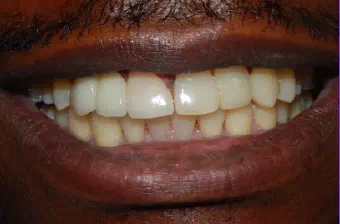
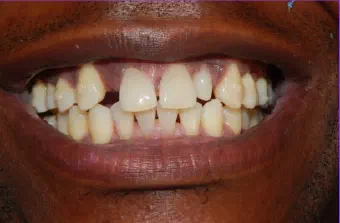
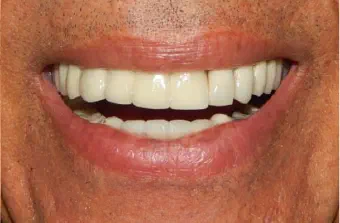
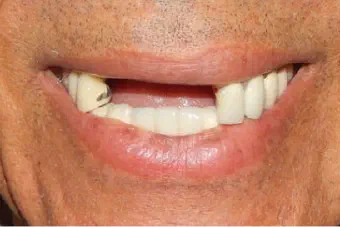
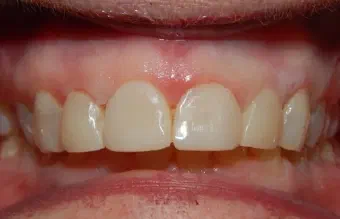
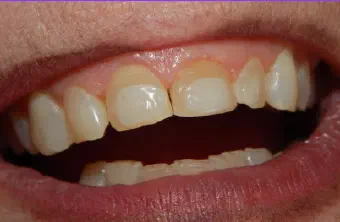
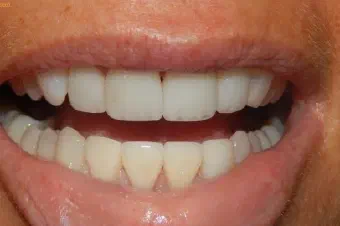
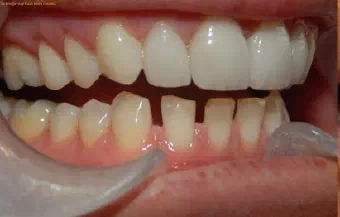
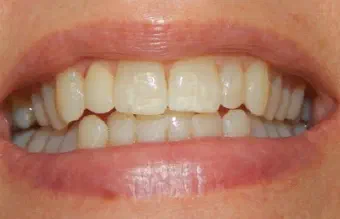
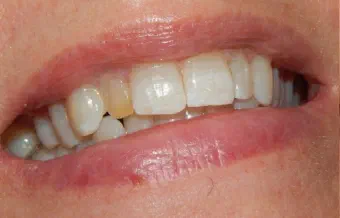
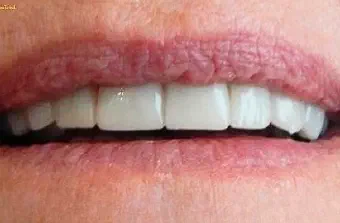
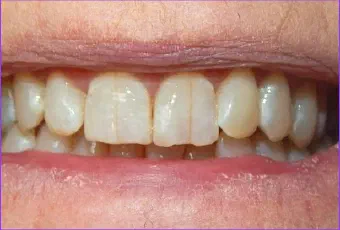
Drag the centre line to compare each real case treated by our dental team. Every smile begins with a personal assessment and a plan shaped around the patient.

Areas We Serve

Neighbourhood dental care, close to home.

Located in Cookstown, Innisfil, our dental team welcomes patients from communities across South Simcoe, Barrie, and northern York Region.

Get directions
  • Cookstown
  • Innisfil
  • Simcoe
  • Lake Simcoe
  • Alcona
  • Stroud
  • Lefroy–Belle Ewart
  • Gilford
  • Churchill
  • Sandy Cove
  • Innisfil Heights
  • Fennell’s Corners
  • Bradford
  • Bradford West Gwillimbury
  • Bond Head
  • Newton Robinson
  • New Tecumseth
  • Alliston
  • Beeton
  • Tottenham
  • Adjala–Tosorontio
  • Everett
  • Loretto
  • Barrie
  • Essa
  • Thornton
  • Baxter
  • Angus
  • Egbert
  • Ivy
  • Utopia
  • York Region
  • East Gwillimbury
  • Queensville
  • Holland Landing
  • Sharon
  • Schomberg
  • Nobleton

Don’t see your community listed? Contact us—we regularly welcome patients from throughout the surrounding region.

Google reviews

Kind words from our patients.

Read what patients have shared about their visits to Cookstown Dental Centre.

A dentist having a friendly consultation with a patient in a bright dental clinic

Your next step

Ready to feel good about your next dental visit?

Whether you are new to the clinic or returning for care, our team is here to make booking simple and answer your questions.

Call Book Now WhatsApp

How can we help?

The Cookstown Dental team is here for you.

Need an appointment, have a question, or want to talk through your options? Choose the next step that works best for you.

Send us a note

We’ll get back to you as soon as we can.