Cookstown Dental Centre
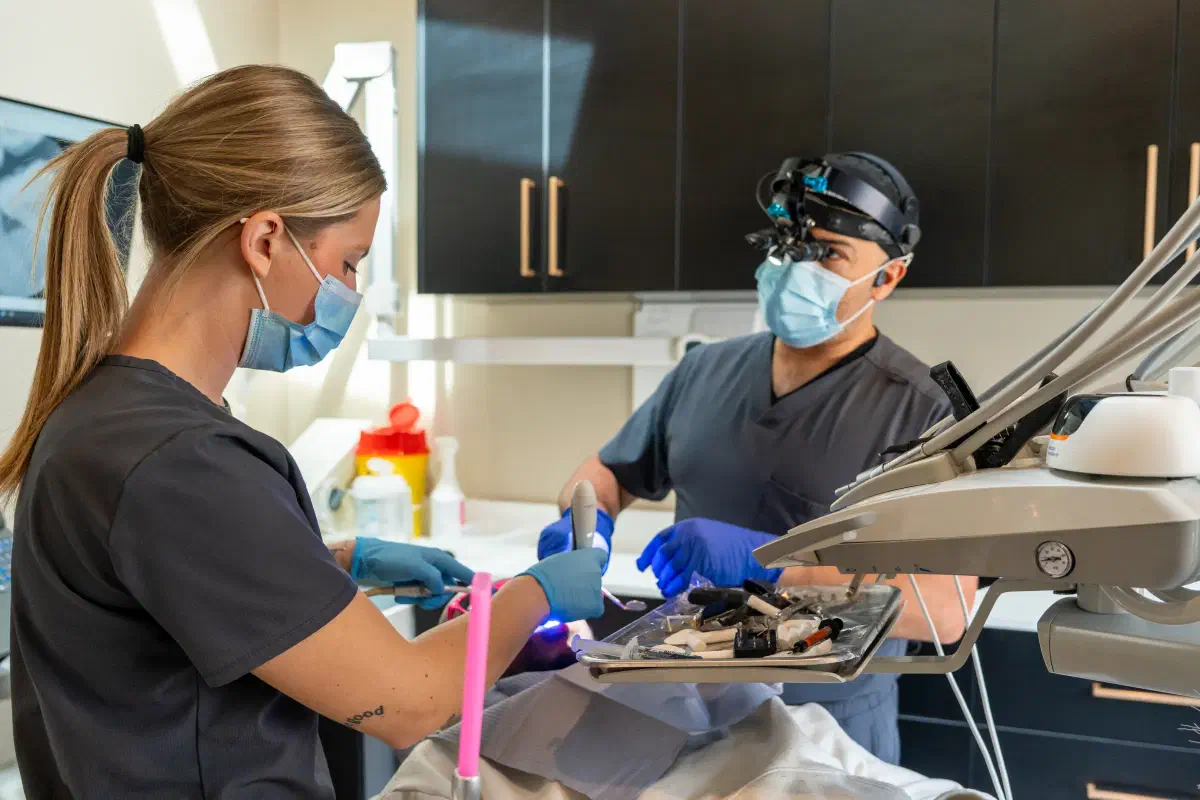
The Cookstown Dental Centre team caring for a patient in a treatment room

Restorative Dentistry · Cookstown

Assess the nerve and remaining structure of a front tooth.

A painful or darkened front tooth may need pulp testing before treatment. Explore anterior root canals, injury history, access, restoration, and follow-up.

Request an appointment

Let’s find a time that works.

Need urgent dental help? Call (705) 291-2222.

Anterior Tooth Root Canals in Cookstown

A front tooth needs both a biological diagnosis and a plan for its visible restoration.

Front teeth can develop pulp damage after decay, a crack, or an injury, including an injury that happened long before symptoms appeared. A darkened tooth does not automatically need a root canal, and an infected tooth is not always painful. Examination and appropriate tests help determine whether the tissues inside the tooth need treatment and whether the tooth can be restored afterward.

At Cookstown Dental Centre, we consider the tooth’s history, current symptoms, root condition, and remaining structure. If root canal treatment is appropriate, the aim is to treat the canal system while preserving a useful natural tooth. The visible result also needs planning: sealing the access, managing any fracture, and discussing colour where relevant. Some anterior cases have complexity that benefits from an endodontist’s assessment.


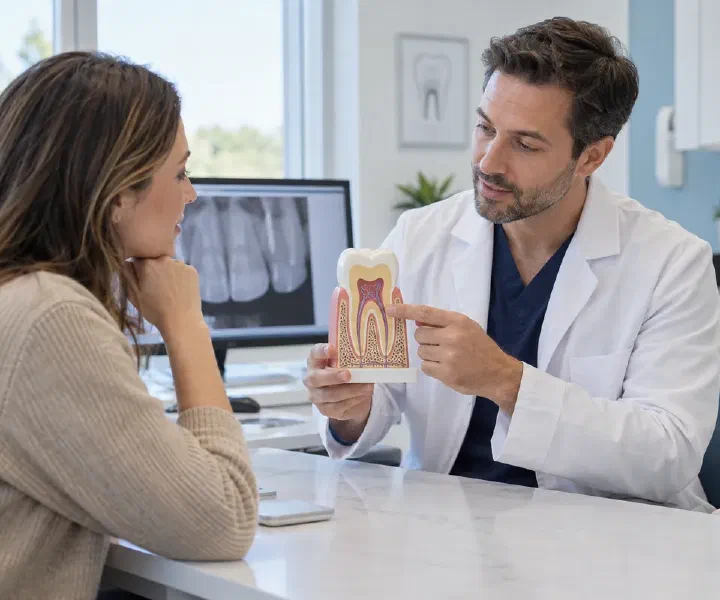
A dentist explaining the inside of a front tooth with a teaching model

Good to know

Explain the history even if the injury seems old.

A front tooth’s current appearance may not tell the whole story of what happened inside it.

A previous knock or fracture

Mention sports injuries, falls, earlier bonding, and any episode when the tooth loosened or changed colour. Trauma can affect the pulp in ways that become apparent later. The dentist uses that history with current findings rather than assuming that the absence of immediate pain meant the tooth escaped lasting effects.

Pain, swelling, or a colour change

Describe sensitivity, biting discomfort, swelling, or a recurring gum spot. A darker shade may have several explanations and should not be diagnosed from appearance alone. The clinician assesses the pulp and supporting tissues to distinguish a treatment need from an isolated cosmetic concern.

Existing restorations and previous treatment

Bring details of earlier root canal work, posts, crowns, or repairs if available. These can affect access and the restoration plan. A tooth already treated with a root canal may need a different assessment from a tooth receiving initial treatment, even when the visible symptom looks similar.

What we consider

Confirm the diagnosis and whether the tooth can be rebuilt.

Root canal treatment and restorability are related but separate questions.

Tests and appropriate imaging

The dentist may compare responses to tests, examine the gums and bite, and use X-rays where indicated. No single symptom always establishes the diagnosis. The findings are considered together, and uncertainty may call for review or an endodontic opinion rather than immediate treatment based on colour alone.

Remaining tooth and root support

A large fracture, deep decay, root problem, or inadequate support can affect whether preserving the tooth is reasonable. The final restoration needs a sound foundation. Treating the canal without considering how the tooth will be sealed and used afterward can leave an important part of the decision unresolved.

Anatomy and technical difficulty

Front teeth are not automatically simple because many have a less complex-looking crown than back teeth. Previous injury, calcification, unusual anatomy, or earlier procedures may complicate care. The dentist explains whether specialist treatment would be useful and how it fits with the later restoration.

Step by step

What treatment generally involves.

The exact sequence and number of visits depend on the diagnosis and clinical circumstances.

  1. Prepare, isolate, and access the tooth

    Comfort measures are discussed and the tooth is isolated during treatment. Access is made to reach the canal system while considering existing structure and restorations. The clinician explains the proposed procedure beforehand rather than assuming a front tooth always requires the same access or appointment length.

  2. Clean and seal the canal system

    The internal space is cleaned, shaped as appropriate, and filled according to the treatment plan. Additional stages may be needed in some situations. Root canal treatment addresses the internal problem, but it does not independently repair a fracture or provide the final durable outer restoration.

  3. Arrange the coronal restoration

    The access and any structural defect need a suitable seal and restoration. The dentist discusses whether a filling, bonding, crown, or another approach is appropriate. The choice depends on remaining structure and function; a front tooth does not automatically require the same coverage as every heavily damaged back tooth.

Understanding the options

Plan appearance without assuming one restoration fits every tooth.

Colour, structure, and bite contacts influence the final choice.

A conservative access restoration

When sufficient healthy structure remains, a selected filling or bonded restoration may be appropriate. The clinician checks the contact pattern and the extent of damage. Preserving the tooth does not mean adding a crown automatically, but it does mean providing a suitable seal and protection for the actual condition.

Additional structural or colour treatment

A more damaged tooth may need a different restoration, while a persistent dark shade may prompt a separate colour discussion. Internal bleaching is considered only in suitable root-treated teeth after assessment. It is not a routine extra for every anterior root canal and should be weighed against its own limits and risks.

Practical guidance

Protect the tooth through the finishing stage.

Follow-up includes the treated root and the restoration that keeps the tooth functional.

Follow the interim instructions

If a temporary restoration is present, follow advice about biting and arrange the next stage promptly. Report loss of the temporary material or worsening symptoms. A tooth that feels better still needs its planned restoration; pain relief alone does not mean the entire course of care is complete.

Attend healing and restoration reviews

The clinician assesses symptoms, the tooth, and relevant imaging over time. Report swelling, a recurring gum spot, or a change in the restoration. Healing is evaluated clinically, and a symptom-free interval should not be treated as a guarantee that no future review or maintenance will be needed.

Frequently asked questions

Questions about anterior tooth root canals

Does a dark front tooth always need a root canal?

No. Discolouration can have several causes. The dentist assesses the history, pulp responses, and appropriate imaging before deciding whether treatment is needed. Cosmetic colour management should follow the diagnosis rather than substitute for checking the tooth’s health.

Can an injury from years ago still matter?

Yes. An earlier injury can be relevant to later pulp or root findings even if the tooth initially felt comfortable. Tell the dentist about past knocks, fractures, and repairs. Current tests help determine what, if anything, now needs treatment.

Are front-tooth root canals always easier than molar treatment?

Not necessarily. Anatomy, previous trauma, calcification, and existing restorations can create complexity. The clinician explains the specific difficulty and whether an endodontist’s care is advisable instead of estimating the procedure solely from the tooth’s position in the smile.

Will I need a crown afterward?

That depends on the remaining structure, damage, and bite. Some front teeth may be restored more conservatively, while others need broader protection. The final restoration should be planned alongside the root canal rather than assumed to be identical for every tooth.

Will treatment restore the original tooth colour?

Not necessarily. Treating the canal and improving colour are different goals. If a shade concern remains, the dentist can discuss suitable options after assessing the root-treated tooth. No colour result should be guaranteed simply because the internal treatment is completed.

What if swelling or pain gets worse while I wait?

Contact the clinic promptly for advice. Increasing swelling, fever, or worsening pain needs assessment, and difficulty breathing or swallowing requires urgent emergency care. Do not assume a booked appointment makes a rapidly changing symptom safe to leave unreported.

How is the result checked afterward?

Follow-up considers symptoms, clinical findings, the restoration, and imaging where indicated. The timing is individualized. Keep planned reviews even if the tooth feels comfortable, and report a new gum swelling, loss of the restoration, or a change in biting.

Real patient results

Before & after smile gallery.

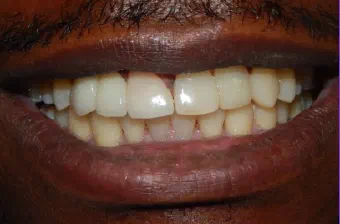
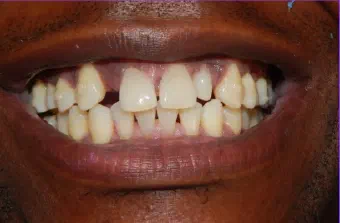
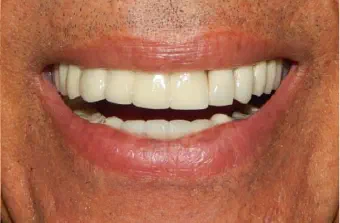
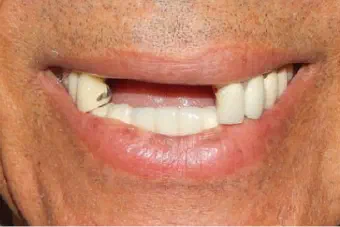
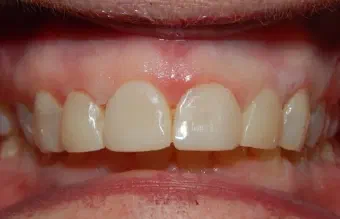
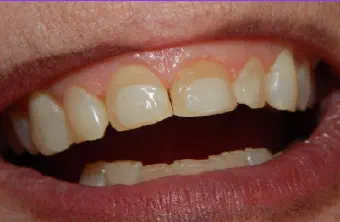
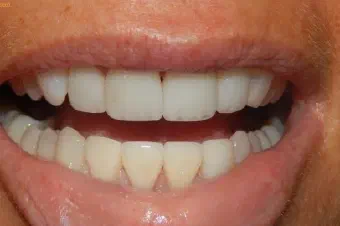
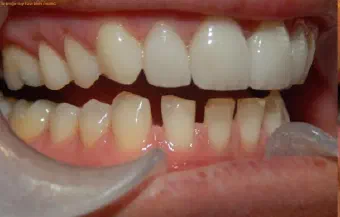
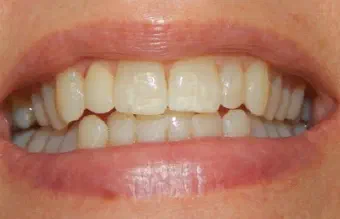
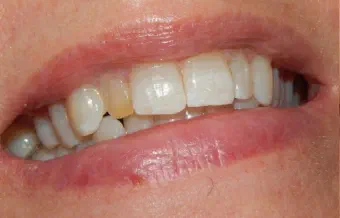
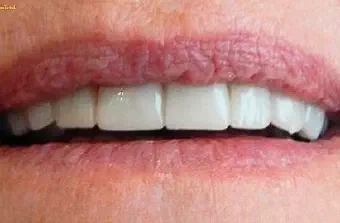
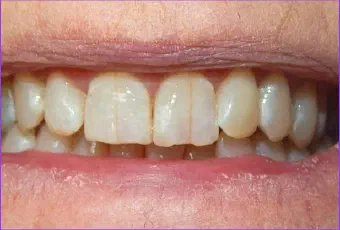
Drag the centre line to compare each real case treated by our dental team. Every smile begins with a personal assessment and a plan shaped around the patient.

Areas We Serve

Neighbourhood dental care, close to home.

Located in Cookstown, Innisfil, our dental team welcomes patients from communities across South Simcoe, Barrie, and northern York Region.

Get directions
  • Cookstown
  • Innisfil
  • Simcoe
  • Lake Simcoe
  • Alcona
  • Stroud
  • Lefroy–Belle Ewart
  • Gilford
  • Churchill
  • Sandy Cove
  • Innisfil Heights
  • Fennell’s Corners
  • Bradford
  • Bradford West Gwillimbury
  • Bond Head
  • Newton Robinson
  • New Tecumseth
  • Alliston
  • Beeton
  • Tottenham
  • Adjala–Tosorontio
  • Everett
  • Loretto
  • Barrie
  • Essa
  • Thornton
  • Baxter
  • Angus
  • Egbert
  • Ivy
  • Utopia
  • York Region
  • East Gwillimbury
  • Queensville
  • Holland Landing
  • Sharon
  • Schomberg
  • Nobleton

Don’t see your community listed? Contact us—we regularly welcome patients from throughout the surrounding region.

Google reviews

Kind words from our patients.

Read what patients have shared about their visits to Cookstown Dental Centre.

A dentist having a friendly consultation with a patient in a bright dental clinic

Your next step

Ready to feel good about your next dental visit?

Whether you are new to the clinic or returning for care, our team is here to make booking simple and answer your questions.

Call Book Now WhatsApp

How can we help?

The Cookstown Dental team is here for you.

Need an appointment, have a question, or want to talk through your options? Choose the next step that works best for you.

Send us a note

We’ll get back to you as soon as we can.