

Persistent jaw pain, headaches, or clicking when you eat can be signs of a Temporomandibular Joint (TMJ) disorder. This condition affects the hinge between your jaw and skull, making it harder to speak or chew. If you’re looking for TMJ therapy, catching these symptoms early is key to improving your quality of life.
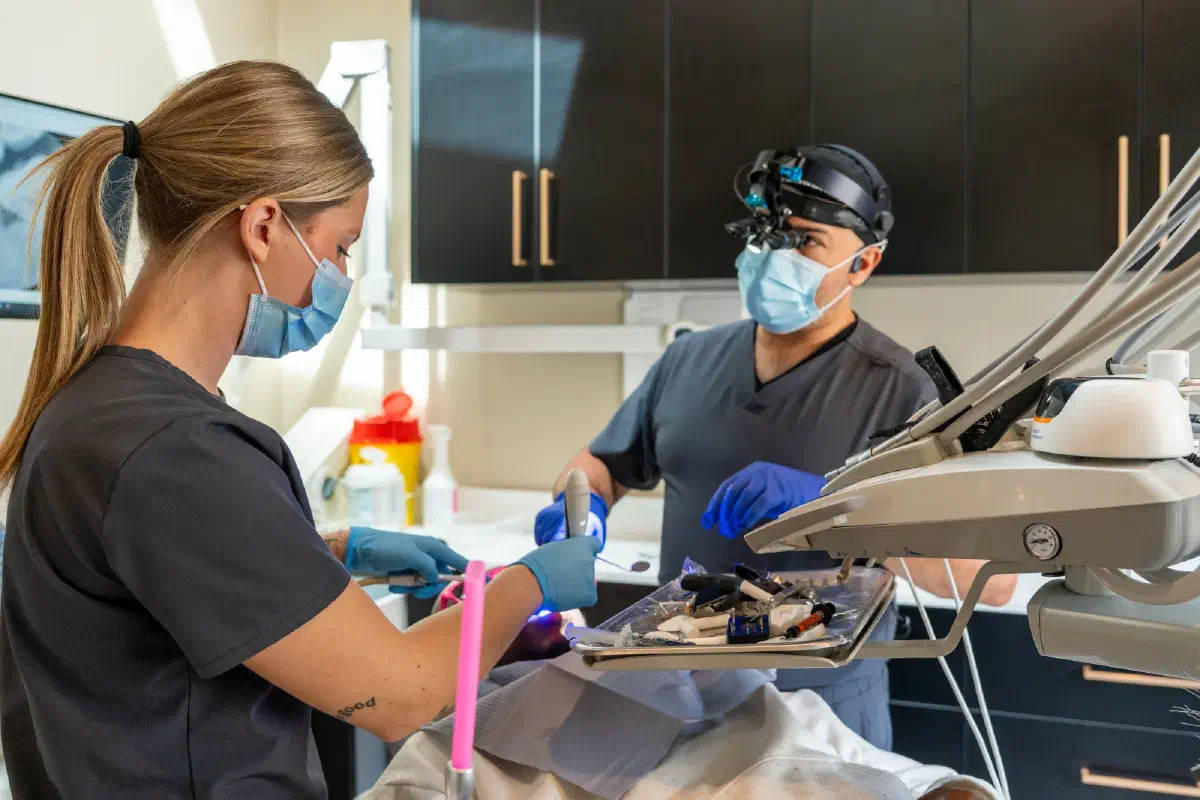
Diagnosis begins with a physical exam by a dentist in Cookstown, Innisfil. By checking your jaw’s movement and listening for joint friction, a professional can determine whether your pain is due to muscle strain, inflammation, or misalignment.
Early detection helps prevent long-term complications and protects your oral health.
How Do Jaw-Related Sounds Indicate A Problem?
One of the most recognizable signs of a joint disorder is abnormal noise during mandibular movement. While an occasional pop may be harmless, consistent sounds usually suggest the disc within the joint has shifted.
- Clicking and Popping – This often occurs when the disc “snaps” back into place as you open your mouth wide.
- Grating Sensations – Known as crepitus, this sandpaper-like sound may indicate bone-on-bone contact.
- Aural Fullness – Patients often describe a sensation of “clogged” ears, which can be mistaken for an ear infection.
- Tinnitus – A persistent ringing in the ears is frequently linked to the proximity of the jaw joint to the auditory canal.
What Are The Various Types Of Facial And Physical Pain?
The pain associated with these disorders is rarely localized to the jaw alone. Because the nerves and muscles of the face are interconnected, discomfort often radiates outward.
Seeking TMJ therapy in Cookstown, Innisfil can help address these diverse pain points through targeted intervention.
- Myofascial Pain – A deep, dull ache in the muscles responsible for jaw function, often felt in the cheeks or temples.
- Earaches – Inflammation in the joint can radiate pain that feels like a deep earache.
- Morning Headaches – Frequent tension-type headaches upon waking are a classic sign of nocturnal teeth grinding.
- Neck and Shoulder Tension – Chronic jaw misalignment can force neck muscles to overcompensate, leading to stiffness.
Can Restricted Movement Affect Your Daily Life?
In more severe cases, the jaw’s physical function becomes limited, making simple tasks like yawning remarkably difficult. When you visit a dentist near you, they will check for these specific mechanical obstructions.
- Lockjaw – The jaw may become temporarily stuck in either an open or closed position.
- Deviated Movement – The jaw might shift to one side as you open, indicating uneven joint function.
- Limited Opening – A noticeable decrease in how wide you can comfortably open your mouth.
- Muscle Fatigue – A feeling of “tiredness” in the face after talking for long periods or chewing.
Why Is It Important To Address Teeth Grinding And Clenching?
Many joint disorders are exacerbated by bruxism, or the habitual clenching of teeth. To effectively prevent tooth and jaw damage, dental professionals often recommend protective appliances to alleviate this pressure.
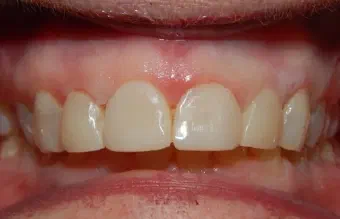
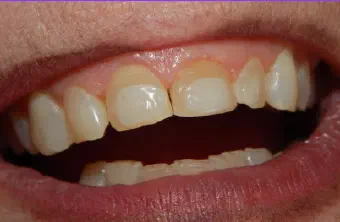
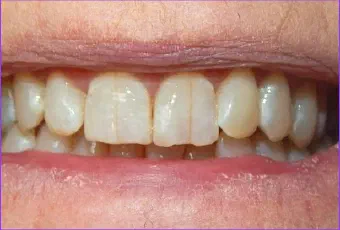
- Flattened Teeth – Constant grinding wears down the natural cusps of your teeth over time.
- Micro-cracks – Excessive pressure can cause fractures in the enamel or in existing fillings.
- Receding Gums – Jaw tension can contribute to gum recession by placing stress on tooth roots.
- Increased Sensitivity – As enamel thins from grinding, teeth become more sensitive to hot and cold.
What Are The Available Paths To Lasting Comfort?
The goal of modern treatment is to reduce inflammation and restore natural alignment. By understanding various TMJ Relief Treatments, patients can often find success through non-invasive means.
- Stabilization Splints – Custom oral appliances that hold the jaw in a neutral position, allowing muscles to rest.
- Physical Therapy – Specialized exercises designed to stretch and strengthen the jaw muscles.
- Stress Management – Techniques to reduce the emotional triggers that lead to daytime clenching.
- Orthodontic Adjustment – Aligning the bite through braces can sometimes permanently resolve joint stress.
Finding Relief for a Healthier Smile
Treating joint problems early can prevent chronic pain and costly dental issues. Keeping your teeth and jaw in harmony is key to long-term comfort.
At Cookstown Dental Centre, we identify the cause of your condition and provide personalized care so you can eat and smile without pain.
Contact us today to schedule a consultation and take the first step toward a pain-free smile.
Find our dental clinic quickly on Google Maps and get directions in just one click. 📍
Frequently Asked Questions
1. Can TMJ disorders go away on their own?
Minor flare-ups caused by temporary stress may subside, but chronic symptoms usually require professional intervention to prevent permanent joint damage.
2. Will I need surgery to fix my jaw pain?
The vast majority of cases are successfully managed with non-surgical methods such as night guards, physical therapy, and lifestyle adjustments.
3. Are headaches always a symptom of jaw issues?
Not always, but tension headaches explicitly located in the temples are very frequently linked to the muscles used for clenching.
4. How long does it take to feel relief after starting therapy?
Most patients notice a significant reduction in pain within a few weeks of consistent use of an oral appliance or prescribed exercises.