
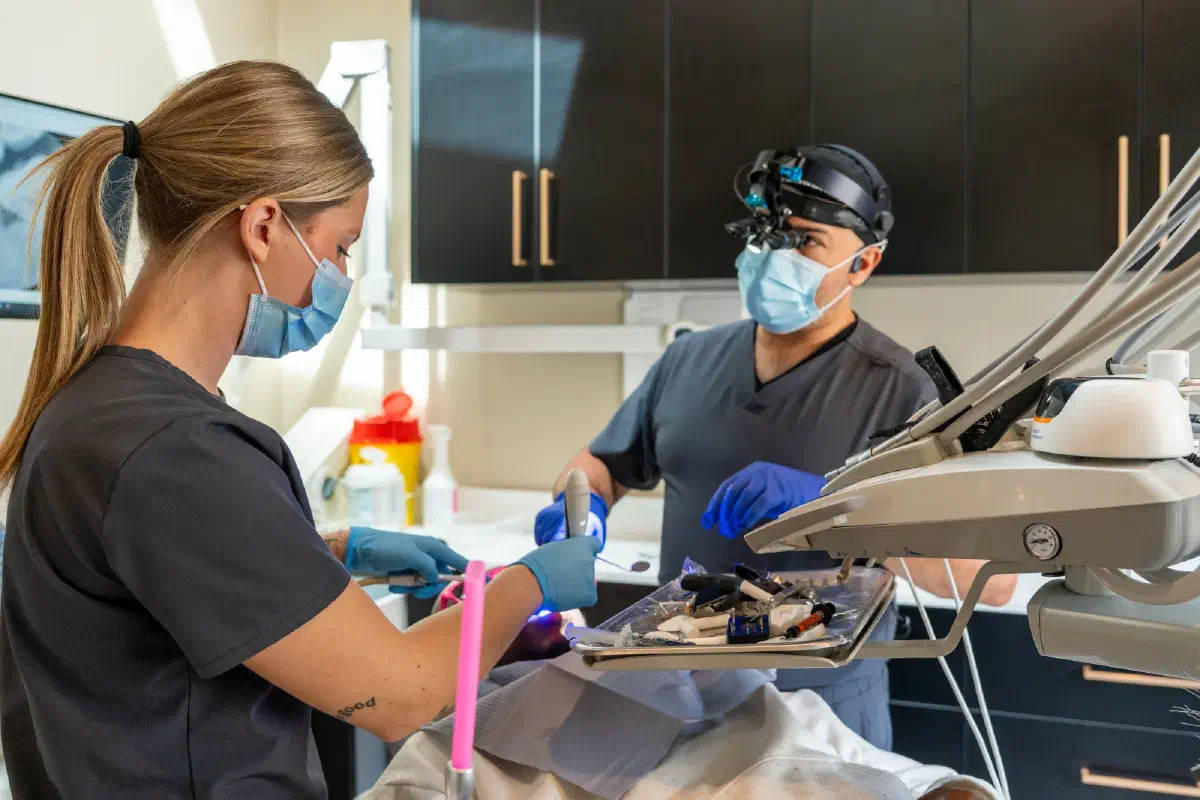
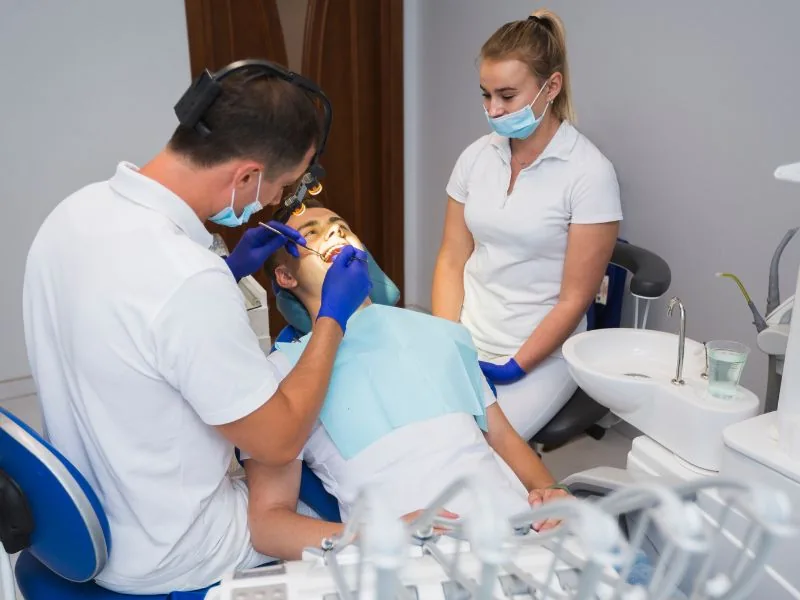
Taking care of your teeth before problems start is what preventive dental services are all about. Most people visit a dentist only when something hurts. But the truth is, you can avoid a lot of pain and cost by getting the right care early. Preventive dental care is the smart way to keep your teeth and gums healthy for a long time.
Understanding Basic Preventive Dental Care
Preventative dentistry cookstown focuses on early care such as professional cleaning, dental exams, fluoride treatment and sealants for children. These steps help in removing plaque and detecting problems at an early stage. Dental X-rays may also be used to check hidden issues in teeth and bone structure. This type of care supports long-term oral health and reduces the need for complex procedures in the future. Regular monitoring helps maintain strong enamel and healthy gums.
Common Preventive Dental Services You Should Know
If you are looking for preventative dentistry Cookstown, you will find that most dental clinics offer a full range of preventive services. Here are the most common ones:
1. Dental Examination (Oral Examination)
A dental examination is one of the most basic preventive services. During this visit, the dentist checks your teeth, gums, tongue and jaw. The goal is to detect early signs of tooth decay, gum disease, and other oral health conditions. Early detection makes treatment much easier and less costly.
Most dentist near you recommend getting an examination every six months.
2. Dental Cleaning (Prophylaxis)
Even if you brush twice a day, plaque and tartar can still build up in places your toothbrush cannot reach. A dental cleaning, also called prophylaxis, removes this buildup. The dental hygienist uses special tools to clean around, between, and along your teeth and the gumline. This helps prevent gingivitis, which is the early stage of gum disease.
3. Dental X-Rays (Radiographs)
Dental radiographs let the dentist see what is happening inside your teeth and below the gumline. They can show cavities, bone loss and other problems that cannot be seen with the naked eye. X-rays are taken periodically and are an important part of preventive dental care.
4. Fluoride Treatment
Fluoride is a natural mineral that makes your tooth enamel stronger. Enamel is the hard outer layer that protects your teeth. A fluoride treatment is applied directly to your teeth after cleaning. It helps prevent cavities, especially in children.
5. Dental Sealants
Dental sealants are thin, plastic coatings placed on the chewing surfaces of the back teeth called molars. These teeth have deep grooves where food and bacteria can easily get stuck. Sealants fill in those grooves, creating a smooth surface that is much easier to clean. They are very helpful for children and teenagers.
6. Oral Cancer Screening
During a routine exam, many dentists also perform an oral cancer screening. The dentist checks the soft tissues in the mouth for any unusual spots, sores, or lumps. Catching oral cancer early increases the likelihood of successful treatment.
Why Is Preventive Dental Care Important?
Preventive dental care saves you from pain, long dental procedures, and high treatment costs. When small problems are found early, they are easier to fix. For example, a small cavity can be filled quickly. But if left untreated, it can lead to a root canal or even tooth loss.
Good oral health is also connected to your overall body health. Research shows that gum disease is linked to heart disease, diabetes, and other health conditions. So keeping your mouth healthy helps keep your whole body healthy.
Visiting a dentist in Cookstown, Innisfil or a dental clinic regularly is one of the best decisions you can make for your long-term health.
What Can You Do at Home?
Preventive care does not stop when you leave the dental office. There is a lot you can do at home:
- Brush your teeth at least twice a day with fluoride toothpaste
- Floss daily to remove food and plaque from between teeth
- Drink water, especially fluoridated water
- Eat a balanced diet and limit sugary snacks and drinks
- Avoid tobacco products, which can cause gum disease and oral cancer.
- Wear a mouthguard if you play contact sports.
These habits, combined with regular dental visits, form the foundation of strong preventive dental care.
Who Needs Preventive Dental Services?
Everyone, from young children to older adults, needs preventive dental care. Children benefit greatly from sealants, fluoride treatments and early examinations. Adults need regular cleanings and screenings to maintain oral health. Older adults may need extra attention to help protect against tooth loss and medication-related dry mouth.
There is no age limit to caring for your teeth. Starting early and being consistent is the best approach.
Conclusion
Your dental health matters, and the good news is that most serious dental problems are preventable. By combining good habits at home with regular professional care, you give your teeth the best chance to stay healthy for life.
Protect Your Teeth With Preventive Dental Care
If you want a healthy smile, preventive dental care is the best way to protect your teeth. At Cookstown Dental Centre, we provide regular cleanings, checkups, and cleanings to stop cavities and gum disease before they start. Our team keeps your mouth fresh and healthy.
Are you ready to book your next dental cleaning? Call our office today to schedule your visit!
FAQs
How often should I visit a dentist for preventive care?
Most dentists at a dental clinic recommend visiting every six months for a dental examination and cleaning. However, some patients may need more frequent visits depending on their oral health condition.
Are dental sealants only for children?
Dental sealants are most commonly applied to children’s teeth, but adults without decay or fillings in their molars can also benefit from them. The dentist can advise whether sealants are right for you.
What is the difference between a dental cleaning and a deep cleaning?
A regular dental cleaning, or prophylaxis, removes plaque and tartar from healthy teeth and gums. A deep cleaning, called scaling and root planing, is a more detailed procedure done when gum disease is present. It goes below the gumline to clean the roots of the teeth.
Can preventive dental care help with bad breath?
Yes. Bad breath, also known as halitosis, is often caused by bacteria in the mouth, food particles, or gum disease. Regular dental cleanings and good oral hygiene habits at home can greatly reduce or eliminate bad breath.