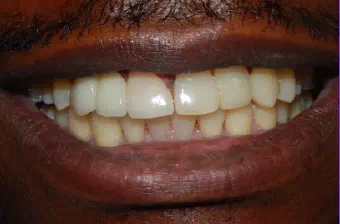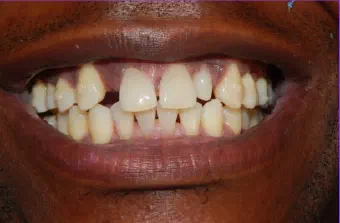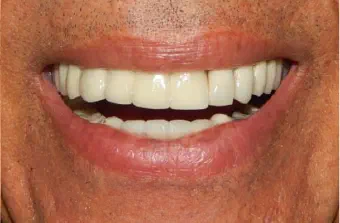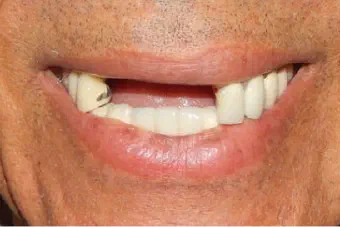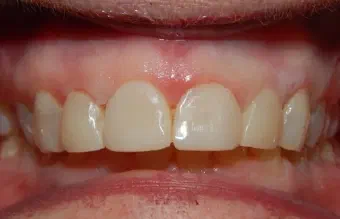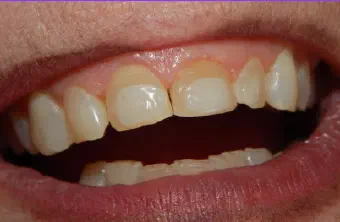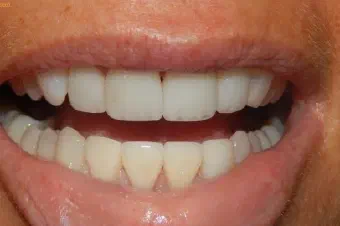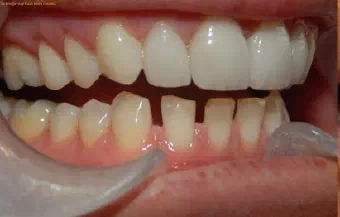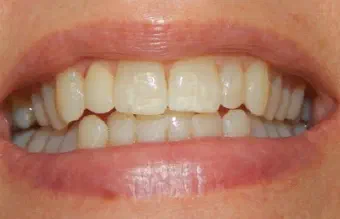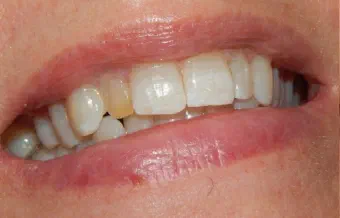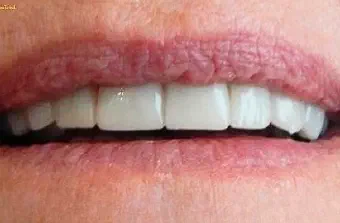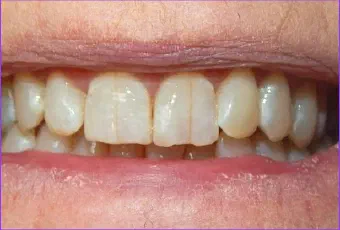
Have you lost a tooth and want to restore the gap in your smile? Dental bridges in Cookstown can help replace one or more missing teeth by using nearby teeth or dental implants for support. A bridge can make chewing and speaking easier while filling the space in your smile. Replacing a missing tooth may also help stop nearby teeth from moving into the gap. The best type of bridge depends on where the tooth is missing, the size of the gap, the condition of the supporting teeth, and your overall oral health.
A dental checkup can help determine if a bridge is right for you and give you a better idea of what to expect during treatment.
What Is a Dental Bridge?
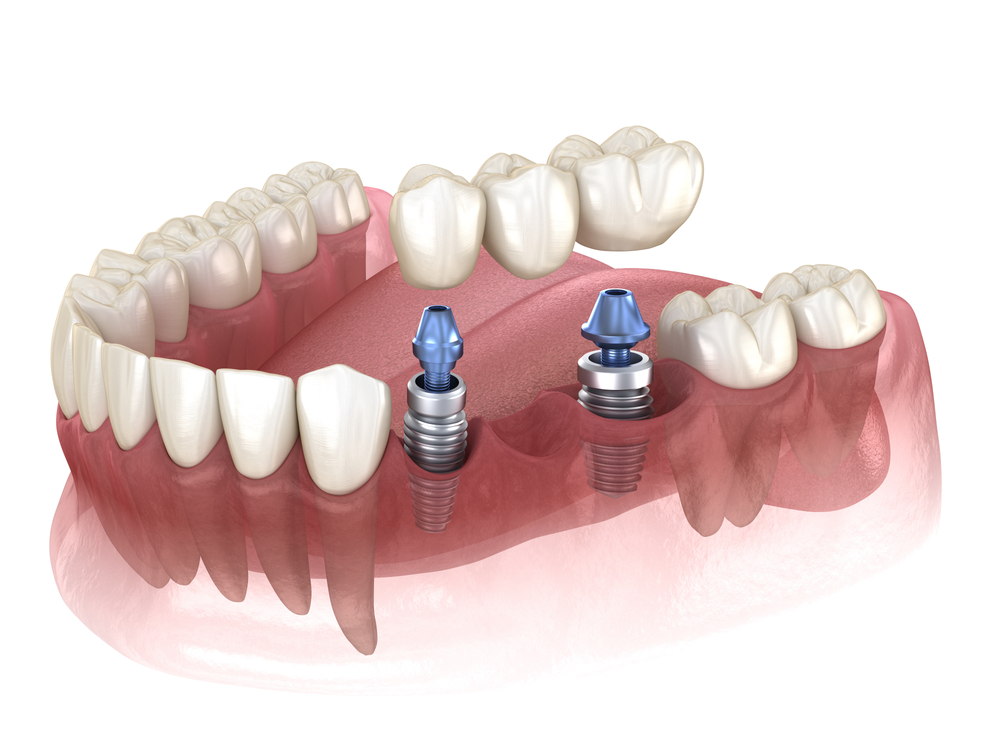
A dental bridge is a fixed replacement for one or more missing teeth. It includes an artificial tooth, called a pontic, that fills the gap. Depending on the type of bridge, the replacement tooth may be supported by natural teeth or dental implants.
Unlike removable dentures, a traditional fixed bridge stays in place after it is fitted. It is designed to function with the surrounding teeth and help restore a more complete smile.
How Do Dental Bridges Work?
A dental bridge for missing teeth works by filling the space with an artificial tooth. The way the bridge is supported depends on the type selected for the individual case.
Common types include:
- Traditional bridge: Supported by crowns placed over nearby natural teeth.
- Cantilever bridge: Uses support from one nearby tooth in selected cases.
- Maryland bridge: Uses small supporting wings attached to nearby teeth.
- Implant-supported bridge: Held in place by dental implants instead of natural teeth.
The choice depends on the number and location of missing teeth and the health of the surrounding structures.
Step 1: Dental Examination and Planning
The first step is a full dental checkup. The dentist near you will look at your teeth, gums, bite, and the area where the tooth is missing to see if a bridge is a good choice for you.
X-rays or other images may be taken to check the supporting teeth and bone. The treatment plan may also consider the size of the gap and the type of bridge that may provide suitable support.
Step 2: Preparing the Supporting Teeth
For some types of bridges, nearby teeth need to be prepared to support the restoration. A small amount of tooth structure may be reshaped so that crowns can fit securely over them.
The amount of preparation depends on the type of bridge being used. Not every bridge requires the same preparation.
Step 3: Taking Impressions or Digital Scans
Once the teeth are ready, impressions or digital scans are taken. These records help create a bridge that matches the shape and size needed for the mouth.
The colour of the replacement tooth can also be selected to blend with the surrounding natural teeth.
Step 4: Wearing a Temporary Bridge
A temporary bridge may be placed while the final restoration is being made. It can help protect the prepared teeth and cover the gap during this stage.
During this time, following dental care instructions is important. Hard or sticky foods may need to be avoided if advised by the dental professional.
Step 5: Fitting the Final Bridge
When the permanent bridge is ready, it is carefully checked for fit, comfort, appearance, and bite. Adjustments may be made before the bridge is permanently secured.
A dentist in Cookstown can also explain how to clean around the bridge and protect the supporting teeth after treatment.
What Are the Other Missing Tooth Replacement Options?
A dental bridge is one of several missing tooth replacement options. Depending on oral health and personal needs, other choices may include dental implants or removable partial dentures.
Each option has different considerations related to:
- Treatment time
- Stability
- Maintenance
- Cost
- Oral health
- The condition of nearby teeth
A dental assessment can help compare these options and determine which approach may be suitable.
What Are the Benefits of Dental Bridges?
A dental bridge may offer several benefits when used for the right situation.
It can help:
- Fill the space left by missing teeth.
- Restore some chewing function.
- Support clearer speech
- Improve the appearance of the smile.
- Help prevent nearby teeth from shifting into the space.
- Provide a fixed replacement for missing teeth.
The benefits depend on the type of bridge and the condition of the surrounding teeth.
Bring Back Your Complete Smile!
Have you lost one or more teeth and want to fill the gaps in your smile? A dental bridge can help replace missing teeth and restore everyday functions like chewing and speaking. With proper planning, a custom fit, and regular care, a bridge may help you feel more comfortable and confident in your daily life.
Book an appointment with Cookstown Dental Centre to discuss your missing teeth and learn more about the replacement options that may be right for you.
FAQs
How long does it take to get a dental bridge?
You may need more than one dental visit. The total time depends on the type of bridge and the treatment you need.
Does getting a dental bridge hurt?
A local anaesthetic can help prevent pain during treatment. Some soreness or sensitivity may happen afterward but often improves with time.
Can a dental bridge replace more than one tooth?
Yes. Some bridges can replace more than one missing tooth, depending on where the teeth are missing and the support available.
Can a dental bridge be removed?
A fixed bridge is made to stay in place and cannot usually be removed at home. Removable options, such as partial dentures, are different.